The Ultimate Murano Glass Pendant Necklace Buying Guide
Discover how to authenticate, style, and buy a genuine Murano glass pendant necklace. Learn about millefiori, sommerso, and pricing tiers.

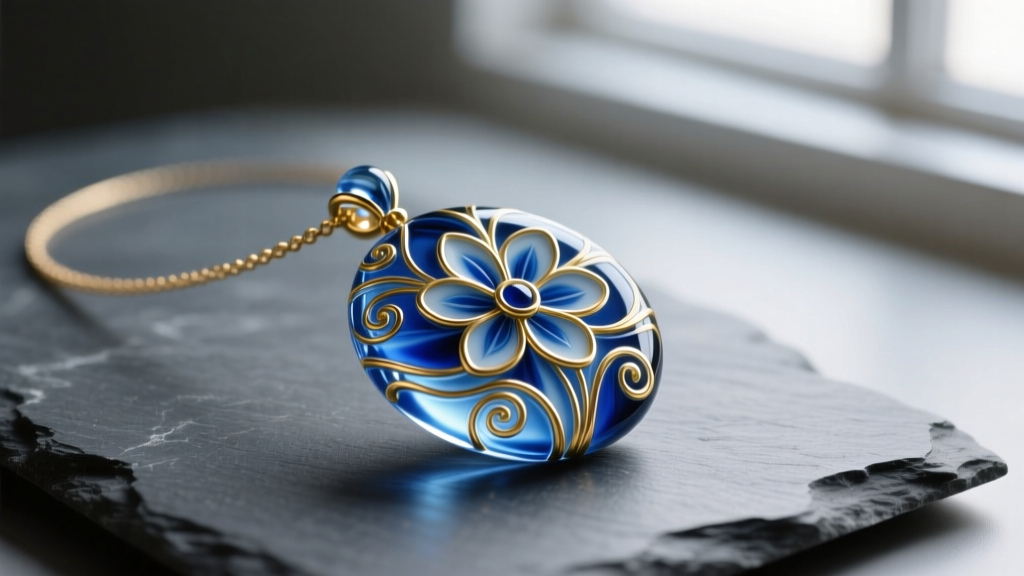
The Enduring Appeal of Venetian Glasswear
When you invest in a Murano glass pendant necklace, you are not merely purchasing an accessory; you are acquiring a wearable piece of history. Originating from the Venetian island of Murano, this glassmaking tradition dates back to 1291 when the Venetian Republic ordered all glassmakers to relocate their furnaces to the island to prevent fires in the city center. Today, the market is saturated with mass-produced imitations from overseas that mimic the vibrant colors of Venetian glass but lack the structural integrity, historical lineage, and artistic nuance of the real deal. This comprehensive buying guide will equip you with the exact material specifications, authentication markers, and structural considerations needed to select a genuine, high-quality Murano glass pendant that will last a lifetime.
Authenticating Your Murano Glass Pendant
The most critical step in purchasing a Murano glass pendant necklace is verifying its provenance. Because the term "Murano glass" is not a globally protected trademark in every jurisdiction, manufacturers worldwide frequently use the label for factory-made glass beads. To ensure authenticity, buyers must look for specific markers of origin and craftsmanship.
The Vetro Artistico® Murano Trademark
The most reliable indicator of authenticity is the Vetro Artistico® Murano trademark, a certification managed by the Consorzio Promovetro Murano. Genuine pieces from participating artisans will feature a specialized sticker or tag equipped with a QR code and a unique alphanumeric identifier. Scanning this code traces the pendant back to the specific furnace and artisan on the island of Murano. However, be aware that some master glassblowers choose not to join the consortium due to membership fees. In these cases, you must rely on visual and physical hallmarks of handcrafted glass.
Visual Hallmarks of True Craftsmanship
Unlike machine-pressed glass, which is flawlessly symmetrical and entirely devoid of internal imperfections, authentic hand-blown or lampworked Murano glass possesses distinct character traits. Look for the following:
- Micro-Inclusions: Tiny, pinprick air bubbles trapped within the glass matrix are a hallmark of handcrafted furnace work. According to the Corning Museum of Glass, these inclusions occur naturally when molten glass is folded and shaped by hand.
- Asymmetry: A genuine Murano pendant will have slight, almost imperceptible asymmetries in its pattern or shape. If every floral petal in a millefiori pattern is mathematically identical, it is likely a machine-stamped resin or factory glass replica.
- The Pontil Mark: Larger, solid glass pendants may feature a rough, unpolished spot on the bottom where the glass was broken off the blowpipe (the pontil). While many jewelers polish this away for pendants, a subtle scar or grinding mark is a strong indicator of authentic furnace glass.

Decoding Venetian Glassmaking Techniques
Murano glass is not a single style; it is a medium defined by a variety of complex, centuries-old techniques. Understanding these methods will help you appreciate the pricing and artistry of your pendant necklace.
| Technique | Description & Process | Visual Hallmark | Typical Price Tier |
|---|---|---|---|
| Millefiori | Translates to "thousand flowers." Artisans fuse glass rods of different colors into a single cane, then slice it into cross-sections. | Geometric, floral, or starburst patterns suspended in clear or colored glass. | Mid ($60 - $150) |
| Sommerso | Meaning "submerged." A core of colored glass is dipped into a pot of clear or contrasting molten glass to create thick outer layers. | Deep, blocky pendants with distinct, non-bleeding layers of contrasting colors. | High ($150 - $400) |
| Avventurina | A highly guarded recipe involving the addition of copper and iron oxide to molten glass, which crystallizes as it cools slowly. | A glittering, metallic sparkle embedded within the glass matrix, resembling goldstone. | High ($200 - $500+) |
| Lampwork (A Lume) | Glass rods are melted over a high-temperature torch and wound around a metal mandrel to create beads and small pendants. | Organic, fluid shapes, often featuring encased floral motifs or metallic foil accents. | Low-Mid ($30 - $90) |
Selecting the Right Chain and Bail Hardware
A common mistake buyers make is pairing a heavy, authentic Murano glass pendant with a flimsy, mass-produced chain. Glass is a dense material; a solid sommerso
For pendants weighing over 10 grams, avoid delicate cable chains or snake chains, which are prone to kinking and snapping under dynamic tension. Instead, opt for a 1.2mm to 1.5mm sterling silver box chain or a wheat chain. These weaves distribute weight evenly and offer superior tensile strength. Ensure the chain is stamped with a "925" hallmark. Gold-filled chains (14k/20) are also an excellent alternative, provided the clasp is solidly soldered. The bail is the metal loop that connects the glass pendant to the chain. There are two primary methods of attachment: Understanding the fair market value of a Murano glass pendant necklace protects you from both overpriced tourist traps and suspiciously cheap counterfeits. Glass has a Mohs hardness rating of approximately 5.5 to 6.5. While it is relatively hard, it is brittle and susceptible to scratching from everyday environmental dust, which contains microscopic quartz particles (Mohs 7). To preserve the pristine polish of your Murano glass pendant necklace, follow these strict care protocols: "Never use ultrasonic jewelry cleaners on Murano glass. The high-frequency acoustic cavitation can exploit microscopic internal stress fractures, causing the glass to shatter violently." Instead, clean your pendant using a solution of lukewarm water and a few drops of mild, phosphate-free dish soap. Gently agitate the water, then use a clean, ultra-soft microfiber cloth to dry and buff the glass to a high shine. Always store your necklace in a dedicated, velvet-lined jewelry box where the glass pendant cannot swing against harder gemstones or metal clasps that could cause surface abrasions. By prioritizing verified provenance, structural hardware integrity, and an understanding of historical glassmaking techniques, you can confidently acquire a Murano glass pendant necklace that serves as both a stunning sartorial centerpiece and a legitimate piece of Venetian heritage.Chain Gauge and Material Specifications
Bail Construction: Glued vs. Embedded
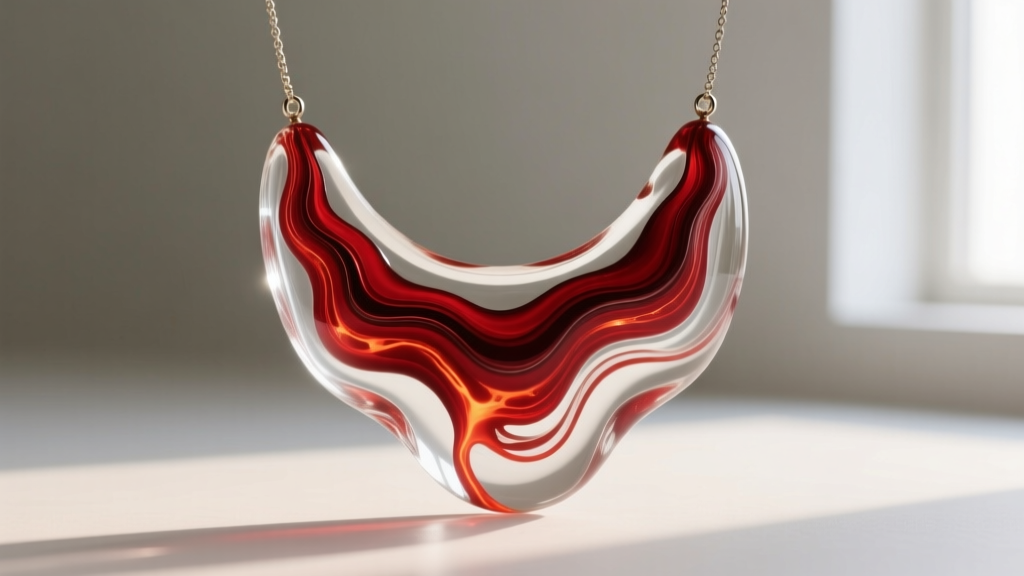
Pricing Tiers: What Should You Expect to Pay?
Care and Maintenance for Delicate Glass


