How to Choose and Style a Pause Necklace: Step-by-Step
Learn how to choose, style, and care for a meaningful pause necklace. Our step-by-step guide covers materials, chain lengths, and layering techniques.

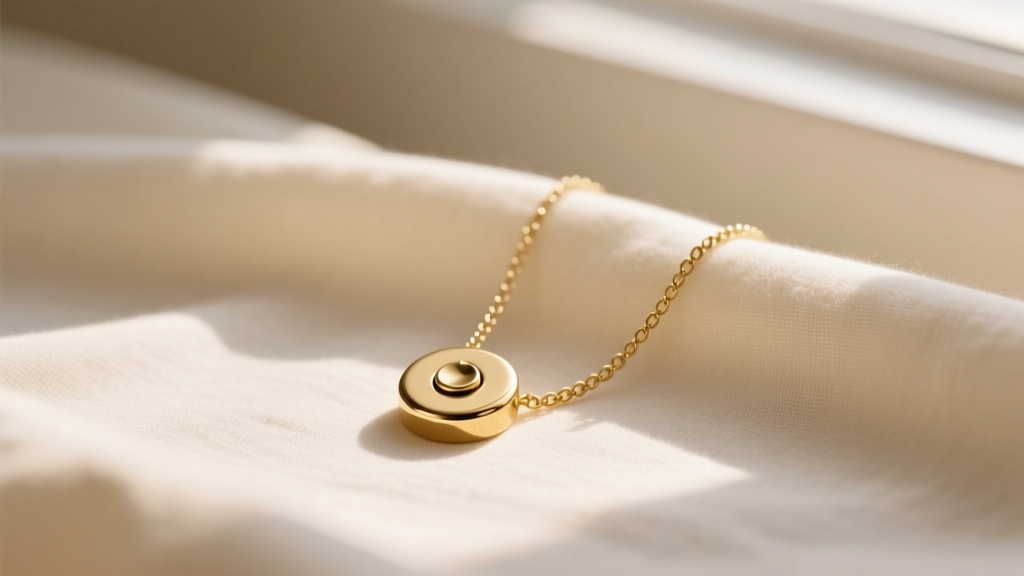
The Symbolism and Rise of the Pause Pendant
In the lexicon of modern symbolic jewelry, the pause necklace holds a deeply personal and universally resonant meaning. Featuring the universal media pause symbol (⏸), this pendant serves as a tactile reminder to practice mindfulness, prioritize mental health, or simply take a breath in a fast-paced world. Unlike purely decorative motifs, the pause button carries an actionable psychological weight, making it a staple in the 'meaningful jewelry' movement that has dominated artisan markets and boutique collections.
However, styling a piece with such specific geometric lines and profound personal significance requires more than just throwing it on a chain. The sharp vertical lines and negative space of the pause symbol demand careful consideration regarding metal grade, chain gauge, and layering proportions. This comprehensive, step-by-step guide will walk you through the exact specifications needed to select, style, and maintain a pause necklace that perfectly balances aesthetic elegance with symbolic depth.
Step 1: Selecting the Right Metal and Material Grade
The foundation of any enduring pendant is its metallurgy. Because the pause symbol relies heavily on clean, geometric lines, the metal must be capable of holding a crisp edge without warping or excessive scratching. According to the Federal Trade Commission (FTC) Jewelry Guides, understanding metal hallmarks is critical to ensuring you are purchasing the exact alloy you expect. Here is a breakdown of the best materials for a pause pendant:
| Material | Grade/Stamp | Pros | Cons | Avg. Price Range |
|---|---|---|---|---|
| Sterling Silver | 925 | Affordable, bright luster, easy to polish | Prone to tarnish, softer edges over time | $40 - $90 |
| Solid Gold | 14k (585) | Durable, hypoallergenic, retains crisp lines | Higher upfront cost | $250 - $600 |
| Surgical Steel | 316L | Tarnish-free, highly scratch-resistant | Heavier, may contain trace nickel | $20 - $50 |
| Titanium | Grade 5 (Ti-6Al-4V) | Ultra-lightweight, 100% biocompatible | Difficult to resize or repair if bent | $60 - $150 |
For those with sensitive skin, the American Contact Dermatitis Society recommends avoiding cheap base metals and opting for 14k solid gold or Grade 5 titanium, as the nickel content in some lower-grade steels can cause contact dermatitis where the pendant rests against the sternum.
Step 2: Choosing the Ideal Chain Gauge and Bail Size
A common mistake when styling geometric pendants is pairing them with a chain that visually overpowers the design. The pause symbol is typically compact, measuring between 10mm and 15mm in width. To maintain visual harmony, the chain gauge (thickness) must be proportionate.
The Proportion Rule
- 1.0mm to 1.2mm Cable or Box Chain: This is the sweet spot for a standard 12mm pause pendant. A delicate box chain provides a modern, architectural backdrop that complements the straight lines of the pause symbol without competing for attention.
- 1.5mm to 2.0mm Rope or Curb Chain: Only use these thicker chains if your pause pendant is oversized (20mm+) or features a heavy, three-dimensional cast design. Otherwise, the chain will dwarf the pendant.
Equally important is the bail size (the loop that connects the pendant to the chain). Ensure the inner diameter of the bail is at least 1mm larger than the thickness of your chosen chain. A 1.2mm box chain requires a bail with an inner diameter of no less than 2.5mm to allow the pendant to drape flatly and slide smoothly when you adjust it.
Step 3: Mastering the Layering Technique
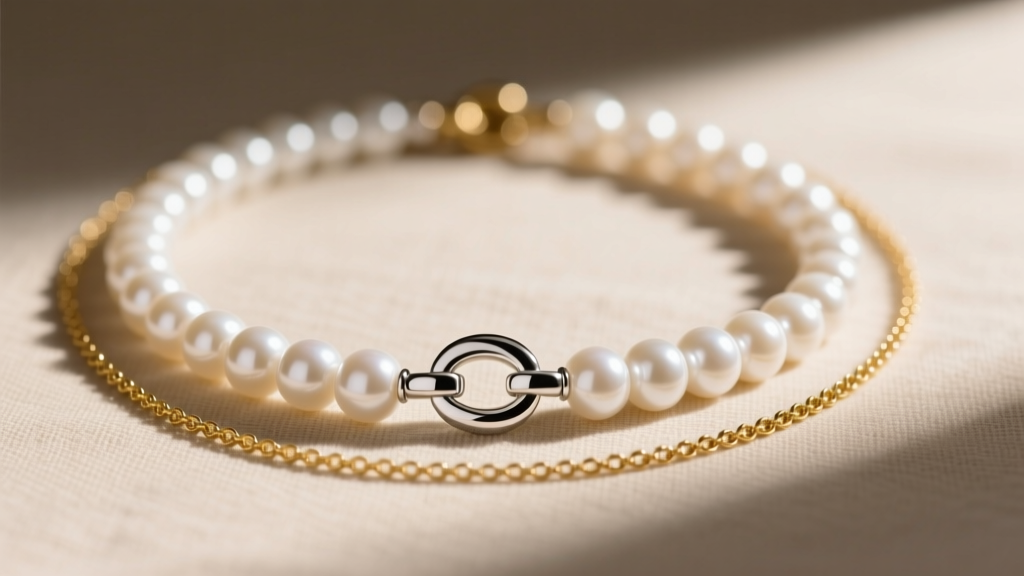
The pause necklace is an exceptional anchor piece for a layered necklace stack, but its symbolic nature means it should never be buried or hidden. To style it effectively, employ the 'Rule of Thirds' and the '2-Inch Drop' technique.
The 2-Inch Drop Technique
Your pause pendant should always sit at least two inches below the next shortest chain in your stack. For example, if you are wearing a 14-inch choker, your pause necklace should be set on an 18-inch chain. This negative space ensures the eye is naturally drawn down to the pause symbol, allowing it to serve as the focal point of the arrangement.
Texture Contrast
Because the pause symbol is highly structured and metallic, pair it with organic textures to create a balanced, curated look. Consider layering your 18-inch gold pause necklace with:
- A 14-inch freshwater pearl choker (adds organic softness).
- A 22-inch matte onyx bead strand (adds depth and a bohemian edge).
- A 16-inch delicate satellite chain with tiny diamond stations (adds subtle sparkle without geometric clutter).
Step 4: Troubleshooting Pendant Flipping
One of the most frequent frustrations with lightweight, flat pendants like the pause symbol is 'pendant flipping'—where the necklace twists, leaving the back of the pendant facing outward. This occurs when the center of gravity is misaligned, or the chain is too rigid.
Expert Fixes for Flipping:
- Switch to a Sliding Bail: Instead of a fixed soldered loop, use a pendant with a sliding tube bail. This allows the chain to move independently of the pendant, reducing torque.
- Use a Pliable Chain: Box chains are prone to holding twists. Swap your box chain for a 1.0mm cable chain or a serpentine chain, which drape more fluidly and naturally correct minor twists throughout the day.
- The Counterweight Method: If your chain has a lobster clasp at the back of the neck, ensure the clasp itself is lightweight. A heavy, oversized clasp will constantly pull the chain backward, forcing the lightweight pause pendant to flip forward. Opt for a small 5mm spring ring clasp instead.

Step 5: Daily Care for Enamel and Cutout Designs
Pause pendants generally come in two styles: solid metal cutouts (where the negative space forms the symbol) or enamel-filled designs (where the pause lines are filled with black, white, or colored enamel). The care regimen differs vastly between the two.
Caring for Enamel-Filled Pendants
Enamel is essentially fused glass. While durable, it is susceptible to thermal shock and harsh chemicals. The Gemological Institute of America (GIA) strongly advises against using ultrasonic jewelry cleaners on any piece featuring enamel, as the high-frequency vibrations can cause the glass to fracture or separate from the metal backing. Instead, clean enamel pause pendants using a solution of warm water and a few drops of mild, phosphate-free dish soap. Gently agitate with a soft-bristled baby toothbrush, rinse in lukewarm water, and pat dry with a microfiber cloth.
Caring for Metal Cutout Pendants
Solid metal cutouts are much hardier. For 925 sterling silver cutouts, regular polishing with a treated jeweler's cloth will remove oxidation from the tight inner corners of the pause symbol. For 14k gold, a simple soak in warm soapy water followed by a gentle brush will restore the metal's natural luster without the need for abrasive polishing compounds that could round off the sharp geometric edges of the design.
"Jewelry is a talisman. When you wear a symbol that reminds you to pause, breathe, and ground yourself, the physical act of touching that pendant becomes a micro-habit of mindfulness."
Final Thoughts on Sourcing
When sourcing your pause necklace, look beyond mass-market fast-fashion jewelers. The crispness of the laser-cutting or the precision of the CAD-casting is what elevates a pause pendant from a cheap trinket to a refined piece of fine jewelry. Seek out independent artisans on platforms like Etsy who specialize in mental health awareness jewelry, or boutique designers who offer customizable chain lengths and ethically sourced recycled metals. By carefully selecting the right gauge, mastering the layering proportions, and maintaining the piece with proper care, your pause necklace will serve as both a stunning stylistic anchor and a lifelong reminder to appreciate the present moment.


