Expert Care Guide for Your Statement Collar Necklace
Learn how to properly clean, store, and maintain your statement collar necklace to prevent tarnish, metal fatigue, and gemstone damage.

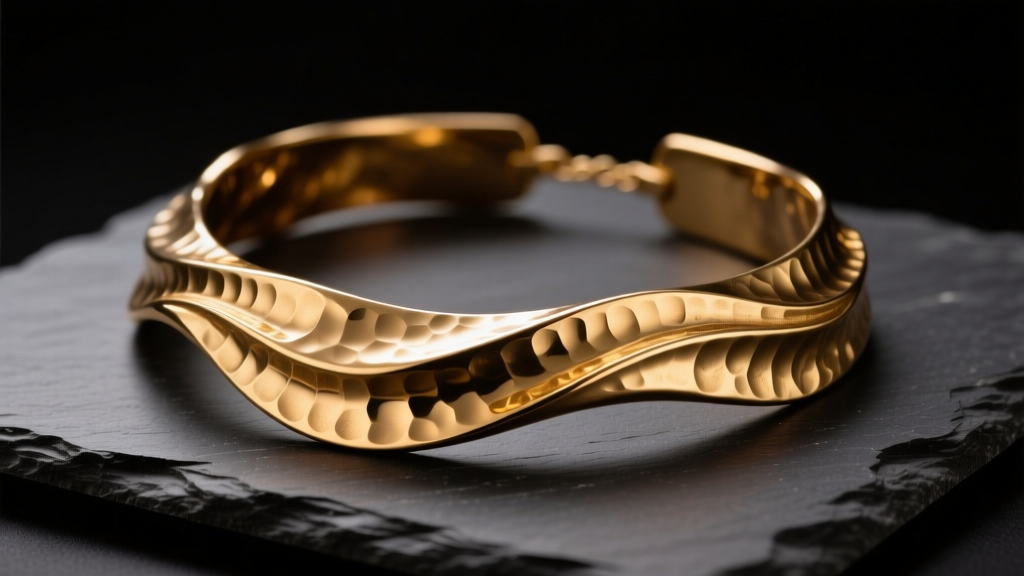
The Unique Vulnerability of Rigid Collars
Unlike fluid chain necklaces that drape and move with the body, a statement collar necklace is an architectural marvel. Designed to sit rigidly against the clavicle and base of the throat, these pieces demand specialized maintenance. The structural rigidity that gives collars their striking silhouette also makes them highly susceptible to gravity-induced warping, hinge fatigue, and accelerated chemical degradation from skin contact. Because a collar rests flush against a high-sweat, high-friction zone of the body, it is constantly exposed to sebum, urea, lactic acid, and cosmetic residues. Over time, this micro-environment accelerates oxidation and compromises structural integrity.
Material-Specific Cleaning Protocols
Before applying any cleaning agent, you must identify the base metal and surface treatments. Using the wrong solvent on a statement collar can strip plating, cloud resins, or dissolve the epoxy holding pavé stones in place.
Heavy Plated Brass and Copper Bases
Many bold, sculptural collars are crafted from brass or copper to keep the weight manageable while maintaining a luxurious appearance. These base metals are highly reactive to the acidic pH of human sweat. When cleaning, avoid ammonia-based solutions, which can cause galvanic corrosion and strip the protective polyurethane topcoats often applied to fashion jewelry. Instead, use a pH-neutral, non-phosphate dish soap diluted in distilled water. Agitate gently with a soft-bristled goat-hair brush, paying special attention to the inner curve where skin oils accumulate.
Solid Sterling Silver and Gold Vermeil
For 925 sterling silver collars, tarnish (silver sulfide) is the primary enemy. While the aluminum foil and baking soda electrochemical bath is popular, it is strictly prohibited for collars featuring glued gemstones or oxidized (blackened) detailing, as it will strip the intentional patina and dissolve adhesives. Use a dedicated silver polish like Goddard's Silver Polish applied with a microfiber cloth. For gold vermeil—which by industry standards must feature at least 2.5 microns of gold over sterling silver—never use ultrasonic cleaners. The high-frequency cavitation will blister and peel the gold layer, exposing the silver beneath.
Mixed Media: Enamel, Resin, and Acrylic
Contemporary statement collars frequently incorporate cold enamel, acrylic, or epoxy resins. Solvents like acetone, rubbing alcohol, or commercial jewelry dips will instantly cloud acrylic and melt resin binders. Clean these hybrid pieces using only a damp, lint-free cloth. For stubborn grime in the crevices of enamel work, use a wooden toothpick to gently dislodge debris without scratching the vitreous surface.
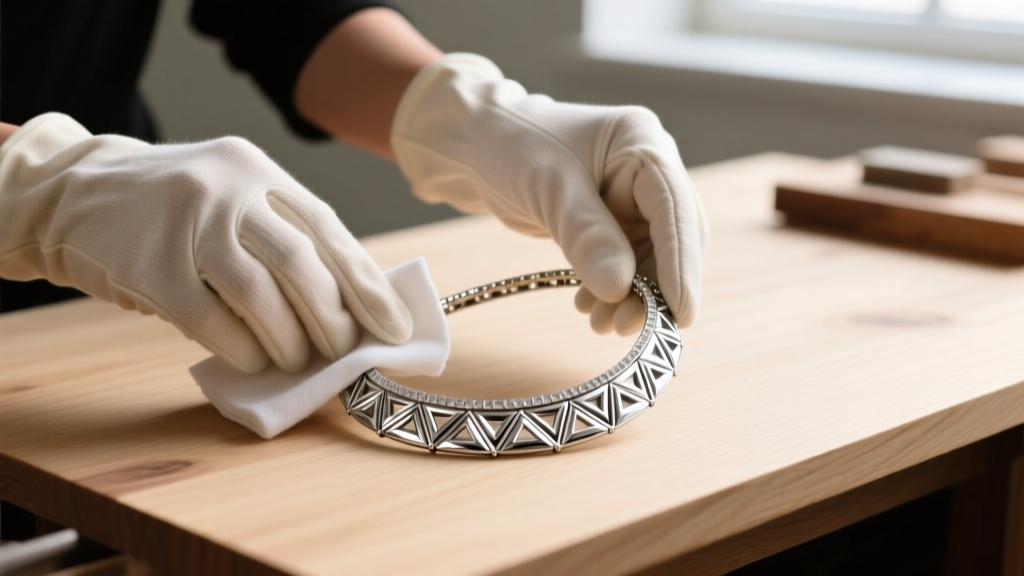
Step-by-Step Deep Cleaning Framework
For a thorough, safe cleaning of a metal-only or securely prong-set stone collar, follow this professional framework:
- Step 1: Dry Agitation. Before introducing moisture, use a soft, dry brush to remove loose dust, dead skin cells, and cosmetic powders from the links and clasp mechanisms.
- Step 2: Targeted Surfactant Wash. Mix three drops of mild, lotion-free dish soap into a bowl of lukewarm distilled water. Submerge only the metal portions of the collar. If the piece contains porous stones like turquoise, lapis lazuli, or malachite (which rank below 6 on the Mohs hardness scale), do not submerge; instead, use a damp cloth to wipe around the settings.
- Step 3: Crevices and Hinges. Use a silicone-tipped dental pick or a soft cotton swab to clean the tight spaces around the collar's hinges and clasp.
- Step 4: Controlled Drying. Rinse with distilled water to prevent mineral spotting. Immediately pat dry with a microfiber cloth, then use a hair dryer on the 'cool' setting to blast moisture out of the hinge barrels and clasp springs. Trapped moisture in these mechanical areas leads to internal rust and seizing.
Cleaning Agents vs. Material Compatibility Matrix
| Collar Material | Safe Cleaning Agents | Agents to Avoid | Primary Failure Mode |
|---|---|---|---|
| 925 Sterling Silver | Polishing cloths, mild soap, specialized silver pastes | Chlorine, bleach, toothpaste | Micro-scratching, irreversible oxidation |
| Gold Vermeil (2.5μm+) | Mild soap, lukewarm water, microfiber | Ultrasonic cleaners, ammonia, dips | Gold layer delamination and blistering |
| Plated Brass/Copper | pH-neutral soap, distilled water | Acids (lemon/vinegar), ammonia | Stripping of protective topcoats, pitting |
| Cold Enamel / Resin | Damp microfiber cloth, wooden picks | Alcohol, acetone, ultrasonic | Clouding, melting, adhesive failure |
Structural Maintenance: Hinges and Clasps
The most critical point of failure on any statement collar necklace is the hinge mechanism. Because rigid collars must open wide enough to pass over the head or jawline, the hinges endure immense mechanical stress. Over time, friction causes micro-abrasions inside the hinge barrels, leading to stiffness or, eventually, stress fractures.
To maintain smooth articulation, apply a microscopic drop of synthetic watch oil (such as Moebius 9010) to the hinge pins using a fine needle. Wipe away any excess immediately to prevent oil from migrating onto gemstones or attracting dust. Additionally, inspect the clasp mechanism. Collars often utilize box clasps with safety latches or heavy-duty lobster clasps. If a lobster clasp loses its spring tension, it must be replaced by a jeweler; attempting to bend the spring back into place will result in metal fatigue and sudden snapping.
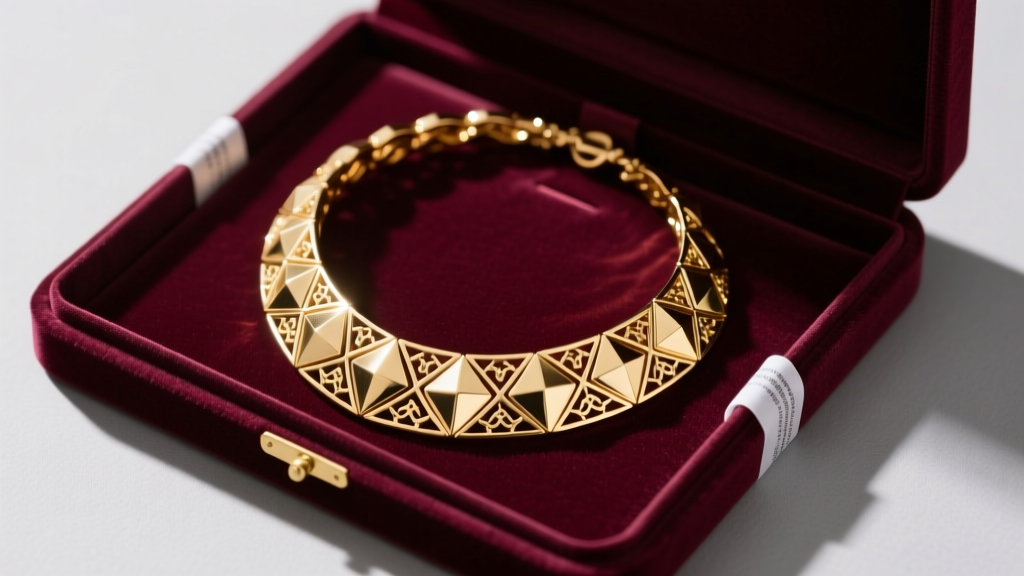
Archival Storage Solutions for Rigid Collars
Gravity is the enemy of rigid jewelry. Never hang a statement collar necklace on a standard jewelry arbor or hook. Hanging places continuous tensile stress on the anterior curve and the hinges, which will eventually cause the metal to warp and the collar to lose its anatomical contour. According to guidelines from the Smithsonian Museum Conservation Institute, heavy or rigid metal objects should be stored flat to prevent gravity-induced deformation.
Store your collars flat in a shallow, velvet-lined drawer or archival box. Line the storage compartment with acid-free tissue paper to prevent abrasion. To combat atmospheric tarnishing, place 3M anti-tarnish strips inside the box. These strips absorb hydrogen sulfide and other corrosive gases from the air, protecting the metal for up to 12 months. Ensure the collar is completely dry and free of skin oils before sealing it in storage, as trapping acidic residues against the metal will cause rapid localized corrosion.
Troubleshooting Common Collar Failures
The 'Green Neck' Reaction: If your collar leaves a green or black mark on your skin, it is not a sign of poor hygiene, but rather a chemical reaction between the copper content in the base metal and your skin's acidity. To prevent this, you can apply a micro-thin layer of clear polyurethane jewelry sealant to the inner curve of the collar. This creates an invisible, biocompatible barrier that prevents galvanic corrosion without altering the piece's appearance.
Loose Pavé or Channel Stones: Rigid collars do not flex, meaning any impact or dropping of the piece transfers shockwaves directly to the stone settings. If you notice a rattling sound or a loose stone, cease wearing the piece immediately. Do not attempt to push the prongs back down yourself, as this can crack the stone. Take it to a professional bench jeweler who can tighten the settings using a microscope.
For more comprehensive guidelines on caring for specific gemstones often featured in high-end collars, consult the Gemological Institute of America (GIA). Proper maintenance ensures your statement collar remains a structurally sound and visually stunning centerpiece for decades.


