Hermione Granger Necklace Care: Cleaning Time-Turner Replicas
Learn expert care, cleaning, and storage tips for your Hermione Granger necklace replica to prevent tarnish, plating loss, and glass damage.

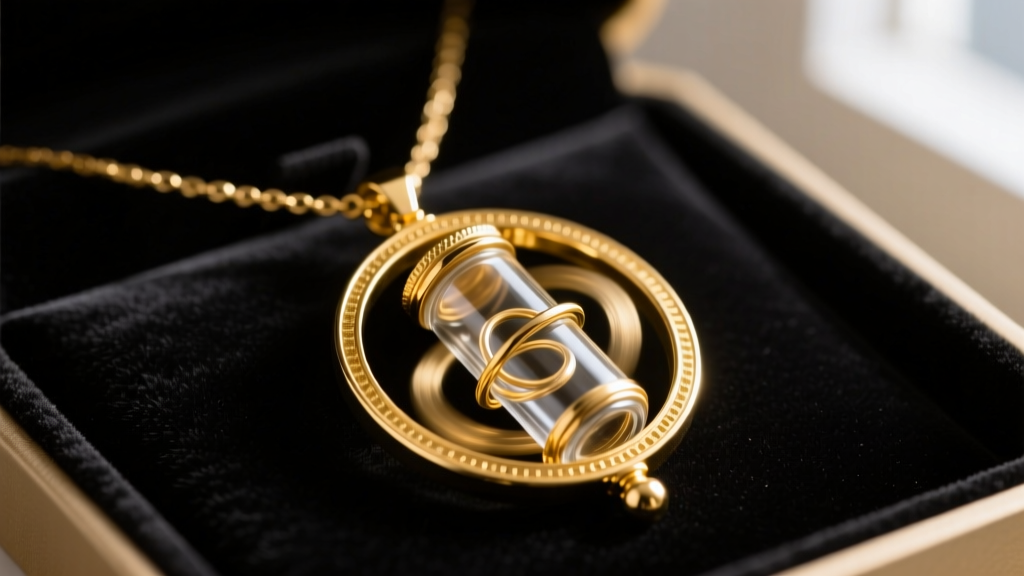
The Anatomy of a Cinematic Replica
The Hermione Granger necklace, universally recognized by fans as the iconic Time-Turner from Harry Potter and the Prisoner of Azkaban, is a masterpiece of fictional horology. However, translating this magical artifact into a wearable piece of jewelry introduces unique material challenges. Whether you own an official Warner Bros. die-cast replica or a high-end artisan custom piece, maintaining its structural integrity and aesthetic brilliance requires specialized knowledge. Unlike standard gemstone pendants, a Time-Turner replica incorporates moving concentric metal rings, delicate glass vials, and often simulated 'sand' made from colored resin or crushed glass. Understanding the specific material composition of your necklace is the first critical step in establishing a proper care regimen.
Official Merchandise vs. Artisan Customs
Official licensed replicas are typically manufactured using a zinc alloy substrate with a thin layer of gold flash plating. While visually accurate, flash plating is usually less than 0.5 microns thick, making it highly susceptible to friction wear and chemical degradation. Conversely, independent jewelers and metalsmiths often craft custom Hermione Granger necklaces using 925 sterling silver, solid brass, or 14k gold vermeil. Solid brass offers excellent weight and durability but is prone to oxidation, developing a dark patina (verdigris) when exposed to the sulfur and moisture present in human sweat and ambient air. Identifying your necklace's base metal will dictate the exact cleaning agents you can safely use.
The Chemistry of Tarnish and Plating Loss
Before applying any cleaning solution, it is vital to understand the chemistry of jewelry degradation. According to the Library of Congress guidelines on metal preservation, copper-based alloys like brass and bronze react rapidly with atmospheric sulfur compounds. This reaction forms copper sulfide, which manifests as a dark, dull film on the surface of your pendant. For gold-plated zinc alloys, the primary enemy is not tarnish, but rather galvanic corrosion and mechanical abrasion. The friction caused by the spinning rings of the Time-Turner can quickly wear away the microscopic gold layer, exposing the dull gray zinc beneath. Once the substrate is exposed, it cannot be polished back to gold; it must be professionally re-plated.
Step-by-Step Cleaning Protocol
Cleaning a complex, multi-material pendant requires a gentle, methodical approach. Never use abrasive pastes or stiff brushes, as these will permanently scratch both the metal and the glass vial.
- Initial Dusting: Use a clean, dry microfiber cloth to gently wipe away surface oils and loose dust. Pay special attention to the inner axles of the spinning rings where skin cells and lint accumulate.
- Prepare a Mild Surfactant Solution: Mix three drops of pH-neutral dish soap (such as original blue Dawn) into a bowl of lukewarm distilled water. Avoid tap water, as the dissolved minerals and chlorine can leave microscopic water spots on the glass vial.
- Targeted Agitation: Dip an extra-soft baby toothbrush into the solution. Gently brush the metal rings and the chain. Critical Warning: Avoid scrubbing the glass vial directly if it is sealed with a cork or organic adhesive, as prolonged moisture exposure can compromise the seal and cause water ingress, which will ruin the internal 'sand'.
- Rinsing: Quickly rinse the pendant under a gentle stream of distilled water. Do not let it soak.
- Drying: Pat dry immediately with a lint-free microfiber cloth. Use a can of compressed air to blow out any trapped moisture from the hinges and ring axles.
Cleaning Agents: Safe vs. Destructive
The internet is rife with DIY jewelry cleaning hacks, many of which are highly destructive to replica jewelry. The Gemological Institute of America (GIA) explicitly warns against using ultrasonic cleaners on jewelry containing fragile components, glass, or organic adhesives. The high-frequency vibrations will easily shatter the Time-Turner's central glass vial.
| Cleaning Agent / Method | Verdict | Scientific Reason |
|---|---|---|
| Ultrasonic Cleaners | AVOID | High-frequency cavitation shatters glass vials and loosens resin adhesives. |
| Baking Soda Paste | AVOID | Highly abrasive; strips gold flash plating and scratches glass surfaces. |
| Ammonia / Silver Dip | AVOID | Causes rapid chemical oxidation of brass and degrades zinc alloy substrates. |
| Toothpaste | AVOID | Contains silica abrasives that leave micro-scratches on polished metal. |
| Distilled Water + Mild Soap | SAFE | Neutral pH lifts oils without reacting with metal alloys or glass. |
| Jeweler's Polishing Cloth | SAFE | Treated with mild anti-tarnish compounds; safe for solid brass and silver. |
Chain Maintenance and Untangling Techniques
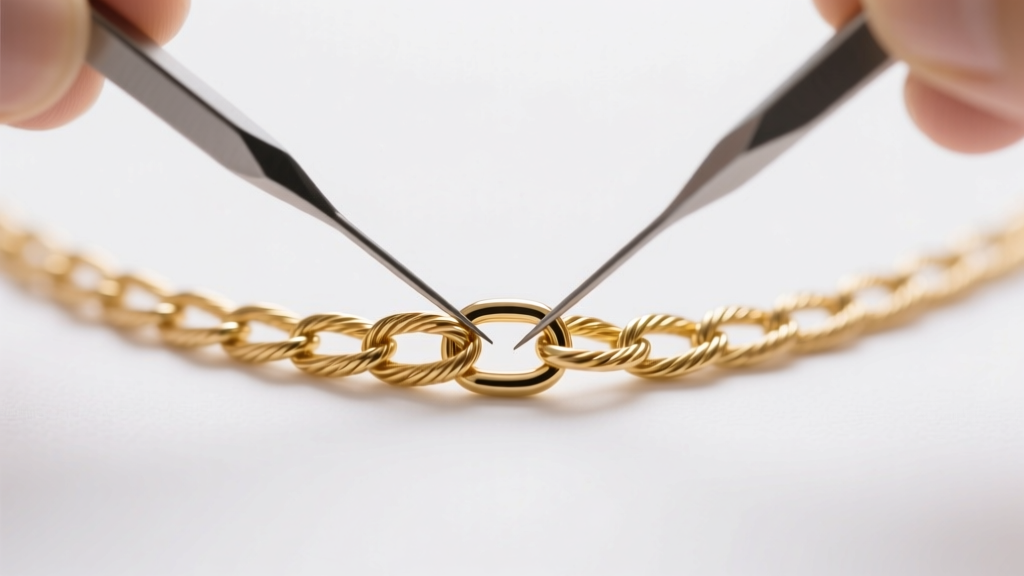
The Hermione Granger necklace typically features a long, delicate cable chain (often 24 to 28 inches) designed to hang low over robes or clothing. Long, fine-gauge chains are notoriously prone to knotting. When a knot occurs, do not pull the ends, as this will tighten the knot and potentially snap the jump rings. Instead, lay the chain flat on a smooth surface. Apply a single drop of mineral oil or baby oil directly to the knot to reduce friction. Using two fine sewing needles, gently work the center of the knot outward. Once untangled, clean the oiled section with your mild soap solution to prevent the oil from attracting dust and dirt.
Proper Storage to Prevent Tarnish and Resin Yellowing
How you store your Time-Turner replica is just as important as how you clean it. The 'sand' inside the hourglass is frequently made from UV-sensitive colored resins or dyed organic materials. Prolonged exposure to direct sunlight or harsh fluorescent lighting will cause the resin to yellow and become brittle over time. Furthermore, storing the necklace in a standard cardboard box or PVC plastic bag will accelerate tarnishing. Cardboard off-gasses acidic vapors, while PVC contains plasticizers that react with metal plating, causing it to pit and peel.
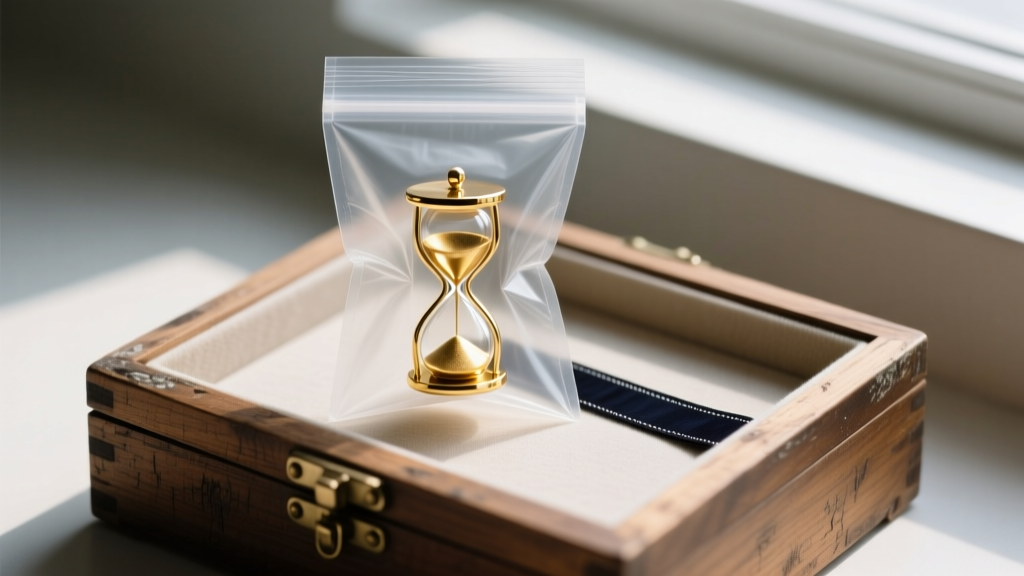
For optimal preservation, seal your necklace in an inert, archival-safe polyethylene zip bag. Place a 3M anti-tarnish strip inside the bag; these strips contain activated carbon and zinc carbonate that actively absorb atmospheric sulfur and moisture before they can reach your jewelry. Include a small silica gel desiccant packet to control humidity, especially if you live in a coastal or high-humidity environment. Store the bag flat in a dark drawer, ensuring the heavy pendant is not resting on top of the delicate chain links, which can cause permanent kinking.
Troubleshooting Common Replica Failures
- Stiff Spinning Rings: If the concentric rings of the Time-Turner become difficult to spin, dirt or oxidized metal is likely trapped in the axle. Apply a microscopic drop of synthetic watchmaker's oil (like Moebius 9010) to the hinge point using a toothpick. Spin the rings gently to distribute the oil, then wipe away any excess with a microfiber cloth.
- Cloudy Glass Vial: If the glass appears cloudy, it may be suffering from hard water mineral deposits or internal condensation. Clean the exterior with a 50/50 mix of distilled water and white vinegar. If the cloudiness is internal, the seal has failed, and the piece must be sent to a professional jeweler for vial replacement and resealing.
- Exposed Zinc Substrate: If the gold plating has worn away to reveal gray metal, stop polishing immediately. Polishing will only remove more of the surrounding plating. Take the piece to a local electroplating specialist to have it re-plated with a durable 2.5-micron layer of 14k gold.
Expert Takeaway: A well-maintained Hermione Granger necklace is a functional piece of kinetic art. By respecting the material limitations of replica jewelry and avoiding harsh, abrasive cleaning trends, you can ensure your Time-Turner remains as pristine as the day it was first spun.


