A Beginner's Guide to Choosing a Pearl Knot Necklace
Discover everything you need to know about buying, styling, and caring for a pearl knot necklace with our comprehensive beginner's guide.

What Exactly is a Pearl Knot Necklace?
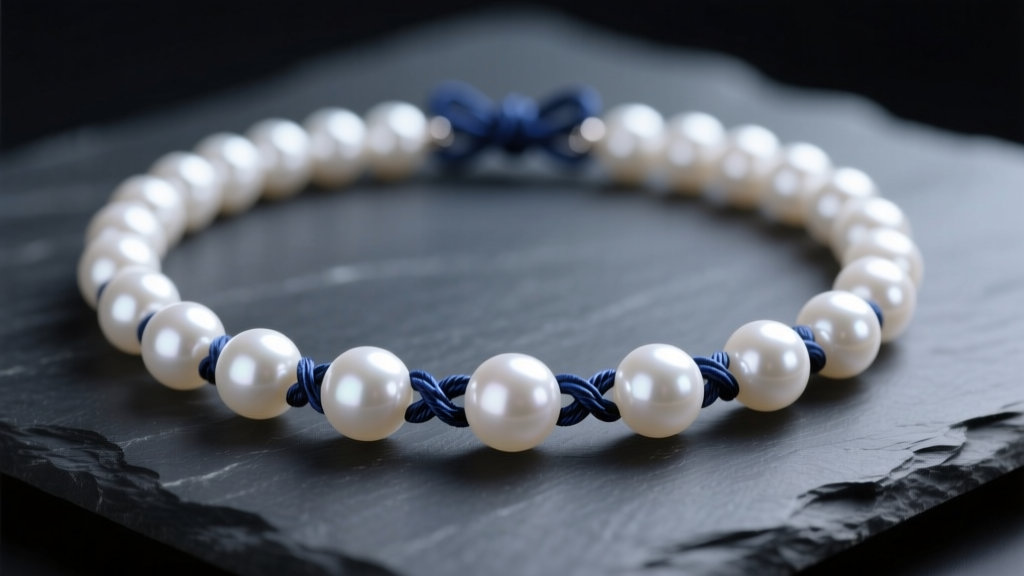
For centuries, the pearl knot necklace has reigned as a cornerstone of fine jewelry. But beyond its timeless elegance, the 'knotted' aspect of this necklace style is a masterclass in functional jewelry engineering. A true pearl knot necklace features a tiny, hand-tied knot between every single pearl on the strand. This technique is not merely decorative; it is a critical structural element that protects your investment and dictates how the necklace drapes across your collarbone. If you are stepping into the world of fine pearls for the first time, understanding the mechanics, materials, and grading behind these knots is essential before you make a purchase.
The Anatomy of a Knotted Pearl Strand
To appreciate the value of a high-quality pearl strand, you must look at what holds it together. The stringing material and the finishing techniques at the clasp are just as important as the pearls themselves.
Thread Materials: Silk vs. Synthetic
Traditionally, master stringers use 100% silk thread, with Griffin being the gold standard brand in the industry. Silk is prized for its natural flexibility, which allows the necklace to drape beautifully and conform to the shape of the neck. However, silk has a major drawback: it stretches over time and is highly susceptible to moisture and body oils, which can cause it to rot or weaken. For modern wearers, high-tenacity synthetic threads like Power Pro or specialized nylon (such as Beadalon) are increasingly popular. While slightly stiffer than silk, synthetics offer superior tensile strength and resistance to environmental degradation. When shopping, ask the jeweler specifically about the thread composition. If they are using silk, be prepared for more frequent maintenance.
The Importance of French Wire (Gimp)
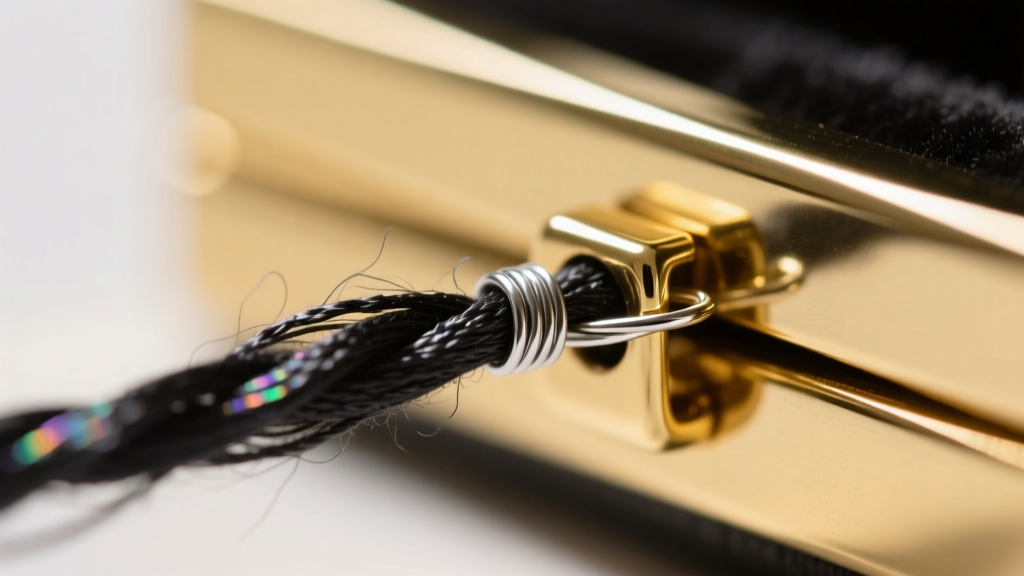
Look closely at the point where the pearls meet the metal clasp on a premium necklace. You should see a tiny, coiled metal tube protecting the thread. This is called French wire, or 'gimp.' The metal clasp acts like a tiny saw against the delicate stringing thread; without French wire to absorb the friction, the thread will fray and snap prematurely. Never buy a high-end pearl necklace that lacks this crucial protective finishing detail.
Pearl Types, Sizing, and Pricing Matrix
The pearls themselves are the stars of the show. The Gemological Institute of America (GIA) evaluates pearls based on size, shape, color, luster, surface quality, and nacre thickness. Below is a breakdown of the most common pearl types used in knotted necklaces, along with their standard sizing and current market pricing for a classic 18-inch princess strand.
| Pearl Type | Standard Size Range | Luster & Nacre Profile | Approx. Price Range (18-inch) |
|---|---|---|---|
| Freshwater | 6.0mm - 9.0mm | Soft to high luster; solid nacre (no bead nucleus) | $100 - $600 |
| Akoya (Saltwater) | 6.0mm - 9.5mm | Mirror-like luster; nacre should be at least 0.4mm thick | $400 - $2,500+ |
| White South Sea | 9.0mm - 14.0mm | Satin-like luster; extremely thick nacre | $3,000 - $15,000+ |
| Tahitian (Dark) | 8.0mm - 13.0mm | Metallic, peacock overtones; thick nacre | $1,500 - $10,000+ |
For beginners, an 7.0mm to 7.5mm Akoya strand offers the perfect balance of brilliant luster, classic proportions, and accessible pricing. Freshwater pearls are an excellent budget-friendly alternative, though their luster tends to be softer and less 'mirror-like' than Akoya.
Why Knotting Matters: Protection and Drape
Why go through the painstaking process of tying hundreds of microscopic knots? There are three primary reasons:
- Loss Prevention: If the thread snaps while you are wearing an unknotted strand, all the pearls will scatter and likely be lost forever. With a knotted strand, a break will only result in the loss of the single pearl nearest to the break.
- Friction Reduction: Pearls are relatively soft organic gems (ranking 2.5 to 3.0 on the Mohs scale). If they constantly rub against one another, the nacre will wear away over time, dulling their luster and damaging the drill holes. Knots act as protective bumpers.
- Superior Drape: Knots introduce micro-hinges into the strand. This added flexibility allows the necklace to curve smoothly around the neck rather than jutting out awkwardly or kinking.
Choosing the Right Length and Clasp Mechanism
The length of your pearl knot necklace drastically changes its formality and styling potential. Here is the standard industry sizing guide:
- Collar (10-13 inches): Sits tightly against the throat. Highly formal, often worn in multiple strands.
- Choker (14-16 inches): Rests at the base of the neck. Versatile and modern.
- Princess (17-19 inches): Falls just below the collarbone. The most popular and universally flattering length.
- Matinee (20-24 inches): Falls to the top of the bust. Excellent for business attire and layering.
- Opera (28-36 inches): Falls below the bust. Can be doubled up for a layered choker effect.
Clasp Types Explained
The clasp is the weakest mechanical point on any necklace. For pearl strands, you will typically encounter three types. The fishhook clasp is traditional and highly secure, but it requires significant dexterity to fasten behind your neck. The lobster clasp is easy to use but can look cheap and disproportionate on a fine pearl strand. The box clasp with a safety catch is the ultimate choice for beginners; it snaps together easily, looks elegant, and features a secondary wire safety that prevents total loss if the primary mechanism fails.
Modern Styling Techniques for Pearl Knot Necklaces
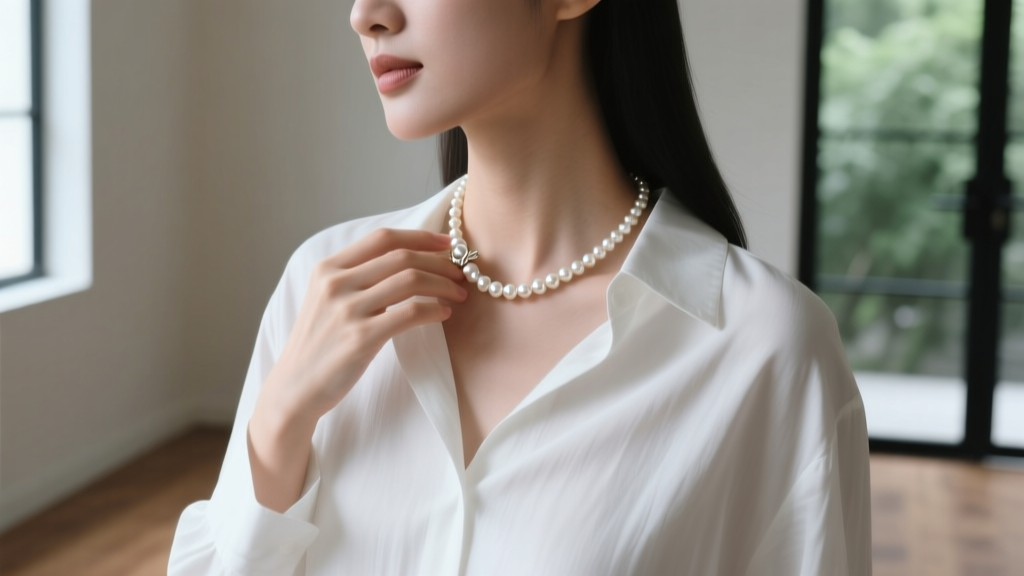
The days of relegating pearl strands to overly formal, conservative outfits are over. In 2026, the pearl knot necklace is a staple of modern, relaxed luxury. To style yours like a contemporary fashion insider, try these techniques:
- The High-Low Mix: Pair a classic 18-inch white Akoya strand with a casual, oversized vintage graphic tee and a tailored blazer. The contrast between the formal pearls and casual cotton creates a striking visual tension.
- Asymmetrical Layering: Layer your pearl strand with a delicate, uneven 14k gold paperclip chain. The mix of organic pearl nacre and structured geometric gold is currently dominating trend forecasts.
- The Hardware Clash: Don't be afraid to mix metals. If your pearls have a white gold clasp, layer them with yellow or rose gold pendants. The old rule of matching all your metals is officially dead.
Essential Care, Maintenance, and Restringing
Pearls are organic and highly sensitive to chemicals. The American Gem Trade Association (AGTA) strictly advises against using ultrasonic cleaners, steam cleaners, or harsh commercial jewelry dips on pearls, as these will strip the nacre and destroy the luster.
Expert Rule of Thumb: Always put your pearls on 'last and take them off first.' Apply your perfumes, hairsprays, and lotions before putting on your necklace, and wipe the pearls gently with a soft, damp microfiber cloth before storing them to remove acidic body oils.
Because stringing materials degrade, a pearl knot necklace is not a 'buy it and forget it' item. If you wear your necklace frequently (once a week or more), it should be professionally restrung every 12 to 18 months. If worn only on special occasions, a restringing every 3 to 5 years is sufficient. Always take your pearls to a certified bench jeweler who specializes in hand-knotting; machine-knotting or glue-based methods are unacceptable for fine jewelry.
Final Thoughts on Your First Purchase
Investing in a pearl knot necklace is about buying a piece of functional art. By paying close attention to the thread material, ensuring the presence of French wire gimp, selecting the right pearl grade for your budget, and committing to proper maintenance, your necklace will easily become a lifelong wardrobe staple. Take your time, buy from reputable jewelers who provide detailed grading reports, and enjoy the process of owning one of history's most enduring jewelry designs.


