Twisted Necklace Trends 2026: Styling & Material Guide
Discover 2026 twisted necklace trends, from demi-fine wire wraps to solid gold ropes. Expert styling tips, material grades, and layering frameworks.

The Resurgence of the Twisted Necklace in 2026
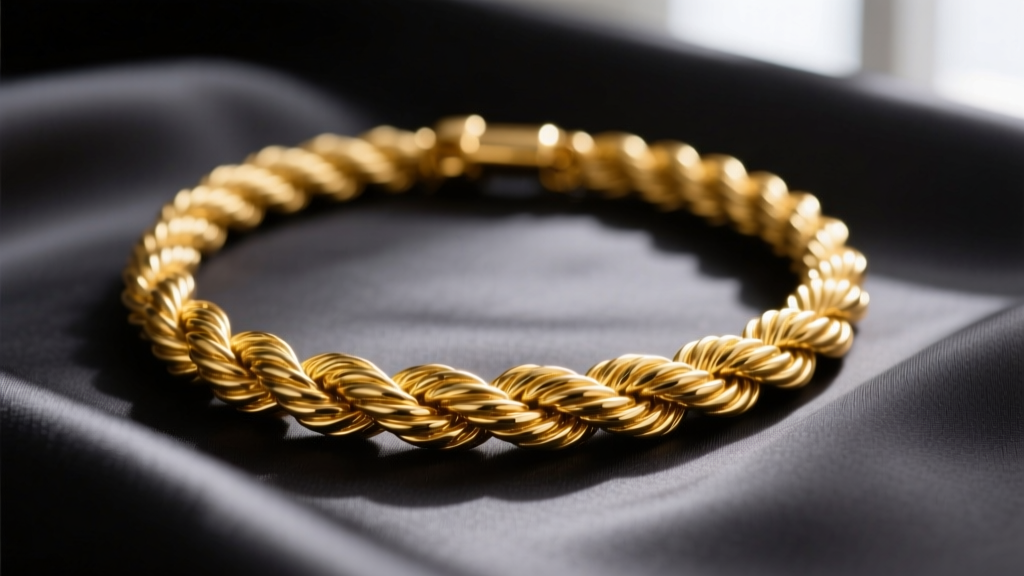
The twisted necklace has transcended its bohemian roots to become a cornerstone of contemporary fine and demi-fine jewelry. In 2026, we are seeing a massive pivot away from delicate, easily tangled chains toward architectural, heavyweight twisted silhouettes. Whether crafted from meticulously wound wire or solid extruded rope links, the twisted necklace offers unparalleled light refraction and structural presence. However, the unique geometry of a twisted profile introduces specific challenges in metallurgy, layering physics, and clasp durability. This guide deconstructs the modern twisted necklace, offering actionable frameworks for styling, material selection, and long-term maintenance.
Anatomy of a Twist: Wire-Wrapped vs. Rope Chain
To understand the market, one must distinguish between the two primary manufacturing techniques that define the twisted necklace category. According to fabrication standards outlined by Rio Grande, the structural integrity of a twist depends entirely on its base formation.
Wire-Wrapped and Mandrel-Twisted
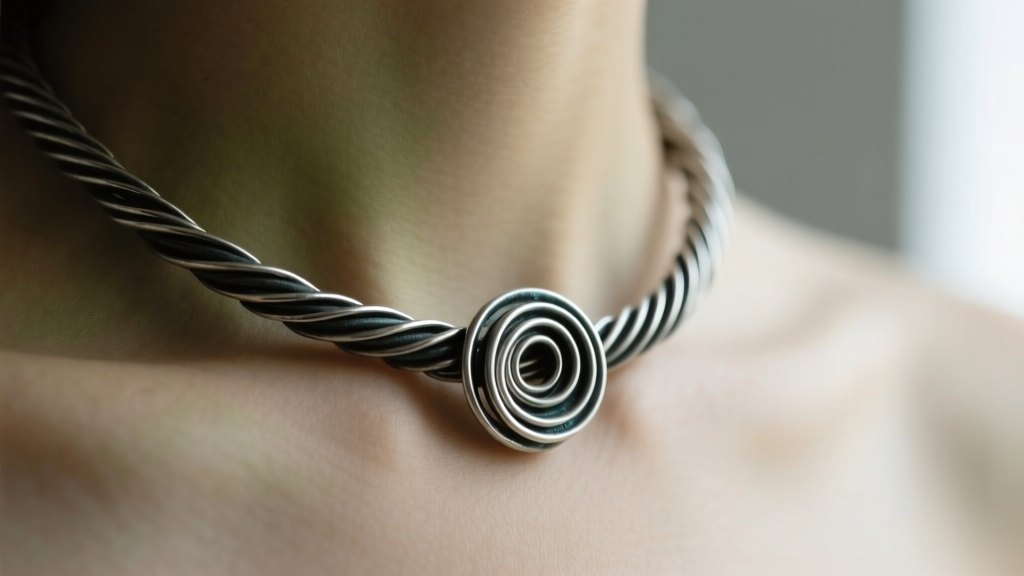
Wire-wrapped twisted necklaces are created by coiling precious metal wire (typically 18 to 22-gauge) around a steel mandrel, then twisting the resulting coil. This creates a high-tension, spring-like structure. While visually striking, these pieces are prone to permanent deformation if stretched. 925 sterling silver is the most common material here, but its high copper content (7.5%) makes the deep crevices of a wire twist highly susceptible to localized oxidation and tarnishing.
Solid Rope and Extruded Twists
Conversely, the solid rope chain is constructed by linking individual metal rings or extruding a solid bar of gold or platinum and machining a spiral groove into it. The Gemological Institute of America (GIA) notes that solid 14k and 18k gold rope chains offer superior tensile strength. A 4mm solid 14k gold twisted rope chain can withstand over 40 pounds of tensile force, making it an ideal anchor for heavy gemstone pendants.
2026 Market Trends: The Heavyweight Demi-Fine Shift
The 2026 market is dominated by the "heavyweight demi-fine" movement. Consumers are rejecting ultra-thin 1mm chains in favor of 3mm to 6mm twisted profiles that offer the visual weight of solid gold at accessible price points, primarily utilizing gold vermeil over brass or thick gold-filled wire.
| Twisted Style | Primary Material | Avg. Thickness | Price Range (USD) | Durability Score |
|---|---|---|---|---|
| Micro Wire Twist | 18k Gold Vermeil | 1.2mm - 1.5mm | $85 - $140 | Low (Prone to kinking) |
| Heavy Rope Chain | Solid 14k Yellow Gold | 4.0mm - 6.0mm | $1,200 - $3,500 | High (Tensile strength) |
| Oxidized Wire Coil | 925 Sterling Silver | 3.0mm - 5.0mm | $150 - $350 | Medium (Tarnish risk) |
| Hollow Tube Twist | 14k Gold Plated Brass | 8.0mm - 12.0mm | $95 - $220 | Low (Denting risk) |
Expert Insight: Avoid hollow tube twists for everyday wear. While they provide a massive 10mm visual footprint for under $200, the thin exterior walls of electroformed or hollow-cast brass are highly susceptible to crushing under the pressure of a heavy winter coat or an accidental snag.
Neckline Pairing Matrix for Twisted Silhouettes
The high-friction, light-catching nature of a twisted necklace demands strategic neckline pairing. The spiral geometry creates a visual "noise" that can clash with busy patterns. Here is the 2026 styling matrix:
- The Structured Blazer (Deep V): Pair a 4mm solid gold twisted rope chain (18-inch length) resting exactly one inch below the lapel break. The organic twist contrasts sharply with the rigid tailoring.
- The Ribbed Turtleneck: Opt for a 22-inch, multi-strand twisted wire lariat. The matte texture of ribbed knitwear absorbs light, allowing the reflective facets of the twisted metal to become the focal point.
- The Asymmetric Halter: Avoid twisted chokers here. The competing diagonal lines of the halter and the spiral twist create visual dissonance. Instead, use a long (24-inch) single twisted pendant chain to elongate the torso.

Layering Frameworks: Managing Tension and Friction
Layering twisted necklaces is notoriously difficult due to the high coefficient of friction inherent in spiral geometries. When two twisted chains overlap, the grooves interlock, leading to severe tangling and micro-abrasions on the metal surface.
The 3-Inch Separation Rule
To successfully layer twisted profiles, you must enforce a strict minimum 3-inch length differential between chains. A 16-inch choker twist paired with a 19-inch rope twist will inevitably knot. Instead, pair a 16-inch wire twist with a 22-inch heavy rope chain. This ensures the heavier chain swings freely beneath the lighter one without physical overlap.
Clasp Selection and Failure Points
Standard lobster clasps are a primary failure point for twisted necklaces. The open lever of the clasp frequently catches in the spiral grooves of the chain itself, causing frustration and bending the lever. For any twisted necklace over 3mm in thickness, demand a hidden magnetic clasp with a secondary safety catch or a seamless spring-ring mechanism that presents a smooth, snag-free exterior profile.
Pendant Integration: Bail Sizing for Twisted Chains
Adding a pendant to a twisted necklace requires precise bail engineering. The spiral profile of a rope or wire chain is significantly thicker and less pliable than a standard cable chain. A standard 4mm bail will often jam on the ridges of a 3mm twisted chain, causing the pendant to flip backward or the chain to kink.
The 1.5x Multiplier Rule: Always select a pendant bail with an interior diameter at least 1.5 times the width of the twisted chain. If you are threading a 4mm twisted rope chain, the bail opening must be a minimum of 6mm. Furthermore, opt for "euro-style" hinged bails or open jump-ring bails rather than closed-loop bails. The rigid, uneven surface of a twisted chain makes threading it through a fixed, small-diameter loop a recipe for permanent metal fatigue at the chain's connection points.
Maintenance: Cleaning the Crevices
The deep grooves of a twisted necklace trap sebum, cosmetic powders, and environmental pollutants. Wiping the surface with a standard polishing cloth only cleans the peaks of the twist, leaving the valleys dull and prone to accelerated corrosion.
For solid gold and platinum twisted chains, an ultrasonic cleaner operating at 42 kHz for exactly three minutes will dislodge trapped debris from the deepest spirals. However, never use ultrasonic cleaners on oxidized sterling silver wire twists. The high-frequency vibrations will strip the intentional patina from the crevices, ruining the contrast that gives wire-wrapped pieces their antique appeal. Instead, use a soft-bristled horsehair brush dipped in a mild, phosphate-free dish soap solution to gently agitate the grooves, followed by a distilled water rinse and immediate blow-drying to prevent water spots.


