Emerald Cut Sapphire Necklace: A Beginner's Buying Guide
Discover how to choose the perfect emerald cut sapphire necklace. Learn about color grading, clarity, settings, and pricing in this beginner's guide.

The Architecture of the Emerald Cut
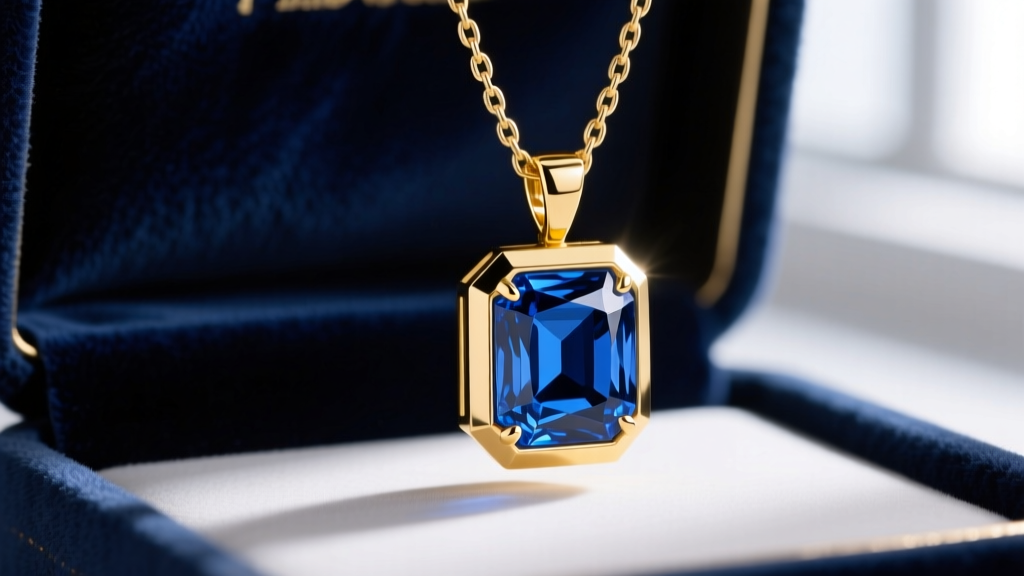
When most people think of sapphire jewelry, they picture the classic round brilliant or oval cut. However, the emerald cut sapphire necklace has surged in popularity among collectors and minimalists alike. Originally developed for emeralds to reduce pressure during cutting, this rectangular step-cut features truncated corners and long, parallel facets. According to the GIA Sapphire Buying Guide, the emerald cut typically features 57 facets arranged in a stepped pattern. Instead of the chaotic sparkle of a brilliant cut, the emerald cut produces a sophisticated "hall of mirrors" effect, characterized by broad, flashing planes of light and deep, saturated color.
For a beginner, understanding this optical behavior is crucial. Because the facets are larger and flatter, an emerald cut does not hide imperfections well. It demands a higher standard of clarity and color consistency than other shapes, making the selection process highly specific.
Evaluating Quality: Color, Clarity, and Proportions
Buying a sapphire requires a different mindset than buying a diamond. While diamonds are graded primarily on brilliance and lack of color, sapphires are valued almost entirely on their hue, tone, and saturation.
Color: Cornflower vs. Royal Blue
Blue sapphires generally fall into two highly sought-after color categories: Cornflower Blue and Royal Blue. Cornflower blue is a medium-light, velvety blue with a slight violet undertone. Royal blue is a deeper, more intense, and darker blue. For an emerald cut sapphire necklace, Royal Blue is often the superior choice. Because step cuts can sometimes "wash out" lighter colors by allowing too much light to pass straight through the stone, the deeper saturation of a Royal Blue sapphire ensures the gem retains its rich color face-up.
Clarity: The Unforgiving Step Cut
Sapphires are Type II gemstones, meaning they naturally form with inclusions. However, the emerald cut is notoriously unforgiving. The large, open table (the top flat surface) acts like a magnifying glass. If a sapphire has heavy "silk" (rutile needle inclusions) or prominent color zoning (uneven color distribution), the step-cut facets will highlight these flaws rather than mask them. Always insist on an "eye-clean" stone, meaning no inclusions are visible to the naked eye from a distance of 12 inches.
Cut Proportions: Avoiding the "Window"
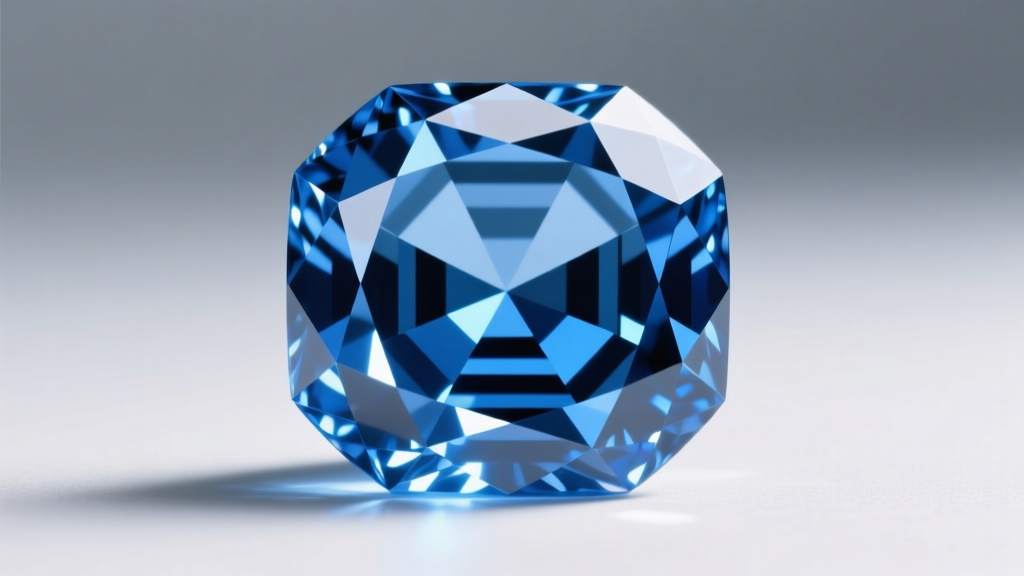
A poorly cut emerald sapphire will suffer from "windowing"—a dead, transparent spot in the center where light leaks out the bottom instead of reflecting back to the eye. To avoid this, check the length-to-width ratio and depth percentage. The ideal length-to-width ratio for a classic emerald cut is between 1.30 and 1.50. The depth percentage should ideally sit between 60% and 70% to ensure the color is properly concentrated.
Natural vs. Lab-Created: 2026 Market Pricing
As of 2026, the gap between natural and lab-created sapphires has widened in terms of investment value, even as lab-grown stones have achieved near-perfect optical consistency. Lab-created sapphires (typically grown via the Verneuil flame fusion or flux-grown methods) offer incredible clarity and color at a fraction of the cost. However, natural, unheated sapphires remain a premium asset class.
| Sapphire Type | Treatment Status | Avg. Price (1.50 ct) | Best For |
|---|---|---|---|
| Lab-Created | N/A (Synthetic) | $400 - $900 | Budget-friendly, flawless clarity, daily wear |
| Natural | Heat Treated | $1,800 - $4,500 | Traditional buyers seeking natural origin |
| Natural | Unheated / No Heat | $5,000 - $12,000+ | Collectors, investment, purists |
Note: Heat treatment is a standard, permanent, and widely accepted practice in the gem trade that improves color and clarity. Always verify treatment status via a reputable gemological lab report.
Selecting the Right Setting and Chain
Sapphires rank a 9 on the Mohs hardness scale, making them exceptionally durable and second only to diamonds. However, the emerald cut features sharp, truncated corners that are vulnerable to chipping if struck against a hard surface. The setting you choose must protect these fragile points.
- V-Prong Setting: The most secure choice for an emerald cut. V-prongs wrap around the four corners, shielding them from impact while allowing maximum light entry.
- Bezel Setting: A rim of metal completely encircles the gemstone. This offers the ultimate protection for active lifestyles and provides a sleek, modern aesthetic that complements the geometric lines of the emerald cut.
- Halo Setting: Because the emerald cut lacks the fiery scintillation of a round brilliant, adding a halo of micro-pave diamonds around the perimeter introduces necessary sparkle and makes the center sapphire appear up to 30% larger.
For the chain, avoid delicate, easily kinked options like snake chains. A 14k or 18k gold box chain or a wheat chain in a 16 to 18-inch length provides the necessary structural integrity to support a 1-to-2-carat sapphire pendant without snapping or tangling.

Styling and Neckline Pairings
The geometric, Art Deco-inspired lines of an emerald cut sapphire necklace dictate how it should be styled. The clean, linear facets pair best with structured necklines that mirror its architectural elegance.
- V-Neck and Sweetheart Necklines: These mimic the elongated shape of the pendant, drawing the eye downward and creating a cohesive, lengthening silhouette.
- Collared Button-Downs: Wearing a bezel-set emerald cut sapphire over or just beneath the collar of a crisp white or navy silk blouse creates a striking contrast between masculine tailoring and feminine luxury.
- Boat Necks and Turtlenecks: For these higher necklines, opt for a longer chain (20 to 24 inches) so the pendant rests on the fabric of the garment, acting as a bold, standalone statement piece.
According to the American Gem Trade Association (AGTA), sapphires are incredibly versatile, but blue sapphires specifically pop against neutral tones like camel, ivory, navy, and charcoal grey. Avoid wearing them with busy, multi-colored patterns that can visually disrupt the stone's "hall of mirrors" reflection.
Your Pre-Purchase Checklist
Before finalizing your purchase, ensure you have verified the following critical data points to guarantee you are getting exactly what you pay for:
- Lab Certification: For any natural sapphire over $1,500, demand a report from a tier-one laboratory such as GIA, AGL, or Gübelin. The report must explicitly state whether the stone is heated or unheated.
- Origin Disclosure: While origin (e.g., Kashmir, Burma, Ceylon/Sri Lanka, Madagascar) affects price, it should not override the actual visual beauty of the stone. A stunning Madagascar sapphire is always a better buy than a mediocre Kashmir stone.
- Metal Purity: Ensure the setting is stamped 14k, 18k, or PT950 (platinum). Avoid gold-plated or vermeil settings for fine sapphires, as the plating will eventually wear off, requiring expensive re-dipping.
- Return Policy: Sapphires look vastly different under store lighting versus natural daylight. Always buy from a jeweler offering a minimum 14-day return policy so you can evaluate the stone's color zoning in various lighting environments.
By prioritizing cut proportions, demanding eye-clean clarity, and selecting a protective setting, your emerald cut sapphire necklace will serve as a timeless, sophisticated anchor in your fine jewelry collection for decades to come.


