How to Choose Semi Precious Gemstone Necklaces: Beginner Guide
Discover how to choose, style, and care for semi precious gemstone necklaces. Learn about Mohs hardness, treatments, and chain pairings in our guide.

The Gemological Reality Behind the Term
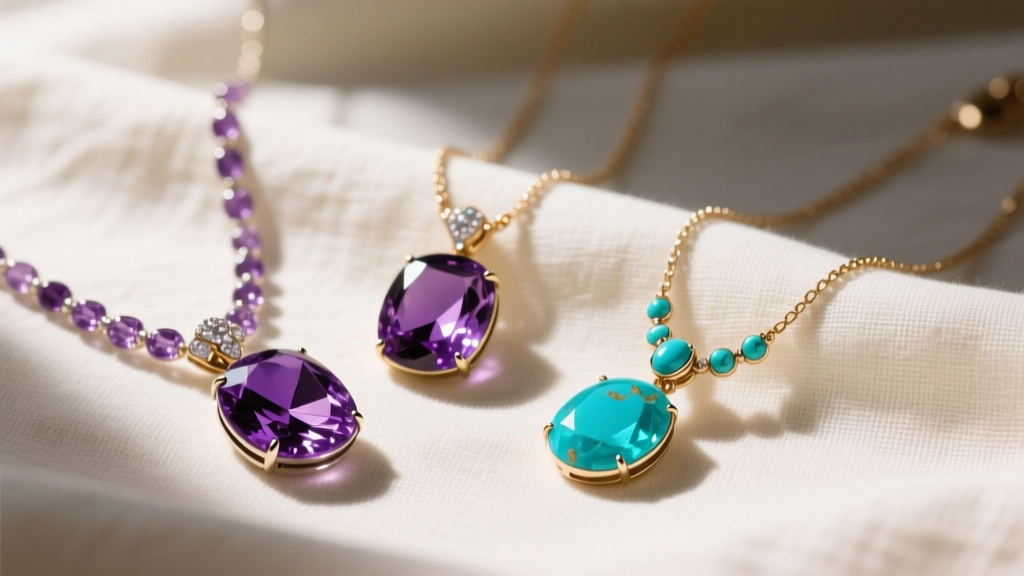
When shopping for semi precious gemstone necklaces, the first thing a beginner must understand is that the term "semi-precious" is a commercial relic, not a scientific classification. The Gemological Institute of America (GIA) does not use this terminology because it falsely implies that stones outside the "precious" trio (diamond, ruby, sapphire, and emerald) are inherently less rare or valuable. In reality, a high-quality, untreated tsavorite garnet or a vivid Paraíba tourmaline commands a higher per-carat price than many mid-grade sapphires. However, the jewelry industry still widely uses the label to categorize stones like amethyst, citrine, topaz, turquoise, and garnet. Understanding this distinction empowers you to evaluate semi precious gemstone necklaces based on their individual optical properties, rarity, and craftsmanship rather than outdated marketing hierarchies.
Decoding Durability: The Mohs Scale for Everyday Wear
Necklaces are highly susceptible to impact. Unlike rings, which you can easily tuck away, pendants swing, catch on clothing, and strike tables. Therefore, evaluating a gemstone's hardness on the Mohs scale is critical before purchasing a piece for daily wear. The Mohs scale is not linear; a diamond (10) is vastly harder than a corundum (9). For semi precious gemstone necklaces intended for everyday use, you should target stones with a Mohs rating of 7 or higher. Stones below 7 are prone to micro-abrasions from everyday dust, which contains quartz particles (hardness 7).
| Gemstone | Mohs Hardness | Cleavage Risk | Best Necklace Application | Avg. Price (1ct) |
|---|---|---|---|---|
| Amethyst (Quartz) | 7.0 | None | Everyday pendants, faceted cuts | $15 - $40 |
| Blue Topaz | 8.0 | Perfect (High) | Occasional wear, protective bezels | $20 - $60 |
| Turquoise | 5.0 - 6.0 | None | Cabochons, statement pieces, low impact | $5 - $30 (matrix dependent) |
| Garnet (Almandine) | 7.0 - 7.5 | None | Everyday pendants, deep color saturation | $30 - $80 |
| Opal (Ethiopian) | 5.5 - 6.5 | None | Special occasion, strict moisture control | $50 - $200+ |
Navigating Gemstone Treatments and Enhancements
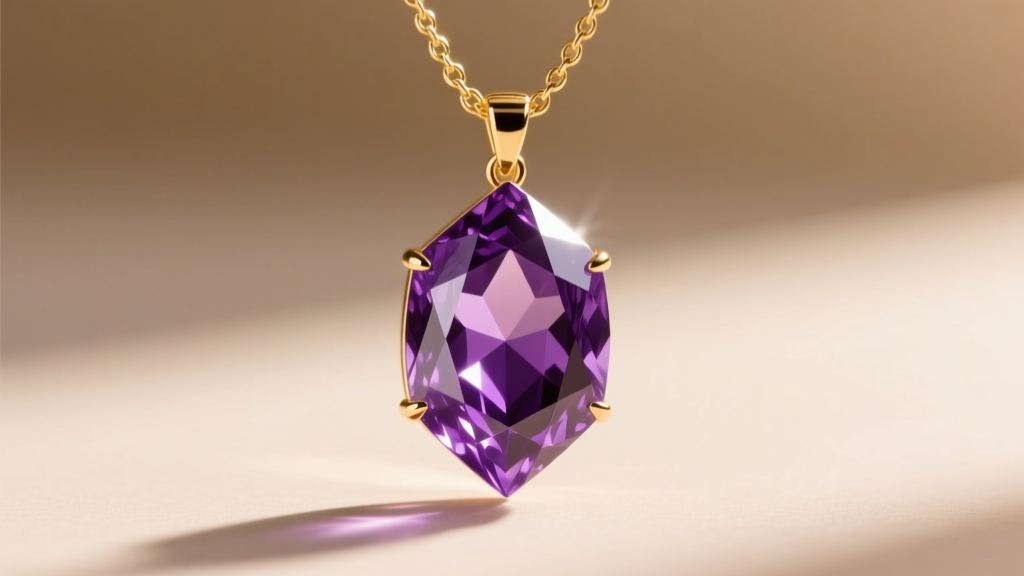
The vast majority of semi precious gemstone necklaces on the market feature stones that have undergone some form of enhancement. The Federal Trade Commission (FTC) requires jewelers to disclose treatments that significantly affect a stone's value or require special care. As a beginner, you must know which treatments are stable and which are temporary.
- Heat Treatment: Common in citrine, tanzanite, and some sapphires. This is a permanent, stable enhancement that mimics natural geological processes. It requires no special care.
- Stabilization: Porous stones like turquoise and lapis lazuli are often infused with clear epoxy resins to prevent them from absorbing skin oils and cosmetics, which can cause discoloration. Stabilized turquoise is actually more durable for necklace wear than raw, untreated stones.
- Dyeing and Coating: Frequently used in agates, howlite (to mimic turquoise), and low-grade jade. These treatments are not permanent. The dye can bleed when exposed to alcohol-based perfumes or harsh cleaning chemicals, making them poor candidates for long-term everyday wear.
- Fracture Filling: Often seen in emeralds (cedar oil) or lower-grade quartz. Heat or ultrasonic cleaners will melt the filler, leaving the stone looking cloudy and fractured.
Selecting the Right Chain Gauge and Metal
A common mistake beginners make is pairing a heavy, oversized gemstone pendant with a delicate, lightweight chain. This not only risks the chain snapping but also causes the clasp to constantly slide to the front of the neck due to poor weight distribution. When buying semi precious gemstone necklaces, match the chain gauge to the pendant's weight and bail size.
- Lightweight Pendants (Under 5 grams): Opt for 0.9mm to 1.2mm cable or box chains in sterling silver or 14k solid gold. These provide a delicate, elegant look without overwhelming smaller faceted stones.
- Medium Pendants (5 to 15 grams): A 1.5mm to 2.0mm rope or wheat chain offers the necessary tensile strength. Wheat chains are particularly excellent for pendants because their woven structure resists kinking and pulling.
- Heavy Statement Pieces (15+ grams): Large cabochons or raw stone pendants require 2.5mm to 4.0mm chains. Ensure the bail (the loop connecting the stone to the chain) is soldered and lined with a metal sleeve to prevent the chain from sawing through the gemstone material over time.
Proportional Styling: Lengths and Necklines
The visual impact of semi precious gemstone necklaces is heavily dictated by their length and how they interact with your wardrobe's necklines. Understanding standard jewelry lengths allows you to curate a versatile collection.
The 16-Inch Choker
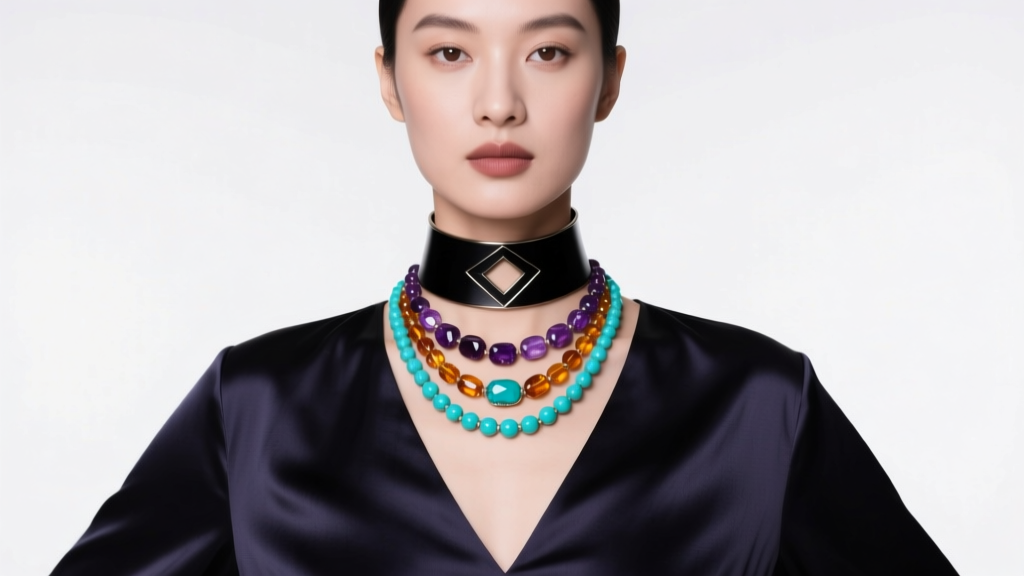
Sitting snugly at the base of the neck, a 16-inch chain is ideal for smaller, high-clarity gemstones like a 4mm peridot or aquamarine. This length pairs perfectly with scoop necks, off-the-shoulder tops, and open collars. Avoid wearing 16-inch chains with high turtlenecks, as the stone will get lost in the fabric folds.
The 18-Inch Princess
This is the industry standard for pendants. An 18-inch chain allows the gemstone to rest right at the collarbone, drawing the eye to the center of the chest. It is incredibly versatile, working seamlessly with almost any neckline, from casual crew neck t-shirts to formal V-neck blouses.
The 20 to 24-Inch Matinee
Matinee lengths allow heavier, larger semi-precious stones (like a large carved amethyst or a statement malachite cabochon) to rest on the upper chest. This length is excellent for layering over sweaters, button-down shirts, and business attire, providing a sophisticated pop of color that breaks up solid fabric blocks.
Safe Cleaning Protocols by Stone Type
Improper cleaning is the fastest way to ruin a gemstone necklace. While ultrasonic cleaners and steamers are safe for diamonds, they will destroy many semi-precious stones. Always refer to the specific mineral properties before cleaning your jewelry.
- Quartz Family (Amethyst, Citrine, Smoky Quartz): Safe for ultrasonic cleaners, but warm soapy water and a soft toothbrush are usually sufficient. Prolonged exposure to direct, harsh sunlight can cause amethyst to fade over time.
- Porous Stones (Turquoise, Lapis Lazuli, Malachite): Never submerge these in water or use chemical jewelry dips. Wipe them gently with a damp, lint-free microfiber cloth. Malachite is highly sensitive to acids and heat, so keep it away from perfumes and lotions.
- Hydrated Stones (Opals): Ethiopian opals are hydrophane, meaning they absorb water. If submerged, they can temporarily lose their play-of-color and turn transparent or yellow. Clean them only with a dry, soft cloth.
By prioritizing Mohs hardness, understanding treatments, and matching the correct chain gauge, you can confidently select semi precious gemstone necklaces that are not only visually stunning but structurally engineered to last a lifetime. For further mineral data and identification, resources like the Mindat mineral database offer exhaustive technical profiles on thousands of gemstone varieties.


