Conan Gray Wishbone Necklace: Material & Sourcing Deep Dive
An expert metallurgical and styling breakdown of the Conan Gray wishbone necklace, covering chain gauges, vermeil standards, and sourcing.

The Cultural and Technical Footprint of the Wishbone Motif
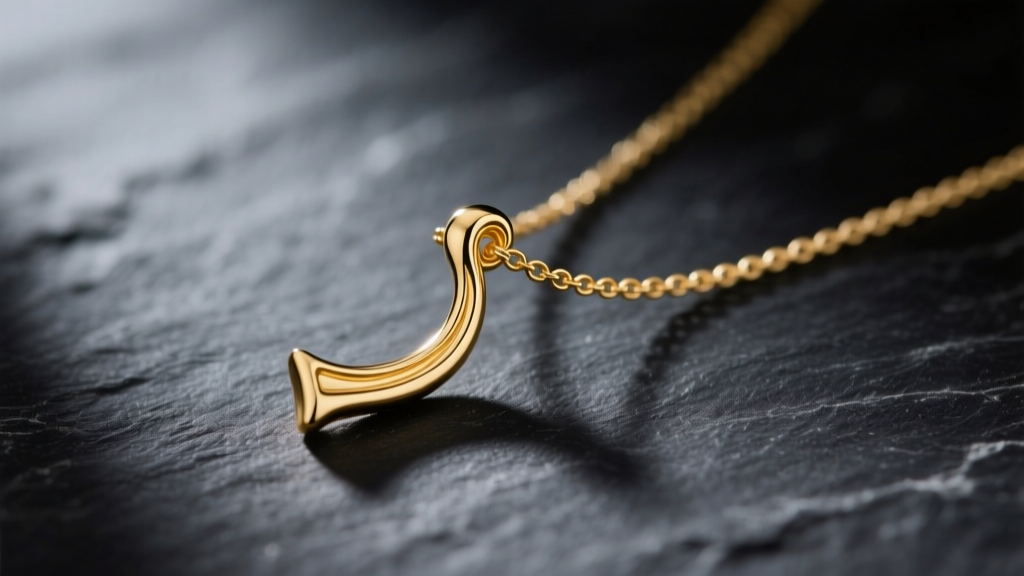
When analyzing the cultural footprint of the Conan Gray wishbone necklace, we are looking at more than just a fleeting celebrity jewelry trend. The wishbone, or furcula, has been a staple in sentimental jewelry since the Victorian era, symbolizing luck, hope, and the crossing of paths. In contemporary indie-pop aesthetics, the motif has been reclaimed as a symbol of nostalgic yearning and delicate layering. However, the visual appeal of this specific pendant style is only half the equation. As jewelry experts, we must look past the aesthetic and examine the metallurgical integrity, chain mechanics, and manufacturing standards that separate a high-quality demi-fine piece from a fast-fashion liability.
The appeal of the Conan Gray wishbone necklace lies in its precise proportions and warm metallic tone. It sits at the intersection of everyday wearability and sentimental value. But achieving this balance requires strict adherence to specific manufacturing tolerances, particularly regarding the pendant's bail aperture, the chain's tensile strength, and the electroplating thickness. This deep dive dissects the exact specifications required to source, style, and maintain a wishbone necklace that meets the highest standards of modern demi-fine jewelry.
Anatomy and Dimensions: The Precision of the Furcula
A common failure point in mass-market wishbone pendants is poor volumetric scaling. If the pendant is too thick, it looks clunky and catches on knitwear; if it is too thin, it becomes prone to bending and warping under the tension of the chain. The ideal specifications for a high-quality wishbone pendant mirror the delicate proportions seen in premium indie jewelry lines.
- Pendant Height: 14.5mm to 15.5mm. This ensures visibility without overwhelming the collarbone.
- Pendant Width: 11.0mm to 12.0mm at the widest point of the furcula arms.
- Depth (Thickness): 1.2mm to 1.4mm. This provides enough structural rigidity to resist bending while maintaining a lightweight drape.
- Bail Aperture: The hidden soldered ring or top loop must have an inner diameter of at least 2.5mm to accommodate standard 1.2mm to 1.5mm chains without causing friction wear on the chain links.
Furthermore, premium pieces are manufactured using lost-wax casting rather than metal stamping. Lost-wax casting allows for a three-dimensional, slightly rounded profile that catches the light dynamically, whereas stamped pendants are flat, lifeless, and prone to sharp edges that degrade the chain over time.
Metallurgical Standards: Vermeil vs. Flash Plating
The warm, vintage-inspired gold tone associated with the Conan Gray wishbone necklace is typically achieved through gold vermeil. However, the jewelry market is saturated with deceptive terminology. Understanding the Federal Trade Commission (FTC) Jewelry Guides is critical for evaluating material quality.
The 2.5-Micron Threshold
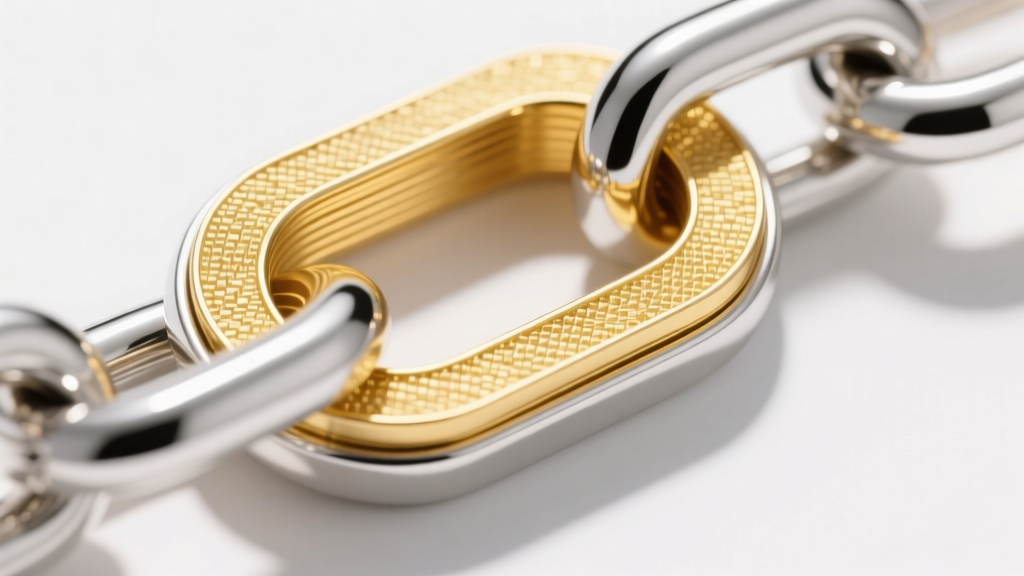
By legal definition in the United States, gold vermeil must consist of a sterling silver (925) base that is plated with a minimum of 2.5 microns of 10k, 14k, or 18k gold. Fast-fashion alternatives often use "flash plating," which deposits a mere 0.1 to 0.5 microns of gold over a brass or copper base. Flash-plated necklaces will oxidize, turn the wearer's skin green, and lose their color within weeks of daily wear.
The Rhodium Strike Barrier
True expert-level manufacturing includes a step that most consumers never see: the rhodium strike. Silver atoms are highly mobile and can migrate through the gold plating over time, causing the surface to tarnish or look dull. High-end jewelers apply a microscopic barrier layer of rhodium or palladium between the sterling silver base and the gold plating. This barrier prevents galvanic corrosion and ensures the 14k or 18k gold surface remains vibrant for years. When sourcing a premium wishbone necklace, always inquire if the manufacturer utilizes a diffusion barrier layer.
Chain Selection: Gauge, Link Style, and Tensile Drape
A pendant is only as secure as the chain that holds it. The delicate nature of a 15mm wishbone pendant requires a chain that is visually unobtrusive but mechanically robust. According to the Gemological Institute of America (GIA), the alloy composition of the chain directly impacts its tensile strength and resistance to stretching.
| Chain Type | Optimal Gauge | Tensile Profile | Drape & Aesthetic |
|---|---|---|---|
| Standard Cable | 1.2mm | Moderate. Prone to kinking if crushed, but excellent for lightweight pendants. | Classic, delicate, and traditional. Disappears into the skin. |
| Rolo | 1.5mm | High. Interlocking round links distribute tension evenly, resisting snaps. | Textured and vintage-inspired. Catches light beautifully. |
| Paperclip | 1.8mm | Very High. Elongated links provide structural rigidity. | Modern, edgy, and highly visible. Best for layering. |
For the traditional Conan Gray aesthetic, a 1.2mm or 1.3mm standard cable chain in 14k gold vermeil is the definitive choice. It provides the necessary "invisible" support that allows the wishbone motif to float on the collarbone. Ensure the chain is finished with a 5mm lobster claw clasp rather than a 4mm spring-ring clasp; lobster claws offer superior tensile security and are easier to manipulate when layering multiple necklaces.
The Layering Framework: Proportions and Spacing
The wishbone pendant is a masterclass in layering due to its asymmetrical, open-center geometry. To replicate the effortless, styled looks seen in contemporary editorial shoots, you must adhere to strict length-spacing rules to prevent the chains from tangling and the pendants from overlapping.
The 2-Inch Rule: When building a necklace stack, always maintain a minimum 2-inch difference in length between each chain. This ensures that the focal points of each pendant occupy distinct visual zones on the chest.
The Ideal 3-Piece Stack
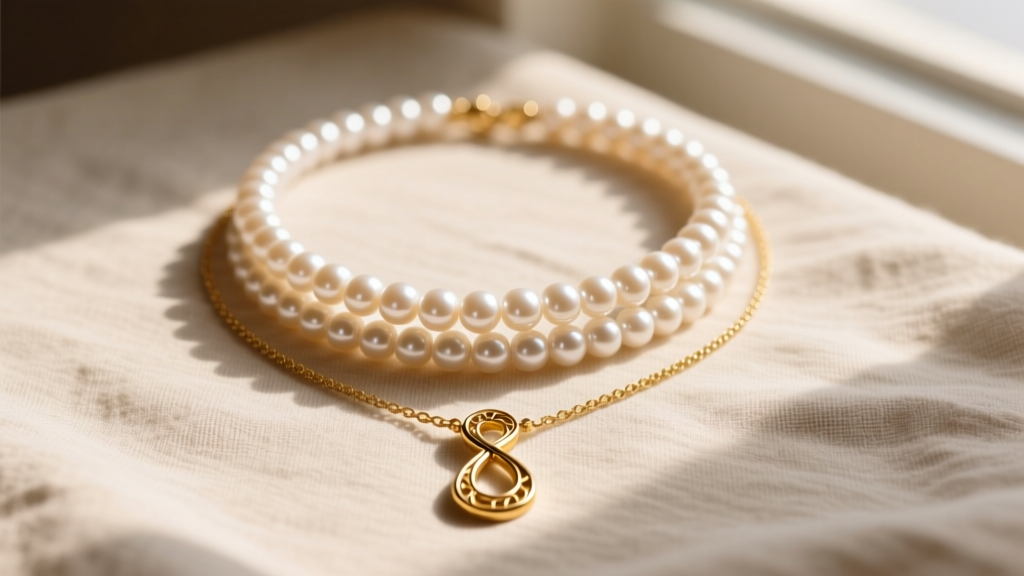
- 14" to 15" Choker: A 2mm freshwater pearl strand or a minimalist 1.0mm gold herringbone chain. This sits high on the clavicle and frames the face.
- 17" to 18" Wishbone Pendant: The core centerpiece. The 18-inch length allows the 15mm wishbone to rest perfectly in the suprasternal notch (the hollow at the base of the neck).
- 20" to 22" Medallion or Lariat: A heavier, solid gold or vermeil coin pendant (e.g., 12mm diameter) on a 1.5mm rolo chain. This anchors the stack and draws the eye downward, elongating the neck.
Sourcing Tiers: Where to Invest Your Capital
When hunting for the perfect equivalent to the Conan Gray wishbone necklace, the market is segmented into three distinct pricing and quality tiers. Understanding these tiers prevents overpaying for base metals or under-investing in pieces that will degrade.
- Tier 1: Fast Fashion ($15 - $35) - Typically brass or copper bases with flash plating (under 1 micron). Verdict: Avoid. The galvanic reaction between copper and skin acidity will cause rapid tarnishing and potential contact dermatitis.
- Tier 2: Premium Demi-Fine ($65 - $120) - 925 Sterling Silver base with 2.5+ microns of 14k or 18k gold vermeil, often featuring a rhodium barrier layer. Verdict: The sweet spot for daily wear. Offers the exact aesthetic and longevity required for a staple piece.
- Tier 3: Solid Fine Jewelry ($350 - $800+) - Solid 14k gold. Verdict: Ideal for heirloom pieces or those with severe metal allergies, though the visual difference in gold tone between high-quality vermeil and solid 14k gold is virtually indistinguishable to the naked eye.
Maintenance and Oxidation Prevention
Even the highest quality 2.5-micron vermeil requires proper environmental control to maximize its lifespan. Sterling silver naturally reacts with sulfur in the air to form silver sulfide (tarnish). While the gold plating protects the surface, any micro-abrasions can expose the silver base.
Storage Protocol: Never store the necklace in a humid bathroom environment. Keep it in an airtight polyethylene ziplock bag with an anti-tarnish silica or activated charcoal strip. Cleaning Protocol: Avoid ultrasonic cleaners and harsh chemical dips, which can strip the gold plating in seconds. Instead, use a lint-free microfiber cloth and a mild solution of distilled water and phosphate-free dish soap, gently drying the piece immediately after washing. By treating the metallurgy with respect, your wishbone necklace will retain its structural integrity and warm luster for years to come.


