Restoring and Authenticating a Vintage Angel Skin Coral Necklace
Learn how to authenticate, clean, and restring a vintage angel skin coral necklace. Expert troubleshooting for discoloration, fakes, and silk rot.

The Unique Vulnerability of Angel Skin Coral
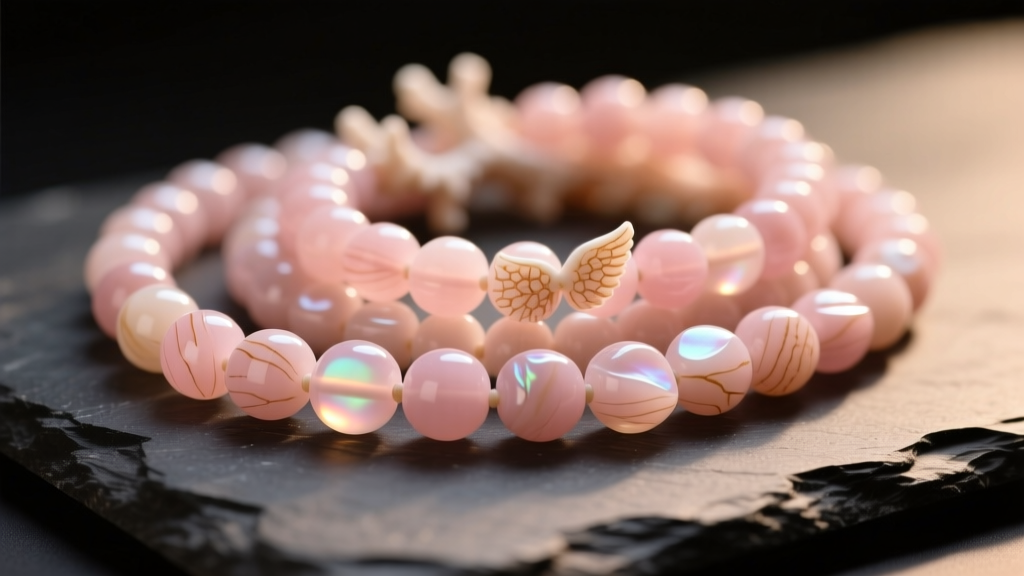
Owning a vintage angel skin coral necklace is both a privilege and a profound responsibility. Prized for its delicate, blush-pink hue and smooth, porcelain-like polish, angel skin coral (typically Corallium elatius or Corallium secundum) is one of the most sought-after organic gemstones in the antique market. However, as a calcium carbonate-based organic material, it is notoriously fragile. Sitting at a mere 3.5 on the Mohs hardness scale, it is highly susceptible to chemical degradation, structural failure, and environmental damage.
In the current 2026 vintage market, where pristine antique pieces command premium prices, understanding the specific failure modes of coral is essential. Whether you have inherited a family heirloom or acquired a mid-century piece at auction, troubleshooting common issues requires a deep understanding of gemological chemistry and traditional jewelry fabrication. Below, we break down the exact protocols for authenticating, restoring, and preserving these delicate treasures.
Troubleshooting Discoloration and Chalking
The most frequent complaint among vintage coral collectors is "chalking"—a phenomenon where the once-lustrous pink beads develop a dull, chalky, or whitish film. This is not a surface dirt issue; it is a chemical reaction.
Why Your Coral is Turning White or Dull
Angel skin coral is primarily composed of calcium carbonate. Human skin has a natural pH ranging from 4.5 to 5.5, which is mildly acidic. When worn directly against the skin over decades, this acidity slowly dissolves the microscopic peaks of the mechanical polish applied to the beads. Furthermore, exposure to modern cosmetics, hairsprays, and perfumes (which contain high concentrations of alcohol and volatile organic compounds) strips the coral of its natural moisture, leading to micro-fissures and a loss of luster.
- The Mineral Oil Protocol: To restore mild chalking, gently wipe the beads with a damp, lint-free microfiber cloth. Once completely dry, apply a microscopic layer of pure, pharmaceutical-grade mineral oil using a soft brush. Never use olive, coconut, or vegetable oils, as these will oxidize, turn rancid, and stain the porous coral yellow.
- Avoid Ultrasonic Cleaners: According to the Gemological Institute of America (GIA), ultrasonic waves and harsh chemical dips will instantly destroy the surface polish and can cause internal fracturing in older, brittle beads.
- Professional Repolishing: If the chalking is severe, the beads must be sent to a lapidary specialist who can mechanically repolish them using a soft felt wheel and a mild cerium oxide or tin oxide slurry. Note that this will slightly reduce the bead diameter.
Authentication: Spotting Fakes in Vintage Pieces
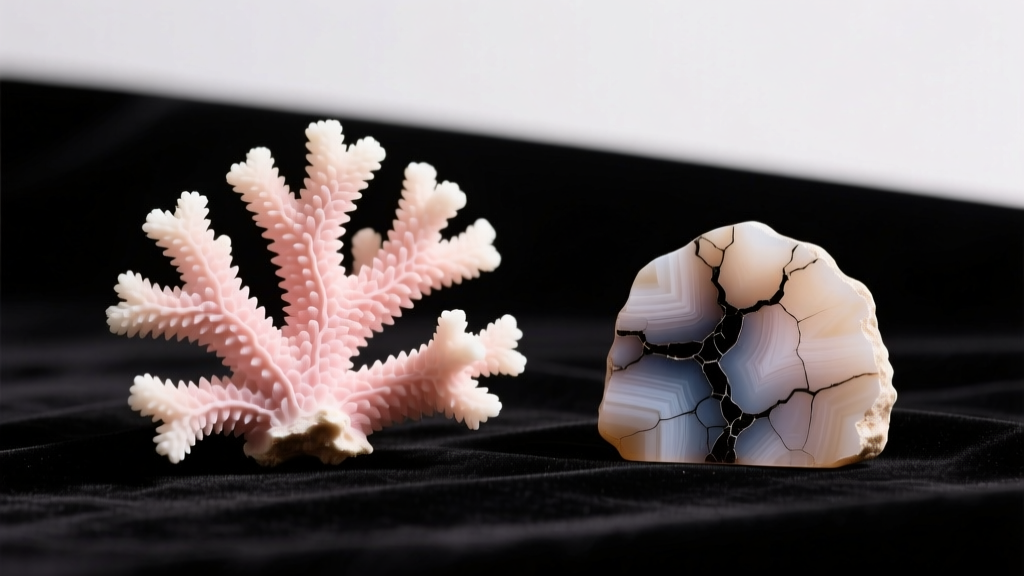
Because genuine Mediterranean and Japanese angel skin coral is heavily regulated under CITES Appendices and increasingly rare, the vintage market is saturated with sophisticated imitations. Troubleshooting a suspicious piece requires looking beyond just the color.
Comparative Analysis of Coral Substitutes
| Material | Visual Clues (10x Loupe) | Touch & Temperature | Chemical / Physical Test |
|---|---|---|---|
| Genuine Angel Skin Coral | Subtle, parallel grain lines (striations); tiny natural pits or organic inclusions. | Feels cool to the touch initially; warms slowly. | Reacts with a drop of dilute HCl (effervescence); smells like burning shell if touched with a hot needle. |
| Dyed Howlite | Concentrated dye pooling in natural gray/black "spiderweb" matrix cracks. | Feels slightly warmer than coral; heavier density. | Acetone swab may lift pink dye; no organic burning smell with hot needle. |
| Coral-Colored Glass | Perfectly uniform color; spherical gas bubbles visible under magnification. | Warms up very quickly in the hand; feels unusually heavy. | Scratches easily with a steel file (if softer glass); no reaction to acid. |
| Plastic / Resin | Mold marks along the equator; perfectly smooth with zero natural grain. | Feels warm immediately; exceptionally lightweight. | Hot needle melts the surface and emits an acrid, chemical plastic smell. |
Structural Failures: Restringing and Clasp Troubleshooting
A vintage necklace is only as strong as its stringing material. If your angel skin coral necklace feels stiff, or if you notice fraying near the clasp, it is suffering from silk degradation and requires immediate intervention to prevent catastrophic bead loss.
The Silk Degradation Problem
Historically, high-end coral necklaces were strung on 100% natural silk. While silk is soft and won't abrade the delicate drill holes, it is highly susceptible to rot from sweat, UV exposure, and time. A vintage piece over 30 years old should always be restrung before being worn.
Expert Fabrication Rule: Never use modern nylon-coated beading wire (e.g., Tiger Tail) for coral. The steel core of beading wire is vastly harder than the 3.5 Mohs coral. Over time, the wire will act like a saw, elongating and eventually cutting through the soft calcium carbonate drill holes, ruining the beads permanently.
Restringing Specifications:
- Thread Choice: Use Size E or Size F 100% natural silk thread, depending on the drill hole diameter (typically 1.5mm to 2.0mm in vintage pieces).
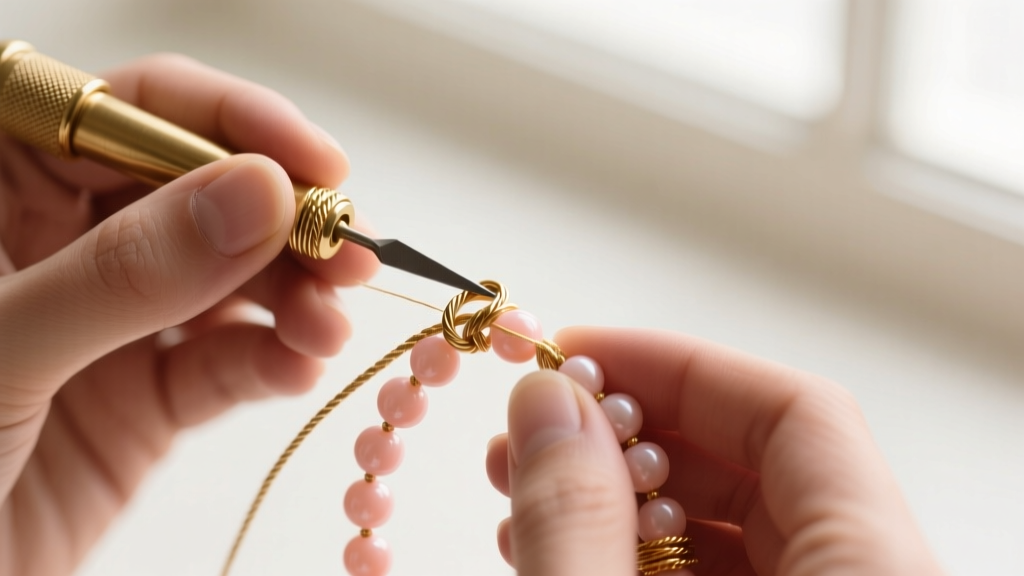
- Knotting: Every single bead must be individually hand-knotted. This prevents bead-on-bead abrasion and ensures that if the silk breaks, only one bead is lost.
- French Wire (Gimp): The silk must be protected at the clasp connection using fine gold or silver French wire. This coiled metal guard prevents the metal clasp jump ring from slicing through the silk loop.
Long-Term Preservation: Humidity and Storage Metrics
Proper storage is the final pillar of coral troubleshooting. Organic gems require a specific microclimate to prevent drying out and cracking. The American Gem Society (AGS) emphasizes that extreme environmental fluctuations are the enemy of organic jewelry.
- Humidity Control: Store the necklace in an environment with a relative humidity (RH) between 40% and 50%. Storing coral in a dry safe or a climate-controlled vault with low humidity will cause the beads to desiccate and develop hairline fractures.
- Light Exposure: Prolonged exposure to direct UV light can bleach the delicate pink pigments over decades. Store the piece in a dark, acid-free jewelry box.
- Isolation: Because of its extreme softness, angel skin coral must never be stored in a communal jewelry box where it can be scratched by diamonds, sapphires, or even gold chains. Wrap it individually in unbleached, acid-free cotton muslin or archival tissue paper.
Summary Checklist for Coral Rehabilitation
Before wearing or selling a vintage angel skin coral necklace, run through this diagnostic checklist:
- Inspect drill holes for wire-sawing damage or micro-chipping.
- Test the stringing material for stiffness, discoloration, or fraying near the clasp.
- Examine the surface under a 10x triplet loupe for natural striations to confirm authenticity.
- Assess the polish for chalking and treat with mineral oil if necessary.
- Verify the clasp mechanism and ensure French wire gimp is intact.
By applying these rigorous gemological and fabrication standards, you can successfully rehabilitate a vintage angel skin coral necklace, ensuring it survives for another generation of collectors to admire.


