How to Style an Opera Necklace: Step-by-Step Knot & Layering Guide
Master the art of the opera necklace with our step-by-step guide to knotting, layering, and styling this 28-inch staple for any modern neckline.

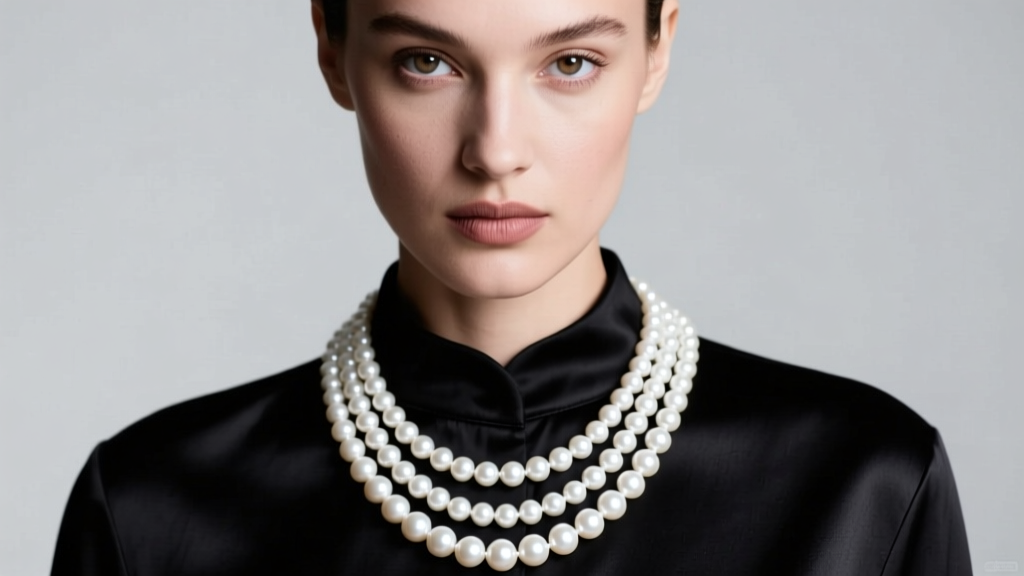
The opera necklace, traditionally measuring between 28 and 36 inches, is one of the most versatile yet frequently misunderstood pieces in fine jewelry. Often relegated to vintage costume boxes or formal black-tie events, the modern opera strand is actually a masterclass in proportional styling. When styled correctly, it elongates the torso, frames the face, and serves as an anchor for complex layering. This comprehensive guide breaks down the exact anatomy, knotting techniques, and material grades you need to transform a standard opera chain into a dynamic, everyday wardrobe staple.
The Anatomy of an Opera Necklace: Lengths and Materials
Before manipulating the strand, you must understand its structural limits. An opera necklace is defined by its length (28"–36"), which means it carries significant kinetic weight. The materials used dictate how it drapes, knots, and wears over time.
Pearl and Bead Strands
For classic pearl opera strands, the bead size dramatically alters the drape. A 30-inch strand of 7.0mm Akoya pearls contains approximately 109 pearls and weighs around 45 grams. This weight requires a high-tensile core. Look for strands threaded on Size E or F pure silk thread with individual French knots between each pearl. These knots prevent catastrophic loss if the thread snaps and provide the necessary flexibility for tight knotting without stressing the nacre.
Metal Chain Variations
If you prefer metal, the chain profile and gauge are critical. For an opera-length chain to hold a knot without kinking permanently, avoid rigid profiles like herringbone or omega. Instead, opt for 1.5mm to 2.5mm rope, box, or cable chains crafted in 14k or 18k gold. These profiles possess the structural memory to bend into tight loops and return to their original straight form without warping.
Step-by-Step: 3 Modern Knots for Your Opera Necklace
Tying an opera necklace requires more than a simple loop. Here are three structural knots that secure the strand while creating deliberate, high-fashion silhouettes.
1. The Classic Lariat Knot
The lariat knot creates a deep V-shape, perfect for drawing the eye vertically. It works best with 30-to-32-inch strands.
- Step 1: Fold the necklace exactly in half, holding the midpoint at the center of your chest.
- Step 2: Take the right-hand tail and pass it over the left-hand tail, creating a simple overhand loop about 4 inches below the midpoint.
- Step 3: Pull the right tail through the loop, but do not pull it taut. Leave a 1-inch gap.
- Step 4: Feed the left-hand tail through the same gap from the opposite direction, locking the two strands together. Adjust the friction by tightening the loop.
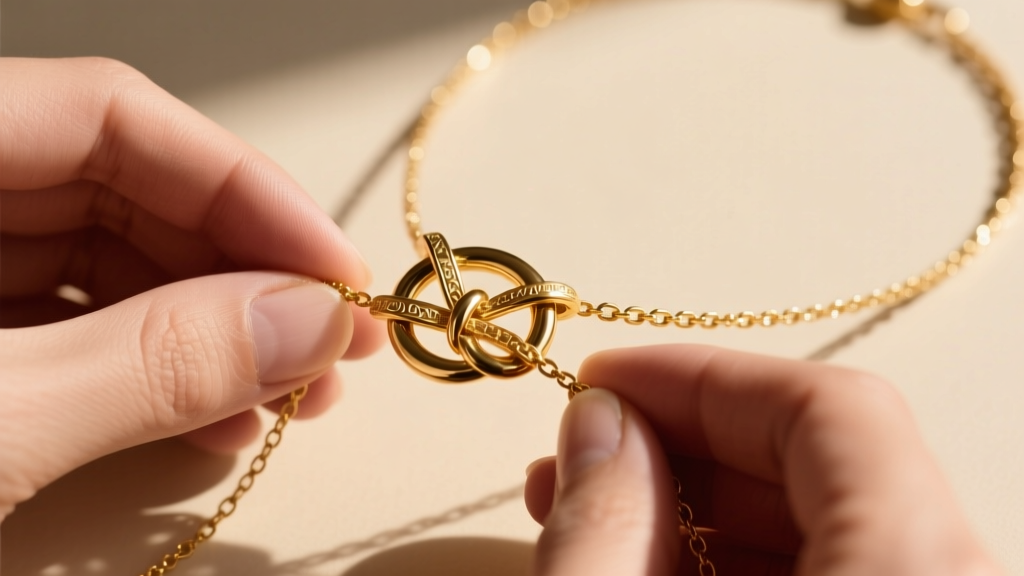
2. The Asymmetric French Twist
This knot shifts the visual weight to one side, ideal for off-the-shoulder or asymmetrical necklines.
- Step 1: Drape the necklace unevenly around your neck, leaving one side 8 inches longer than the other.
- Step 2: Take the longer end and wrap it around the shorter, stationary strand twice, moving downward.
- Step 3: Tuck the tail of the longer end through the bottom loop you just created.
- Step 4: Slide the knot up to your desired height (usually collarbone level) and tighten. The double-wrap provides enough friction to hold heavy metal chains securely.
3. The Double-Loop Choker Conversion
Convert a 32-inch opera strand into a layered 16-inch choker without using a clasp extender.
- Step 1: Wrap the entire necklace around your neck twice. Ensure the first loop sits snugly at the base of your throat (14-15 inches), and the second loop rests at the collarbone (16-17 inches).
- Step 2: Bring both ends (the clasp and the jump ring) to the front.
- Step 3: Thread the jump ring through the clasp, then attach the clasp to a link on the opposing strand to lock the two loops together. Hide the clasp behind the neck or let it hang as an asymmetric front closure.
Neckline Pairing Matrix: What to Wear Where
Matching the knot style to your garment's neckline is where most styling errors occur. Use this matrix to ensure proportional harmony between your jewelry and clothing.
| Neckline Type | Recommended Knot Style | Ideal Strand Length | Material / Profile |
|---|---|---|---|
| Deep V-Neck | Lariat Knot (centered) | 30" - 32" | 7mm Pearls or 2mm Rope Chain |
| Turtleneck / Mock Neck | Double-Loop or Uncinched Drape | 34" - 36" | Heavy Gauge Box Chain (3mm+) |
| Sweetheart | Asymmetric French Twist | 28" - 30" | Delicate Cable Chain or Seed Pearls |
| Crew Neck | Single Loop with Pendant Slide | 30" | 1.5mm Chain with 10mm+ Focal Bead |
How to Layer an Opera Necklace Without Tangling
Layering an opera necklace with shorter chains introduces a high risk of tangling due to the varying kinetic movement of different lengths. To prevent this, you must manipulate the chain gauge and texture.
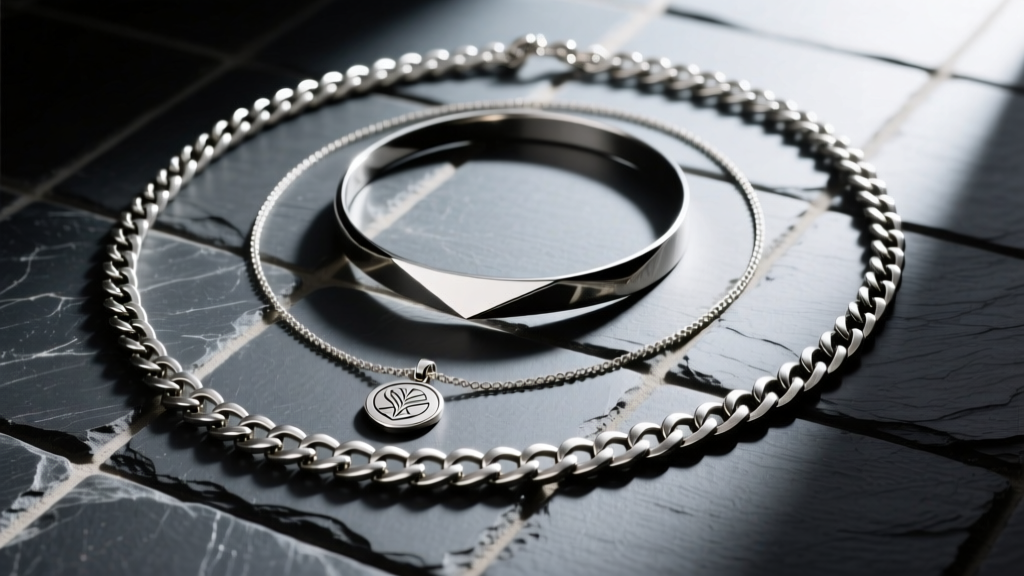
When building a three-piece layering stack, the opera strand (the longest layer) should always have the thickest or most textured profile. For example, pair a 16-inch 1.0mm smooth cable choker, a 20-inch 1.5mm Figaro chain, and a 32-inch 2.5mm twisted rope opera chain. The varying surface textures prevent the links from catching on one another.
Furthermore, pay strict attention to the clasp hardware. Heavy 32-inch chains generate significant downward momentum. Standard 5mm spring-ring clasps will easily pop open under this tension. Always ensure your opera strand is fitted with a 9mm or 12mm lobster claw clasp, which features a stronger internal spring and a wider gate for secure closure. According to the Fire Mountain Gems Encyclopedia, matching the clasp weight to the chain gauge is essential for preventing accidental loss in layered configurations.
Maintenance: Preserving the Drape and Integrity
The longer the necklace, the more it interacts with your environment, making maintenance a critical component of ownership. Silk-threaded pearl opera necklaces are particularly vulnerable. The weight of the pearls combined with the friction of knotting will stretch the silk over time. If you wear a knotted pearl opera strand weekly, it must be professionally re-strung every 12 to 18 months to prevent the thread from snapping.
For metal opera chains, storage is your primary defense against permanent deformation. Never hang a heavy 36-inch gold chain on a standard jewelry hook; the gravitational pull will stretch the softer links (especially in 18k and 22k gold). Instead, store the chain coiled in a figure-eight pattern inside a lined jewelry box to distribute the tension evenly.
"When cleaning porous materials like pearls, turquoise, or opals often found in vintage opera strands, never use ultrasonic cleaners. The high-frequency vibrations can fracture the nacre or shatter the stones. Stick to a damp, lint-free microfiber cloth."
For comprehensive care instructions on organic gems, the Gemological Institute of America (GIA) strongly advises against using harsh chemical dips on pearl strands, as these will dissolve the silk thread and strip the pearl's natural orient. By respecting the material limits and mastering these structural knots, your opera necklace will transition from a forgotten heirloom to your most powerful styling tool.


