Beginner's Guide to Different Necklace Styles & Necklines
Master the basics of jewelry styling. Our beginner-friendly guide breaks down different necklace styles, lengths, and how to match them to any neckline.

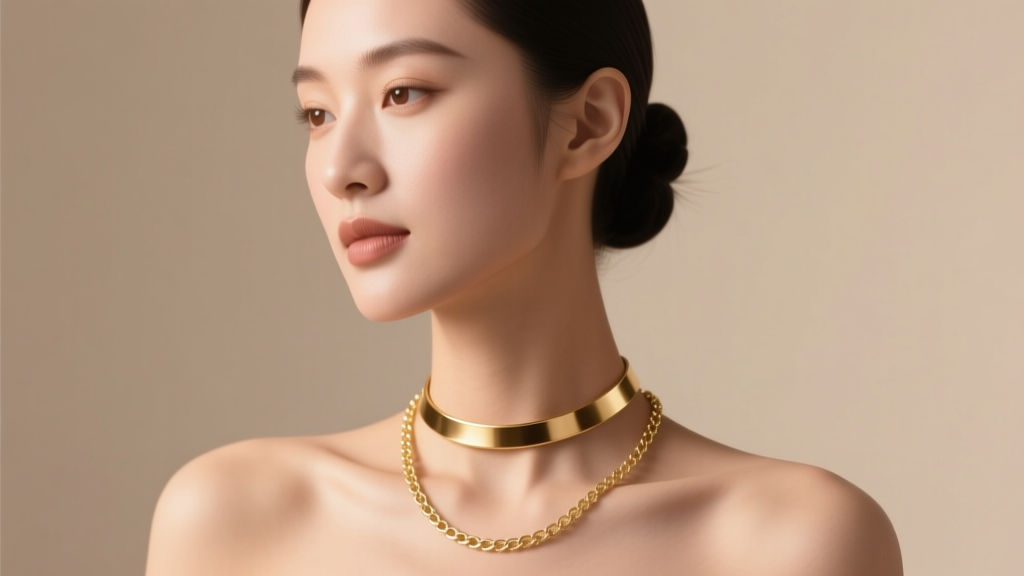
Navigating the world of jewelry can feel overwhelming when you are first building your collection. With countless chain weaves, metal grades, and length variations, finding the perfect piece requires more than just a good eye—it requires a basic understanding of jewelry anatomy. Whether you are shopping for your first solid gold chain or trying to untangle the mechanics of layering, understanding the nuances of different necklace styles is the foundation of effortless personal styling.
In this beginner-friendly explainer, we will decode standard necklace lengths, break down popular chain weaves, and provide a data-backed framework for matching your jewelry to your wardrobe's necklines.
The Core Measurements: Standard Necklace Lengths
Before diving into specific chain patterns, you must understand how length dictates where a necklace sits on your body. The jewelry industry relies on standard inch measurements to categorize these styles. Here is the definitive breakdown:
- Collar (12–13 inches): Sits tightly against the base of the neck. Best for open necklines or evening wear.
- Choker (14–16 inches): Rests just above the collarbone. The most versatile length for everyday t-shirts and casual blouses.
- Princess (18 inches): Falls perfectly on the collarbone. This is the industry standard for pendant necklaces and solitaire diamond drops.
- Matinee (20–24 inches): Sits at the top of the cleavage. Ideal for business casual wear and high-neck blouses.
- Opera (28–36 inches): Falls below the bust. Often worn doubled over to create a layered choker effect.
- Rope / Lariat (36+ inches): The longest category, offering maximum versatility for wrapping, knotting, and dramatic layering.
Identifying 5 Core Chain Weaves
When exploring different necklace styles, the chain weave dictates both the durability and the visual weight of the piece. For beginners, focusing on these five foundational weaves will cover 90% of your styling needs.
1. Cable Chain
The most traditional and common chain style. It consists of uniform oval or round links interlocked in a simple pattern. For everyday pendant wear, look for a cable chain with a wire gauge between 1.2mm and 2.0mm. Anything thinner risks snapping under the weight of a stone pendant.
2. Curb Chain
Curb chains feature interlocking links that have been flattened, allowing them to lay flush against the skin. They are highly durable and offer a slightly more masculine or utilitarian aesthetic. A 3.0mm to 5.0mm curb chain makes a fantastic standalone statement piece.
3. Figaro Chain
Originating in Italy, the Figaro pattern alternates between two or three short circular links and one elongated oval link. It adds visual texture without the bulk of a heavy curb chain, making it a favorite for subtle layering.
4. Box Chain
Constructed from square links connected to form a smooth, continuous, four-sided box. Box chains are incredibly strong and reflect light beautifully due to their flat surfaces. They are the premier choice for heavier gemstone pendants because they resist kinking.
5. Rope Chain
Twisted metal links spiral together to mimic the look of a woven rope. This weave catches the light from multiple angles, giving the illusion of a thicker, more substantial piece of jewelry even at lower gram weights.
Matching Different Necklace Styles to Necklines
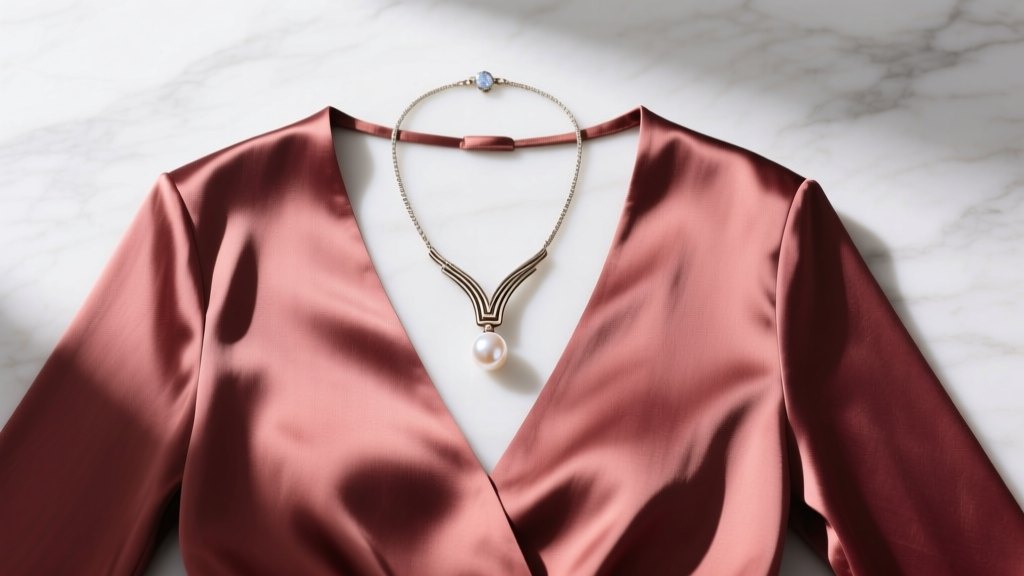
The most common mistake beginners make is pairing the wrong necklace length with a conflicting neckline. The goal is to complement the geometric lines of your clothing, not fight against them. Use the framework below to ensure your jewelry enhances your outfit.
| Neckline Type | Best Necklace Style | Styling Logic |
|---|---|---|
| Crew Neck | 16" Choker or 18" Princess with a prominent pendant | Sits just above or directly on the fabric collar, framing the face without tangling in the hem. |
| V-Neck | 18" Princess Y-Necklace or Lariat | Mimics and elongates the V-shape of the garment, drawing the eye downward gracefully. |
| Scoop Neck | 14" Choker or multi-strand 16" Collar | Fills the negative space of the wide, curved neckline without extending past the fabric's edge. |
| Turtleneck | 24" Matinee or 30" Opera Chain | Breaks up the solid block of fabric on the chest; requires a longer drop to sit visibly on the garment. |
| Off-the-Shoulder | 12" Collar or 14" Choker | Keeps the jewelry strictly on the skin above the fabric line, highlighting the exposed collarbones. |
Material Grades and Clasp Mechanics
Understanding metal grades is critical for avoiding allergic reactions and ensuring longevity. According to the Gemological Institute of America (GIA), pure 24k gold is too soft for daily wear chains, which is why it is alloyed with metals like copper and zinc to create 14k or 18k gold.
If you are shopping on a budget, you will likely encounter "Gold Vermeil." Be aware that the Federal Trade Commission (FTC) strictly regulates this term. True vermeil must have a sterling silver base (not brass) and be plated with at least 2.5 microns of 10k gold or higher. Standard "gold-plated" jewelry often uses a brass base with a microscopic 0.5-micron gold flash that will wear off in weeks.
Clasp Hardware: What to Look For
The clasp is the most common point of failure on any chain.
- Lobster Claw: The gold standard for everyday chains. It features a spring-loaded lever that is secure and easy to operate.
- Spring Ring: A small circular clasp common on budget jewelry. It is difficult to open one-handed and the internal spring frequently jams.
- Toggle (T-Bar): A bar that slips through a circular loop. This relies on the weight of the necklace to stay closed, making it the best choice for heavy Opera or Rope chains.
The 2-Inch Rule for Layering
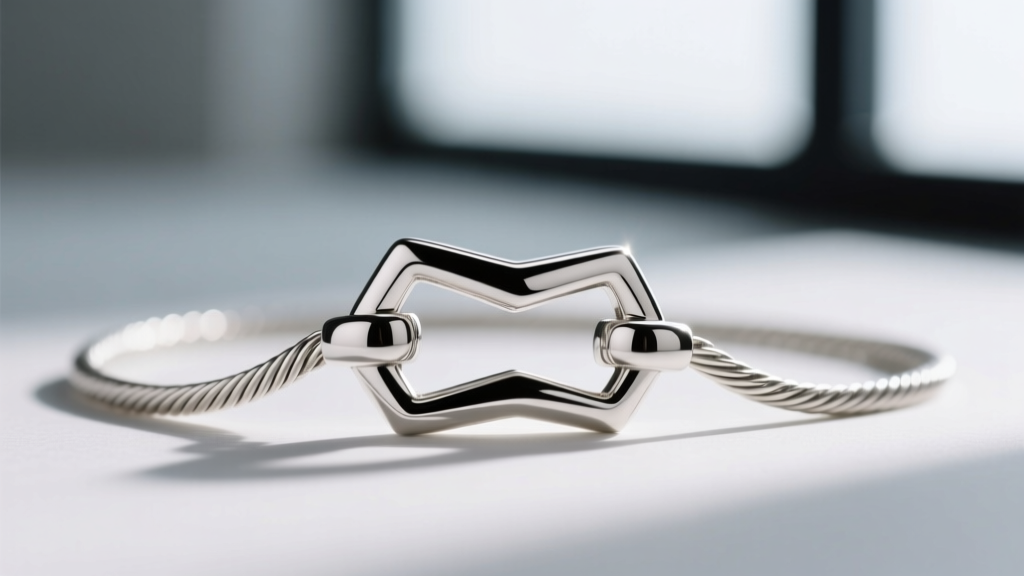
Layering different necklace styles is a hallmark of modern jewelry styling, but it often results in a tangled mess. To achieve a curated look without the frustration, apply the 2-Inch Rule.
"When layering two or more chains, ensure there is a minimum of a 2-inch difference in length between each piece. This prevents the pendants from colliding and drastically reduces the friction that causes chains to knot."
For a classic three-chain stack, start with a 14-inch choker (like a delicate 1.5mm Figaro), add an 18-inch Princess chain featuring a mid-weight pendant, and finish with a 22-inch Matinee chain featuring a heavier, textured link like a Curb. If you struggle with tangling, invest in a "necklace spacer clasp"—a single hardware piece that anchors multiple chains at the back of your neck, keeping them perfectly parallel.
Final Thoughts for Beginners
Building a versatile jewelry collection does not require buying every trend. By mastering the core measurements, understanding how different necklace styles interact with your wardrobe's necklines, and prioritizing quality materials like solid 14k gold or regulated vermeil, you can curate a collection that elevates your daily style for years to come. Start with an 18-inch Princess cable chain and a 14-inch curb choker, and build your unique aesthetic from that solid foundation.


