The Necklace Necklace Necklace Stack: 2026 Layering Guide
Master the necklace necklace necklace stack with our 2026 buying guide. Learn exact chain widths, lengths, and materials for a tangle-free triple layer.

The Anatomy of a Perfect Triple Stack
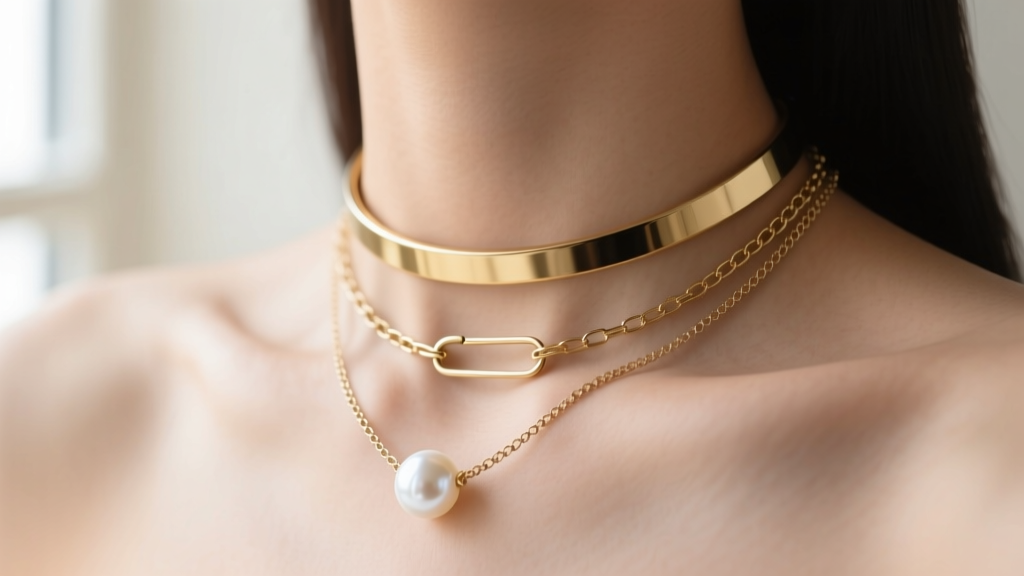
The search for the ultimate 'necklace necklace necklace' combination has dominated jewelry trend forecasts for 2026. This isn't just about throwing three chains together; it is a calculated exercise in visual weight, metallurgy, and spatial distribution. A successful triple stack relies on the 1-2-3 rule of proportional scaling. If your chains are too similar in width or length, they will clump into a single, messy metallic blur. If they are spaced too far apart, the cohesive 'stack' effect is lost.
To achieve the optimal cascade, your first layer should sit at 14 to 15 inches (choker/collarbone length), the second at 16 to 17 inches, and the third at 18 to 20 inches. The critical metric here is the pendant drop ratio. If your middle chain features a 10mm pendant, your bottom chain must feature a pendant no smaller than 15mm to anchor the visual triangle. According to trend analysts at JCK Online, the modern consumer is moving away from identical chain styles, favoring mixed textures that catch light at different angles.
Material Grades & Clasp Mechanics
When layering three pieces of metal, friction is your biggest enemy. The constant rubbing between chains can wear down plating and weaken jump rings. This makes material selection paramount.
Solid Gold vs. Vermeil in High-Friction Stacks
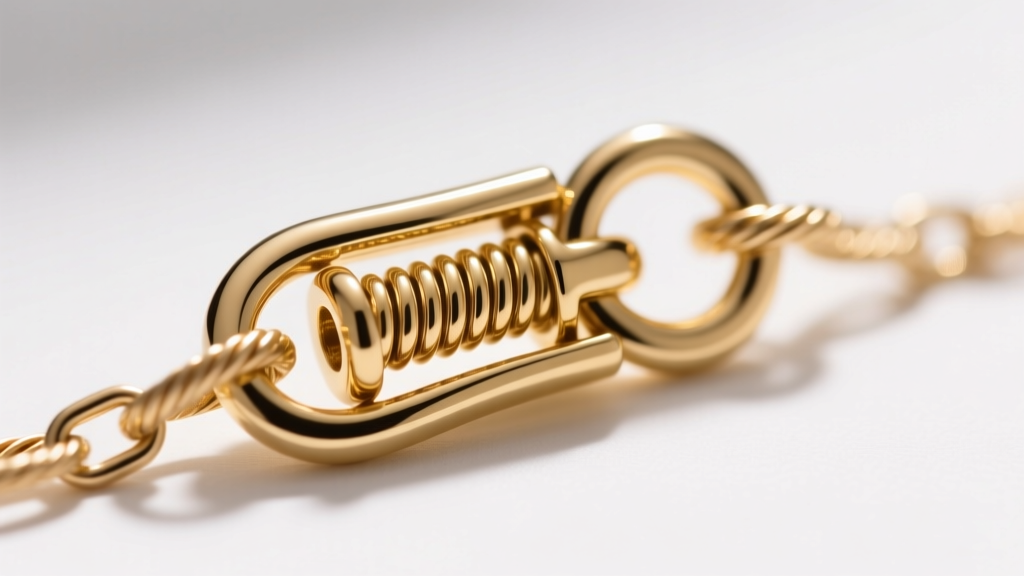
For the bottom layer—which bears the most weight and swings the most—14k solid gold is superior to 18k. The higher copper and zinc alloy content in 14k gold gives it a Vickers hardness of approximately 140-160 HV, compared to 18k's softer 120-130 HV. This means 14k is significantly more resistant to the micro-abrasions caused by a triple stack. If you are buying gold vermeil, the Federal Trade Commission (FTC) mandates a minimum of 2.5 microns of gold plating over sterling silver. However, for a necklace necklace necklace stack where chains grind together daily, demand a minimum of 3.0 to 4.0 microns from your jeweler to prevent the silver core from showing through within six months.
Clasp Engineering
Never use spring ring clasps for chains wider than 1.5mm or heavier than 4 grams. The internal spring mechanism in a standard 5mm spring ring lacks the tensile strength to support the kinetic pull of a layered stack. Upgrade to a 7mm or 9mm lobster clasp with a soldered jump ring. An unsoldered jump ring will eventually pull apart under the pendulum effect of a heavy bottom layer.
The 2026 Proportion Matrix
Use this structural blueprint to ensure your three layers complement rather than compete with one another. This matrix is optimized for standard V-neck and crew-neck necklines.
| Layer Position | Ideal Length | Chain Style | Wire Width (Gauge) | Pendant/Charm Drop |
|---|---|---|---|---|
| Top (Anchor) | 14' - 15' | Cable or Bead | 1.0mm - 1.5mm | None or 3mm micro-charm |
| Middle (Bridge) | 16' - 17' | Paperclip or Oval | 2.5mm - 3.5mm | 5mm - 8mm geometric drop |
| Bottom (Statement) | 18' - 20' | Curb, Rope, or Box | 4.0mm - 6.0mm | 15mm+ heavy coin or gem |
Troubleshooting the Tangle Factor
The most common failure mode of the necklace necklace necklace trend is the inevitable tangle. This is rarely bad luck; it is usually a failure of chain link geometry.
Chain Links to Avoid
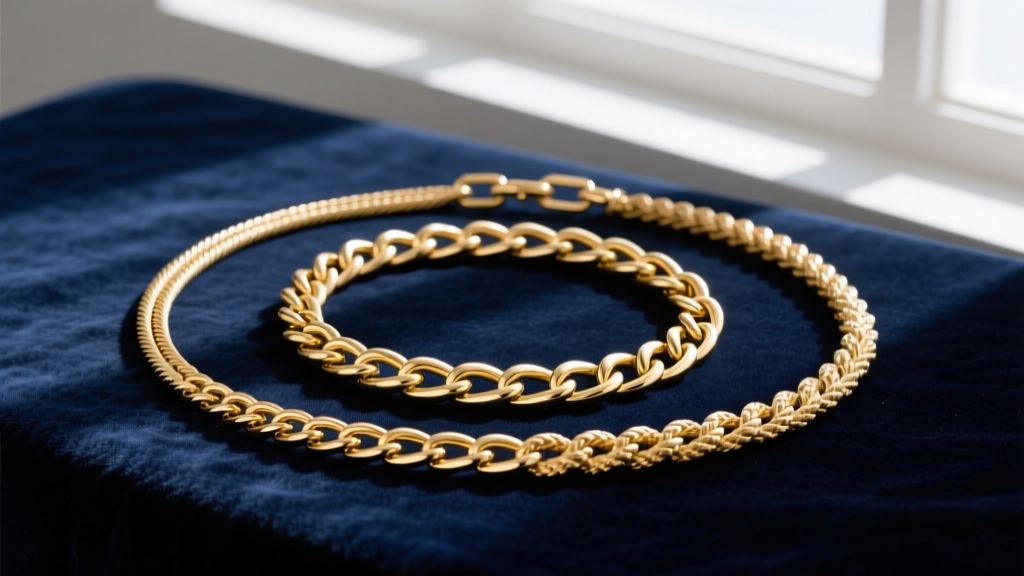
- Snake Chains: The smooth, continuous surface of a snake chain acts like a frictionless slide, allowing adjacent chains to wrap around it instantly.
- Herringbone: While beautiful flat, herringbone kinks easily and its flat blades will aggressively catch the open loops of a cable chain.
- Wheat (Spiga): The woven, directional loops of wheat chains act like microscopic hooks, snagging any delicate 1mm chains layered above them.
The Silicone Stopper Hack
If you must mix a problematic chain into your stack, utilize a 2mm clear silicone O-ring stopper on the back of the neck. By threading both the chain and the clasp through the silicone ring, you create adjustable friction that prevents the chain from sliding forward and wrapping around the bottom pendant.
Investment Tiers: What to Actually Buy
Building a permanent triple stack requires balancing budget with longevity. Here is how to allocate your funds across the three layers based on current market pricing.
Tier 1: The Foundation ($150 - $400)
Your top 14-inch chain should be a simple, high-quality 14k gold cable chain. Brands like Mejuri or Catbird offer soldered-link 1.2mm cables in the $200 range. Because this chain has no heavy pendant, the stress on the links is minimal, making it a safe place to optimize your budget.
Tier 2: The Textural Bridge ($300 - $700)
The 16-inch paperclip or oval chain requires more metal, driving up the price. Look for hollow-core paperclip chains if you want the 4mm aesthetic without the 10-gram solid gold price tag, but be aware that hollow links can dent if caught on heavy winter clothing.
Tier 3: The Statement Anchor ($600 - $2,500+)
The bottom 18-inch chain is where you invest in gemological quality. According to the Gemological Institute of America (GIA), ensuring your bottom pendant features a bezel-set stone rather than a prong-set stone is vital for layered jewelry. Prongs will continuously scratch the middle chain in your stack, while a smooth bezel setting allows the chains to glide over one another safely.
Final Fitting Checklist
Before finalizing your necklace necklace necklace purchase, perform the 'Sit and Stand' test. Chains shift dramatically when you move from standing to sitting. Ensure the bottom pendant does not flip upside down when you lean forward, which often happens if the bail (the loop holding the pendant) is too wide for the chain. A properly fitted triple stack should look just as intentional from a seated desk posture as it does standing up.


