The Ultimate Beginner Guide to the 4 Leaf Necklace
Explore our beginner guide to the 4 leaf necklace. Learn about materials, luxury vs. demi-fine options, and how to style this timeless lucky charm.

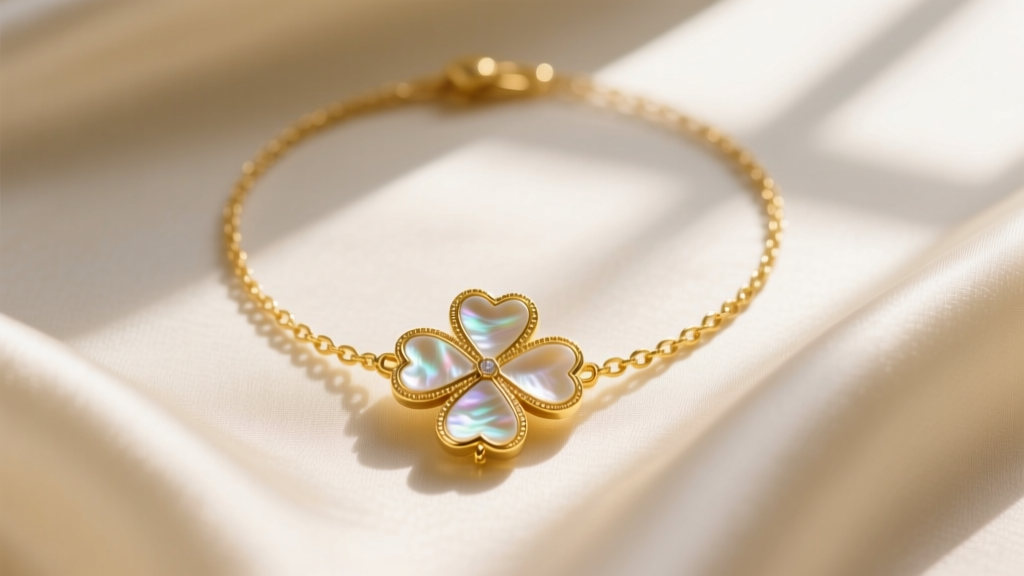
More Than Just a Lucky Charm: Understanding the Motif
When most people search for a 4 leaf necklace, they are visually referencing the iconic quatrefoil motif popularized by Van Cleef & Arpels in 1968. While colloquially called a four-leaf clover, the design is actually a quatrefoil—a symmetrical, four-lobed shape rooted in Gothic and Renaissance architecture, specifically inspired by the intricate tile work of the Alhambra Palace in Granada, Spain. Understanding this distinction is the first step in appreciating the architectural precision required to craft a high-quality pendant. A well-proportioned motif relies on perfect symmetry; if you draw an X through the center of the pendant, all four quadrants must mirror each other flawlessly. In this beginner-friendly guide, we will break down the anatomy, materials, and structural integrity of the 4 leaf necklace, helping you navigate everything from luxury heirlooms to accessible demi-fine alternatives.
The Anatomy of a Quality 4 Leaf Pendant
A premium 4 leaf necklace is not merely a stamped piece of metal; it is a composite of precision-engineered components. The standard 'Vintage' motif measures approximately 15mm across, while 'Mini' versions sit around 12mm. The structural integrity of the pendant relies heavily on the bezel setting. In high-end manufacturing, the gemstone inlay is friction-fit or secured with specialized, temperature-resistant jeweler's epoxy into a milled gold bezel. Cheaper, mass-produced alternatives often rely on standard cyanoacrylate glues, which degrade when exposed to perfumes, lotions, and body heat, eventually causing the inlay to pop out. Furthermore, the jump ring—the small loop connecting the pendant to the chain—should be soldered shut. An open jump ring will inevitably warp under the weight of the pendant, leading to loss. Always inspect the bail and jump ring under a loupe or macro lens before purchasing.
Decoding the Inlay Materials (and Their Hidden Weaknesses)
The visual appeal of a 4 leaf necklace is defined by its inlay, but not all stones are created equal regarding durability. According to the Gemological Institute of America (GIA), gemstone hardness is measured on the Mohs scale, which dictates how easily a material will scratch or chip during daily wear.
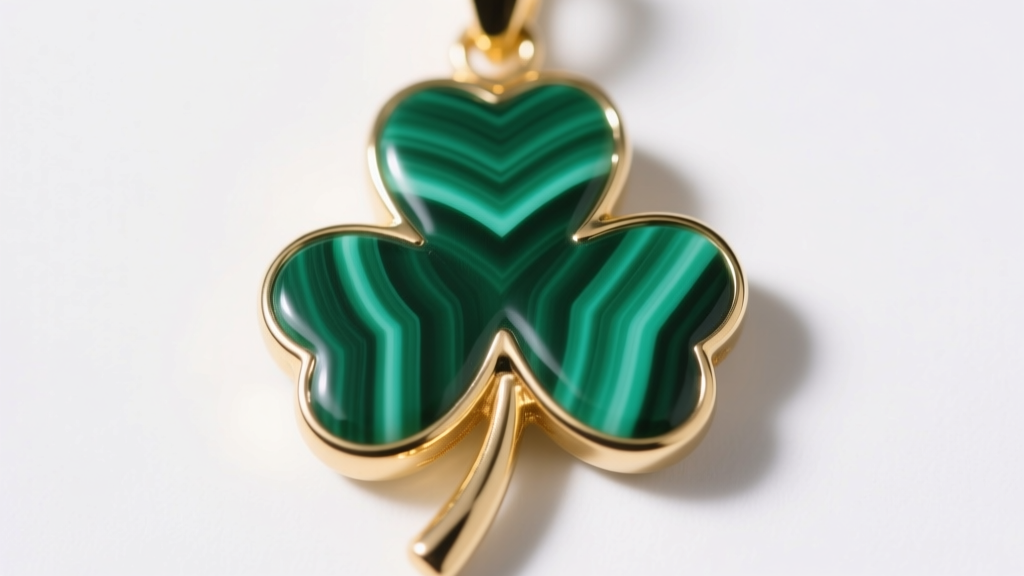
- Mother of Pearl (MOP): Scoring a mere 2.5 to 3.0 on the Mohs scale, MOP is incredibly soft. It offers a beautiful iridescent luster but is highly susceptible to micro-scratches and acid erosion from sweat or citrus. It must be stored separately from harder gems.
- Malachite: Scoring 3.5 to 4.0, this vivid green, banded copper carbonate is porous and sensitive to heat. Prolonged exposure to direct sunlight or hot water can alter its vibrant color profile and cause structural micro-fractures.
- Black Onyx: Scoring 6.5 to 7.0, onyx is a dyed chalcedony and by far the most durable traditional inlay for this motif. It resists scratching and handles daily wear beautifully, making it the best choice for a 4 leaf necklace intended for 24/7 use.
- Carnelian: Scoring 6.5 to 7.0, this warm reddish-orange quartz is highly stable, though prolonged UV exposure can occasionally cause slight fading over several years.
Market Tiers: What Are You Actually Paying For?
The pricing disparity in the 4 leaf necklace market is vast. Understanding what drives these costs will help you align your purchase with your budget and longevity expectations.
| Tier | Typical Price Range | Materials & Construction | Longevity & Value |
|---|---|---|---|
| Costume | $20 - $80 | Brass base, gold plating (0.5 microns), glued glass or shell inlays. | Low. Plating wears off in months; high risk of skin irritation and inlay loss. |
| Demi-Fine | $150 - $450 | Sterling silver base, heavy gold vermeil (2.5+ microns), genuine semi-precious inlays. | Medium. Excellent for trend-driven wear. Requires careful maintenance to preserve vermeil. |
| Fine / Luxury | $3,500 - $12,000+ | Solid 18k yellow/rose/white gold, premium graded inlays, hand-finished bezels. | High. Generational heirloom quality. Holds secondary market value exceptionally well. |
Chain Mechanics and Clasp Durability
The pendant is only half the equation; the chain dictates the necklace's overall drape and security. For a standard 15mm motif weighing between 2 to 4 grams, a delicate 0.8mm cable chain is visually appropriate but structurally vulnerable if caught on clothing. For daily wear, opt for a 1.2mm to 1.5mm rounded cable chain or a lightweight paperclip chain. Paperclip chains offer superior tensile strength due to their elongated, interlocking links, which distribute weight more evenly than traditional circular cable links.
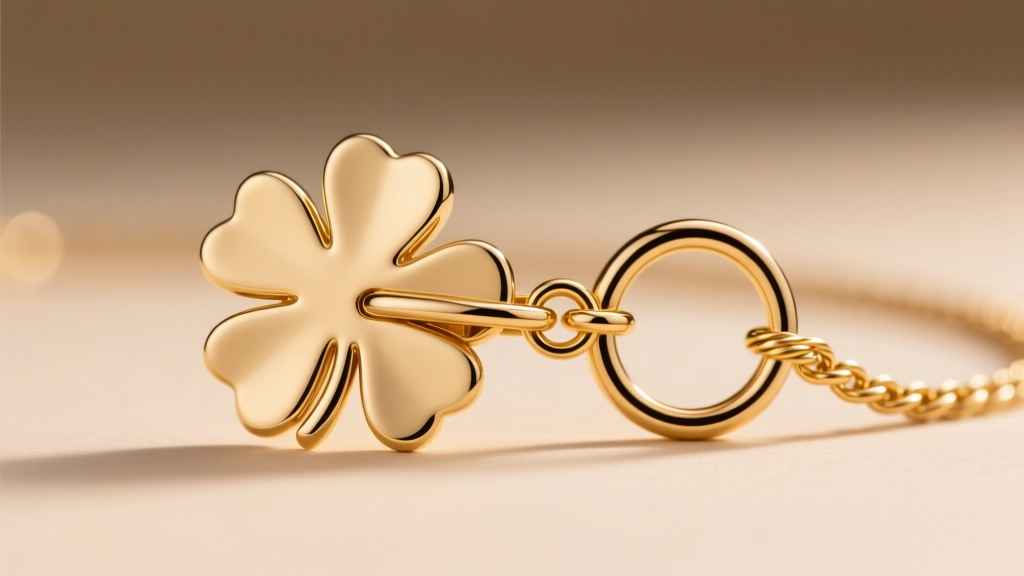
Equally critical is the clasp. Avoid spring-ring clasps, which feature thin internal wire springs that frequently snap or fail to close completely. A solid lobster clasp with a soldered jump ring on the opposing end is the industry standard for security. When evaluating a piece, pull gently on the clasp mechanism; it should spring back with firm resistance, indicating a high-quality internal tension spring.
Layering Frameworks for Modern Styling
The 4 leaf necklace is inherently classic, but styling it requires a modern approach to avoid looking dated. The key to contemporary layering is contrasting textures and maintaining a minimum two-inch length differential between chains. If your 4 leaf pendant sits on a 16-inch cable chain, pair it with an 18-inch or 20-inch heavy rope chain or a textured herringbone. This creates a cascading visual effect that prevents the necklaces from tangling while allowing the quatrefoil motif to remain the focal point. For a balanced aesthetic, keep the secondary chains devoid of pendants, utilizing simple gold or silver links to frame the central lucky charm.
The Golden Rules of Care and Maintenance
Proper maintenance is non-negotiable, especially for softer inlays like MOP and malachite. The most common mistake beginners make is using ultrasonic jewelry cleaners. According to Jewellers of America, ultrasonic waves create microscopic cavitation bubbles that can easily shatter porous stones, fracture malachite banding, and dissolve the adhesives holding the inlay in place. Instead, adopt a gentle cleaning framework: use a few drops of mild, phosphate-free dish soap in lukewarm water. Dip a baby-hair toothbrush into the solution and gently brush only the metal bezel and chain, avoiding direct scrubbing on the gemstone inlay. Rinse with distilled water to prevent hard water spotting, and pat dry immediately with a microfiber cloth. Store your necklace flat in a felt-lined box to prevent the chain from kinking and the inlay from scratching against harder jewelry pieces.


