Beginner Guide: Choosing a Leather Cord Necklace Pendant
Discover how to choose, style, and maintain a leather cord necklace pendant. Learn about cord thickness, bail sizing, and leather types in our guide.

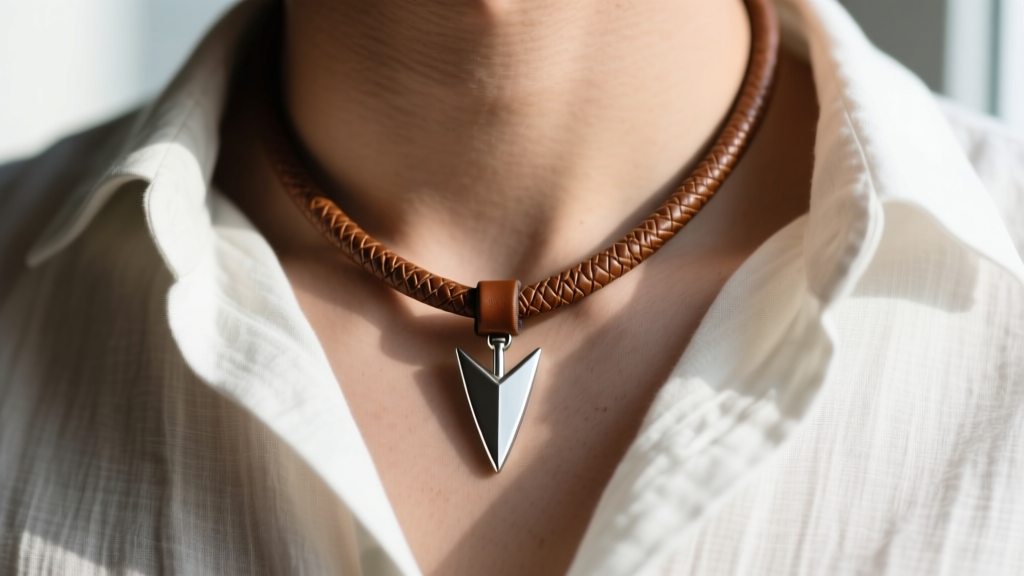
The Anatomy of a Timeless Staple
A leather cord necklace pendant is one of the most versatile, enduring pieces in any jewelry collection. Unlike delicate metal chains that can kink or snap under pressure, leather offers a rugged yet refined aesthetic that bridges the gap between casual streetwear and bohemian chic. However, beginners often make critical mistakes when pairing a leather cord with a pendant, leading to frayed cords, broken clasps, or damaged stones. This guide breaks down the exact specifications, material grades, and structural frameworks you need to build a piece that lasts for decades, not just months.
Decoding Leather Types: Which Hide is Right for You?
Not all leather is created equal. The structural integrity of your necklace depends entirely on the grade and finish of the hide. According to the Leather Working Group, understanding the tanning and splitting process is crucial for predicting how a cord will age against your skin.
- Top-Grain Leather (2mm - 3mm): The outermost layer of the hide, sanded to remove imperfections. It offers the highest tensile strength and resists stretching. Ideal for heavy pendants (20g+).
- Suede / Split Leather (1.5mm - 2mm): Cut from the lower layers of the hide, suede has a velvety texture but lacks the tight fiber structure of top-grain. It is highly prone to stretching and absorbing sweat. Best reserved for lightweight, delicate pendants under 10g.
- Braided Leather (3mm - 6mm): Multiple strips of leather woven together. This multiplies the tensile strength and creates a thick, textured rope effect. Excellent for heavy, oversized statement pieces.
- Vegan / PU Leather: A polyurethane coating over a fabric backing. While cruelty-free, PU leather is highly susceptible to peeling at the clasp connection points due to repeated friction and moisture exposure.
The Golden Ratio: Cord Thickness vs. Pendant Weight
The most common mistake beginners make is threading a heavy stone pendant onto a thin suede cord, which inevitably leads to snapping. Conversely, forcing a thick braided cord through a tiny bail will strip the leather's outer layer. Use this data table to match your cord to your pendant.
| Cord Thickness | Leather Type | Max Pendant Weight | Ideal Bail Inner Diameter |
|---|---|---|---|
| 1.0mm - 1.5mm | Suede, Round Cord | Up to 12g | 2.0mm - 2.5mm |
| 2.0mm | Top-Grain, Flat | 12g - 30g | 3.0mm - 4.0mm |
| 3.0mm | Top-Grain, Braided | 30g - 60g | 4.5mm - 6.0mm |
| 4.0mm+ | Heavy Braided | 60g+ | 7.0mm+ (or Wire-Wrapped) |
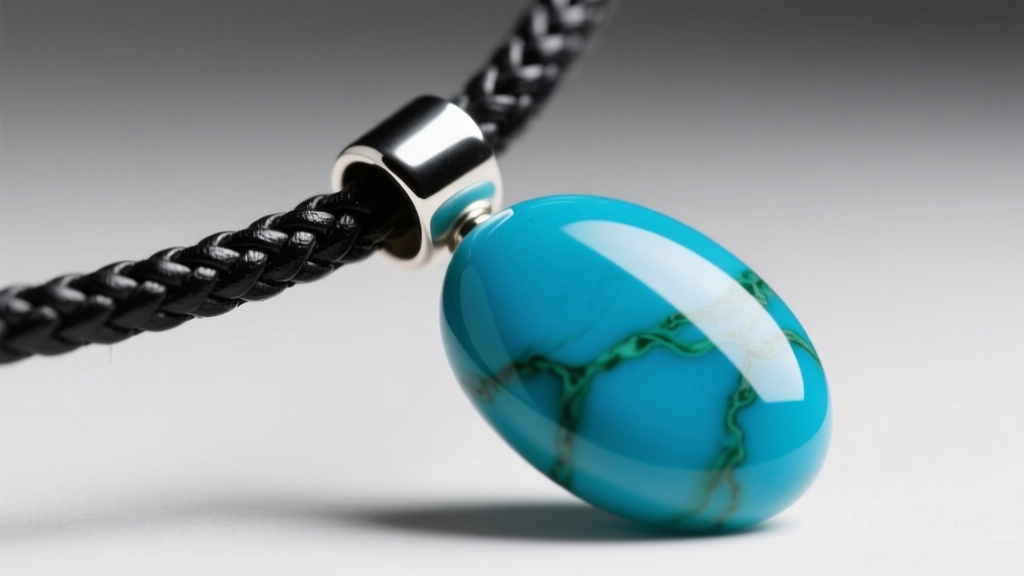
Securing the Piece: End Caps, Clasps, and Adhesives
How you terminate the ends of your leather cord necklace pendant dictates its lifespan. Leather is porous and compressible, meaning standard crimp beads used on wire will simply slide off over time.
Choosing the Right End Cap
For cords under 2mm, coil ends (spring-like metal wraps) provide excellent grip without requiring glue. For thicker 3mm+ cords, you must use fold-over crimps or ribbon clamps that mechanically bite into the leather. Always leave a 2mm gap between the leather end and the clasp jump ring to prevent metal-on-leather friction.
The Adhesive Trap: Why Super Glue Fails
Never use cyanoacrylate (Super Glue) to secure leather end caps. Cyanoacrylate cures into a hard, brittle plastic. When the leather naturally flexes and bends against your neck, the brittle glue shatters, and the clasp pops off. Instead, use a flexible two-part jewelry epoxy or a specialized elastomeric adhesive like E6000, which cures into a flexible rubber that moves with the hide.
Troubleshooting Common Failure Modes
Even with the right materials, environmental factors can destroy a leather cord. Here is how to troubleshoot the most frequent issues:
Pro Tip: If your pendant has a sharp, unpolished metal bail, it will act like a saw blade against the leather cord every time you move. Always sand the inside of a metal bail with 800-grit sandpaper, or use a wire-wrapped bail with a smooth inner loop to protect the hide.
- Sweat Degradation: Human sweat is slightly acidic (pH 4.5 to 7.0) and contains salts that break down the collagen fibers in leather, causing it to stiffen and crack. Solution: Wipe the cord with a barely damp microfiber cloth after heavy wear, and let it air dry away from direct heat.
- Bail Fraying: Caused by a pendant that is too heavy for the cord, creating a fulcrum point that bends the leather at a sharp 90-degree angle. Solution: Upgrade to a wider, flatter bail that distributes the weight across a broader surface area of the cord.
- Stretching: Suede cords will permanently stretch if worn in the shower or while swimming. Solution: Never submerge suede. If a cord stretches, you will need to re-cut and re-glue the end caps.
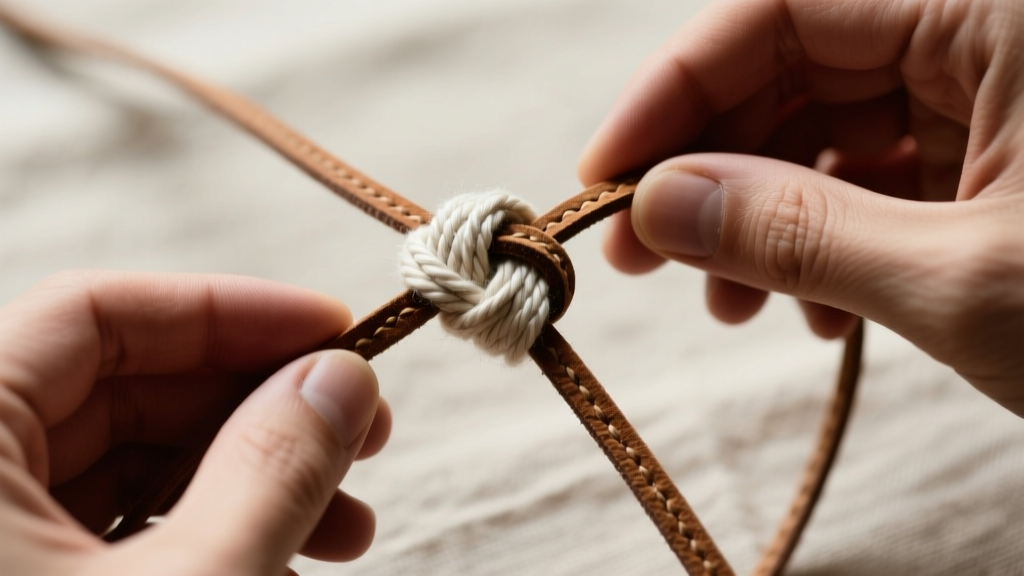
Styling Frameworks: Necklines and Occasions
A leather cord necklace pendant is inherently casual, but the length and pendant style can elevate it for different settings. The Gemological Institute of America (GIA) notes that proper proportion is key to balancing jewelry with clothing architecture.
- The Choker (14 - 16 inches): Best paired with V-necks or scoop necks. A small, minimalist metal pendant on a thin 1.5mm cord sits perfectly in the clavicle hollow, drawing the eye upward.
- The Princess (18 inches): The most versatile length. It rests just below the collarbone and works flawlessly over crew-neck t-shirts or casual button-downs. Ideal for medium-sized gemstone pendants.
- The Matinee (20 - 24 inches): Perfect for layering over turtlenecks or heavy winter sweaters. Use a 3mm braided cord with a large, heavy pendant (like a raw crystal or carved bone) to ensure the piece isn't swallowed by thick fabrics.
Long-Term Care and Maintenance Routine
To keep your leather cord supple and prevent dry rot, implement a simple maintenance schedule. Every three to four months, apply a high-quality leather conditioner (such as Bick 4 or Lexol) to the cord. Apply a dime-sized amount to a soft cloth and rub it into the leather, avoiding the metal clasp and the pendant bail. Let it absorb for 15 minutes, then buff off the excess. This replenishes the natural oils lost to friction and environmental exposure, ensuring your leather cord necklace pendant remains a staple in your wardrobe for years to come.


