The Beginner's Guide to Styling a Long Turquoise Necklace
Discover how to choose, authenticate, and style a long turquoise necklace. Learn about stone treatments, matrix types, and layering techniques.

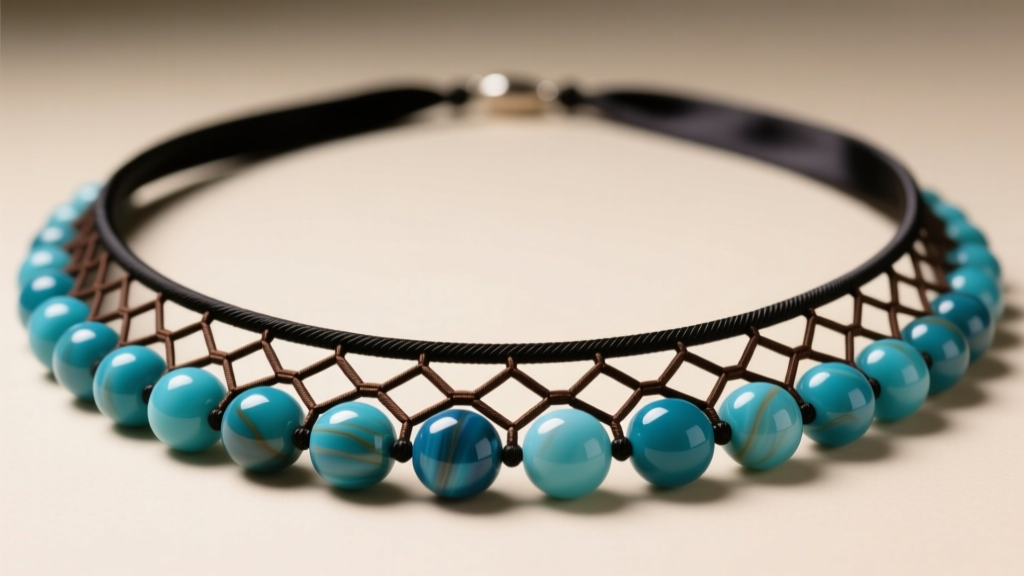
The Allure of the Long Turquoise Necklace
A long turquoise necklace is a cornerstone of versatile jewelry styling, bridging the gap between Southwestern heritage and modern bohemian chic. Unlike shorter chokers or princess-length chains, long strands—typically ranging from 28 to 45 inches—offer dynamic movement and unparalleled layering potential. However, for beginners, navigating the turquoise market can be daunting. The gemstone market is flooded with imitations, heavily altered stones, and misleading terminology. This guide breaks down the exact specifications, treatments, and styling mechanics you need to know before investing in your first authentic long turquoise strand.
Decoding Turquoise: Natural vs. Treated Stones
The most critical lesson for any beginner is understanding that over 90% of the turquoise on the commercial market has undergone some form of treatment. Because natural turquoise is a relatively soft, porous phosphate mineral (ranking 5 to 6 on the Mohs hardness scale), it is often stabilized to survive the jewelry-making process and daily wear. According to the Gemological Institute of America (GIA), understanding these treatments is vital for determining both value and longevity.
| Treatment Type | Process Description | Durability | Avg. Price (Per Carat) |
|---|---|---|---|
| Natural (Untreated) | Mined, cut, and polished with zero chemical alterations. Highly porous. | Low (Scratches/Stains easily) | $5.00 - $15.00+ |
| Stabilized | Infused with clear epoxy resin under high pressure to harden the stone. | High (Excellent for daily wear) | $1.00 - $3.00 |
| Zachery Treated | A proprietary method using a potassium/sodium silicate solution to reduce porosity without polymers. | High (Retains natural feel) | $3.00 - $8.00 |
| Dyed / Color-Enhanced | Stabilized stones that are also infused with blue or green dyes to improve color uniformity. | Medium (Color may fade over decades) | $0.50 - $1.50 |
| Reconstituted | Turquoise dust and chalk bound together with epoxy and molded into blocks before cutting. | Low (Considered imitation by purists) | $0.10 - $0.50 |
Expert Tip: For a long beaded necklace that you plan to wear frequently, stabilized turquoise is actually the superior choice. It resists the oils, lotions, and sweat that would permanently darken or degrade untreated natural stones.
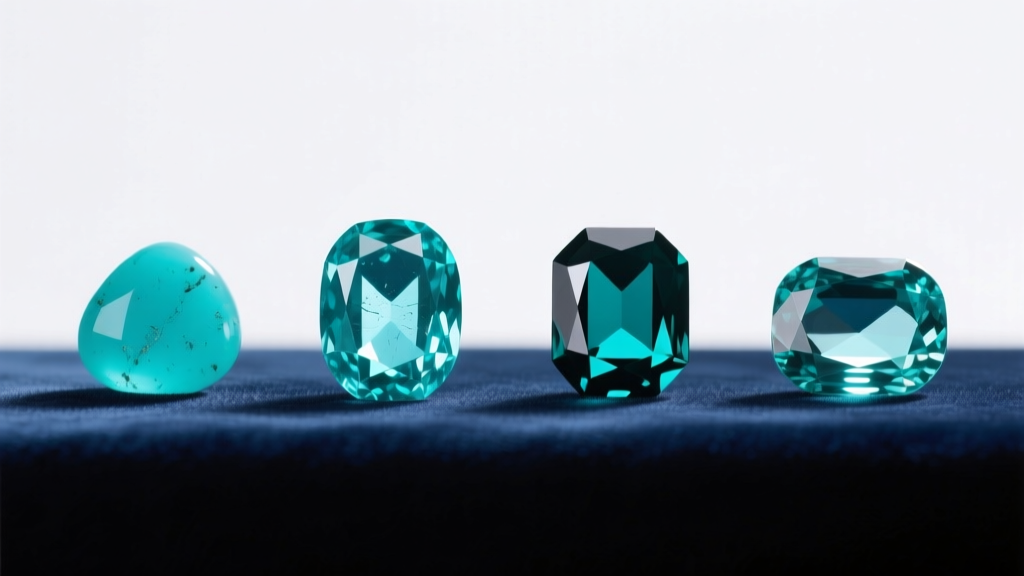
Understanding Matrix and Color Variations
The 'matrix' refers to the host rock or mother stone that remains embedded in the turquoise cabochon or bead. The International Gem Society (IGS) notes that the matrix acts as a fingerprint, often revealing the exact mine of origin. When selecting a long turquoise necklace, you will generally encounter three primary aesthetic profiles:
- Sleeping Beauty (Arizona): Famous for its solid, uniform sky-blue color with little to no matrix. This is the most sought-after turquoise for high-end, clean-lined jewelry and commands a premium price.
- Kingman (Arizona): Known for its stunning 'spiderweb' matrix, where fine black or brown veins of limonite or iron pyrite create intricate net-like patterns across a bright blue background.
- Royston (Nevada): Prized for its dramatic two-tone color shifts, featuring deep forest greens transitioning into soft sky blues, heavily contrasted by thick, golden-brown matrix webbing.
Sizing, Proportions, and Stringing Mechanics
The drape of a long turquoise necklace is entirely dependent on its exact length and the stringing material used. Mass-produced necklaces often use cheap nylon-coated steel wire (like Beadalon), which can kink, fray, and eventually snap under the heavy weight of stone beads.
The Opera Length (28 to 34 Inches)
An opera-length strand falls gracefully below the bust line. This length is ideal for wearing over high-necked garments, turtlenecks, or as a doubled-strand choker. When purchasing an opera-length piece, ensure the beads are hand-knotted on heavy-duty silk thread. Hand-knotting prevents the beads from grinding against one another and ensures that if the necklace breaks, you only lose one bead rather than the entire strand.
The Rope Length (34 to 45+ Inches)
Rope-length necklaces offer maximum versatility. They can be wrapped three times for a chunky, multi-strand collar look, or left to hang low over a maxi dress to create a vertical line that elongates the torso. Because of the extreme weight of a 40-inch stone necklace, look for designs that incorporate smaller bead diameters (6mm to 8mm) rather than massive 12mm beads, which will cause the silk thread to stretch and sag prematurely.

Beginner Layering Techniques for Long Strands
Layering a long turquoise necklace requires a strategic approach to prevent tangling and visual clutter. The golden rule of necklace layering is maintaining a minimum 4-inch to 6-inch gap between each strand.
The 18-24-32 Layering Formula: Start with an 18-inch delicate gold or silver chain resting at the collarbone. Add a 24-inch mid-weight chain featuring a small geometric pendant. Finally, anchor the stack with your 32-inch long turquoise beaded necklace. This creates a cascading 'V' shape that flatters almost every neckline without the heavy stone beads tangling in the finer metal chains.
When wearing your long turquoise strand over patterned clothing, opt for stones with a uniform color (like Sleeping Beauty) to avoid clashing. If you are wearing solid, neutral tones like cream, black, or denim, a highly webbed Kingman or Royston necklace will serve as a striking focal point.
Care and Maintenance: Preventing Stone Damage
Turquoise is highly sensitive to its environment. Because it is a hydrous copper aluminum phosphate, it contains water molecules within its crystal structure. Exposing your necklace to high heat, harsh chemicals, or ultrasonic cleaners can cause the stone to dehydrate, crack, or lose its vibrant color.
To preserve your investment, adopt the 'Put it on Last, Take it off First' rule. Apply your perfumes, hairsprays, and lotions at least ten minutes before clasping your necklace. When removing the piece, gently wipe the beads with a soft, dry microfiber cloth to remove accumulated skin oils and environmental dust. Never store your long turquoise necklace hanging on a jewelry tree; the constant downward pull will permanently stretch the silk thread. Instead, coil it loosely and store it flat in a breathable cotton pouch, away from direct sunlight and extreme temperature fluctuations.


