The Beginner's Guide to Choosing a Pearl and Gold Bead Necklace
Discover how to choose, style, and care for a pearl and gold bead necklace. Learn about pearl grades, gold karats, and stringing essentials.

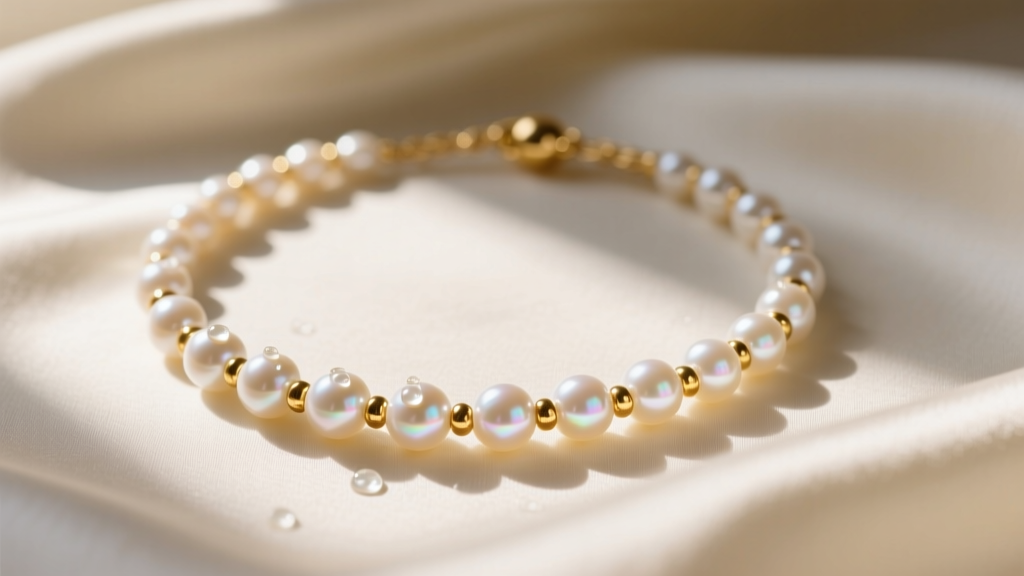
The Timeless Appeal of Pearls and Gold
As we navigate the jewelry landscape in 2026, the shift toward heritage craftsmanship and quiet luxury has cemented the pearl and gold bead necklace as an absolute wardrobe essential. Unlike fleeting micro-trends, this classic combination bridges the gap between vintage elegance and modern minimalism. However, for beginners, the terminology surrounding pearl grading, gold karats, and stringing mechanics can feel overwhelming. This comprehensive explainer will demystify the anatomy of a well-made necklace, empowering you to invest in a piece that offers both exceptional beauty and structural longevity.
Decoding the Materials: Pearls and Gold
The foundation of any premium necklace lies in its raw materials. Understanding the nuances of pearl types and gold purity is the first step in making an informed purchase.
Pearl Types and Grading Factors
Not all pearls are created equal. The two most common varieties used in beaded necklaces are Freshwater and Akoya. Freshwater pearls are cultivated in mussels and are renowned for their diverse shapes and budget-friendly price points ($50 to $250). Akoya pearls, cultivated in saltwater oysters, are the gold standard for perfectly round, highly reflective beads, typically ranging from $300 to over $1,500 for a premium strand.
According to the Gemological Institute of America (GIA), pearls are evaluated on seven distinct value factors: Size, Shape, Color, Luster, Surface Quality, Nacre Quality, and Matching. For a beginner, luster (the sharp reflection of light on the surface) and matching (how uniform the beads are in a strand) are the most critical indicators of quality. A high-luster pearl will reflect a crisp, defined image, whereas a low-luster pearl will appear chalky or dull.
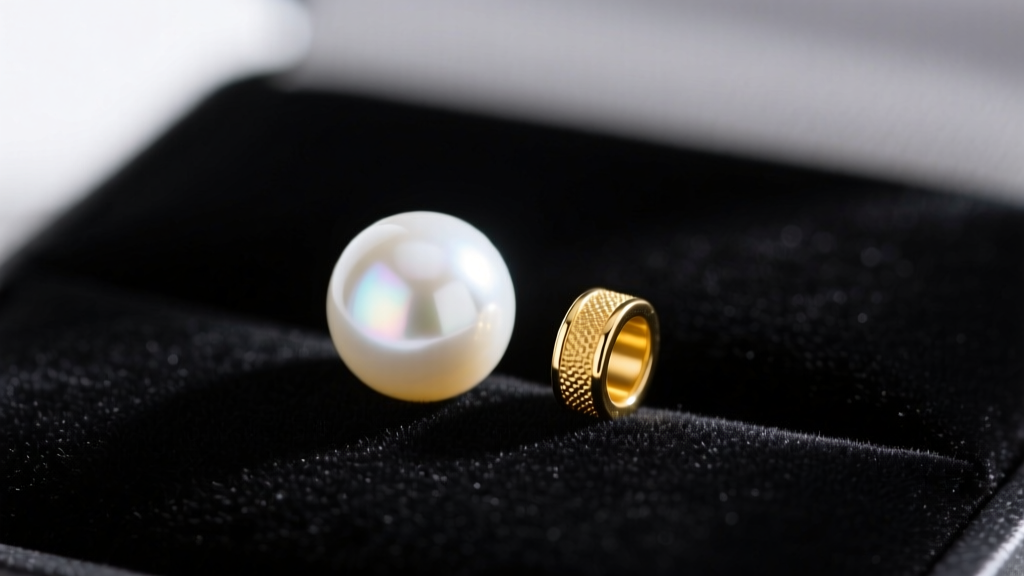
Gold Bead Karats and Finishes
Gold beads act as the perfect metallic foil to the soft iridescence of pearls. The purity of the gold dictates both its color and its durability:
- 14k Gold (58.5% pure): The most practical choice for everyday wear. The higher alloy content makes the beads highly resistant to scratching and denting, while still offering a beautiful, warm yellow hue.
- 18k Gold (75% pure): Offers a richer, deeper yellow color that contrasts stunningly with white pearls. However, it is softer and more prone to surface scratches over time.
- Gold Vermeil vs. Gold-Filled: For budget-conscious beginners, ensure you understand the difference. Vermeil is a thick layer of gold over sterling silver, while gold-filled beads feature a mechanically bonded layer of gold over a brass core. Gold-filled is significantly more durable and will not flake like cheap gold-plated alternatives.
The Anatomy of a Well-Made Necklace
A beautiful pearl and gold bead necklace is only as strong as its internal structure. The stringing method dictates how the necklace drapes, how it withstands tension, and how long it will last before requiring professional maintenance.
Stringing Materials and Knotting
Traditionally, high-end pearl necklaces are strung on 100% natural silk thread (such as Griffin silk). Silk provides an unparalleled, fluid drape that allows the necklace to conform to the collarbone. However, silk is a natural protein fiber that degrades when exposed to moisture, skin oils, and friction. To mitigate this, master jewelers tie individual knots between each pearl and gold bead. This not only prevents bead-on-bead abrasion but also ensures that if the strand snaps, you only lose a single bead rather than the entire necklace.
For a deeper dive into traditional and modern stringing methods, Blue Nile's Pearl Education Guide offers excellent visual references on how knotting impacts the final drape of the jewelry.
Comparing Stringing Materials
| Material | Pros | Cons | Best Used For |
|---|---|---|---|
| Natural Silk Thread | Superior drape, traditional knotting | Stretches and degrades with oils/water | High-end Akoya and round Freshwater pearls |
| Nylon Beading Cord | Highly durable, water-resistant | Slightly stiffer drape than silk | Everyday wear, heavier gold bead accents |
| Stainless Steel Wire | Zero stretch, extreme tensile strength | No knotting, rigid drape, can kink | Heavy gemstone and gold bead combinations |
The Importance of French Wire (Gimp)
One hallmark of a professionally finished pearl and gold bead necklace is the use of French wire, also known as gimp. This is a microscopic, coiled metal spring placed over the silk thread right where it loops through the metal clasp. The French wire protects the delicate silk from being sawed through by the friction of the metal clasp ring, extending the life of the stringing by years.
Sizing, Proportions, and Layering
Selecting the right proportions ensures your necklace complements your neckline and personal style rather than overwhelming it.
Choosing the Right Length and Bead Size
The interplay between bead diameter and necklace length defines the overall aesthetic:
- 16-Inch Choker: Sits snugly at the base of the neck. Best suited for smaller beads (5mm to 6mm) to prevent a bulky, uncomfortable fit.
- 18-Inch Princess: The most versatile length, resting on the collarbone. Ideal for classic 6.5mm to 7.5mm pearls interspersed with small gold spacer beads.
- 24-Inch Opera: Falls below the bust. This length requires larger beads (8mm+) or a dynamic mix of baroque pearls and textured gold beads to maintain visual interest across the long expanse.
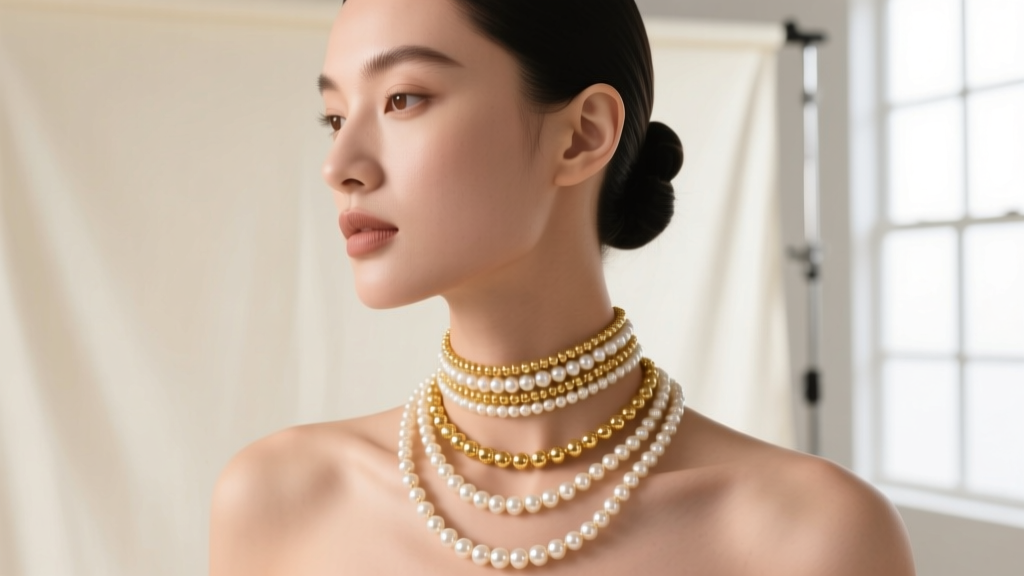
A Beginner's Framework for Layering
Layering a pearl and gold bead necklace with other chains is a hallmark of contemporary styling. The golden rule of layering is maintaining a minimum two-inch gap between strands to prevent tangling and allow each piece to breathe. Pair an 18-inch pearl and gold strand with a 20-inch delicate gold cable chain featuring a single diamond or gold pendant. The contrast between the organic texture of the pearls and the geometric precision of the gold chain creates a sophisticated, multidimensional look.
Care, Maintenance, and Failure Prevention
Pearls are organic gemstones composed primarily of calcium carbonate. This makes them inherently vulnerable to acidic substances. Understanding the chemistry of pearl care is vital for preserving your investment.
Preventing Chemical Degradation
"Pearls are born in water and live on the skin, but they perish in chemicals. Always dress your pearls after your perfume, hairspray, and lotions have completely dried."
The lactic acid in human sweat and the alcohol in perfumes can slowly dissolve the nacre of a pearl, leading to irreversible dullness and pitting. Always wipe your pearl and gold bead necklace with a soft, lint-free microfiber cloth immediately after taking it off to remove invisible oils and acids.
Restringing and Storage
If you wear your silk-strung necklace frequently (once a week or more), it should be professionally restrung every 12 to 18 months. You can tell it is time for restringing if you notice gaps between the knots and the beads, or if the silk feels stiff and discolored. Never store your necklace hanging on a hook, as the weight of the pearls and gold beads will stretch the silk thread over time. Instead, lay it flat in a soft pouch, away from harder gemstones that could scratch the pearl surfaces.
By understanding these foundational elements—from the GIA grading standards to the mechanics of French wire—you are now equipped to select a pearl and gold bead necklace that will remain a cherished, structurally sound staple in your collection for decades to come.


