Belle de Mer Pearl Necklace: 2026 Value & Price Guide
Is a Belle de Mer pearl necklace worth the investment? We break down 2026 pricing, nacre quality, luster grades, and overall value for savvy buyers.

The Belle de Mer Distinction: Beyond the Brand Name
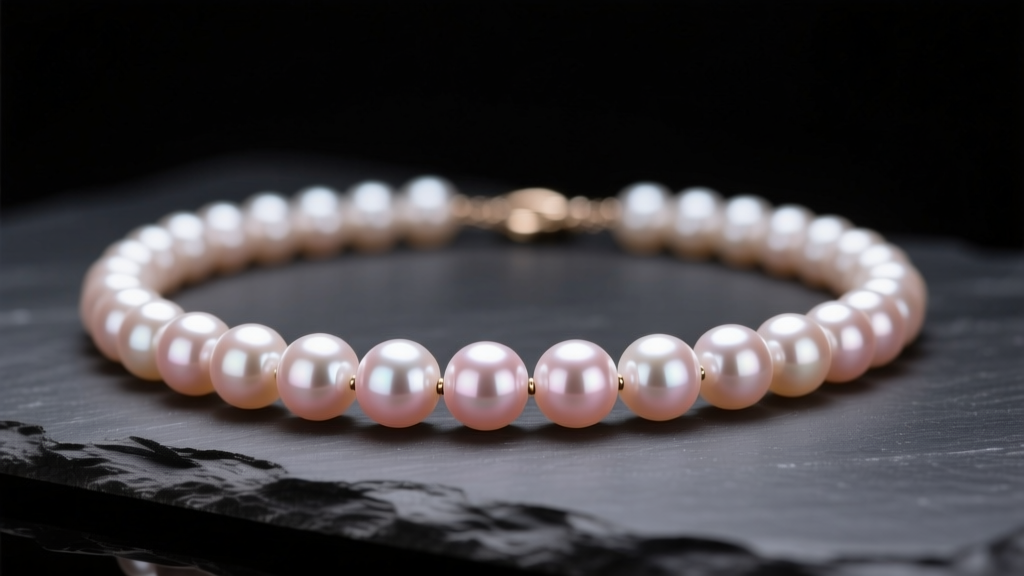
When navigating the complex landscape of fine jewelry, the term 'Belle de Mer' frequently emerges as a benchmark for curated, high-grade pearl strands. But for the budget-conscious collector or the first-time buyer, the critical question remains: does a Belle de Mer pearl necklace justify its premium price tag in 2026? To answer this, we must move past marketing rhetoric and conduct a rigorous value assessment based on gemological data, material integrity, and market positioning. Unlike generic commercial strands that flood online marketplaces, Belle de Mer collections typically represent a meticulously sorted tier of bead-nucleated freshwater Edison pearls or premium Akoya variants. This guide deconstructs the exact metrics that dictate the value of these necklaces, providing you with a definitive framework to assess whether you are paying for genuine quality or merely a brand name.
Decoding the Price Tag: Gemological Value Factors
The value of any pearl necklace is governed by a strict hierarchy of gemological traits. According to the Gemological Institute of America (GIA), pearl valuation hinges on size, shape, color, luster, surface quality, nacre thickness, and matching. Belle de Mer strands consistently score in the upper percentiles of these categories, which directly impacts their baseline pricing.
Nacre Thickness and Luster Grading
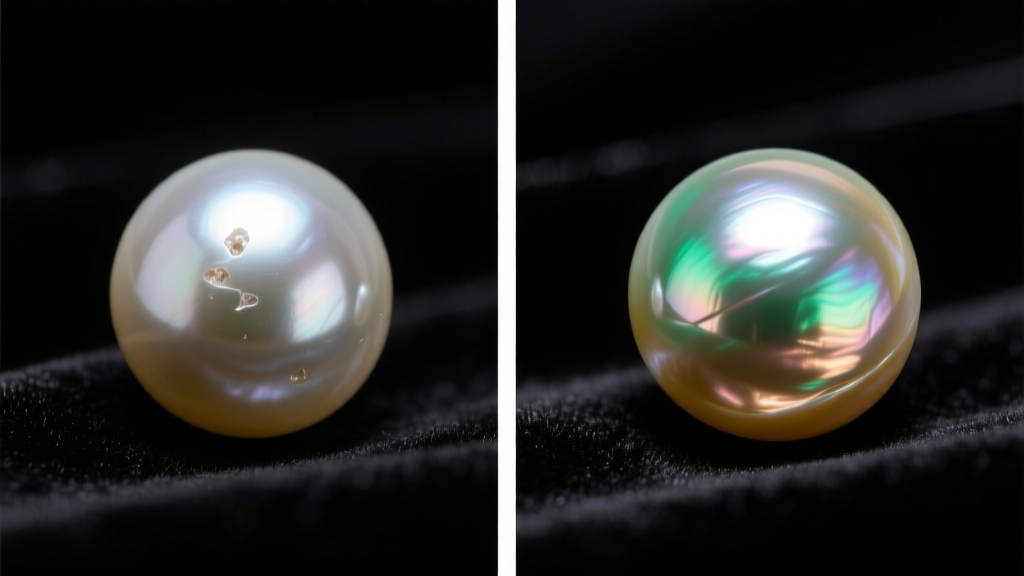
Luster is the soul of a pearl, and it is entirely dependent on nacre quality. A genuine Belle de Mer Edison pearl strand features a nacre thickness ranging from 1.8mm to 2.5mm over a bead nucleus. This substantial nacre layer allows for deep, mirror-like light refraction. When assessing the strand in person, perform the 'reflection test': hold the necklace under a soft, diffused light source. A high-value Belle de Mer pearl will reflect the light with sharp, distinct edges, whereas a lower-tier commercial pearl will exhibit a chalky, blurred reflection due to thin nacre or poor crystalline structure. This optical superiority is a primary driver of the brand's 40% to 60% price premium over standard freshwater alternatives.
Surface Perfection and Overtone Matching
Surface blemishes are inevitable in organic gemstones, but the sorting process separates luxury strands from commercial ones. A top-tier Belle de Mer necklace will feature pearls with a 95% or higher clean surface rate. More importantly, the true cost of production lies in 'matching.' Sourcing 45 to 50 individual 10mm pearls that share the exact same body color (e.g., pristine white) and overtone (e.g., a subtle rosé or silver hue) requires sorting through thousands of harvested pearls. A mismatched strand looks visually 'choppy' and instantly loses up to 30% of its secondary market resale value. Belle de Mer's strict matching protocols ensure a seamless visual flow, a labor-intensive process that is accurately reflected in the retail price.
Belle de Mer vs. Market Alternatives: A Comparative Analysis
To understand the budget implications, we must contextualize the Belle de Mer pearl necklace against its closest market competitors. Below is a structural and financial comparison based on 2026 market data for a standard 16-inch princess strand.
| Feature | Belle de Mer (Edison) | Generic Commercial Freshwater | Japanese Hanadama Akoya |
|---|---|---|---|
| Average Size | 9.0mm - 11.0mm | 7.0mm - 9.0mm | 7.5mm - 9.0mm |
| Nacre Thickness | 1.8mm - 2.5mm | 0.8mm - 1.5mm (Solid) | 0.4mm - 0.6mm |
| Luster Grade | Excellent / Very High | Good / Medium | Excellent / Mirror |
| Blemish Rate | Less than 5% | 15% - 30% | Less than 3% |
| Avg. 2026 Price | $850 - $1,600 | $150 - $350 | $2,500 - $4,500 |
As illustrated, the Belle de Mer occupies a highly strategic 'sweet spot' in the market. It offers the large, dramatic sizing and deep luster typically reserved for expensive South Sea pearls, but at a fraction of the cost, while vastly outperforming generic freshwater strands in surface quality and overtone consistency.
Hardware and Stringing: The Hidden Value Indicators
A common failure mode in budget pearl necklaces is the degradation of the stringing materials and clasp hardware. A pearl strand is only as secure as its weakest link, and assessing the structural integrity of the necklace is a crucial part of any value assessment.
Clasp Mechanics and Metal Purity
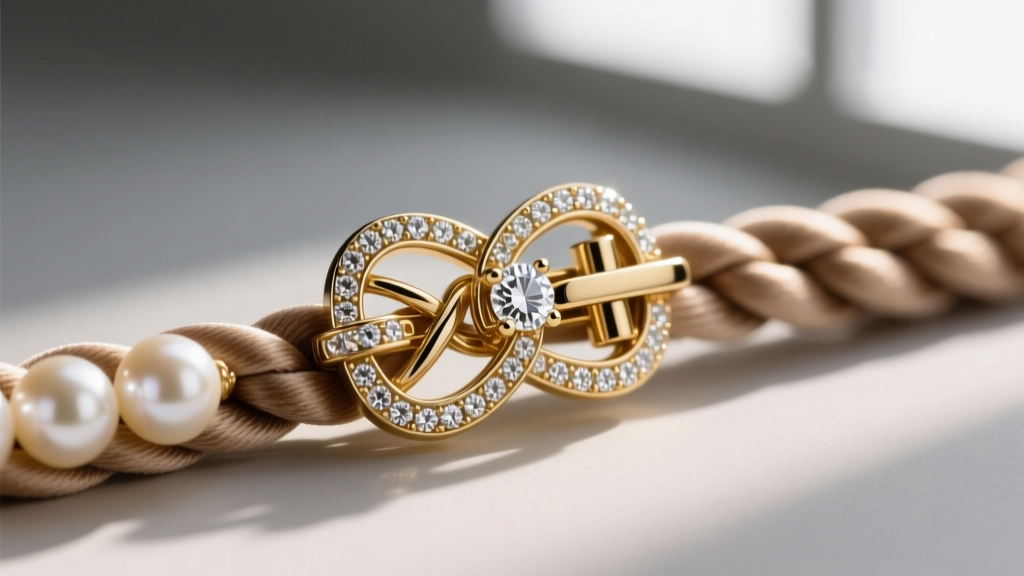
Belle de Mer necklaces are predominantly finished with solid 14k or 18k gold clasps, often featuring a secure fishhook or box-clasp mechanism augmented by a figure-eight safety latch. Crucially, the jump rings connecting the clasp to the necklace must be soldered shut. Generic brands frequently use unsoldered, glued jump rings that easily pull apart under tension, resulting in catastrophic strand failure. Furthermore, the use of 'French wire' or 'gimp'—a tiny coiled metal spring that protects the silk thread from fraying against the metal clasp—is a hallmark of professional stringing that Belle de Mer consistently employs.
Silk Thread and Knotting Precision
According to guidelines endorsed by the Cultured Pearl Association of America, high-end pearl strands must be knotted between every single pearl to prevent total loss if the strand breaks. Belle de Mer utilizes premium 100% silk thread (typically Griffin Size #2 or #3, depending on the drill hole diameter). While silk requires professional re-stringing every 2 to 4 years depending on wear, it provides an unparalleled supple drape that synthetic nylon threads cannot replicate. Nylon, often used in budget strands, stretches and sags within six months, leaving unsightly gaps between the pearls and the knots.
Real-World Pricing Tiers and Budgeting for 2026
If you are preparing to invest in a Belle de Mer pearl necklace, it is essential to understand the current pricing tiers based on length and diameter. Prices have stabilized in 2026 following the supply chain fluctuations of previous years.
- 16-Inch Princess (8.0mm - 9.0mm): Priced between $650 and $900. Ideal for everyday wear and standard necklines.
- 18-Inch Princess/Matinee (9.5mm - 10.5mm): Priced between $1,100 and $1,500. The most popular tier, offering a luxurious presence without crossing into ultra-premium territory.
- 20-Inch Matinee (11.0mm+): Priced between $1,800 and $2,400. Reserved for statement pieces and formal occasions, requiring exceptional matching due to the high number of large pearls required.
When budgeting, always factor in a potential $75 to $120 maintenance cost for professional re-stringing every few years. This is not a defect, but rather a standard requirement for maintaining the structural integrity of fine silk-knotted jewelry.
Final Verdict: Is the Investment Justified?
From a strict budget and value assessment perspective, a Belle de Mer pearl necklace represents a highly rational purchase for the informed buyer. You are not merely paying for a label; you are funding the intensive labor required to match large-diameter, bead-nucleated pearls with thick nacre and exceptional luster. While a generic freshwater strand may suffice for fast-fashion styling, it lacks the optical depth, structural hardware, and long-term resale viability of a curated Belle de Mer piece. For those seeking luxury-tier aesthetics without the punishing price tag of Japanese Hanadama or Australian South Sea pearls, Belle de Mer remains one of the most compelling value propositions in the 2026 fine jewelry market.


