How to Style and Layer the Classic Anastasia Necklace
Learn how to size, style, and layer the iconic multi-strand Anastasia necklace. A step-by-step guide to pearl grades, neckline pairing, and care.

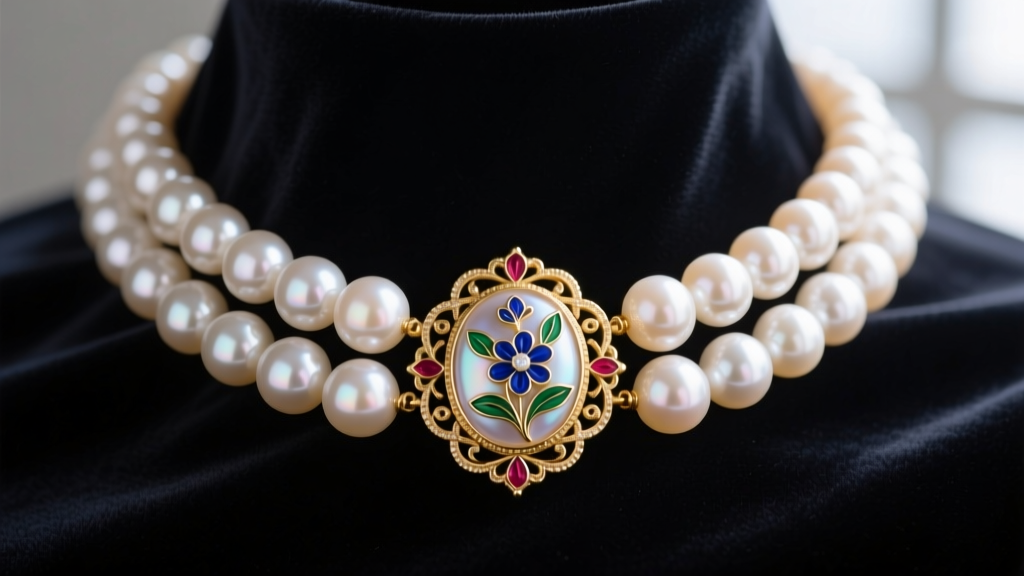
The Anastasia necklace is far more than a fleeting pop-culture reference or a single designer's trademark. In the realms of high jewelry, antique markets, and modern vintage-revival styling, the term denotes a highly specific, structurally complex piece: a multi-strand pearl or seed-bead choker anchored by a prominent central decorative plaque, cameo, or gemstone drop. Inspired by the opulent Romanov jewels worn by Grand Duchess Anastasia and popularized by mid-century vintage trends, this style remains a cornerstone of elegant neckwear.
However, mastering the Anastasia necklace requires more than simply clasping it around your neck. Because of its multi-strand architecture and heavy central connector, improper sizing leads to buckling, while poor styling choices can overwhelm your silhouette. In the current 2026 vintage-revival market, where maximalist layering meets historical romance, knowing how to fit, authenticate, and layer this piece is essential. This step-by-step guide will walk you through the exact specifications, styling frameworks, and maintenance protocols required to wear an Anastasia choker flawlessly.
The Anatomy of an Anastasia Necklace
Before attempting to style or purchase an Anastasia necklace, you must understand its structural anatomy. Unlike a standard single-strand pearl necklace, this piece relies on a spread or drop mechanism. The strands are fed through a rigid central plaque (often crafted in 14k gold, gold-filled metal, or featuring guilloché enamel) that forces the strands to graduate in length.
The clasp mechanism is equally critical. Authentic vintage pieces and high-end modern reproductions utilize a tongue-and-groove push clasp, flanked by two figure-8 safety catches. This distributes the tension of the multiple strands evenly. If you encounter an Anastasia-style choker utilizing a single, lightweight lobster clasp with all strands crimped into one jump ring, it is a fast-fashion reproduction that will quickly suffer from metal fatigue and strand snapping.
Material Grades and Specifications
The visual weight of the necklace depends heavily on the pearl grade and size. According to the Gemological Institute of America (GIA), luster and nacre thickness are the primary drivers of value in multi-strand pieces, as the light reflection multiplies across dozens of beads.
| Pearl Type | Typical Size | Luster Grade | Market Price Range (3-Strand) |
|---|---|---|---|
| Hanadama Akoya | 6.0-6.5mm | AAAA (Mirror) | $1,400 - $2,800 |
| AAA Akoya | 5.0-5.5mm | AAA (High) | $700 - $1,100 |
| Gem-Grade Freshwater | 6.0-7.0mm | AAA (Medium-High) | $250 - $500 |
| Vintage Seed Bead/Glass | 2.0-3.0mm | N/A (Opaque) | $80 - $150 (Antique) |
Step-by-Step Sizing and Fitting Guide
The most common failure mode when wearing an Anastasia necklace is improper sizing. Because the central plaque forces the strands into a staggered formation, a standard 16-inch measurement will not work. Follow these steps to ensure a flawless fit:
- Measure the Inner Strand: The innermost strand must sit snugly at the base of the neck, functioning as a true choker. For most women, this requires a precise 14-inch inner circumference.
- Calculate the Spread: The central plaque should stagger the subsequent strands by exactly 0.5 to 0.75 inches. Therefore, strand two will measure 14.75 inches, and the outermost strand (strand three or four) will measure 15.5 to 16 inches.
- Check the Plaque Alignment: When clasped, the central plaque should sit dead-center on the clavicle. If the plaque pulls to the left or right, the tension on the silk threads is uneven, indicating the necklace was restrung improperly or the spread is too tight for your neck circumference.
- The Two-Finger Rule: You should be able to slip exactly two fingers between the innermost strand and your neck. Any tighter, and the silk will stretch prematurely; any looser, and the choker effect is lost.

Identifying Vintage vs. Modern Reproductions
As the Lang Antiques University notes, the vintage jewelry market is saturated with mid-century reproductions of imperial Russian styles. To authenticate a true mid-century or antique Anastasia necklace, inspect the drill holes and metal patina.
- Drill Holes: Vintage Akoya pearls from the 1940s-1960s often feature slightly larger, less precise drill holes (0.8mm - 1.0mm) compared to modern laser-drilled pearls (0.6mm).
- Enamel Technique: Authentic vintage plaques utilize guilloché enamel—a technique where translucent enamel is fired over an engine-turned, geometrically engraved metal base. Modern reproductions typically use flat, opaque cold enamel or resin.
- Knotting: High-end vintage pieces are knotted between every single pearl using silk thread. Mass-market reproductions often feature "floating" strands with no knots to save on manufacturing labor.
Neckline Pairing Framework
The visual density of a multi-strand Anastasia necklace demands careful neckline selection. Treat the central plaque as a focal pendant and frame it accordingly.
- The Sweetheart Neckline: This is the optimal pairing. The curved dip of a sweetheart bodice perfectly cradles the outermost 16-inch strand, while allowing the central drop or cameo to rest against bare skin, maximizing its visual impact.
- The Square Neck: A structured square neckline acts as a geometric frame for the necklace. Ensure the top edge of the garment sits at least 1 inch below the outermost pearl strand to prevent visual clutter.
- The Boatneck (Bateau): Proceed with caution. A high boatneck will physically collide with the 14-inch inner strand, causing the pearls to bunch up and the central plaque to tilt outward. If wearing a boatneck, opt for a 2-strand Anastasia style with a tighter 13.5-inch inner fit.
- Deep V-Necks: Avoid pairing deep V-necks with this choker. The opposing angles (the downward V of the shirt vs. the horizontal lines of the choker) create a disjointed silhouette.
How to Layer Without Tangling
In 2026, layering historical chokers with longer, minimalist chains is a dominant trend. However, layering a multi-strand pearl piece requires strict adherence to length differentials to prevent abrasive friction, which can damage pearl nacre.

The Layering Formula:
Since the outermost strand of your Anastasia necklace maxes out at roughly 16 inches, your secondary layering chain must begin at a minimum of 20 inches (the princess length) or, ideally, 22 to 24 inches (the matinee length).
Expert Tip: Never layer a metal chain directly against Akoya or Freshwater pearls. The metal links will act like microscopic saws against the soft nacre (which ranks only 2.5 to 4.5 on the Mohs hardness scale). Always maintain a minimum 4-inch vertical gap between the lowest pearl strand and the secondary metal chain.
For the secondary chain, opt for a lightweight 14k or 18k gold cable or rope chain featuring a single, heavy solitaire pendant (such as a teardrop diamond or a simple gold bezel-set gemstone). This draws the eye downward, elongating the neck and balancing the horizontal width of the Anastasia choker.
Maintenance and Restringing Protocols
The structural integrity of an Anastasia necklace relies entirely on its threading. The tension placed on the threads where they enter the rigid central plaque is immense. Over time, body oils, cosmetics, and mechanical stress will degrade the fibers.
- Inspection Schedule: Every six months, gently pull the pearls away from the central plaque. If you can see more than 1mm of exposed thread, or if the thread appears frayed or darkened, immediate restringing is required.
- Thread Selection: Insist that your jeweler uses Size F or G pure silk thread. Never allow a jeweler to restring high-grade pearls with nylon or synthetic wire, as these materials are too rigid and will eventually drill through the pearl nacre from the inside out.
- French Wire Protection: Ensure the jeweler uses French wire (also known as gimp or bullion)—a tiny, hollow coil of fine gold or silver wire—where the silk thread passes through the metal loops of the clasp and plaque. This prevents the metal from cutting the silk.
- Cleaning: Never use ultrasonic cleaners or chemical dips. Wipe the pearls with a damp, lint-free microfiber cloth after every wear to remove acidic skin oils, and lay the necklace flat in a lined jewelry box. Never hang an Anastasia necklace, as gravity will permanently stretch the silk.
By respecting the historical architecture and precise sizing requirements of the Anastasia necklace, you transform it from a mere accessory into a masterclass of vintage-inspired elegance. Whether you are investing in a Hanadama Akoya piece or restoring a mid-century seed-bead original, proper care and styling will ensure this iconic choker remains a staple of your wardrobe for decades to come.


