The Ultimate Metal Guide for Your Engravable Bar Necklace
Discover the best metals for an engravable bar necklace. We compare gold, silver, platinum, and titanium for durability, engraving quality, and price.

Why Metal Choice Dictates Engraving Quality
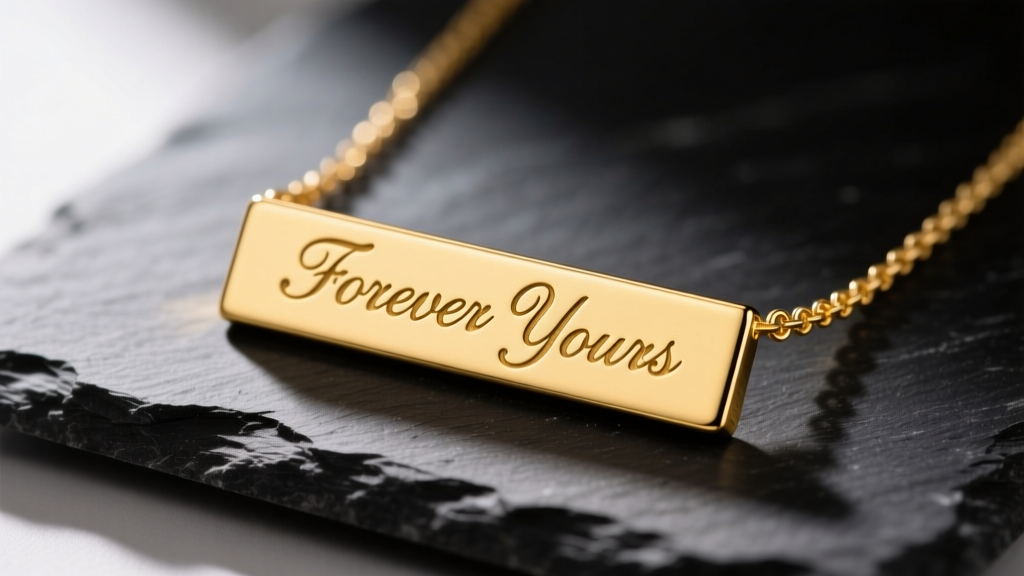
When shopping for a personalized piece of jewelry, the engravable bar necklace remains a definitive staple. Its clean, geometric lines offer the perfect canvas for names, dates, coordinates, or short mantras. However, the visual success and longevity of that engraving depend entirely on the metallurgical properties of the bar itself. A master engraver will tell you that metal is not just a color; it is a specific crystalline structure that reacts uniquely to cutting tools and lasers.
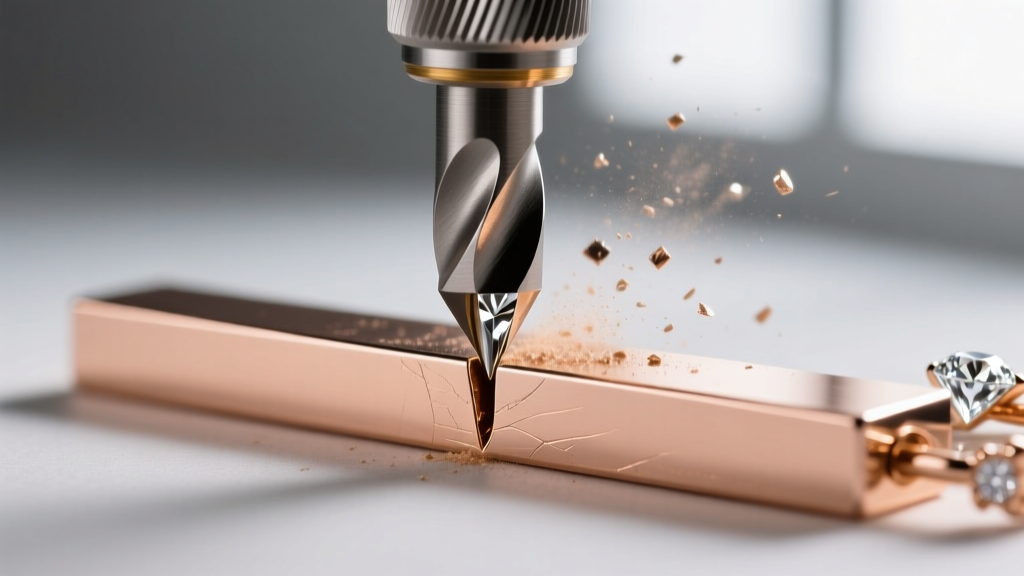
The two primary methods used in modern jewelry customization are rotary (diamond drag) and laser engraving. Rotary tools physically carve into the metal, displacing or removing material to create depth. Lasers, specifically fiber lasers, use concentrated light to anneal, melt, or vaporize the surface. The metal's hardness—measured on the Vickers Hardness (HV) scale—and its alloy composition dictate which method will yield the crispest, most legible results. Choosing the wrong metal for your desired font style or wear-and-tear expectations can lead to faded text, structural weakening, or excessive tarnish buildup.
The Big Four: Material Properties Compared
To make an informed decision, we must break down the exact material grades used by reputable jewelers and how they accept custom markings.
Sterling Silver (925)
Sterling silver is an alloy containing 92.5% pure silver and 7.5% copper or other base metals. With a Vickers Hardness of roughly 60-70 HV, it is relatively soft. This makes it exceptionally receptive to deep rotary diamond-drag engraving, allowing for dramatic, tactile grooves that you can feel with your fingernail. However, the copper content makes sterling silver prone to oxidation. Over time, the microscopic grooves of the engraving will trap sulfur and moisture from the skin, causing the text to darken. While this natural patina actually increases the legibility of the text by creating high contrast, it requires regular polishing with a treated jeweler's cloth to keep the surrounding bar bright.
Solid Gold (14K vs. 18K)
Gold is the premium standard for fine jewelry, but its karat weight drastically alters its engraving behavior. Pure 24K gold is too soft for daily-wear bar necklaces, so it is alloyed. 14K gold (approx. 135 HV) contains more copper, silver, and zinc, making it highly durable and ideal for crisp laser engraving. When a fiber laser hits 14K gold, it locally oxidizes the copper alloys, leaving a permanent, dark brown or black mark without the need for enamel fills. 18K gold (approx. 110 HV) is softer, richer in color, and more expensive, but it scratches more easily. If you plan to wear your engravable bar necklace every day in the shower and at the gym, 14K is the superior structural choice.
Platinum (950)
Platinum is a dense, heavy, and hypoallergenic precious metal. A 950 platinum bar necklace carries a substantial, luxurious weight against the collarbone. Unlike gold, which loses microscopic particles when scratched or carved, platinum exhibits malleable displacement. When a rotary tool cuts into platinum, the metal tends to 'mushroom' or push up around the edges of the groove rather than flaking away. This creates a raised burr that a skilled jeweler must carefully burnish and polish down. Because of its density and high melting point, platinum requires high-powered laser equipment to achieve deep, high-contrast annealed marks.
Titanium & Stainless Steel
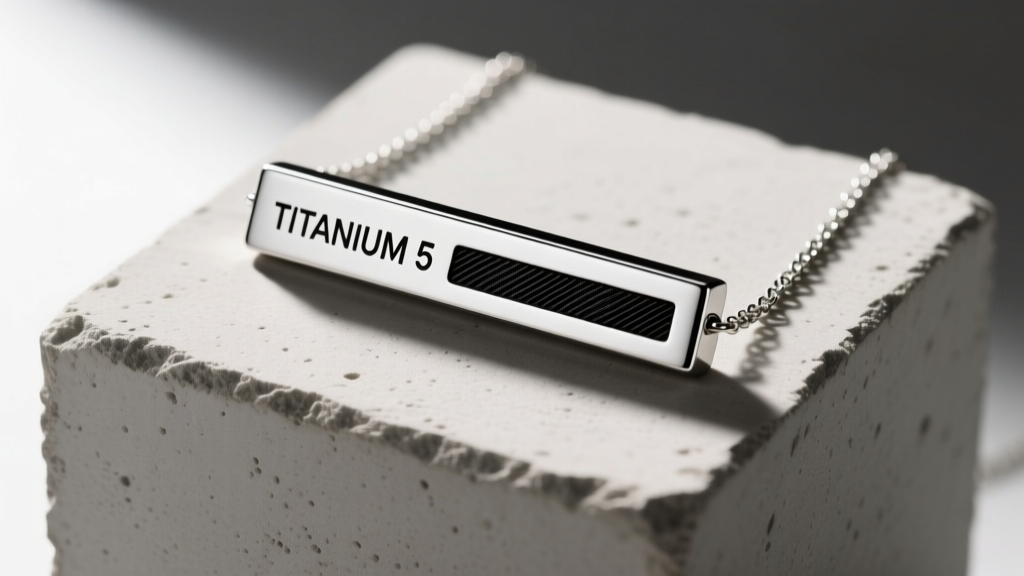
For industrial-chic aesthetics and extreme durability, Grade 5 Titanium (Ti-6Al-4V) and 316L Surgical Stainless Steel are top contenders. Titanium boasts a massive hardness rating of over 340 HV. Traditional rotary engravers will destroy their diamond bits attempting to carve it. Therefore, titanium engravable bar necklaces must be marked using a MOPA (Master Oscillator Power Amplifier) fiber laser. By adjusting the laser's pulse frequency, jewelers can actually change the color of the titanium's oxide layer, creating striking black, blue, or even gold-colored text directly on the metal without any paints or enamels.
Hardness, Pricing, and Method Matrix
Use the following data table to compare the physical properties and market realities of the most common metals used for bar pendants.
| Metal / Alloy | Vickers Hardness (HV) | Best Engraving Method | Tarnish Resistance | Avg. Price Range (USD) |
|---|---|---|---|---|
| Sterling Silver (925) | 60 - 70 | Rotary (Diamond Drag) | Low (Oxidizes) | $35 - $90 |
| 14K Solid Gold | 130 - 140 | Fiber Laser / Rotary | High | $250 - $650 |
| 18K Solid Gold | 105 - 115 | Fiber Laser | High | $400 - $950 |
| Platinum (950) | 110 - 130 (High Density) | High-Power Laser | Excellent | $800 - $1,800+ |
| Grade 5 Titanium | 340+ | MOPA Fiber Laser Only | Excellent | $45 - $120 |
Daily Wear Failures and Maintenance Realities
An engravable bar necklace is often intended for daily wear, which exposes it to a hostile environment of cosmetics, friction, and chemicals. Understanding how these metals fail over a 5-year period is crucial for E-E-A-T-level buying decisions.
- The Ultrasonic Trap: Many people clean their jewelry in ultrasonic machines. If your silver or gold bar necklace features an enamel-filled engraving (often used to make shallow laser marks pop), the high-frequency vibrations and hot chemical baths will shatter and dissolve the enamel, leaving you with a faded, illegible message.
- Friction Polishing: Metals like platinum and 18K gold are subject to 'friction polishing.' As the bar rubs against your skin and clothing daily, the microscopic edges of a shallow rotary engraving will slowly wear down and smooth out over 3 to 5 years. Deep laser annealing bypasses this issue because the color change occurs below the surface layer.
- Clasp and Bail Wear: The bar itself might be durable, but the jump ring connecting it to the chain is a major failure point. Ensure the jump ring is soldered closed or uses a heavy-duty lobster clasp. Spring ring clasps on chains thinner than 1.0mm will inevitably snap under the pendulum-like weight of a solid metal bar.
'The longevity of an engraved message relies not just on the depth of the cut, but on the structural integrity of the alloy surrounding it. A deep cut on a soft, low-karat gold bar can actually compromise the tensile strength of a thin pendant, leading to warping.' — Bench Jeweler Metallurgy Guidelines
Hallmarking and Consumer Protection
When investing in precious metals, you must verify the material claims. According to the FTC Jewelry Guides, any piece of jewelry stamped with a quality mark (like '14K', '925', or '950Pt') must also bear the registered trademark or hallmark of the manufacturer or retailer standing behind that mark. If you are buying an engravable bar necklace from an online marketplace and it lacks a maker's mark alongside the karat stamp, you have no guarantee of the alloy's actual purity, which can result in severe skin reactions or rapid tarnishing.
For deeper insights into precious metal standards and gemological grading, the Gemological Institute of America (GIA) provides extensive, publicly accessible research on metal properties and alloy behaviors that inform modern jewelry manufacturing.
Final Verdict: Matching Metal to Your Lifestyle
Selecting the perfect metal for your engravable bar necklace requires balancing your budget, aesthetic preferences, and maintenance tolerance. If you want a deeply carved, tactile heirloom piece that you don't mind polishing occasionally, Sterling Silver offers the best canvas for rotary tools at an accessible price point. For a luxurious, set-it-and-forget-it piece that will survive decades of daily wear, showers, and ocean swims while maintaining crisp, dark laser-etched text, 14K Solid Gold remains the undisputed champion. Finally, if you require a lightweight, hypoallergenic, and virtually indestructible option with striking modern contrast, look no further than laser-anodized Grade 5 Titanium.


