LV Chain Links Necklace: Repair & Troubleshooting Guide
Troubleshoot common issues with your LV chain links necklace. Expert advice on clasp repair, tarnish removal, link soldering, and authentication.

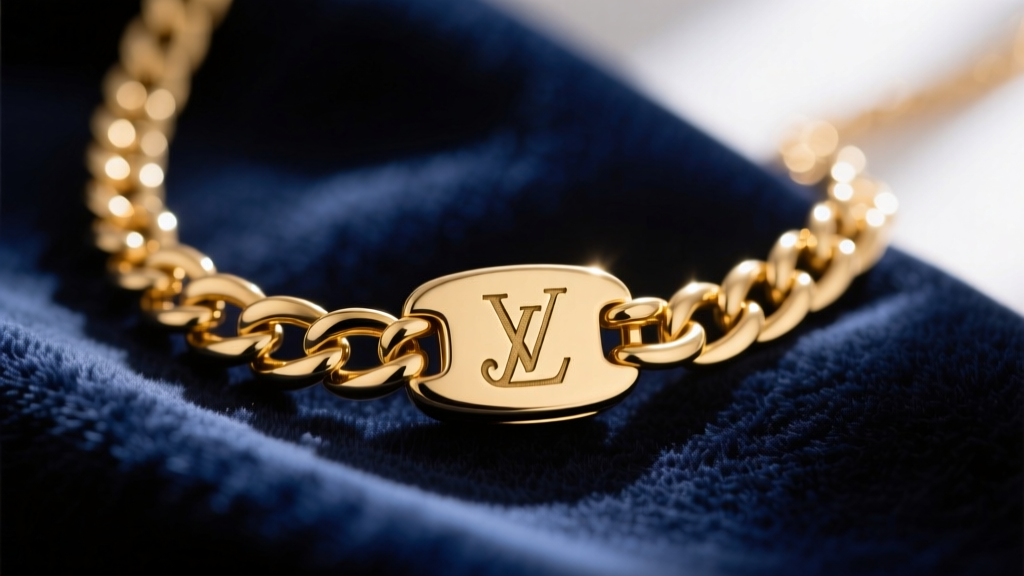
Owning a luxury designer piece is an investment in both craftsmanship and aesthetic heritage. However, daily wear exposes even the most meticulously crafted jewelry to environmental stressors, mechanical friction, and material fatigue. When troubleshooting an LV chain links necklace, the approach to repair and maintenance depends entirely on the specific collection, the base metallurgy, and the structural design of the links. Whether you are dealing with the iconic Monogram canvas-inlaid chains, the Empreinte leather-and-gold hybrids, or the solid 18k gold Color Blossom link necklaces, understanding the mechanical and chemical vulnerabilities of your piece is the first step toward effective restoration.
This comprehensive troubleshooting guide dives deep into the metallurgy, hardware mechanics, and structural integrity of Louis Vuitton chain necklaces, providing actionable, expert-level solutions for the most common issues encountered by collectors and daily wearers in 2026.
Material Diagnostics: Fashion vs. Fine Jewelry
Before attempting any cleaning or repair, you must accurately identify the material grade of your necklace. Louis Vuitton produces chain link necklaces across two primary tiers, and treating a fashion piece like a fine jewelry piece will result in irreversible damage.
Fashion Jewelry (Brass Base)
Most entry-level and mid-tier LV chain necklaces are crafted from a brass base alloy, electroplated with a 3-to-5-micron layer of gold, silver, or palladium. Brass is an alloy of copper and zinc. When the microscopic plating wears thin due to friction against the skin or clothing, the underlying copper reacts with sweat and oxygen, creating verdigris—a green, corrosive oxidation that can stain the skin and degrade the structural integrity of the link.
Fine Jewelry (Solid Precious Metals)
Pieces from the high jewelry or fine jewelry lines are forged from solid 18k gold (stamped 750) or 950 platinum. According to the Gemological Institute of America (GIA), 18k gold contains 75% pure gold mixed with alloys like copper, silver, or zinc to provide the tensile strength necessary for chain links. These pieces do not suffer from plating wear but are susceptible to mechanical stretching, micro-scratching, and clasp tension loss.
Troubleshooting Clasp Mechanisms and Tension Loss
The clasp is the most frequent point of mechanical failure on any chain necklace. LV typically utilizes custom-branded spring-ring clasps or heavy-duty lobster clasps, often engraved with the signature Monogram flower or the "Louis Vuitton" script.
- Sluggish Retraction: If the spring-ring clasp fails to snap back into place, debris (such as lotion, dead skin cells, or pocket lint) has likely compromised the internal beryllium-copper spring. Solution: Do not use oil-based lubricants like WD-40, which attract more dirt. Instead, use a wooden toothpick to gently clear the crevice, followed by a microscopic application of dry graphite powder to restore glide.
- Loss of Tension: If the clasp closes but pulls open under the weight of the chain, the internal spring has suffered metal fatigue. This cannot be repaired at home. The clasp must be desoldered and replaced by a professional jeweler to prevent catastrophic loss of the necklace.
- Lobster Clasp Misalignment: The lever on a lobster clasp can bend outward over time, preventing the nose from seating properly into the jump ring. A jeweler can gently realign the lever using nylon-jaw pliers to avoid marring the precious metal finish.
Managing Plating Wear, Tarnish, and Verdigris
Tarnish on gold-plated brass LV chains requires a highly cautious approach. The gold layer is exceptionally thin compared to the micron-thickness of vermeil or solid gold.
Critical Warning: Never place a gold-plated brass LV chain links necklace into an ultrasonic cleaner. The high-frequency cavitation bubbles will strip the electroplated gold layer directly off the brass base, ruining the piece in minutes.
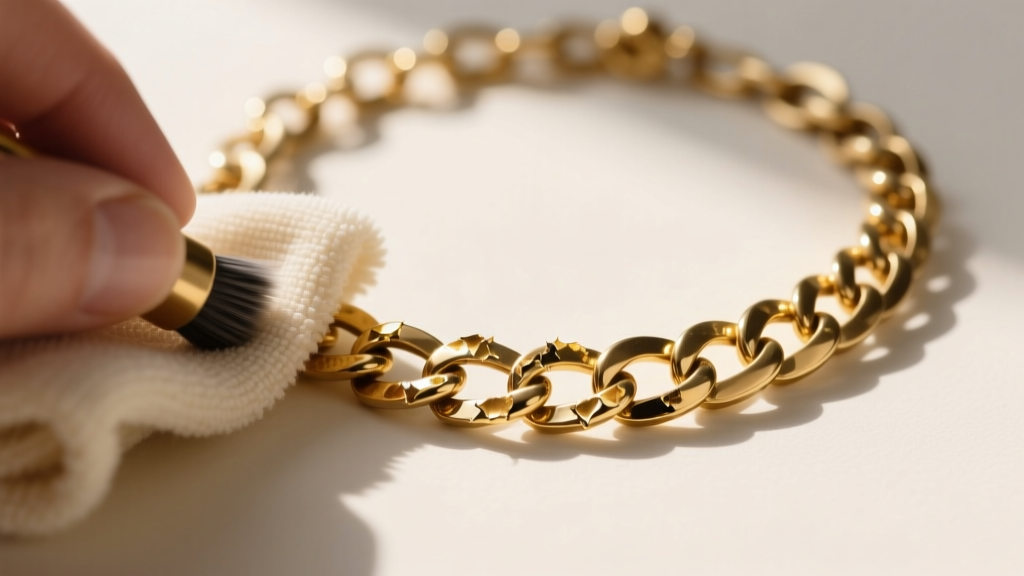
Safe Cleaning Protocol for Plated Links:
- Mix a few drops of pH-neutral dish soap into a bowl of lukewarm distilled water.
- Submerge the necklace for no more than 60 seconds.
- Use a 100% cotton swab (never a bristled brush, which causes micro-abrasions) to gently trace the inside of the links where oxidation accumulates.
- Rinse with distilled water and immediately pat dry with a lint-free microfiber cloth. Air-drying leaves mineral deposits that mimic tarnish.
If the brass base has already bled through the plating, chemical dips will not restore the gold. The piece must be sent to a specialist for professional re-plating, which involves stripping the remaining gold, polishing the brass, and applying a new layer of gold via electrolysis.
Structural Integrity: Link Stress and Soldering
Chain links endure constant kinetic stress. The weight of the chain pulls on the lowest links, while the links near the clasp endure the most friction and bending. Below is a diagnostic table for common structural failures based on link style.
| Link Style | Common Vulnerability | Diagnostic Symptom | Professional Repair Method |
|---|---|---|---|
| Cable / Round Links | Wear at the contact points | Links thinning and snapping at the bottom curve | Laser welding to fuse the break without heat damage |
| Curb / Flat Links | Torsional twisting | Links bending out of alignment, causing kinks | Mandrel straightening and joint reinforcement |
| Figaro / Patterned | Jump ring separation | Gaps appearing between the large and small links | Re-closing and soldering the jump rings flush |
When repairing solid 18k gold LV links, laser welding is the industry standard. Unlike traditional torch soldering, which requires pickling in acid and risks melting nearby enamel or heat-sensitive gemstones (like the mother-of-pearl or malachite often found in LV collections), laser welding uses a concentrated beam to fuse the metal precisely at the break point, preserving the surrounding patina and structural integrity.
Authentication Red Flags During Physical Inspection
Troubleshooting isn't just about repair; it's about verifying authenticity, especially when acquiring vintage or secondhand pieces. The secondary market for luxury jewelry is saturated with high-tier counterfeits. Use these physical diagnostics to authenticate an LV chain links necklace:

- The Hallmark Kerning: Authentic LV stamps (whether "Louis Vuitton", "750", or the Monogram flower) are applied via high-pressure hydraulic dies or precision lasers. The font kerning is perfectly spaced. Counterfeits often exhibit bleeding edges, shallow stamping, or incorrect font weights.
- Link Welding Quality: Examine the seams of the closed links under a 10x jeweler's loupe. Authentic fine jewelry links feature seamless, polished welds. Fakes often show porous, uneven soldering or visible gaps where the link was pinched shut rather than properly fused.
- Weight and Density: As noted in the GIA Platinum and Precious Metals guides, precious metals have specific gravities. A solid 18k gold LV chain will feel substantially heavier and denser than a counterfeit made from gold-plated tungsten or steel. A digital scale comparing the piece to a known authentic reference of the same model is a reliable diagnostic tool.
Choosing the Right Repair Pathway
When your LV chain links necklace requires professional intervention, you have two primary pathways, each with distinct advantages and limitations in 2026.
Louis Vuitton After-Sales Services
Submitting your piece directly to an LV boutique ensures that any replacement parts (like a branded lobster clasp) are genuine. However, this route is generally limited to their own manufacturing defects or standard polishing. They will often refuse to repair pieces that have been previously altered by third-party jewelers, and turnaround times can exceed 8 to 12 weeks as pieces are frequently routed to centralized repair ateliers in France or Switzerland.
Independent Master Jewelers
For urgent structural repairs, laser welding of snapped 18k gold links, or meticulous re-plating of vintage brass fashion jewelry, an independent master jeweler specializing in luxury goods is often the superior choice. They can perform micro-soldering and clasp tension adjustments on-site, usually within a few days. Ensure the jeweler has experience with luxury hallmarks to avoid accidentally polishing away the microscopic "750" or brand stamps, which drastically reduces the resale value of the piece.
By understanding the specific metallurgy and mechanical design of your necklace, you can proactively mitigate wear, safely clean delicate plating, and make informed decisions when professional restoration is required, ensuring your luxury chain remains a pristine staple in your collection for decades.


