Finding the Best Necklace Length for Men: A Troubleshooting Guide
Struggling with chain fit? Discover the best necklace length for men based on body type, neckline, and pendant size, plus fixes for common fit issues.

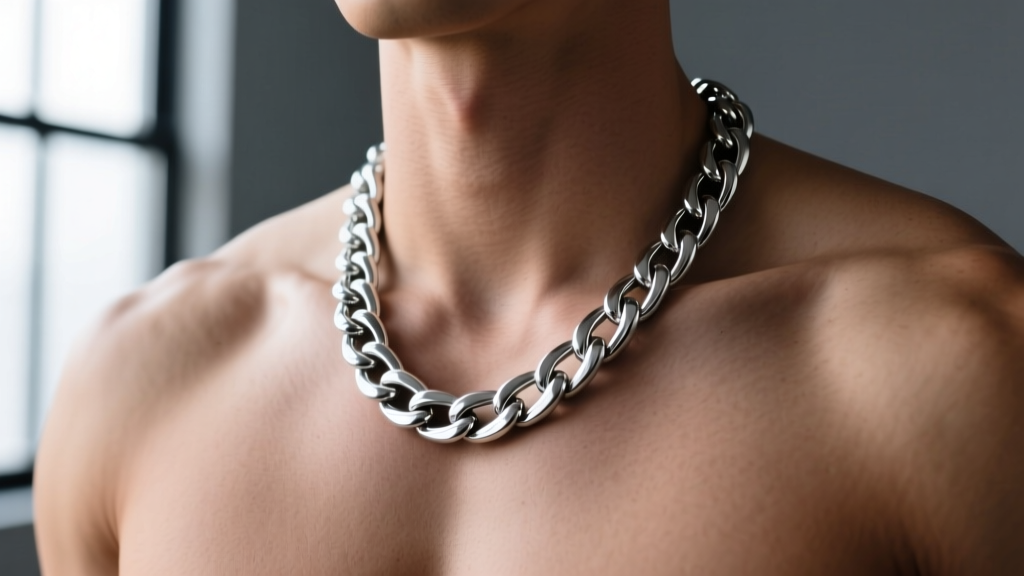
Few style missteps are as immediately noticeable as a poorly fitted chain. Whether it is choking your neckline or dangling awkwardly near your sternum, getting the proportions wrong can ruin an otherwise sharp outfit. When searching for the best necklace length for men, most buyers default to the standard 20-inch option without considering their unique anatomy, the chain’s link structure, or the weight of the intended pendant. This troubleshooting guide bypasses generic sizing charts and dives into the mechanical and aesthetic realities of men's neckwear, helping you diagnose and fix common fit issues.
The Core Problem: Why Most Men's Chains Look "Off"
The root cause of most necklace fit issues lies in the misunderstanding of how chains drape. A chain's listed length is its total end-to-end measurement, including the clasp. However, the perceived length on your body is dictated by your neck circumference and shoulder slope. According to GQ's ultimate men's jewelry guide, a 20-inch chain is considered the universal standard, but on a man with a 17-inch neck and sloped shoulders, it will sit tightly against the collarbone, resembling a choker. Conversely, on a man with a thick 19-inch neck and a broad chest, that same 20-inch chain will disappear beneath the neckline of a crewneck t-shirt.
Furthermore, the link style alters the drape. A rigid 20-inch herringbone or box chain will sit wider and higher on the chest, while a fluid 20-inch rope or Cuban link chain will pull downward into a deeper V-shape due to gravity and link flexibility. Troubleshooting your fit requires matching not just the length, but the chain's structural rigidity to your anatomy.
Troubleshooting by Neck Circumference and Build
To find the best necklace length for men, you must first measure your neck. Use a soft measuring tape, wrap it around the base of your neck where a shirt collar naturally sits, and add two inches to that number to find your absolute minimum comfortable chain length. Below is a diagnostic matrix to troubleshoot your ideal length based on physical build.
| Neck Size | Body Build | Ideal Standalone Chain | Ideal Pendant Chain | Common Fit Issue to Avoid |
|---|---|---|---|---|
| 14" - 15" | Slim / Lean | 18" - 20" | 20" - 22" | Chains over 24" look like belly chains on narrow torsos. |
| 16" - 17" | Average / Athletic | 20" - 22" | 22" - 24" | 18" chains will restrict movement and look like chokers. |
| 18" - 19" | Heavy / Muscular | 22" - 24" | 24" - 26" | 20" chains will sit directly on the Adam's apple, causing discomfort. |
| 20"+ | Broad / Plus-Size | 24" - 28" | 26" - 30" | Standard retail lengths (up to 24") will act as tight chokers. |
The Pendant Proportion Matrix
A frequent troubleshooting complaint is the "pendant flip"—when a medallion or cross constantly turns backward, showing the hollow back or the clasp loop instead of the design. Another issue is the "drowning pendant," where a heavy charm pulls a thin chain into a harsh, unnatural V-shape, stressing the links.

As noted by The Trend Spotter's styling rules, balancing the pendant's weight and width against the chain's gauge and length is critical for a clean drape. Use this troubleshooting matrix to fix pendant-related drape issues:
- Small Pendants (10mm - 15mm): Require a 1.5mm to 2.5mm chain width. If the chain is thicker than 3mm, the pendant will struggle to slide through the bail, or the heavy chain will overpower the charm. Best lengths: 20" to 22" to keep the pendant near the collarbone.
- Medium Pendants (16mm - 25mm): Require a 2.5mm to 4mm chain width. This is the sweet spot for most men's dog tags and geometric shapes. Best lengths: 22" to 24" to allow the pendant to rest on the upper chest without getting lost in shirt folds.
- Large Pendants (26mm - 40mm+): Require a 4mm to 6mm chain width. Heavy pendants demand a sturdy rope or Figaro chain. If you use a 24" length with a heavy pendant, ensure the chain gauge is at least 4mm to prevent the metal from stretching or snapping under the dynamic load of daily movement.
Neckline Interference: Fixing Clashing Layers
Your wardrobe dictates the functional success of your necklace length. A chain that looks perfect with an unbuttoned Oxford shirt might clash terribly with a tight crewneck sweater. Troubleshooting neckline interference requires understanding the "zone of conflict"—the area where your shirt's collar ends and your chain begins.
Crew Necks and High Collars
The standard crewneck t-shirt sits roughly 1 to 1.5 inches below the base of the neck. If you wear a 20-inch chain, it will likely sit exactly on the shirt's ribbed collar, creating a messy, tangled visual. The Fix: Upgrade to a 22-inch or 24-inch chain so the metal rests cleanly against the fabric of the shirt, well below the collar line, or tuck a shorter 18-inch chain entirely inside the shirt for a subtle, hidden-weight effect.
V-Necks and Button-Downs
V-necks and open-collared shirts create a natural frame for your chest. The most common mistake here is wearing a chain that is too short, causing it to sit awkwardly above the shirt's opening, or too long, causing it to brush against the sternum and look sloppy. The Fix: Aim for a 20-inch to 22-inch chain that terminates exactly one inch above the bottom point of the V-neck opening. This creates a parallel visual line that is highly aesthetically pleasing.
Hardware Failures at Specific Lengths
Longer chains (24 inches and above) endure more physical stress. They swing further from the body, catching on door handles, steering wheels, and gym equipment. If you require a longer length due to your build, you must troubleshoot the hardware to prevent catastrophic failure.

- The Spring Ring Problem: Most chains under 3mm width come with standard spring ring clasps. On a 24-inch or 26-inch chain, the increased leverage and swinging motion will easily bend the thin wire of a spring ring, causing it to pop open. Always swap to a lobster clasp for chains longer than 22 inches.
- The Bail Bottleneck: If you are stringing a pendant onto a thicker 5mm+ chain, the pendant's bail (the loop it hangs from) must accommodate the width. Forcing a wide chain through a narrow bail will bend the bail and weaken the soldering point. Have a jeweler solder a heavy-duty jump ring to your pendant to accommodate wider chains.
- Jump Ring Weak Points: The jump ring connecting the clasp to the chain is the most frequent point of failure. On longer, heavier chains, ensure the jump ring is soldered shut. An unsoldered jump ring on a 26-inch Cuban link will eventually pull apart under the chain's own dead weight.
Quick Fixes for a Chain That Is Already the Wrong Length
If you have already purchased a chain and the fit is wrong, you do not necessarily need to buy a new one. Here are three professional troubleshooting methods to adjust your existing jewelry:
- The Extender Chain: For chains that are slightly too tight (e.g., a 20-inch chain on a thick neck), purchase a 2-inch to 4-inch sterling silver or stainless steel extender chain. These feature a series of small loops that attach to your existing clasp, allowing you to micro-adjust the length by half an inch at a time until the drape is perfect.
- The Lobster Clasp Shortening Trick: If a chain is 2 to 3 inches too long, you do not need to cut it. Simply wrap the excess chain around the main body of the necklace near the nape of your neck, and secure the excess links by clipping your lobster clasp directly into a link further down the chain. This creates a subtle double-layer effect at the back of the neck while shortening the front drape.
- Professional Re-Stringing: For bead, leather, or woven cords that lack metal links, take the piece to a bench jeweler. They can uncrimp the end, remove excess material, and re-crimp the clasp for a nominal fee (usually under $25), giving you a custom-fitted piece without the cost of replacement.
Expert Takeaway: The best necklace length for men is never a static number. It is a dynamic calculation involving your neck circumference, the chain's link fluidity, and the weight of your pendant. Measure your anatomy, respect the hardware limits, and adjust your lengths based on the specific neckline you are wearing that day.


