Which Type of Necklace Chains Gives the Best Value?
Discover which type of necklace chains offers the best value. We compare durability, repair costs, and metal grades to maximize your jewelry budget.

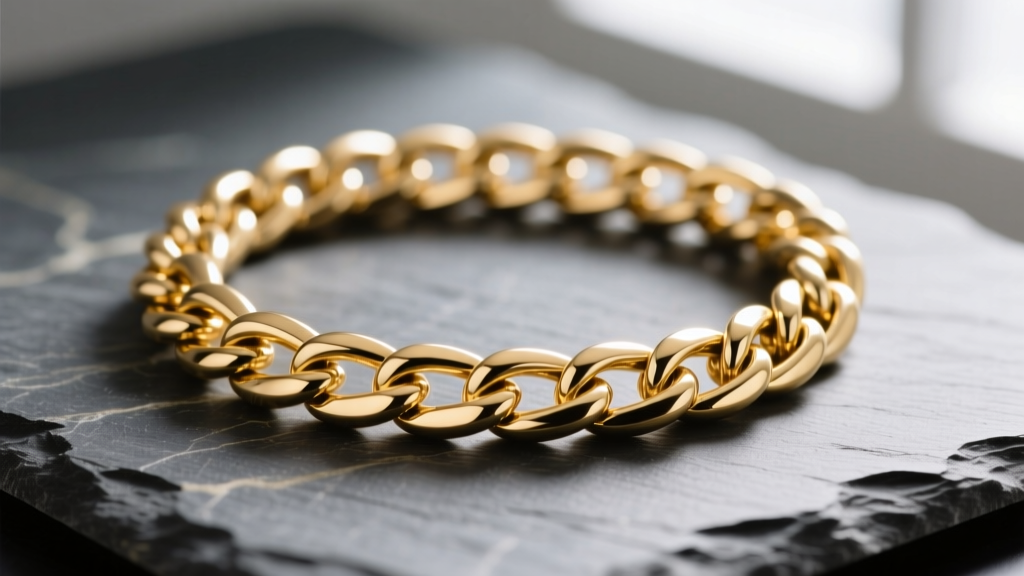
When building a versatile jewelry wardrobe, selecting the right chain is just as critical as choosing the pendant it holds. With precious metal markets experiencing sustained premiums in 2026, consumers are increasingly scrutinizing their purchases for long-term viability. The question is no longer just about aesthetics; it is about cost-per-wear, structural integrity, and repairability. Understanding which type of necklace chains offers the best value requires looking past the initial price tag and evaluating tensile strength, metal density, and the hidden costs of maintenance.
A budget-friendly chain that snaps after three months and cannot be repaired is a poor investment, whereas a slightly more expensive, highly durable chain can last generations. This comprehensive value assessment breaks down the true cost of ownership across the most popular chain styles, helping you maximize your jewelry budget without sacrificing quality.
The Core Value Proposition: Solid vs. Hollow Construction
Before evaluating specific link styles, you must understand the manufacturing method. The single biggest factor in a chain's value is whether it is solid or hollow. Hollow chains are created using an electroforming process or by wrapping thin sheets of gold around a base metal core, which is later dissolved. This results in a lightweight, voluminous chain that looks expensive but behaves poorly under stress.
From a budget perspective, hollow chains are a trap. While a hollow 14k gold rope chain might cost 40% less than its solid counterpart of the same width, it is highly susceptible to denting. Once a hollow link is crushed, it cannot be hammered back into shape. Furthermore, traditional torch soldering will melt the thin walls of a hollow link. Repairing a broken hollow chain requires specialized laser welding, which can cost between $80 and $150—often exceeding the original discounted price of the chain. For true value, always prioritize solid or semi-solid links, even if it means dropping down in karat purity or choosing a narrower gauge.
Chain Style Durability and Repair Cost Matrix
Not all links are created equal. The geometry of the chain dictates how it handles tension, friction, and accidental snags. Below is a comparative matrix detailing the real-world performance and maintenance costs of standard chain types, based on current 2026 bench jeweler pricing averages.
| Chain Type | Tensile Strength | Repair Difficulty | Avg. Repair Cost | Value Rating |
|---|---|---|---|---|
| Cable | High | Easy | $25 - $45 | Excellent |
| Curb | Very High | Moderate | $35 - $60 | Excellent |
| Rope | Moderate | Hard | $60 - $95 | Good |
| Box | Low | Very Hard | $80 - $150 | Fair |
| Snake | Very Low | Impossible | N/A (Replace) | Poor |
According to the Jewelers of America, simple link structures like cable and curb chains remain the most cost-effective to maintain over a lifetime, as their uniform geometry allows for seamless soldering that restores up to 95% of the chain's original structural integrity.
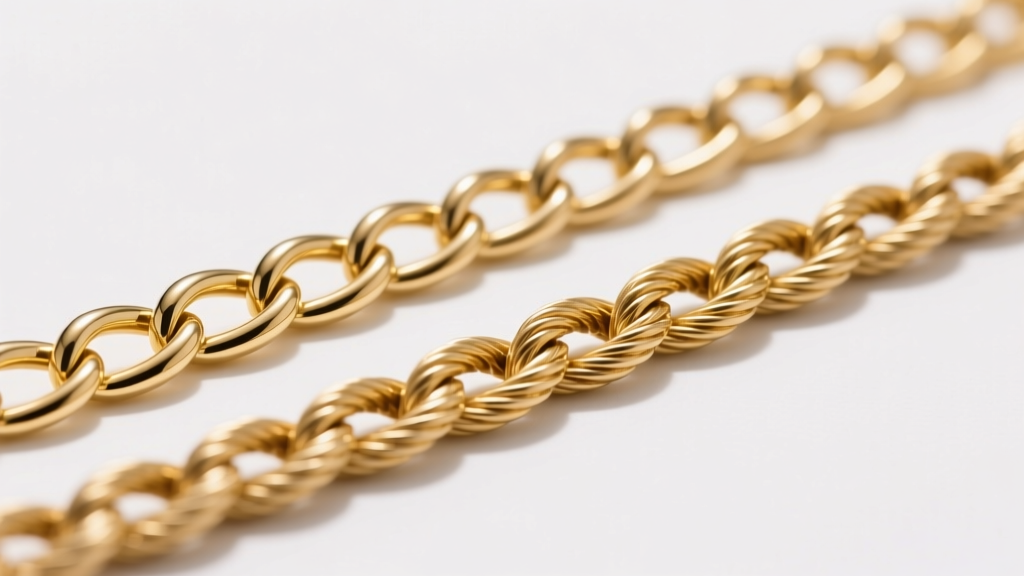
Evaluating Specific Chain Types for Budget Buyers
Cable Chains: The Undisputed Value Workhorse
The cable chain is the most traditional and structurally sound option on the market. Consisting of uniform oval or round links connected to one another, its simple geometry distributes weight evenly. A solid 14k gold cable chain in a 1.5mm gauge weighs approximately 4.2 grams per 18-inch length. Because the links are individually soldered (in high-quality versions) or tightly butted, a break usually occurs at a single, easily identifiable jump ring. Bench jewelers can repair a standard cable chain in minutes, making it the ultimate low-risk investment for everyday pendant wear.
Curb and Figaro Chains: Maximum Visual Impact per Gram
Curb chains feature links that have been flattened and interlocked, allowing them to lay perfectly flat against the collarbone. This flattening process work-hardens the metal, significantly increasing its tensile strength. For budget-conscious buyers who want a standalone statement piece without paying for the massive gram weight of a thick cable chain, a 3mm to 4mm solid curb chain offers excellent visual presence and superior durability. The Figaro chain, a variation of the curb featuring a pattern of three short links followed by one long link, offers the same structural benefits with added visual rhythm.
Rope Chains: The Mid-Tier Investment
Rope chains are crafted by twisting small metal links into a spiral pattern, mimicking the look of a woven rope. They are highly reflective due to the multitude of light-catching angles. However, their complex, intertwined structure makes them a liability if they snap. When a rope chain breaks, the twisted links tend to unravel, requiring the jeweler to carefully re-weave and laser-weld the section. They offer good value if purchased in a solid, medium gauge (2.0mm - 3.0mm), but thin rope chains (under 1.5mm) are prone to stretching and kinking, which compromises their long-term value.
Box and Snake Chains: The Hidden Costs of Sleek Design
Box chains and snake chains offer a sleek, modern, and continuous aesthetic that is highly popular for delicate pendant necklaces. Unfortunately, they represent the poorest value for budget buyers. Box chains consist of square links that hinge inside one another; if one link bends, the entire chain loses its flexibility and structural integrity. Snake chains are made of tightly joined wavy rings that form a smooth, tubular surface. They are notoriously fragile. Bending a snake chain at a sharp angle will permanently crease the metal, and they are virtually impossible to repair invisibly. If you are on a strict budget, avoid these styles unless they are purchased as inexpensive, replaceable fashion jewelry.
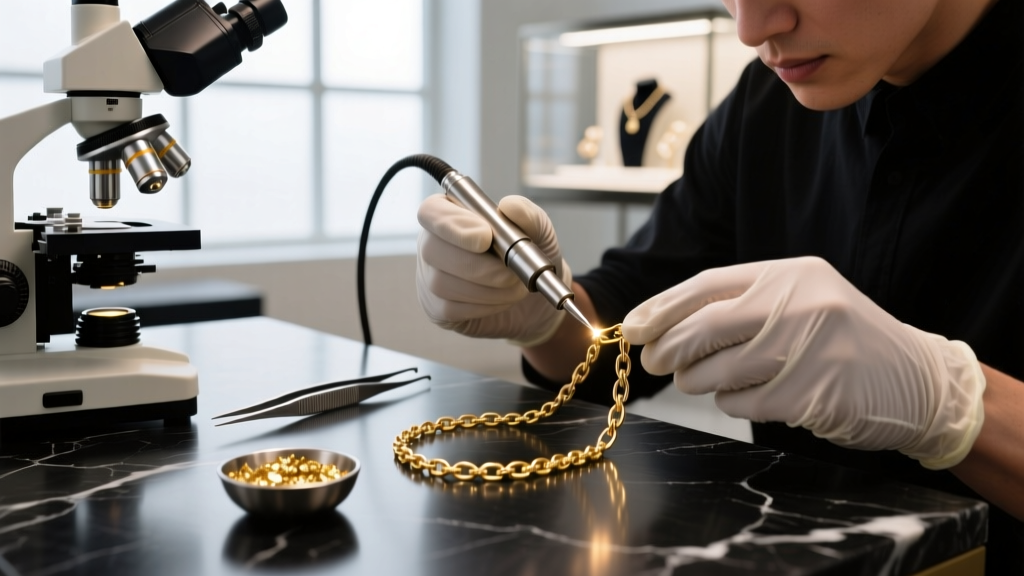
Metal Grades and Purity: Where to Spend and Save
The purity of the gold alloy drastically affects both the upfront cost and the longevity of the chain. The Gemological Institute of America (GIA) notes that pure 24k gold is far too soft for chain manufacturing, necessitating the use of alloy metals like copper, silver, and zinc.
- 10K Gold (41.7% Pure): The most budget-friendly solid gold option. It is highly durable and resistant to scratching due to the high alloy content. However, it lacks the rich yellow hue of higher karats and has virtually no secondary resale value. It is a good choice for heavy, everyday chains where durability is the sole priority.
- 14K Gold (58.3% Pure): The undisputed sweet spot for value. It offers the perfect balance of rich color, structural integrity, and market liquidity. Most reputable jewelers stock their repair materials primarily in 14k, ensuring color-matched soldering is easy and affordable.
- 18K Gold (75% Pure): Luxurious and hypoallergenic, but softer and significantly more expensive. For a budget buyer, an 18k chain is a poor value proposition unless it is a thick, heavy curb or cable chain meant to be worn without a pendant.
- Gold Vermeil and Plated: Vermeil (a thick layer of gold over sterling silver) offers excellent short-term value for trendy, oversized styles. However, it will eventually wear through to the silver base, especially at the clasp and friction points, making it a depreciating asset rather than a long-term investment.
The Hardware Factor: Clasps and Jump Rings
A chain is only as strong as its weakest component, which is almost always the clasp assembly. Many budget chains are fitted with small, hollow spring-ring clasps to save on manufacturing costs. These clasps feature tiny internal springs that frequently fail, leading to lost chains and lost pendants. When assessing value, look for chains equipped with solid lobster clasps. Upgrading a spring ring to a solid 14k lobster clasp typically costs between $15 and $30 at a local bench jeweler—a minor upfront expense that drastically reduces the risk of catastrophic loss.
Final Verdict: Maximizing Your Necklace Investment
When determining which type of necklace chains offers the best value, the data overwhelmingly points to solid 14k gold cable and curb chains. They provide the optimal intersection of tensile strength, affordable repairability, and enduring market value. By avoiding fragile weaves like snake and box chains, and steering clear of hollow manufacturing tricks, you ensure that your jewelry budget is spent on heirlooms rather than disposable accessories. Invest in the structural integrity of the link, and your chain will outlast the shifting trends of the jewelry market.


