Necklace of Fireballs 5e: Prop & Cosplay Troubleshooting
Master your Necklace of Fireballs 5e cosplay prop. Troubleshoot bead stringing, resin painting, and clasp failures for safe, durable LARP jewelry.

The Anatomy of a 5e Fireball Necklace: Material Breakdown
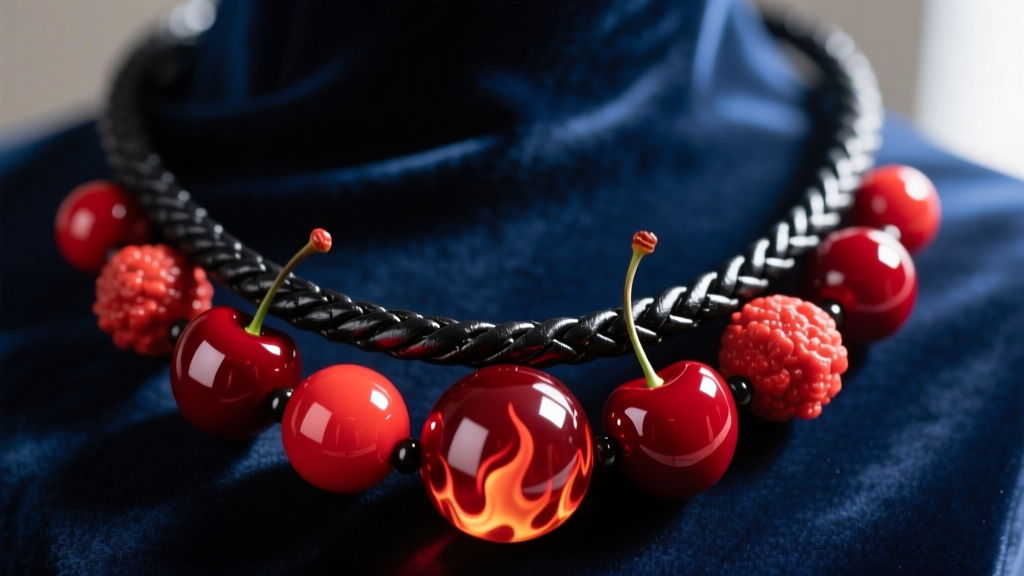
When replicating the iconic Necklace of Fireballs 5e players know from the Dungeon Master's Guide, the biggest challenge isn't just aesthetics—it is structural integrity. According to the Forgotten Realms Wiki, this magical item consists of 1d6+4 beads of varying sizes, which detonate as fireballs when detached. Translating this into a physical cosplay or LARP prop means managing an asymmetrical, heavy, and potentially dangerous weight distribution around your neck.
In 2026, the standard for convention-grade props has evolved. Flimsy plastic beads on basic cotton string will snap under the weight of a convention day. To build a durable necklace, you must match your core stringing material to the exact weight and diameter of your 'fireball' spheres. Most crafters use cast resin beads in 12mm (representing lower-level spell slots), 16mm, and 20mm (for maximum 3rd-level fireball impact) sizes.
Core Stringing Materials vs. Weight Tolerance
Choosing the wrong cord is the number one reason prop necklaces fail mid-convention. Below is a troubleshooting matrix for selecting the right foundation based on your bead material.
| Material | Tensile Strength | Best For | Drawbacks |
|---|---|---|---|
| 2mm Leather Cord | ~45 lbs | Rustic LARP, lightweight resin beads | Stretches over time, degrades with sweat and humidity |
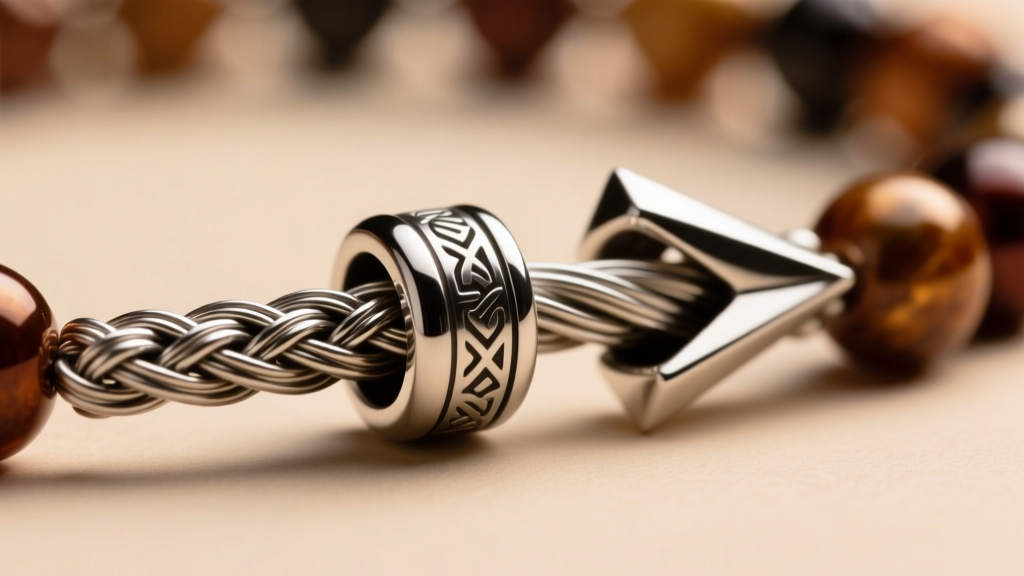
| 1.5mm Braided Steel Wire | ~190 lbs | Heavy glass/stone beads, daily wear | Requires crimp beads and wire guardians, less flexible drape |
| 2mm Waxed Cotton | ~25 lbs | Budget builds, casual tabletop sessions | Frays at the clasp, highly susceptible to water damage |
| 1.2mm Paracord (Type III) | ~550 lbs | Heavy combat LARP, extreme durability | Too thick for standard bead holes, requires a tapered needle |
Troubleshooting Common Prop Failures
Even with the right cord, a Necklace of Fireballs 5e prop is prone to specific points of failure. Here is how to diagnose and fix the most common issues reported by prop makers and cosplayers.
Issue 1: Resin Bead Cracking and Paint Peeling
The Problem: You painted your resin spheres with vibrant reds and oranges, but after a few hours of wear, the paint chips off, or the beads develop hairline fractures around the drill holes.
The Fix: Paint peeling is almost always a result of skipping the preparation stage. Resin molds often leave a microscopic layer of silicone release agent on the surface. According to the experts at Resin Obsession, you must wash the beads in warm water with a grease-cutting dish soap, then lightly scuff them with 400-grit sandpaper. Apply a coat of Rust-Oleum Filler Primer before painting with heavy-body acrylics. To prevent cracking around the drill holes, never force a bead onto a wire that is too thick. If you are using a 1.5mm steel wire, ensure your beads are drilled with a 2.0mm bit to allow for micro-movements and thermal expansion.
Issue 2: Clasp Snapping Under Convention Stress
The Problem: The lobster clasp breaks, or the knot securing the cord to the jump ring slips, sending your expensive prop beads scattering across the convention center floor.
The Fix: Standard lobster clasps are not rated for the dynamic, swinging weight of 10+ large resin spheres. Furthermore, tying leather or cotton cord directly to a metal jump ring creates a shear point that will eventually slice through the fibers. Instead, use a heavy-duty magnetic breakaway clasp (essential for LARP safety) or a toggle clasp. Secure the cord ends using glued cord crimps. Apply a drop of Loctite 454 (a gel-based cyanoacrylate that won't run into your bead holes) inside the crimp before clamping it shut with chain-nose pliers.
Sizing and Layering for Tabletop & LARP
A Necklace of Fireballs 5e isn't just a prop; it's a wardrobe piece that needs to interact with your character's clothing or armor. Improper sizing leads to the necklace flipping upside down (a common issue with top-heavy bead arrangements) or choking the wearer during combat simulations.
Adjusting Drop Lengths for Different Armor/Necklines
- 18-Inch Drop (Choker/Princess Length): Best for standard tavern wear, linen tunics, and crew-neck shirts. This keeps the beads high on the chest, preventing them from swinging into your face or catching on table edges during gameplay.
- 24-Inch Drop (Opera Length): Mandatory if you are wearing the necklace over chainmail, scale armor, or a thick gambeson. The extra length ensures the clasp sits below the armor's collar line, preventing the metal edges from grinding against your cord and causing premature fraying.
- Asymmetrical Weight Distribution: To mimic the random 1d6+4 bead generation, you will likely have an uneven number of spheres. To prevent the necklace from sliding to one side, use a 'stopper bead' technique. Place a small, discreet 4mm metal spacer bead directly opposite the clasp, and secure it with a micro-drop of E6000 adhesive on the cord. This anchors the center of gravity.
LARP Safety Warning: If you are wearing your Necklace of Fireballs into a live-action combat zone, you must use a magnetic breakaway clasp. If an opponent's weapon catches your necklace, a standard clasp will not yield, posing a severe strangulation hazard. Always prioritize neck safety over prop accuracy in the field.
Advanced Finishing Techniques for Realistic Spheres
To truly capture the volatile magic of a 5e fireball, your beads need depth. Flat red paint looks like cheap plastic. You need to simulate the roiling, internal heat of a contained explosion.
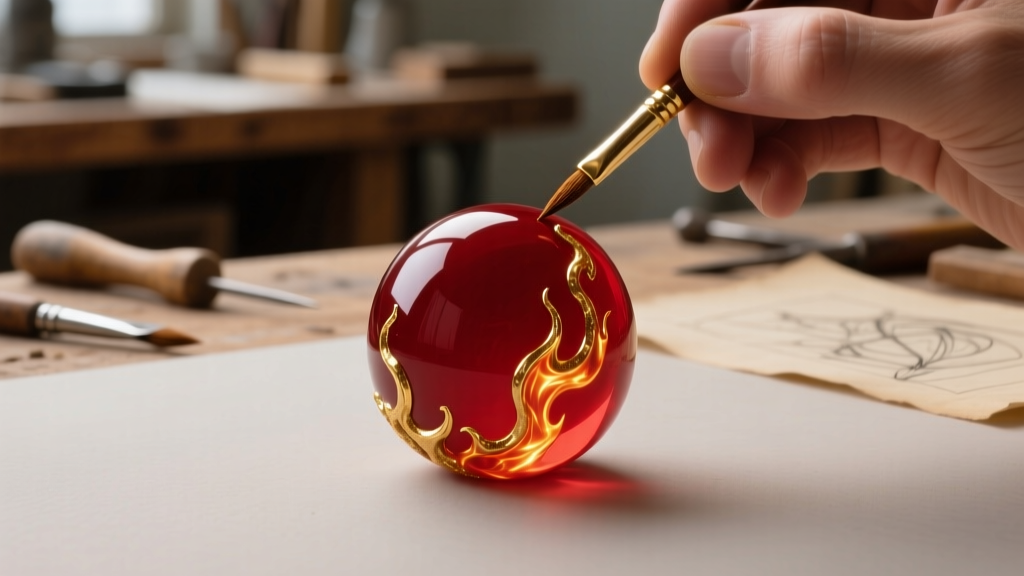
Start by casting your resin beads with a translucent base and adding a few drops of alcohol ink (Sunset Orange and Crimson) directly into the mixture. This creates a glowing, stained-glass effect when light hits the bead. Once painted and sealed with a high-gloss UV resin topcoat, use a dry-brushing technique to add the 'scorch' marks. Take a stiff, flat brush, dip it in metallic gold or antique brass paint, wipe 90% of the paint off onto a paper towel, and lightly drag it over the edges and drill holes of the beads. This mimics the metallic, superheated casing described in the item's lore. For a comprehensive guide on wire-wrapping and finishing techniques, the Fire Mountain Gems Encyclopedia remains an invaluable resource for prop makers.
Final Pre-Convention Checklist
Before you pack your Necklace of Fireballs 5e for your next tabletop weekend or LARP campaign, run through this rapid troubleshooting checklist to ensure your prop survives the weekend:
- The Tug Test: Hold the clasp in one hand and the bottom-most bead in the other. Pull firmly. If the cord stretches more than 5%, or if the crimp beads slide, redo the clasp attachments.
- The Heat Test: Leave the necklace in a warm car for two hours. Heat can soften cheap glues and cause cheap resin to warp. If the beads feel tacky or the paint transfers to your fingers, you need to re-seal with a heat-resistant polyurethane spray.
- The Snag Test: Run the necklace over a piece of knit fabric. If the wire guardians or jump rings catch on the yarn, file them down or wrap them in heat-shrink tubing. A snagged necklace at a crowded con is a broken necklace.
By treating your magical item replication with the same rigor as fine jewelry crafting, you ensure that your Necklace of Fireballs remains a centerpiece of your cosplay for years to come, rather than a pile of broken beads on a convention floor.


