Discover the best way to untangle a necklace by material
Discover the best way to untangle a necklace based on its metal or cord material. Expert tips on friction, malleability, and safe detangling methods.

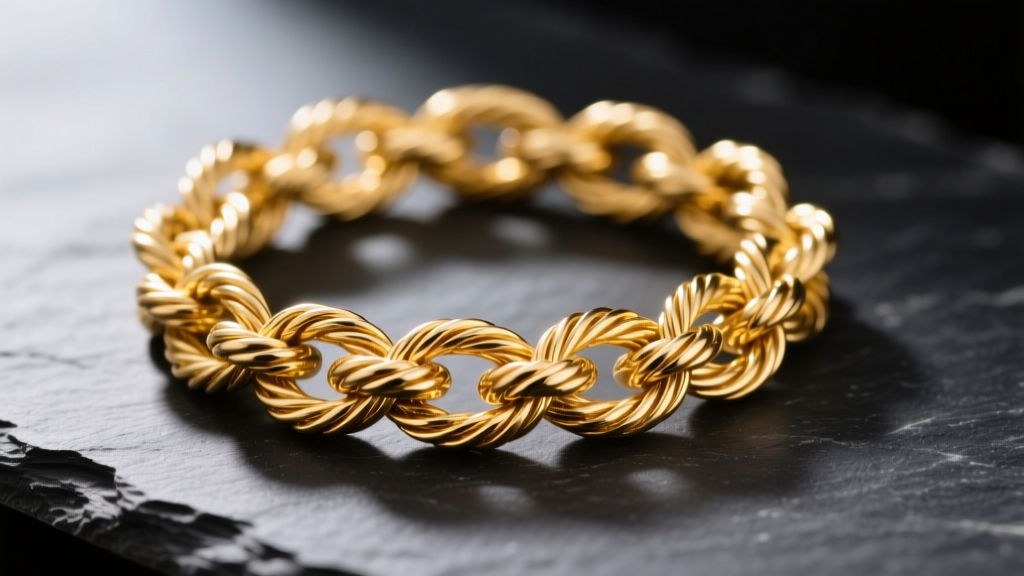
There are few things more frustrating in jewelry care than pulling a beloved piece from your jewelry box only to find it transformed into a chaotic, metallic bird's nest. While the internet is flooded with generic life hacks involving baby powder and sewing needles, treating every chain the same is a recipe for broken links and ruined finishes. The truth is, the best way to untangle a necklace depends entirely on its metallurgical composition, link geometry, and surface friction coefficient.
As a domain expert in jewelry materials, I have analyzed the failure modes of tangled chains across the spectrum of precious metals, alternative alloys, and organic cords. In this comprehensive guide, we will break down the physics of jewelry tangles and provide a material-specific framework to safely rescue your necklaces without compromising their structural integrity.
The Physics of Tangles: Why Material and Geometry Matter
Before applying any lubricants or tools, it is crucial to understand why necklaces tangle. A tangle is essentially a kinetic knot exacerbated by three factors: link geometry, surface friction, and malleability.
- Link Geometry: Rope chains and box chains have complex, interlocking helical or angular geometries that easily catch on one another. Cable chains are simpler but can slip through their own links if the gauge is under 1.2mm.
- Surface Friction: Microscopic scratches, oxidation, and environmental debris increase the friction coefficient between links, causing them to bind tightly when pulled.
- Malleability: Softer metals will deform (kink) under the tension of a tangle, turning a simple knot into a permanent structural weak point.
According to the Gemological Institute of America (GIA), improper handling of tangled precious metals is a leading cause of micro-fractures in fine chain links. Therefore, matching your detangling strategy to the specific material properties of your necklace is non-negotiable.
Precious Metals: Gold, Silver, and Platinum
14k vs. 18k Gold: The Malleability Trap
Gold is inherently a soft metal, but its alloys dictate its behavior under stress. An 18k gold chain (75% pure gold) has a Vickers hardness of approximately 125, making it highly malleable. When an 18k gold chain tangles, the links are prone to kinking and warping if you pull them. The best way to untangle a necklace made of 18k gold is to use a high-lubricity liquid, such as mineral oil or specialized jewelry detangling drops, to eliminate friction entirely before applying mechanical force. Conversely, 14k gold (Vickers hardness ~160) is more rigid. It resists kinking better but can snap if bent repeatedly at the same stress point. Use two size-9 sewing needles to gently pry 14k links apart, avoiding lateral bending.
Sterling Silver and the Oxidation Factor
Sterling silver (925) presents a unique challenge: tarnish. Silver sulfide, the black tarnish that forms on silver, acts like microscopic sandpaper. If you attempt to untangle a tarnished silver rope chain, the increased friction will cause the links to grind against each other, resulting in permanent surface scuffing.
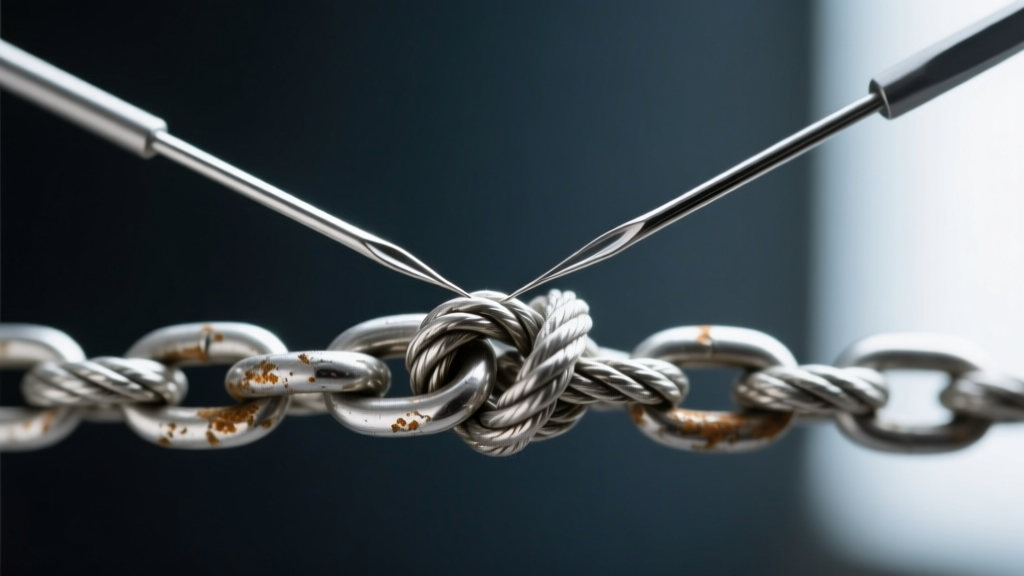
Expert Protocol: Never pull a tarnished silver knot tight. First, apply a small drop of silver polishing cream directly to the knot to dissolve the sulfide layer and provide temporary lubrication. Once the knot is loosened, clean the entire chain in a mild ultrasonic bath (only if the chain is completely free of gemstones).
Platinum: High Tensile Strength and Stiffness
Platinum is dense, heavy, and boasts immense tensile strength. It will rarely kink like gold, but its stiffness means that when a platinum chain does tangle, the knot can become incredibly rigid and difficult to manipulate with bare fingers. The Assay Office London notes that platinum's durability makes it ideal for stone settings, but in fine chains, its rigidity requires mechanical leverage. Use flat-tipped titanium tweezers to hold the base of the knot while using a needle to work the center link loose. Avoid liquid oils, as platinum's dense surface can trap oil residues in the link crevices, attracting dust later.
Alternative Metals: Steel, Titanium, and Tungsten
Alternative metals have surged in popularity due to their hypoallergenic properties and extreme durability. However, their high hardness ratings completely change the detangling paradigm. These metals will not kink, but their links can lock together with vice-like grip due to their precise, machine-cut tolerances.
| Metal Type | Vickers Hardness (HV) | Kink Risk | Recommended Detangling Agent |
|---|---|---|---|
| 316L Stainless Steel | 150 - 200 | Zero | WD-40 Specialist Dry Lube (PTFE) |
| Grade 5 Titanium | 330 - 350 | Zero | Graphite Powder |
| Tungsten Carbide | 1500+ | Zero (Brittle) | Isopropyl Alcohol (to clean debris) |
Crucial Warning: Never use standard baby oil or olive oil on titanium or steel chains. These porous alternative metals can trap organic oils, leading to a rancid smell and skin irritation. Always use dry lubricants like PTFE (Teflon) spray or graphite powder, which evaporate or brush away cleanly without leaving a sticky residue.
Non-Metal Materials: Silk, Leather, and Beaded Cords
The rules of metallurgy go out the window when dealing with organic and porous materials. The best way to untangle a necklace made of silk cord, leather, or cotton requires an entirely different chemical approach.
The Danger of Lubricants on Porous Cords
Silk is a natural protein fiber. Applying oil-based lubricants (like baby oil or mineral oil) to a tangled silk cord will permanently stain the fiber, degrade the protein structure over time, and attract dirt that will eventually rot the cord. Leather cords are similarly vulnerable; oils can strip the leather of its factory tanning agents, causing it to dry out and crack.
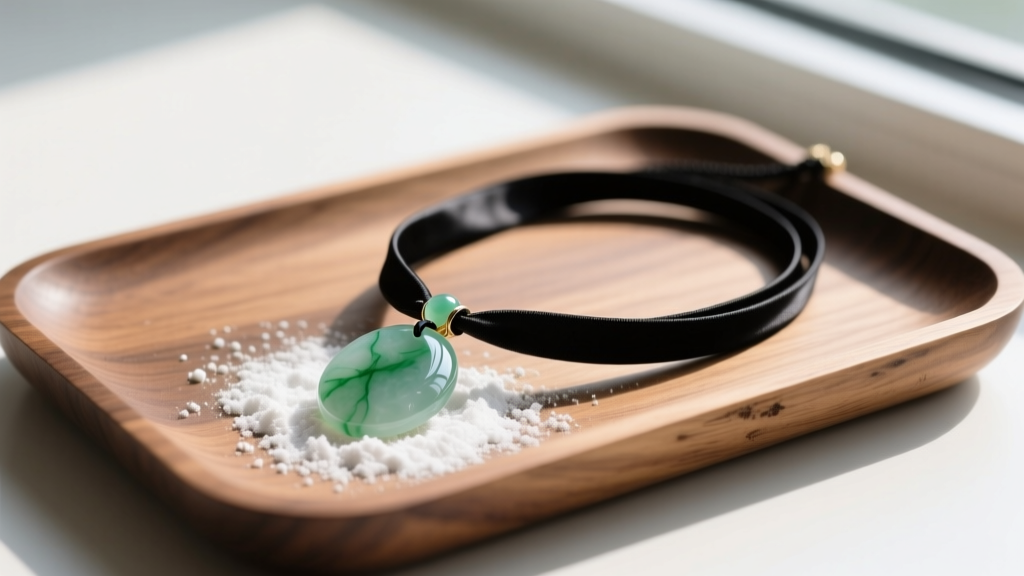
Instead of wet lubricants, utilize dry friction reducers. Pure cornstarch or arrowroot powder are exceptional for silk and cotton cords. For leather, a microscopic dusting of specialized leather talc or pure PTFE powder will allow the fibers to slide past one another without compromising the material's integrity. Gently massage the powder into the center of the knot, roll the knot between your thumb and forefinger to break the tension, and use a blunt tapestry needle to tease the loops apart.
Step-by-Step Material-Specific Detangling Framework
To ensure you are executing the best way to untangle a necklace safely, follow this universal four-step framework, adapting the lubricant to your specific material as outlined above.
Jeweler's Rule of Thumb: Never suspend a tangled necklace in the air while working on it. Gravity will pull the weight of the chain downward, naturally tightening the knot. Always work on a flat, high-contrast surface.
- Surface Preparation: Lay the necklace flat on a dark, non-slip mat (for light metals) or a white ceramic tile (for dark cords/metals). Ensure you have bright, direct overhead lighting and a 5x magnifying loupe.
- Targeted Lubrication: Apply your chosen material-safe lubricant strictly to the knot using a cotton swab. Do not douse the entire chain. Allow 60 seconds for the lubricant to penetrate the micro-crevices of the links.
- Peripheral Loosening: Do not attack the center of the knot first. Use two size-9 sewing needles to gently push the outermost links toward the center. This creates slack. Pulling the outer links away from the center will only tighten the core.
- Core Extraction: Once slack is introduced, identify the single link that is acting as the 'linchpin' holding the knot together. Use the tip of one needle to lift that specific link, allowing the others to fall away.
Preventative Storage Based on Material Properties
Understanding material properties not only helps you untangle necklaces but also prevents the issue from occurring in the first place.
- For Fine Gold and Silver Chains (Under 1.5mm): Store these in individual, soft flannel pouches. Flannel contains anti-tarnish properties for silver and prevents the micro-scratches that increase friction in gold.
- For Rope and Box Chains: Hang these vertically on a jewelry stand with a velvet-covered bar. The vertical gravity keeps the complex helical links aligned, making it physically impossible for them to interlock.
- For Silk and Leather Cords: Coil them loosely in a figure-eight pattern and secure them with a soft velcro tie. Never hang heavy pendants on silk cords for long-term storage, as the constant tension will stretch the protein fibers, altering the drape of the necklace permanently.
By respecting the unique physical and chemical properties of your jewelry materials, you can safely conquer even the most stubborn knots. The best way to untangle a necklace is never a one-size-fits-all hack; it is a deliberate, material-conscious process that preserves the beauty and structural integrity of your most cherished pieces for decades to come.


