Betsey Johnson Owl Necklace Value Guide: Is It Worth It in 2026?
Discover the true value of the Betsey Johnson owl necklace in 2026. We assess materials, vintage pricing, resale market data, and authenticity tips.

The Allure of the Betsey Johnson Owl Necklace
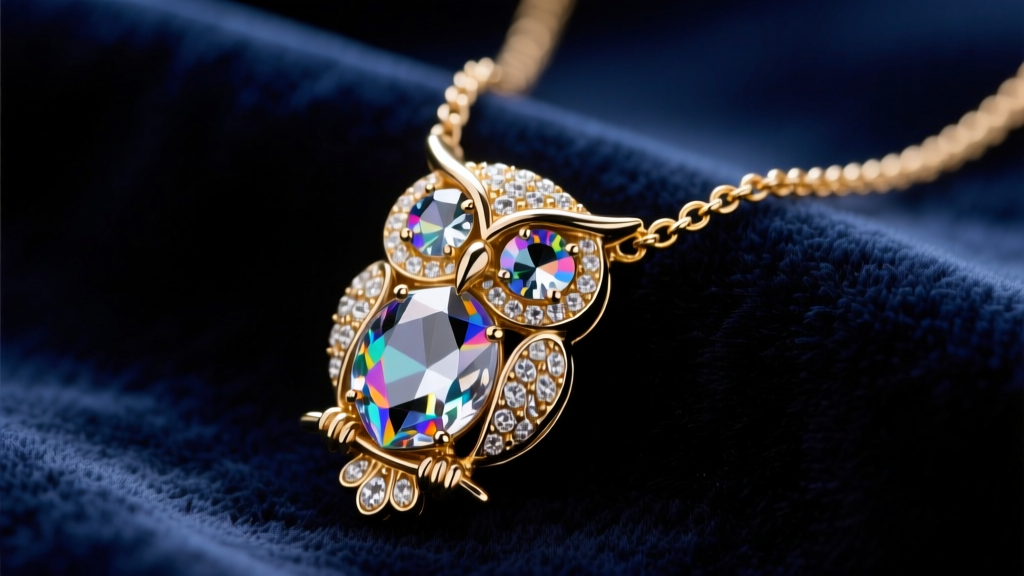
Since the late 1990s, the Betsey Johnson owl necklace has reigned supreme as a staple of quirky, maximalist fashion jewelry. Characterized by its whimsical design, crystal-encrusted belly, and bold enamel work, the owl pendant transcends seasonal trends to remain a highly sought-after collector's item. But as we navigate the vintage and secondary jewelry markets in 2026, a critical question emerges for both seasoned collectors and first-time buyers: what is the actual budget and value assessment of this iconic piece?
Unlike fine jewelry, where value is intrinsically tied to precious metal melt weights and gemstone clarity, the value of a Betsey Johnson owl necklace is driven by design provenance, manufacturing era, and condition. According to valuation experts at Kovels Antiques & Collectibles, fashion jewelry from iconic American designers has seen a steady appreciation in the secondary market, provided the pieces retain their original structural integrity. In this comprehensive guide, we break down the materials, market pricing tiers, and authentication markers you need to know before investing in this statement piece.
Material Breakdown: What Are You Actually Buying?
To accurately assess the value of any Betsey Johnson owl necklace, you must first understand its material composition. Betsey Johnson is fundamentally a fashion and costume jewelry brand. You are not paying for intrinsic precious metal value; you are paying for the brand's design intellectual property and the craftsmanship of the era.
Base Metals and Plating
Early iterations of the owl necklace (circa 1998–2005) were typically cast from heavy pewter or a dense brass alloy. These pieces were then flash-plated with either gold-tone or rhodium (silver-tone) finishes. The weight of these early models is substantial, often exceeding 45 grams for the pendant alone. Later mass-market runs, particularly those produced for department store concessions post-2012, utilized lighter Zamak (zinc alloy) bases. This shift in metallurgy significantly impacts the drape of the necklace and its long-term durability, directly influencing current resale value.
Crystals and Enamel
The signature "crystal belly" of the owl is rarely made of genuine Swarovski. Instead, Betsey Johnson utilized proprietary leaded glass crystals and, in later, more budget-friendly runs, faceted acrylic. The enamel work is applied using a cold enamel process (epoxy resin) rather than vitreous (kiln-fired) enamel. While cold enamel allows for vibrant, opaque colors, it is inherently softer and more prone to chipping, a critical factor when evaluating a vintage piece's condition.
Pricing Tiers: Vintage vs. Contemporary Market
The secondary market for the Betsey Johnson owl necklace is highly stratified based on the manufacturing era. Data aggregated from The RealReal Consignment Guide and vintage jewelry archives reveal distinct pricing tiers in 2026. Understanding these tiers prevents overpaying for later, lower-quality reproductions.
| Manufacturing Era | Material Characteristics | Condition Expectations | Estimated Market Value (2026) |
|---|---|---|---|
| 1998–2005 (Original Run) | Heavy pewter/brass, glass crystals, thick plating | Minor plating wear, intact enamel | $95 – $160 |
| 2006–2014 (Mid-Era) | Mixed alloys, glass/acrylic blend, standard plating | Some glue yellowing, minor stone loss | $55 – $90 |
| 2015–Present (Late/Licensed) | Lightweight Zamak, acrylic stones, thin plating | Often new or like-new, but fragile | $25 – $45 |
As the table illustrates, the earliest runs command a premium. Collectors actively hunt for the heavy, glass-stoned variants, viewing them as the definitive expression of the designer's original vision. If a seller is asking upwards of $120 for a lightweight, acrylic-stoned owl from 2018, it is a clear market inflation that should be avoided.
Authentication & Spotting Fakes
Because of the owl necklace's enduring popularity, the market is flooded with counterfeit pieces and "Betsey-inspired" unbranded knockoffs. When conducting your budget and value assessment, verifying authenticity is non-negotiable.
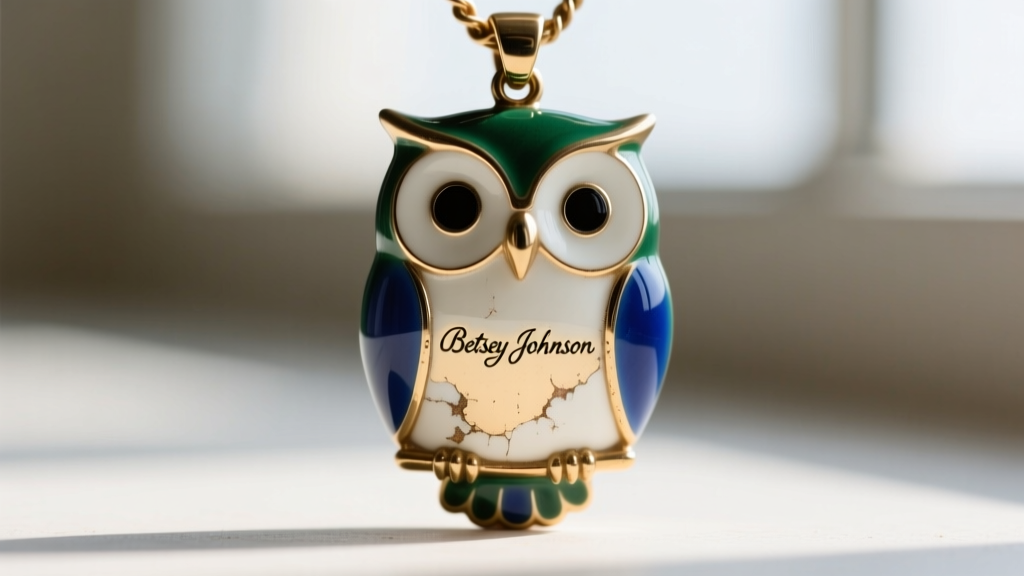
- The Hallmark Tag: Genuine necklaces feature a small, engraved hangtag near the clasp. Early pieces use an oval tag, while later pieces use a heart-shaped tag. The engraving should read "Betsey Johnson" in a crisp, specific serif font. Counterfeits often feature shallow, laser-etched, or entirely incorrect sans-serif fonts.
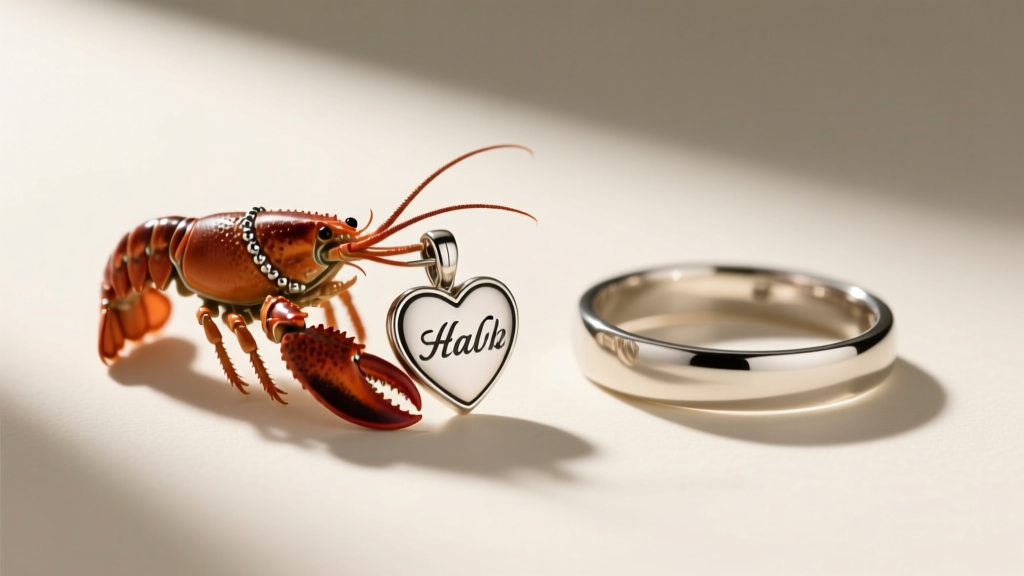
- The Clasp Mechanism: Authentic pieces almost exclusively use high-quality lobster clasps stamped with a tiny 'BJ' or paired with the branded heart charm. Spring-ring clasps or smooth, unmarked lobster clasps are immediate red flags.
- Crystal Setting: Examine the belly crystals under a jeweler's loupe. Genuine vintage pieces often feature prong-set glass crystals. Fakes and later cheap runs rely entirely on epoxy glue, leaving visible, messy residue around the edges of the acrylic stones.
Maintenance & Common Failure Modes
When buying vintage fashion jewelry, you must factor in the cost of potential restoration. The Betsey Johnson owl necklace suffers from three primary failure modes that can instantly depreciate its value by 50% or more.
1. Cold Enamel Chipping: Because the enamel is essentially a hardened resin, dropping the pendant on a hard surface will cause micro-fractures and chips. Unlike vitreous enamel, cold enamel cannot be easily repaired by a traditional jeweler without visible color-matching discrepancies.
2. Plating Rub-Off and Verdigris: The gold-tone and rhodium flash plating is incredibly thin. Prolonged contact with acidic skin pH, perfumes, and lotions will wear the plating down to the base metal. If the base metal is a copper-heavy brass alloy, exposure to moisture will cause verdigris (a green, powdery corrosion) to form in the crevices of the owl's feathers, which is notoriously difficult to clean without stripping the remaining plating.
3. Epoxy Degradation: The crystals on the owl's belly and the small gemstone eyes are held in place by industrial epoxy. Over 15 to 20 years, this glue naturally yellows, becomes brittle, and fails. Re-gluing missing stones is a common maintenance task for collectors, but a necklace with missing belly stones should be negotiated down by at least 30% from its tier's baseline value.
Styling the Owl Pendant: Necklines and Layering
Beyond its collectible value, the Betsey Johnson owl necklace holds immense stylistic utility. The pendant typically measures between 2 and 2.5 inches in height, making it a bold focal point. It pairs exceptionally well with deep V-necklines and unbuttoned collared shirts, allowing the pendant to rest flat against the sternum without flipping.
For a modern 2026 aesthetic, avoid layering the owl with other bulky, whimsical pendants, which creates visual clutter and causes the heavy metal chains to tangle and scratch the enamel. Instead, layer it with a delicate, 18-inch gold-filled satellite chain and a simple, minimalist bar pendant to balance the maximalist energy of the owl with contemporary restraint.
Final Verdict: Budget & Value Assessment
Is the Betsey Johnson owl necklace worth the investment? From a strictly financial, intrinsic-material standpoint, the answer is no. You are purchasing base metals and glass. However, from a design, archival, and stylistic perspective, the early-run vintage pieces offer exceptional value. A well-preserved 1990s heavy pewter owl necklace purchased for $120 today will likely retain or appreciate in value over the next decade as Y2K and early-2000s fashion archives continue to surge in popularity. For buyers on a strict budget under $40, the modern lightweight versions offer the same whimsical aesthetic, provided you accept their lower durability and lack of long-term resale potential.


