Black Necklace Cord Value Guide: Silk vs Nylon vs Leather
Compare silk, nylon, and leather black necklace cords. Discover the best budget options, durability ratings, and ideal thicknesses for pendants.

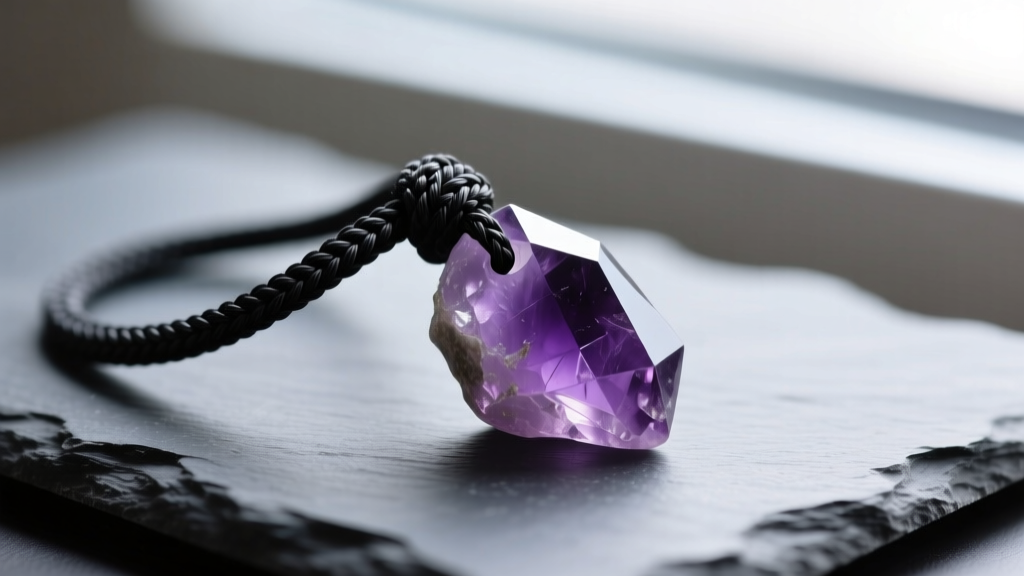
The True Cost of Black Necklace Cords: Pre-Made vs. DIY Spools
When building a jewelry collection on a budget, the black necklace cord is often an afterthought. Yet, this single component dictates not only the aesthetic drape of your pendant but its physical security. The market is flooded with options ranging from $2 pre-cut strands to $40 designer leather ropes. But where is the actual value? As a jewelry appraiser and stylist, I frequently see collectors pair $500 gemstone pendants with $3 bonded leather cords that degrade within months, or conversely, overpay for pre-made silk cords that offer zero structural advantage over raw spools.
The most significant value unlock in 2026 is abandoning pre-made cords in favor of bulk spools. A pre-made 1.5mm nylon cord with sterling silver end-caps and a lobster clasp typically retails for $18 to $35. By purchasing a 50-meter spool of premium braided nylon for roughly $12 from suppliers like Fire Mountain Gems, your cost per necklace drops to under $0.50, excluding findings. This DIY approach not only slashes your budget but allows for custom length adjustments and sliding knot mechanisms that eliminate the need for expensive metal clasps entirely.
Material Breakdown: Where Does Your Money Actually Go?
Not all black cords are created equal. The material you choose dictates water resistance, tensile strength, and skin compatibility. Here is a deep dive into the three dominant materials and their true value proposition.
Nylon and Waxed Cotton: The Budget Champions
Waxed cotton is the undisputed king of ultra-budget cords, often selling for $4 per 10-meter roll. It holds knots beautifully due to the wax coating and offers a rustic, matte finish. However, its value plummets if you live in a humid climate or wear your jewelry daily. The cotton fibers absorb skin acidity and sweat, leading to dry rot and catastrophic snapping within 6 to 12 months. Nylon, specifically braided Chinese knotting cord or C-LON, is the superior budget alternative. Priced slightly higher at $8 to $14 per 50-meter spool, nylon is entirely impervious to water, sweat, and UV degradation. It offers a subtle sheen and immense tensile strength, making it the highest-value synthetic option on the market.
Silk: The Premium Standard with Hidden Flaws
Griffin 100% natural silk has been the traditional choice for pearl and high-end gemstone stringing for decades. A black silk necklace cord offers an unparalleled luxurious drape and a soft, organic luster that synthetics cannot perfectly replicate. However, from a pure budget and value perspective, silk is a poor investment for heavy pendants. Silk degrades when wet, stretches over time, and requires professional restringing or complex needlework to secure. A size 6 or 8 silk cord (roughly 0.8mm to 1.0mm) will snap under the dynamic stress of a 30-gram stone pendant. Reserve silk for lightweight, high-value pieces where the drape justifies the high maintenance cost.
Leather and Suede: The Textured Middle-Ground
Leather cords introduce a masculine, rugged aesthetic, but the market is rife with deceptive grading. "Genuine leather" is often a marketing term for bonded leather scraps glued together, which will peel and crack rapidly. True value lies in top-grain or full-grain round leather cords, typically 1.5mm to 3.0mm in diameter. These cost between $15 and $25 for a 5-meter hank. While expensive per meter, a 2mm full-grain black leather cord can last a lifetime if kept dry and occasionally conditioned with mink oil. Avoid suede for daily wear, as the porous nap traps oils and dirt, turning a sleek black cord into a matted grey mess within weeks.
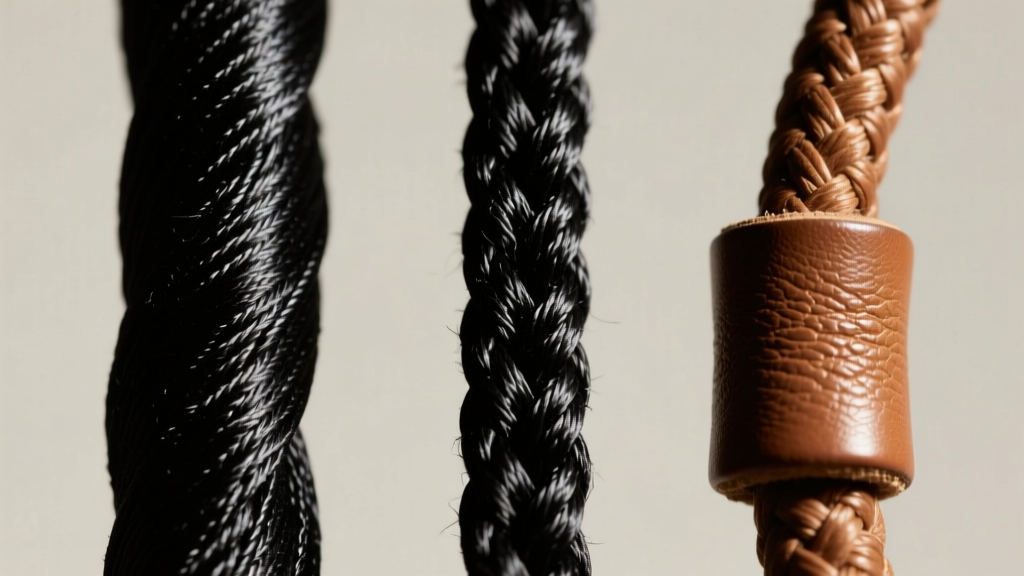
Thickness, Gauge, and Tensile Strength: Sizing for Value
Buying the wrong thickness is a hidden budget killer. A cord that is too thin will saw through a soft metal bail (like 24k gold or high-karat silver) over time, while a cord that is too thick will simply refuse to fit through the pendant's loop. When sourcing from wholesale jewelers like Rio Grande, you must match the cord diameter to both the pendant's weight and the bail's inner diameter (I.D.).
For standard gemstone pendants weighing under 15 grams, a 0.5mm to 0.8mm cord is ideal. For heavy raw stones, large metal castings, or artisan pottery pieces exceeding 30 grams, you must step up to a 1.5mm or 2.0mm cord. However, remember that a standard sterling silver soldered bail usually has an I.D. of only 1.2mm to 1.5mm. To use a 2.0mm black necklace cord, you will need to invest in a wrapped wire bail, a pinch bail, or a specialized euro-bail, adding $3 to $8 to your total component cost.
| Material | Avg. Cost (per meter) | Tensile Strength | Water/Sweat Resistance | Ideal Pendant Weight |
|---|---|---|---|---|
| Waxed Cotton (1.5mm) | $0.40 | Moderate | Poor (Degrades quickly) | Under 20g |
| Braided Nylon (1.0mm) | $0.20 | Very High | Excellent (Impervious) | Under 40g |
| Natural Silk (Size 8) | $1.50 | Low to Moderate | Poor (Stretches when wet) | Under 15g |
| Full-Grain Leather (2.0mm) | $4.00 | High | Moderate (Needs care) | 30g to 100g+ |
Hidden Costs: Clasps, Findings, and Knotting
The true cost of a black necklace cord extends beyond the string itself. The termination method—how you attach the clasp or finish the ends—can easily triple your budget if you aren't careful. Pre-made cords use glue-in bullet clasps or fold-over crimps. If you are making your own, the adhesive you choose is critical. Avoid thick, industrial glues like E6000 for cords under 1.5mm; the viscosity prevents deep penetration into the cord end. Instead, use a capillary-action adhesive like G-S Hypo Cement, which wicks into the fibers and dries clear, creating a bond that often outlasts the cord itself.
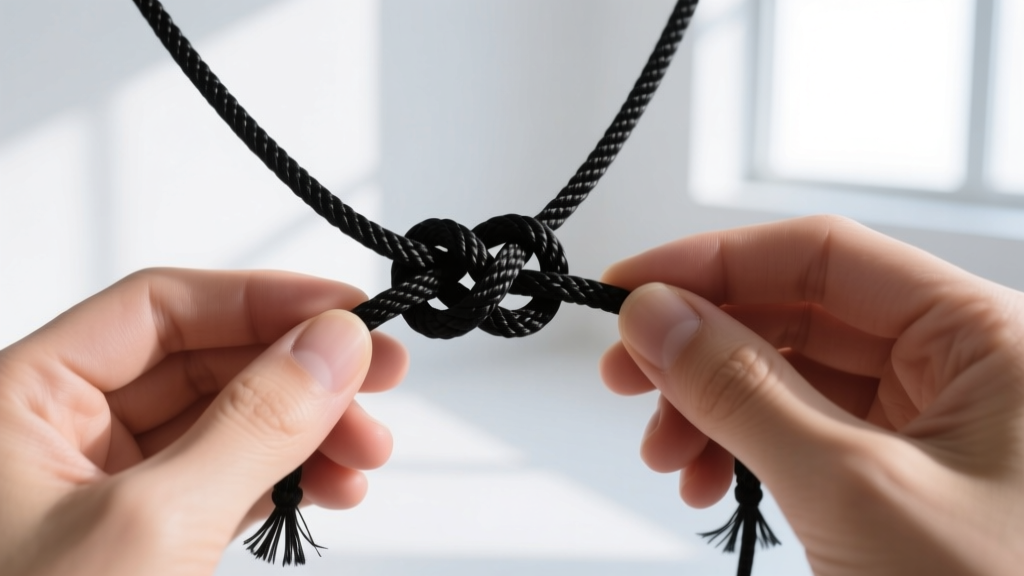
Alternatively, eliminate metal findings entirely by mastering the macramé sliding square knot. Using a 1mm black nylon cord, you can create an adjustable closure that requires zero glue, zero crimps, and zero clasps. This not only saves $5 to $10 per necklace in sterling silver hardware but also results in a hypoallergenic, continuous loop that is infinitely adjustable from choker to matinee length. The only cost is the 10 minutes required to learn the knotting technique.
Final Verdict: Maximizing Your Necklace Cord Budget
To achieve the highest value when shopping for a black necklace cord, abandon the convenience of pre-made retail strands. Invest in a 50-meter spool of 1.0mm braided nylon or 1.5mm top-grain leather, depending on your aesthetic preference. Pair these bulk cords with reusable sliding knots or high-quality, glue-in sterling silver end-caps secured with G-S Hypo Cement. By understanding the tensile limits of silk, the degradation risks of waxed cotton, and the bail-size requirements of thick leather, you can build a secure, luxurious, and highly customizable necklace collection for a fraction of the boutique price.


