Authentic Shark Tooth Necklace Value & Pricing Guide
Discover how to evaluate an authentic shark tooth necklace. Learn pricing tiers, fossil vs. modern differences, and how to spot fakes before you buy.

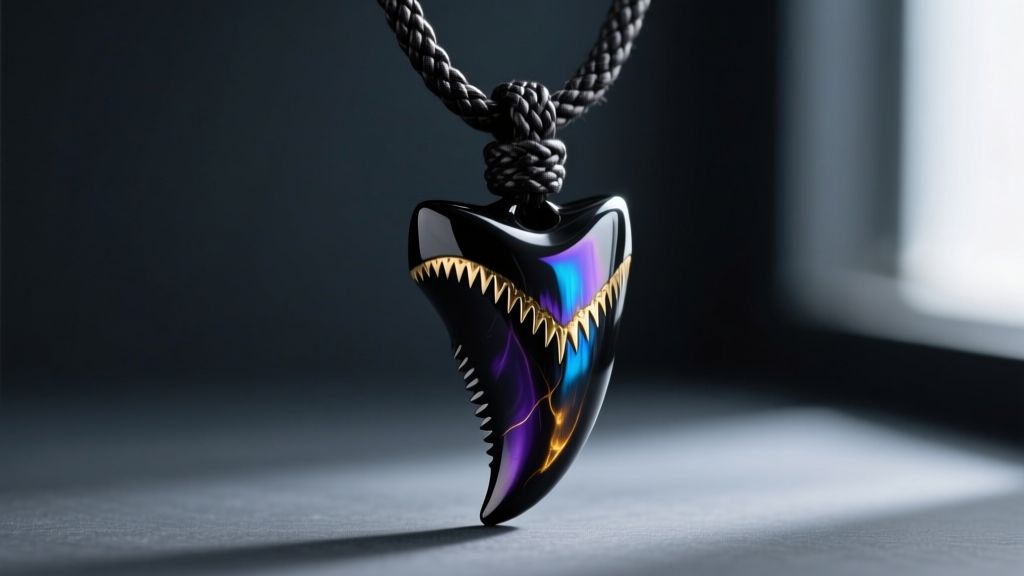
The Allure and Economics of Shark Tooth Jewelry
The market for an authentic shark tooth necklace is vast, highly fragmented, and riddled with counterfeit products. For the untrained buyer, distinguishing between a $15 mass-produced resin cast and a $400 gem-grade fossilized pendant is nearly impossible without understanding the underlying biology, geology, and jewelry manufacturing standards. As a buyer in 2026, assessing the true value of these pendants requires looking past the initial aesthetic and examining the provenance, material hardness, and hardware integrity.
This comprehensive value assessment breaks down exactly what drives the price of shark tooth jewelry, how to identify synthetic imitations, and where budget brands secretly cut corners on the findings and cordage. Whether you are sourcing a modern Mako tooth or a Miocene-era Megalodon, understanding these metrics is essential for maximizing your investment.
Modern vs. Fossilized: What Drives the Price?
The most significant price determinant in shark tooth jewelry is the origin of the specimen. The market is broadly divided into two categories: modern biological specimens and paleontological fossils.
Modern Teeth (Mako, Tiger, Bull, Lemon)
Modern shark teeth are typically harvested from bycatch, ethical culling programs, or found by divers in shallow coastal waters. Because sharks continuously shed teeth throughout their lives (sometimes up to 30,000 in a lifetime), smaller modern teeth from abundant species like the Bull shark or Tiger shark are relatively common. Their value is primarily dictated by size, symmetry, and the pristine condition of the enamel. A modern Mako tooth, prized for its sleek, dagger-like profile and stark white or translucent gray enamel, generally commands a higher premium than a Bull shark tooth due to its aesthetic appeal in fine jewelry.
Fossilized & Agatized Teeth (Megalodon, Ancient Mako)
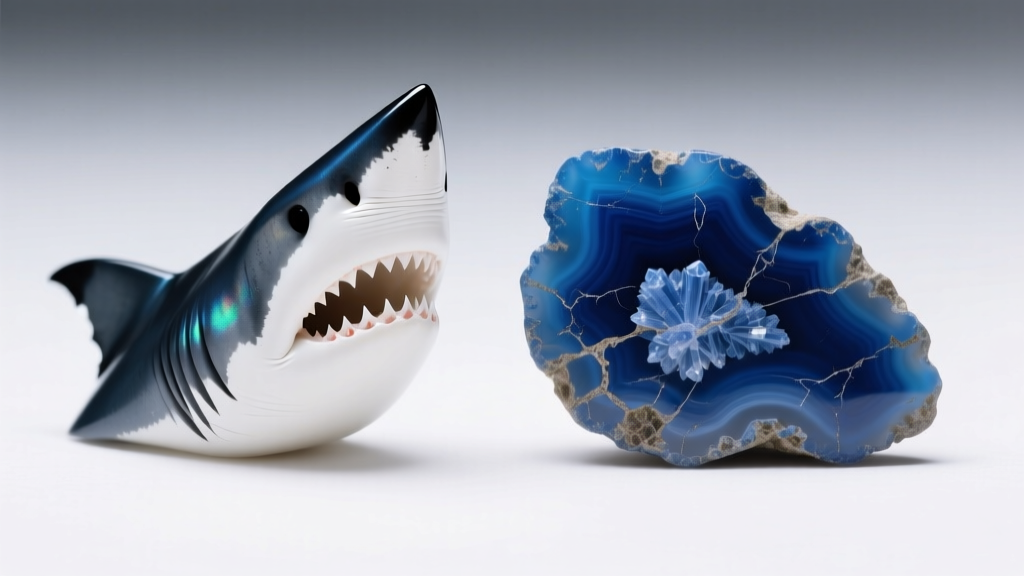
Fossilized teeth are millions of years old, having undergone a geological process called permineralization. According to the Florida Museum of Natural History, the original calcium phosphate of the tooth is slowly replaced by minerals like silica, quartz, or agate from the surrounding sediment. Agatized shark teeth, particularly those recovered from Florida's Peace River Formation, are highly sought after. The mineral replacement results in spectacular colors—deep blues, rich browns, and translucent reds—that cannot be replicated in modern teeth. Because these specimens are finite and require extensive lapidary work to polish without destroying the delicate serrations, they sit at the absolute top of the pricing hierarchy.
Pricing Tiers: What Should You Actually Pay?
When evaluating an authentic shark tooth necklace, use this pricing matrix to determine if a seller's asking price aligns with current market realities. Prices below assume a bare tooth or a tooth with a basic sterling silver bail, excluding heavy precious metal chain upgrades.
| Species / Type | Origin | Average Price Range | Key Value Drivers |
|---|---|---|---|
| Bull / Lemon Shark | Modern | $15 – $45 | Size (over 1 inch), lack of chips on serrations. |
| Shortfin Mako | Modern | $40 – $120 | Enamel translucency, perfect symmetry, root integrity. |
| Megalodon (Commercial) | Fossil (Morocco/USA) | $60 – $250 | Size (2-4 inches), color uniformity, polished root. |
| Agatized Mako / Meg | Fossil (Florida Peace River) | $250 – $1,500+ | Gem-grade agate translucency, rare blue/red hues, museum-quality preservation. |
Spotting the Fakes: Resin, Bone, and Glass
The proliferation of cheap overseas manufacturing has flooded the market with synthetic shark teeth. Budget brands often use polyurethane resin, carved animal bone, or molded glass. Here is how to perform a rigorous value assessment and spot the failure modes of counterfeit pieces:
- The Bourrelet (Enamel Transition Line): On a real shark tooth, there is a distinct, often jagged or curved boundary where the glossy enamel crown meets the matte, porous root (the bourrelet). Resin molds frequently blur this line or render it as a perfectly straight, unnatural seam.
- Enamel Striations: Under a 10x jeweler's loupe, authentic modern enamel reveals microscopic vertical striations and a glassy luster. Molded resin appears perfectly smooth or features microscopic 'orange peel' texturing from the silicone mold.
- The Mohs Hardness Test: Fossilized agatized teeth are composed of quartz (Mohs hardness 7), meaning they will easily scratch standard glass (Mohs 5.5). Carved bone (Mohs 5) and resin (Mohs 2-3) will not. Never use a hot needle test on a valuable fossil; while it will melt resin, thermal shock can cause micro-fractures in brittle, ancient enamel.
- Weight and Temperature: Real teeth and fossils have a high thermal mass. When pressed against the skin or lips, they feel distinctly cold and heavy. Resin fakes feel room-temperature and unnaturally light.
Hardware and Cord: Where Budget Brands Cut Corners
An authentic tooth can be entirely devalued by substandard jewelry findings. When assessing the budget versus value of a necklace, the hardware is just as critical as the pendant itself.
Bails, Caps, and Wire Wrapping
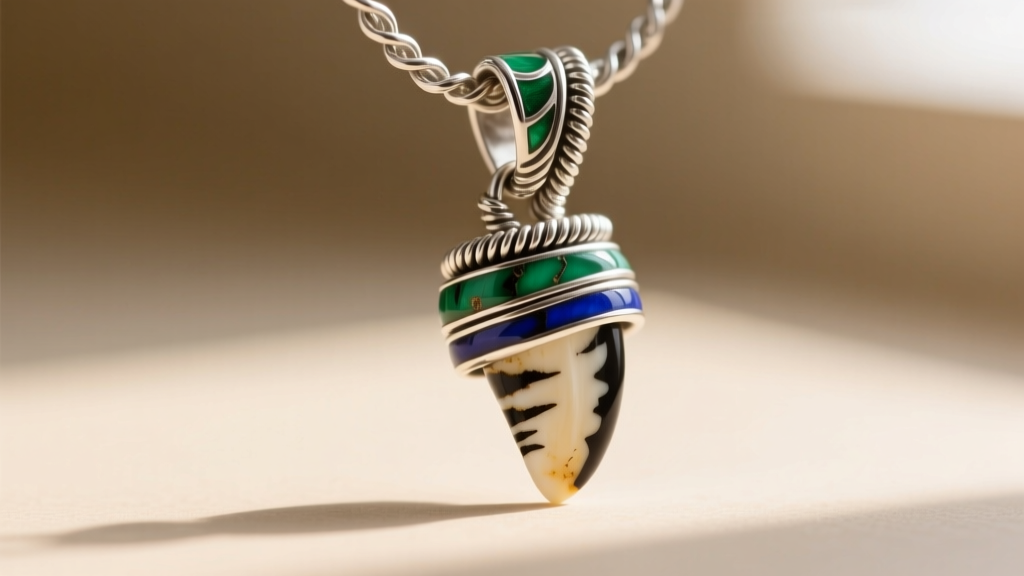
Cheap necklaces often utilize zinc alloy or brass caps plated with a microscopic layer of silver or gold. These base metals react with the slightly acidic pH of human sweat, leading to rapid oxidation, green skin discoloration, and eventual structural failure. A high-value authentic shark tooth necklace will feature findings made of solid .925 sterling silver, 14k gold-filled brass, or titanium. Furthermore, drilling a hole through the fragile root of a fossilized tooth to accommodate a cheap jump ring introduces severe structural weakness. Premium jewelers avoid drilling altogether, opting instead for custom 20-gauge or 22-gauge dead-soft sterling silver wire wrapping that secures the tooth without compromising its structural integrity.
Cordage Materials
The cord is the literal lifeline of your pendant. Mass-produced necklaces frequently use cheap nylon cords that degrade under UV exposure and snap without warning. For heavy fossilized Megalodon teeth—which can weigh over 50 grams—a braided leather cord or a heavy-duty waxed cotton macramé cord (minimum 2mm thickness) is mandatory to prevent catastrophic loss.
Ethical Sourcing and CITES Regulations
Value is not solely monetary; it is also ethical and legal. The Convention on International Trade in Endangered Species (CITES) strictly regulates the trade of specific shark species. The Great White Shark (Carcharodon carcharias) is listed on CITES Appendix II, meaning the international commercial trade of modern Great White teeth is heavily restricted and requires specialized export permits. If you encounter a 'modern Great White' tooth necklace sold cheaply online without documentation, it is either a fake, illegally poached, or misidentified. Ethical buyers should demand certificates of authenticity and proof of legal sourcing, particularly for modern specimens, ensuring their purchase does not contribute to the depletion of vulnerable marine apex predators.
Final Verdict: Maximizing Your Investment
Evaluating an authentic shark tooth necklace requires a synthesis of gemological scrutiny, material science, and ethical awareness. By prioritizing agatized fossils or ethically sourced modern teeth, verifying the enamel transition lines, and insisting on .925 sterling silver wire-wrapped bails, you can confidently navigate the market. True value in this niche is found not in the lowest price point, but in the geological rarity, lapidary craftsmanship, and structural longevity of the piece you choose to wear.


