Black Panther Necklace Care, Cleaning & Maintenance Guide
Preserve your black panther necklace with expert cleaning tips. Learn how to maintain enamel, vermeil, and onyx details without causing damage.

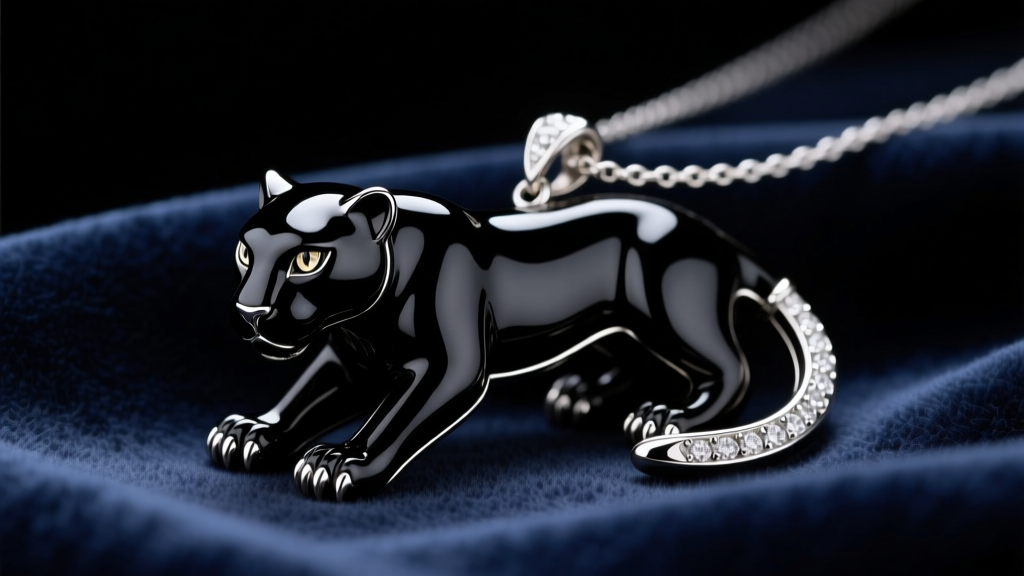
A black panther necklace is more than just a piece of jewelry; it is a bold statement of power, elegance, and cultural resonance. Whether you own a high-end Art Deco panther motif crafted in gold and onyx, or a meticulously detailed Wakandan-inspired pendant featuring tribal patterns and vibranium aesthetics, these pieces require specialized maintenance. The mixed media often used in these designs—combining precious metals, delicate enamels, and dark gemstones—creates unique vulnerabilities. As we move through 2026, the market has seen a surge in premium pop-culture and artisanal panther pieces utilizing advanced nano-ceramic coatings and intricate cold enamel work, making proper care more critical than ever.
In this comprehensive guide, we will break down the exact material anatomy of your black panther necklace, the chemistry behind its degradation, and the precise, step-by-step protocols required to clean and store it without causing irreversible damage.
Understanding Your Black Panther Necklace Materials
To properly care for your jewelry, you must first identify its material composition. A typical black panther pendant relies on a combination of the following elements:
- Sterling Silver (925): Often used as the base metal for the pendant and chain. It provides durability but is highly prone to sulfur-induced tarnish.
- Gold Vermeil: According to the Federal Trade Commission (FTC) Jewelry Guides, true vermeil requires a sterling silver base plated with at least 2.5 microns of gold. Many mass-market replicas use "flash plating" (under 0.5 microns), which drastically alters how you must polish the piece.
- Cold Enamel (Epoxy Resin): Frequently used to create the glossy black or purple accents of a panther's fur or Wakandan suit details. Unlike vitreous (fired glass) enamel, cold enamel is essentially a hardened plastic resin that is highly sensitive to heat and solvents.
- Onyx and Black Cubic Zirconia (CZ): Used for the eyes or geometric inlays. These are often secured with jewelry-grade epoxy rather than traditional prong settings.
The Chemistry of Tarnish and Enamel Degradation
The most common failure mode for silver-based black panther necklaces is the formation of silver sulfide. When sterling silver reacts with hydrogen sulfide in the air, or with sulfur compounds found in human sweat, perfume, and lotions, it creates a dark, dull layer of tarnish. While some collectors appreciate a light patina on Art Deco panther pieces to highlight the engraved fur textures, heavy tarnish obscures the design and can eventually pit the metal.
Simultaneously, the cold enamel accents face a different threat. UV exposure and prolonged contact with cosmetic chemicals (like alcohol-based perfumes or aerosol hairsprays) cause the epoxy resin to undergo photo-oxidation. This results in clouding, yellowing, or micro-cracking. Once the enamel delaminates from the metal base, moisture seeps underneath, accelerating the tarnishing process in hidden crevices.
Expert Warning: Never use an ultrasonic cleaner on a mixed-media panther pendant. Ultrasonic machines operate at frequencies between 20-40 kHz, creating microscopic vacuum bubbles that implode against the jewelry surface (cavitation). While excellent for solid diamond and platinum, this violent process will instantly shatter the epoxy adhesive securing onyx inlays and cause micro-fractures in cold enamel.
Step-by-Step Wet Cleaning Protocol
For routine maintenance and deep cleaning, follow this precise wet-cleaning protocol recommended by the Gemological Institute of America (GIA) for delicate, multi-material jewelry.
1. Prepare a pH-Neutral Bath
Fill a small glass bowl with lukewarm distilled water. Tap water contains chlorine and fluoride, which can react with silver and leave mineral deposits on onyx stones. Add three drops of a pH-neutral, phosphate-free dish soap (such as original Dawn). Avoid any soaps containing moisturizers or citrus extracts, as the oils leave a film and the acids can degrade vermeil.
2. The Soak and Agitation
Submerge the necklace for exactly 3 to 5 minutes. Do not exceed this time, as prolonged water exposure can weaken the epoxy bonds holding the gemstone inlays. Gently agitate the water with your fingers to dislodge surface sebum and dust.
3. Targeted Crevice Cleaning
Use a brand-new, ultra-soft baby toothbrush or a specialized jewelry detailing brush with tapered bristles. Gently sweep the bristles along the panther's engraved fur lines and around the gemstone bezels. Apply zero downward pressure; let the bristles do the work. Never use a hard-bristled brush, as it will scratch the gold vermeil and leave permanent micro-abrasions on the onyx.
4. Rinsing and Drying
Rinse the necklace under a gentle stream of distilled water. Immediately pat it dry with a lint-free microfiber cloth. To ensure no moisture remains trapped in the chain links or pendant bail, use a hairdryer on the cool, lowest air setting from a distance of 12 inches for 30 seconds.
Material-Specific Maintenance Matrix
Different components of your black panther necklace require distinct approaches to polishing and maintenance. Refer to the table below to avoid catastrophic damage to delicate finishes.
| Material Component | Primary Vulnerability | Approved Cleaning Agent | Polishing Method |
|---|---|---|---|
| Sterling Silver Base | Silver sulfide tarnish | Mild soap & distilled water | Untreated silver polishing cloth |
| Gold Vermeil Plating | Friction wear & chemical stripping | Mild soap & distilled water | Microfiber cloth only (no rouge) |
| Cold Enamel Accents | Solvent clouding & heat melting | Damp microfiber cloth | None required; avoid friction |
| Onyx / Black CZ | Epoxy degradation & surface scratching | Isopropyl alcohol (spot clean only) | Jeweler's optical lens cloth |
Proper Storage and Environmental Controls
How you store your black panther necklace when it is not being worn is just as important as how you clean it. Improper storage leads to tangled chains, scratched enamel, and accelerated tarnishing.
The Anti-Tarnish Environment
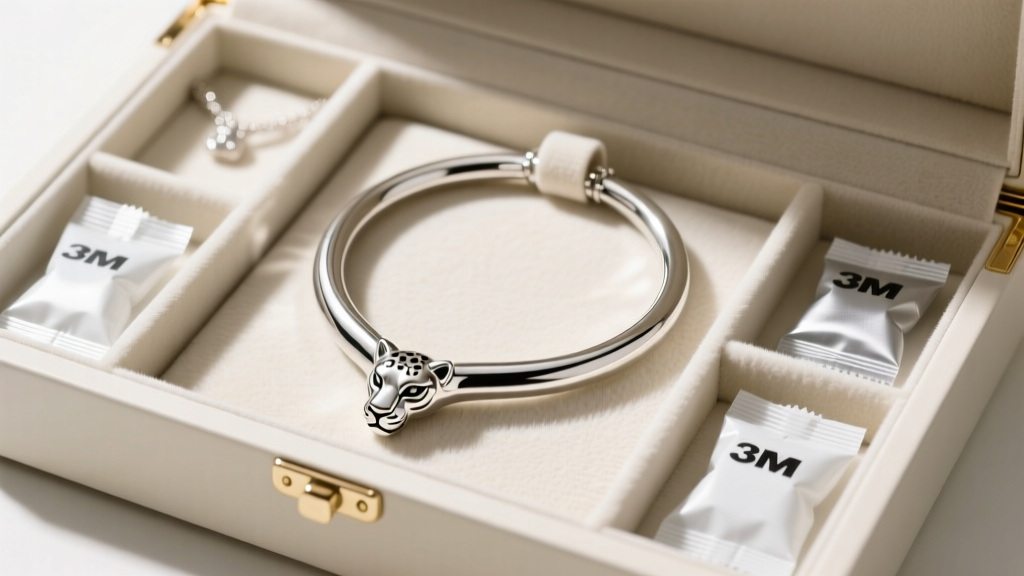
Sterling silver requires a low-humidity, sulfur-free environment. Store your necklace in an airtight polyethylene ziplock bag. Inside the bag, include a piece of 3M anti-tarnish paper and a small silica gel desiccant packet to control ambient moisture. Never store your jewelry in a bathroom, where fluctuating temperatures and high humidity from showers will rapidly accelerate oxidation.
Physical Protection
Panther pendants often feature protruding elements like ears, tails, or geometric Wakandan spikes. If tossed into a communal jewelry box, these protrusions will scratch softer gold vermeil surfaces or chip against other gemstones. Always store the necklace flat, fully clasped to prevent chain knotting, and separated from other pieces. For high-value artisanal pieces, invest in a hard-shell travel case with individual velvet-lined compartments.
Daily Wear Rules to Maximize Longevity
To minimize the need for deep cleaning, adopt the "Last On, First Off" rule. Your black panther necklace should be the very last item you put on after applying makeup, perfume, hairspray, and lotions. Conversely, it must be the first item you remove when returning home, before washing your face or applying nighttime skincare routines containing active acids (like salicylic or glycolic acid), which will aggressively strip gold vermeil.
When to Seek Professional Restoration
Despite meticulous care, wear and tear is inevitable. You should seek the services of a professional bench jeweler if you notice the following:
- Vermeil Depletion: If the gold plating on the high-friction areas (like the bail or the back of the pendant) has worn through to the silver base, a jeweler can re-plate the piece. Ensure they apply a minimum of 2.5 microns of hard gold to meet FTC vermeil standards.
- Enamel Chipping: If a piece of the black enamel breaks off, do not attempt to glue it back with household superglue, which contains cyanoacrylate that will fog the surrounding finish. A specialist can carefully remove the damaged resin and re-pour a color-matched cold enamel.
- Stone Rattling: If you hear a faint clicking sound when moving the pendant, the epoxy securing the onyx or CZ inlay has failed. Stop wearing the necklace immediately to prevent stone loss and have the bezel tightened and re-sealed by a professional.
By understanding the specific material science behind your black panther necklace and adhering to these rigorous care protocols, you ensure that this powerful symbol remains as striking and flawless as the day you acquired it.


