Expert Guide: Grading Authentic Black Puka Shell Necklaces
Discover the technical differences between genuine and faux black puka shell necklaces, including grading, sourcing, and knotting techniques.

The Anatomy and Biology of Genuine Puka Shells
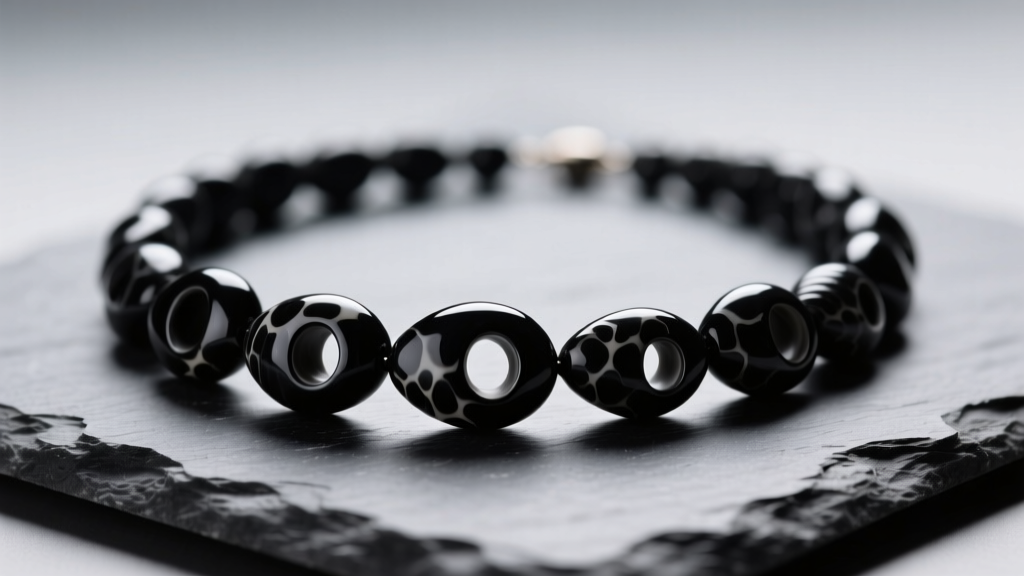
The term 'puka' translates to 'hole' in Hawaiian, referring to the naturally occurring aperture found in certain sea shells. However, the modern jewelry market's understanding of the black puka shell necklace is often clouded by mass-produced imitations. To truly evaluate these organic gems, one must understand their biological origin. Genuine pukas are derived primarily from the body whorls of cone snails (family Conidae), specifically species like Conus miliaris (the millet cone) and Conus sponsalis. According to marine biologists at the Smithsonian Ocean, these gastropods possess intricate, calcium carbonate-based shells that are highly prized for their durability and natural patterns.
Historically, indigenous Hawaiians collected shells that had been naturally tumbled by the ocean, where the apex of the shell broke off and the interior was worn smooth, creating a natural 'puka'. Today, because naturally tumbled shells are exceedingly rare and fragile, 99% of commercial puka shell necklaces are crafted from cross-sections of the shell's body whorl. Artisans cut the shell into discs and manually drill the center hole. This distinction is critical for gemologists and collectors: a perfectly uniform, machine-drilled hole with sharp interior edges indicates a modern, manufactured puka, whereas a naturally tumbled puka will feature an asymmetrical, smoothly worn aperture with a concave, sloping interior.
Natural vs. Dyed: The Color Authenticity Test
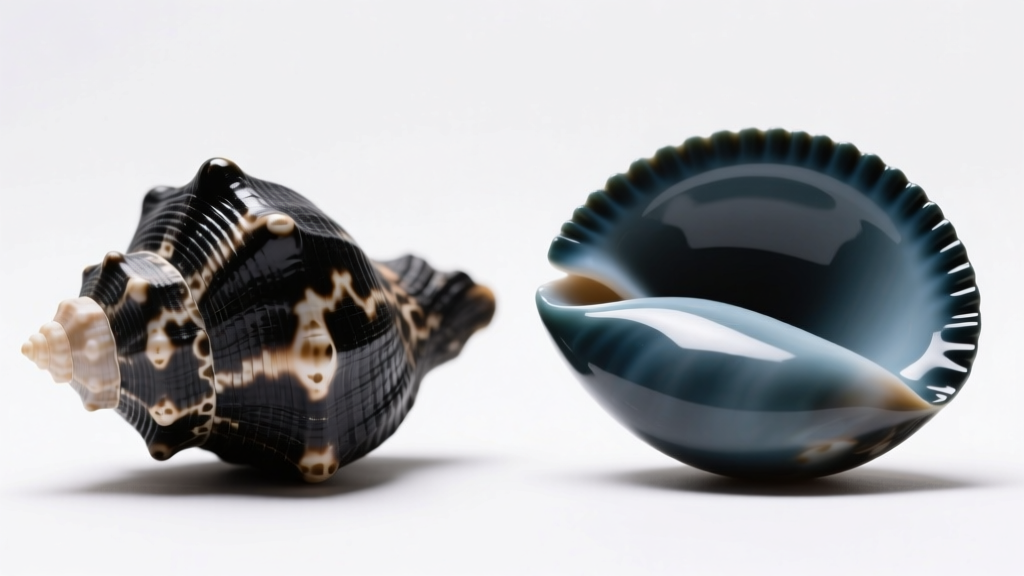
The most significant technical challenge in sourcing a black puka shell necklace is color authenticity. Naturally occurring black or deep charcoal cone shells are incredibly rare. The vast majority of black pukas on the market are actually white, grey, or light brown shells that have undergone chemical dyeing processes. While dyeing is an accepted practice in the jewelry trade, it must be disclosed, and the quality of the dye job drastically affects the necklace's longevity and value.
Identifying Aniline and Heat-Treated Dyes
Lower-tier manufacturers use cheap aniline dyes that pool in the micro-fissures of the calcium carbonate structure. You can identify poorly dyed shells using the acetone test: rub a cotton swab soaked in 100% pure acetone along the inner rim of the drilled hole. If the swab picks up black pigment, the shell has been surface-dyed and will likely bleed onto your skin or clothing when exposed to sweat or humidity. Premium black pukas are treated using proprietary vacuum-pressure dyeing or controlled heat-treatment, which forces the pigment deep into the aragonite crystal lattice. Furthermore, under a 365nm UV flashlight, heavily dyed organic shells will often exhibit a dull, chalky fluorescence, whereas resin or plastic fakes will glow brightly with optical brighteners.
Technical Grading Chart: Puka Shell Quality Tiers
When procuring black puka shell necklaces for high-end retail or personal collections, buyers must evaluate the stock based on strict gemological and structural criteria. The following grading framework is used by master stringers and organic jewelry appraisers to classify puka quality.
| Grade | Origin & Cut | Color Treatment | Structural Integrity | Market Application |
|---|---|---|---|---|
| Grade A (Heirloom) | Naturally tumbled, asymmetrical holes, varying thickness. | Undyed, natural dark pigmentation (extremely rare). | High; smooth edges, dense aragonite structure. | Collector pieces, bespoke high jewelry. |
| Grade B (Premium) | Cross-section cut, precision drilled (1.2mm - 1.5mm). | Vacuum-pressure dyed or ethically heat-treated. | Excellent; matched sizing (6-8mm), no micro-fractures. | Fine jewelry retail, luxury surf brands. |
| Grade C (Commercial) | Machine-stamped, inconsistent thickness, sharp drill marks. | Surface-dipped aniline dye, prone to bleeding. | Fair; visible chipping, porous edges, fragile. | Mass-market fashion, tourist souvenirs. |
| Grade D (Faux) | Molded resin, plastic, or carved from non-Conus shells. | Molded-in color or painted; lacks organic mottling. | Variable; lacks the specific gravity of calcium carbonate. | Fast fashion, low-end costume jewelry. |
Drilling, Stringing, and Hardware Specifications
The longevity of a black puka shell necklace relies entirely on the stringing materials and hardware used. Calcium carbonate has a Mohs hardness of just 3.0 to 4.0, making it highly susceptible to abrasion. If shells are strung tightly without knotting, they will grind against each other, eventually enlarging the drill holes and causing the necklace to snap.
Cord Selection and Knotting Protocols
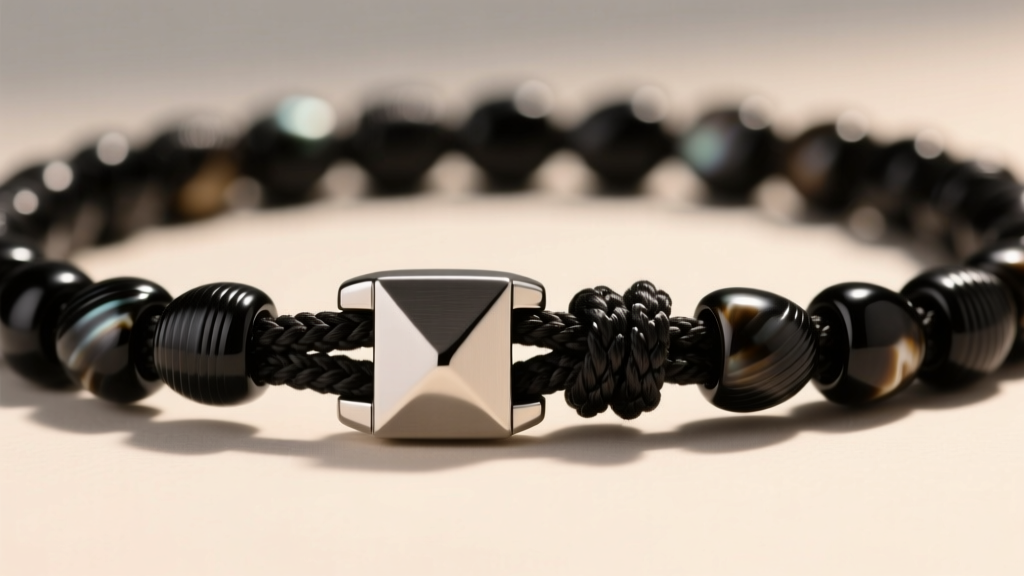
Master stringers avoid standard nylon fishing lines, which can act like a saw against the soft shell interior. Instead, the industry standard is a multi-strand waxed linen or a high-tenacity C-Lon nylon cord (typically 0.8mm to 1.0mm in diameter). According to technical guides from Fire Mountain Gems, knotting between each shell is mandatory for premium pieces. The French knotting technique, utilizing a 0.8mm beading needle and a specialized awl, ensures that each shell is separated by a microscopic buffer of waxed cord, preventing calcium-on-calcium friction. For a standard 18-inch choker length using 8mm shells, this requires tying approximately 55 individual overhand knots, a process that adds significant labor cost but guarantees structural integrity.
Hardware and Clasp Metallurgy
Puka shells are often worn in high-sweat environments (beaches, festivals, summer heat). Therefore, base metal clasps (like brass or zinc alloy) are unacceptable, as they will oxidize, turning the adjacent shells green and degrading the cord. Expert jewelers mandate the use of 316L surgical stainless steel, solid titanium, or minimum 14k gold for clasps and jump rings. A brushed 316L bayonet clasp or a magnetic neodymium clasp encased in marine-grade steel is preferred, as they eliminate the need for fiddly lobster clasps and reduce mechanical stress on the end knots.
Sourcing, Ethics, and the 2026 Market Landscape
The ethical harvesting of cone shells has become a focal point for marine conservationists. While Conus miliaris is abundant and not currently listed under CITES (Convention on International Trade in Endangered Species), the broader shell trade has faced scrutiny for destructive dredging practices. In 2026, top-tier jewelry brands are shifting toward verifiable supply chains, sourcing exclusively from artisanal, hand-gathered shell collectors in the Indo-Pacific region who harvest empty shells from the intertidal zone rather than dredging live specimens.
'True luxury in organic jewelry is no longer just about aesthetics; it is about the traceability of the harvest. A premium black puka necklace should come with a chain of custody that respects both the marine ecosystem and the indigenous artisans who process the shells.' — Journal of Sustainable Gemology
When purchasing, buyers should look for suppliers who provide documentation of sustainable harvesting and fair-trade labor practices, particularly regarding the dust-producing cutting and drilling phases, which require strict respiratory protection for artisans.
Care and Maintenance Protocols
Proper maintenance of a dyed black puka shell necklace requires an understanding of its chemical vulnerabilities. Because the shells are porous and composed of calcium carbonate, they are highly reactive to acids. Exposure to citrus juices, vinegar, or even the natural lactic acid in heavy sweat can slowly etch the surface, leaving dull, whitish patches that cannot be polished out.
- Cleaning: Never use ultrasonic cleaners or commercial jewelry dips. Wipe the shells gently with a damp, lint-free microfiber cloth and mild, pH-neutral soap.
- Storage: Store the necklace flat in a breathable cotton pouch. Hanging the necklace for long periods can stretch the waxed cord, leading to permanent deformation and weakened knot tension.
- Re-stringing: Even with premium C-Lon cord, the wax coating degrades over time. Professional re-stringing and re-knotting is recommended every 24 to 36 months if the necklace is worn daily.
By understanding the biological origins, chemical treatments, and structural requirements of the black puka shell necklace, collectors and enthusiasts can confidently navigate the market, separating genuine, heirloom-quality organic gems from mass-produced imitations.


