The Ultimate Bloom Necklace Buying Guide & Style Tips (2026)
Discover how to choose the perfect bloom necklace in 2026. Expert tips on floral pendant materials, gemstone cuts, chain pairings, and pricing tiers.

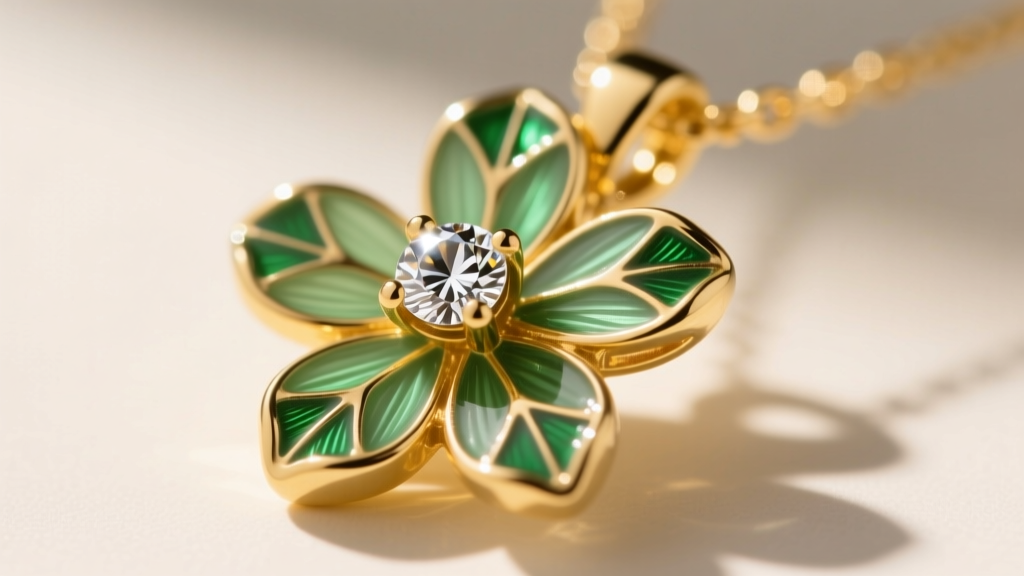
The Anatomy of a Botanical Masterpiece
When investing in a bloom necklace, you are looking at much more than a simple floral charm. A true bloom pendant is a structured, often multi-dimensional piece of jewelry that mimics the organic architecture of a flower in full blossom. Whether you are eyeing a static botanical casting or a complex mechanical piece that physically opens and closes, understanding the anatomy of the pendant is your first step toward a smart purchase.
A high-quality bloom necklace consists of four primary components: the bail (which should be integrated or reinforced to handle 3D weight), the calyx (the base that cups and supports the petals), the petals (arranged in single or staggered double layers), and the pistil center (often highlighted with a contrasting gemstone). In 2026, the market has shifted heavily toward staggered, asymmetrical petal layouts that mimic natural botanical growth rather than rigid, cookie-cutter symmetry.
Enamel & Gemstones: Evaluating the Petals
The visual impact of a bloom necklace relies entirely on how the petals catch and manipulate light. Jewelers primarily use two methods to achieve this: advanced enamel work or precision-cut gemstones.
The Enamel Hierarchy
If you prefer a vintage or art-nouveau aesthetic, enamel is the superior choice. However, not all enamel is created equal. Look for Guilloché enamel, where the metal base is engine-turned with intricate geometric patterns before being coated in translucent enamel. This creates a mesmerizing, rippling depth that flat enamel lacks. For the ultimate collector's piece, seek out Plique-à-jour. This technique uses no metal backing, creating a stained-glass effect where light passes directly through the translucent enamel petals. According to the GIA Gem Encyclopedia, plique-à-jour requires immense technical skill and is highly prized in high-jewelry botanical motifs.
Gemstone Cuts for Botanical Accuracy
For gemstone-heavy bloom necklaces, the cut of the stones dictates the realism of the flower. The marquise and pear cuts are the industry standards for petals due to their natural teardrop geometry. When evaluating a gemstone bloom pendant, check the symmetry grade of the stones. If the marquise stones have uneven shoulders or off-center points, the flower will look warped. Always demand 'Very Good' (VG) or 'Excellent' (EX) symmetry grades for the petal stones to ensure a harmonious, natural bloom.
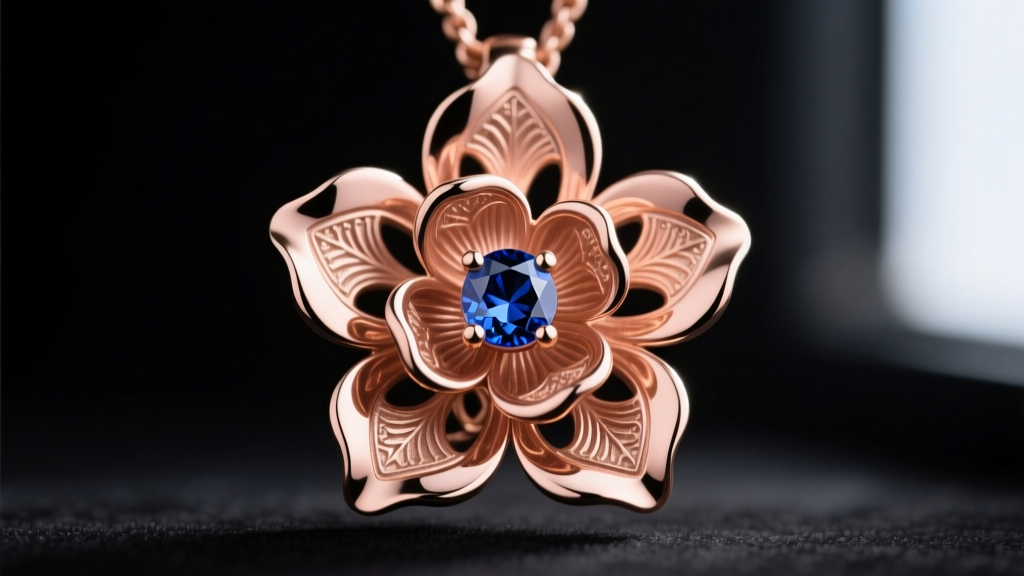
Mechanical vs. Static Blooms: The Hinge Factor
One of the most exciting innovations in the 2026 jewelry market is the resurgence of the mechanical bloom necklace—pendants that feature micro-hinges allowing the wearer to physically open and close the flower. While visually stunning, mechanical blooms introduce structural vulnerabilities that buyers must scrutinize.
- Spring Mechanisms: Gold and silver are too soft for internal springs and will suffer from metal fatigue after 50 to 100 articulations. High-end mechanical blooms use hidden beryllium copper or PVD-coated titanium internal springs to ensure longevity.
- Hinge Tolerance: Inspect the micro-hinges under a jeweler's loupe. There should be zero lateral wobble in the petals when fully extended. Any side-to-side play indicates poor machining and will lead to hinge failure.
- Friction Locks: The best mechanical blooms feature a subtle friction-lock at the base of the bail that holds the petals securely in the 'closed' position without requiring a mechanical latch that can snag on clothing.
Chain Pairing: Supporting the Floral Centerpiece
A common and costly mistake buyers make is pairing a heavy, 3D bloom pendant with an inadequate chain. A standard 14k gold 3D lotus or rose bloom pendant typically weighs between 8 and 16 grams. A delicate 0.9mm cable chain will inevitably stretch, kink, or snap under this dynamic load. You must match the chain's tensile strength to the pendant's weight and profile.
| Chain Type | Recommended Thickness | Best For | Durability Rating |
|---|---|---|---|
| Wheat (Spiga) | 1.2mm - 1.5mm | Heavy 3D blooms (12g+) | Excellent |
| Box Chain | 1.1mm - 1.4mm | Medium static blooms (6-11g) | Very Good |
| Rope Chain | 1.5mm - 2.0mm | Vintage/Enamel blooms | Good (Prone to snagging) |
| Cable Chain | 1.0mm max | Lightweight flat charms only | Poor for 3D pendants |
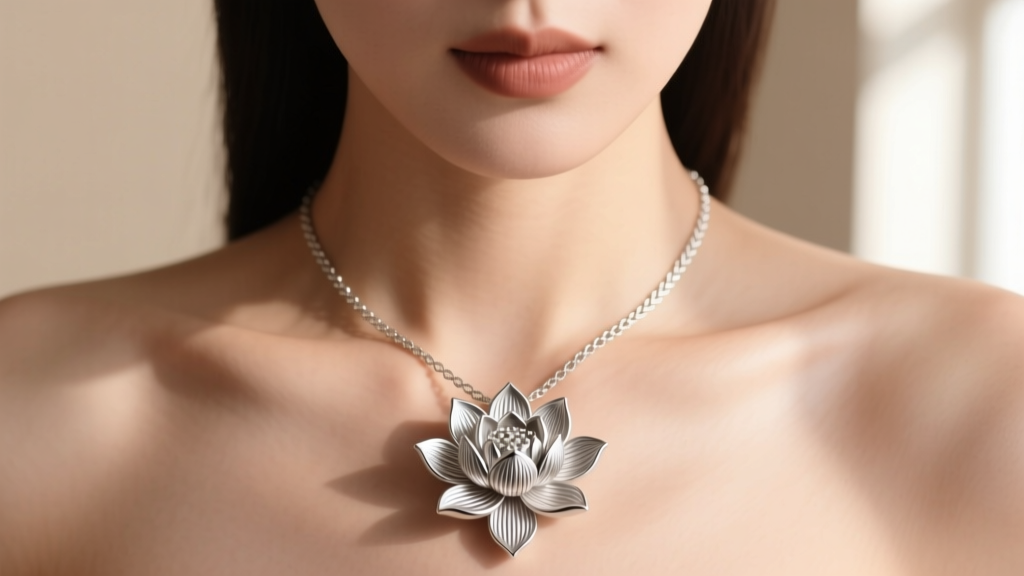
2026 Pricing Tiers & Market Value
Understanding the pricing landscape prevents overpaying for mass-produced castings disguised as artisanal work. Here is what you should expect to pay in the current market:
- Entry-Level ($150 - $400): Sterling silver or heavy gold vermeil. These are static, cast-in-one-piece blooms. Enamel is usually opaque and painted rather than fired. Excellent for everyday wear, but lack heirloom value.
- Mid-Tier Artisan ($800 - $2,500): Solid 14k or 18k gold featuring guilloché enamel or calibrated marquise gemstone petals (typically lab-grown diamonds or sapphires in this bracket). Expect hand-polished calyxes and integrated, reinforced bails.
- High Jewelry & Mechanical ($4,500 - $15,000+): Features complex mechanical opening mechanisms, plique-à-jour enamel, and natural, high-clarity center gemstones. These pieces are often numbered limited editions from specialized botanical jewelers.
Expert Care & Maintenance
Botanical jewelry requires specialized care due to its intricate crevices and delicate materials. Never place an enameled or mechanical bloom necklace in an ultrasonic cleaner. The high-frequency vibrations will shatter plique-à-jour enamel and loosen the microscopic tension pins in mechanical hinges.
Pro-Tip: To clean the crevices between the petals of a static gold bloom necklace, use a soft-bristled baby toothbrush dipped in a solution of warm water and a single drop of mild, phosphate-free dish soap. Rinse with distilled water to prevent hard water spots from dulling the metal's luster, and dry immediately with a microfiber cloth.
By prioritizing structural integrity, premium enamel techniques, and appropriate chain pairings, your bloom necklace will remain a captivating, wearable garden for decades to come. For more insights on botanical jewelry trends and market shifts, industry publications like JCK Online offer excellent ongoing coverage of artisanal jewelry movements.


