The Ultimate Blue Diamond Tennis Necklace Buying Guide 2026
Discover how to buy a blue diamond tennis necklace in 2026. Learn about natural vs. treated stones, color grades, settings, and pricing frameworks.

The Allure of the Blue Diamond Tennis Necklace
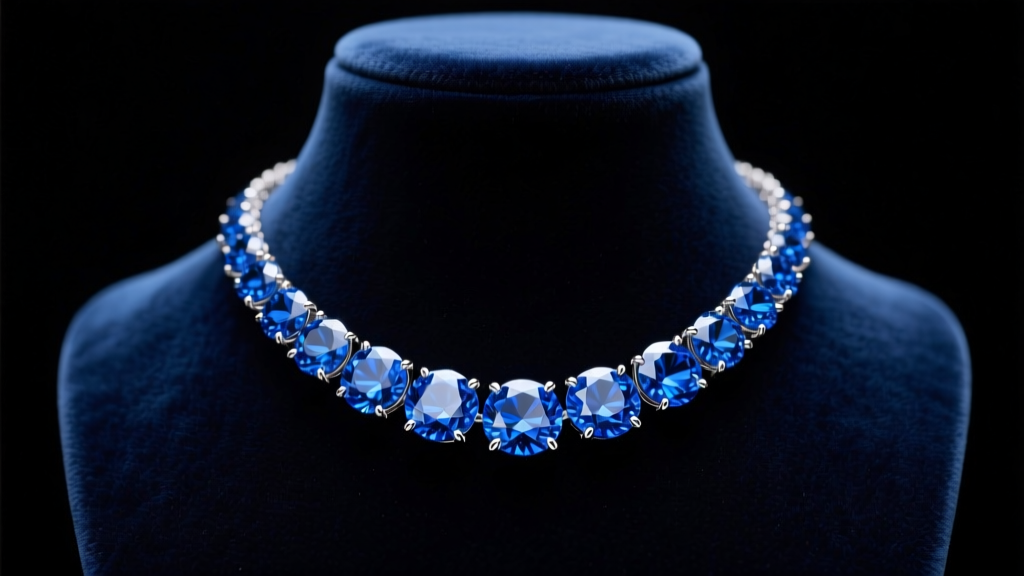
The blue diamond tennis necklace represents the pinnacle of colored gemstone jewelry. Combining the continuous, elegant drape of a classic tennis necklace with the extreme rarity of blue diamonds, this piece is a definitive statement of luxury. However, navigating the market in 2026 requires a sophisticated understanding of gemology. Unlike standard white diamond tennis necklaces, where the 4Cs are relatively straightforward, blue diamonds introduce complex variables regarding origin, treatment, and color modifiers. Whether you are allocating a budget of $15,000 or $500,000, understanding the genesis of the blue hue is the most critical step in your purchasing journey.
The Core Dilemma: Natural, Treated, or Lab-Grown?
Before evaluating cut or clarity, you must determine the origin of the blue color. The price discrepancy between natural, treated, and lab-grown blue diamonds is astronomical, and unscrupulous sellers often obscure these origins. According to the Gemological Institute of America (GIA), natural blue diamonds owe their color to trace amounts of boron within the carbon crystal lattice, classifying them as rare Type IIb diamonds.
| Origin Type | Cause of Color | Price per Carat (Approx.) | Resale Value Retention |
|---|---|---|---|
| Natural (Type IIb) | Boron impurities | $50,000 - $250,000+ | Excellent (Investment grade) |
| Irradiated (Treated) | Neutron/Electron bombardment | $800 - $2,500 | Poor (Fashion jewelry) |
| Lab-Grown (CVD/HPHT) | Controlled boron doping | $1,500 - $4,000 | Low (Depreciates rapidly) |
For buyers seeking the prestige of a true collector's item, natural is the only path. However, for those desiring the aesthetic of a vivid blue diamond tennis necklace without the multi-million dollar price tag, high-quality irradiated or lab-grown alternatives offer exceptional visual appeal. Just ensure the treatment is fully disclosed and priced accordingly.
Decoding Color Grades and Hue Modifiers
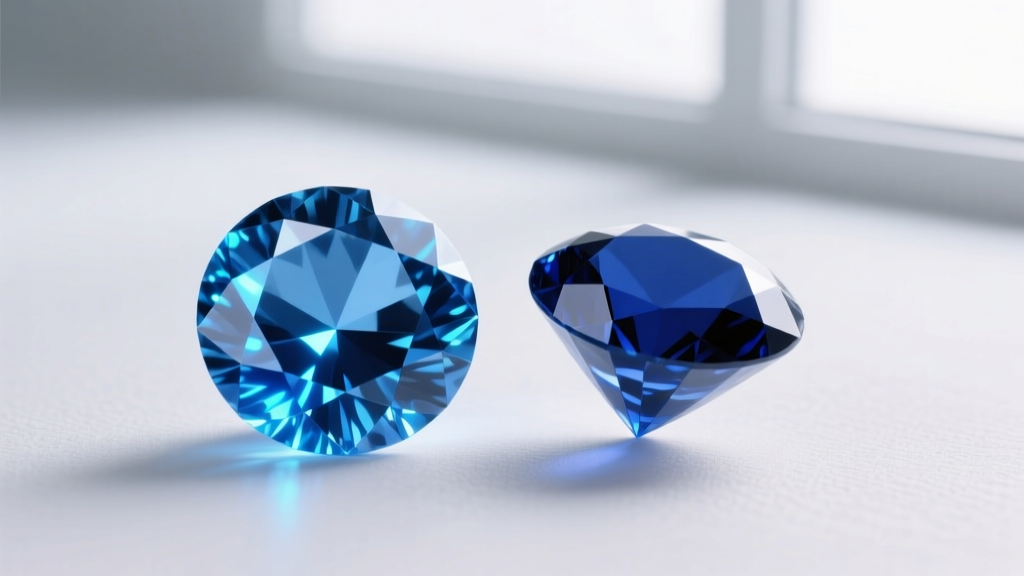
Color is the primary value driver for any fancy color diamond. The GIA color grading scale for blue diamonds evaluates hue, tone, and saturation. When shopping for a tennis necklace, consistency across 40 to 60 individual stones is paramount. A necklace featuring mismatched color saturations will look disjointed and significantly cheaper.
The GIA Color Scale for Blue Diamonds
- Fancy Light Blue: A soft, icy blue. Often more affordable and highly brilliant due to lighter tone.
- Fancy Blue: The baseline for true color appreciation. Rich and distinct without being overly dark.
- Fancy Intense Blue: Highly saturated and vibrant. This is the sweet spot for luxury tennis necklaces.
- Fancy Vivid Blue: The rarest and most expensive. Deeply saturated, commanding premium auction prices.
- Fancy Deep / Dark Blue: Often too dark, which can mask the diamond's brilliance and make the stones look opaque.
Beware of secondary hue modifiers. A 'Greenish-Blue' diamond is relatively common and less expensive, often resulting from natural radiation exposure alongside boron. A 'Grayish-Blue' will appear muted and steely. For a classic, vibrant blue diamond tennis necklace, insist on stones with no secondary modifiers, or a very slight greenish tint if it enhances the neon-like saturation of the stones.
Clarity, Cut, and Carat Weight Considerations
In the realm of white diamonds, clarity is heavily scrutinized. In colored diamonds, color supersedes clarity. Because blue diamonds form under extreme and volatile geological conditions, finding a natural blue diamond with VVS (Very Very Slightly Included) clarity is nearly impossible. For a tennis necklace, where the stones are typically 3mm to 4mm (0.10ct to 0.25ct each) and viewed from a distance of a few feet, SI1 (Slightly Included) or even I1 (Included) clarities are perfectly acceptable, provided the inclusions do not compromise the structural integrity of the stone or severely block light return.
Regarding cut, the Round Brilliant remains the undisputed king of tennis necklaces. The 57-facet configuration maximizes light return, which is crucial because the dark tone of blue diamonds can easily absorb light, making them look lifeless if poorly cut. Avoid shallow cuts; a depth percentage between 59% and 62.5% is ideal to balance color retention with scintillation. When calculating Total Carat Weight (TCW), a standard 16-inch necklace featuring 3mm round stones will yield approximately 5.50 to 6.00 TCW. Always price the piece based on the per-carat cost of the specific color grade, multiplied by the TCW.
Metal Choices and Setting Mechanics
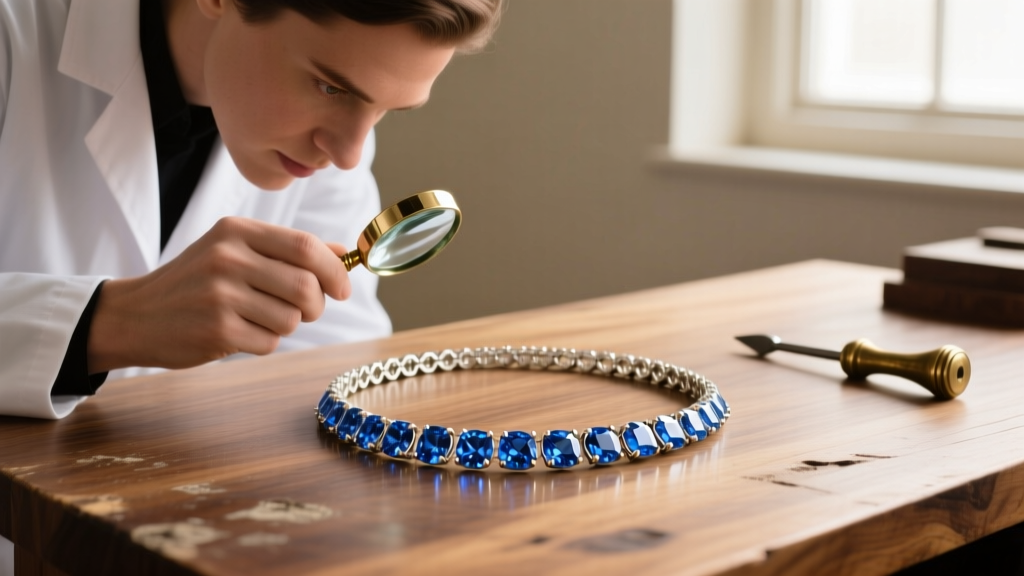
The metal and setting style you choose will drastically alter the visual impact of your blue diamond tennis necklace. The goal is to enhance the blue hue without introducing unwanted warm reflections.
Prong vs. Bezel Settings
Four-prong settings are the industry standard for tennis necklaces. They allow maximum light entry from the sides and crown, which is vital for maintaining the brilliance of blue stones. Bezel settings, while offering superior security, cover the girdle and restrict light, often making blue diamonds look muddy or black. If security is a concern, opt for a low-profile four-prong basket setting rather than a full bezel.
The Metal Matrix
Expert Insight: Always choose Platinum or 18k White Gold for blue diamonds. Yellow or Rose gold will reflect warm tones into the pavilion of the diamond, neutralizing the blue and creating a dull, grayish-green appearance.
Platinum is the superior choice for a high-ticket tennis necklace. It is naturally white, highly durable, and does not require rhodium plating. 18k White Gold is a viable alternative for treated or lab-grown necklaces, but be aware that the rhodium plating will wear off over time, requiring maintenance every few years to prevent the yellowish base metal from altering the perceived color of the diamonds.
Authentication and Certification Red Flags
Never purchase a natural blue diamond tennis necklace without independent, tier-one certification. The GIA and the Natural Color Diamond Association emphasize that spectroscopy testing is the only definitive way to separate natural boron-induced color from artificial irradiation. If a seller provides a certificate from a lesser-known lab that does not explicitly state 'Naturally Irradiated' or 'Untreated' in the comments section, walk away. Furthermore, for a matched tennis necklace, ask if the stones were color-matched by a master gemologist. Assembling a necklace from individually certified stones often results in slight color variations that the naked eye will catch once they are strung together.
Final Verdict: Allocating Your Budget
Buying a blue diamond tennis necklace is an exercise in compromise unless your budget is virtually unlimited. If you are working with a moderate budget ($10,000 - $30,000), prioritize high-quality lab-grown or expertly irradiated natural diamonds with excellent cut grades and a Platinum setting. This guarantees a stunning, vibrant piece that wears beautifully. If you are an investor or high-net-worth collector seeking natural Type IIb diamonds, allocate your budget toward 'Fancy Intense' stones with SI1 clarity, and insist on a custom-matched suite of stones verified by the GIA. By understanding the intricate science and market dynamics behind these rare gems, you can secure a masterpiece that will captivate for generations.


