The Ultimate Blue Sapphire Cross Necklace Material Guide
Compare Ceylon, Montana, and lab-grown sapphires for your blue sapphire cross necklace. Expert gemology, metal pairings, and pricing insights.

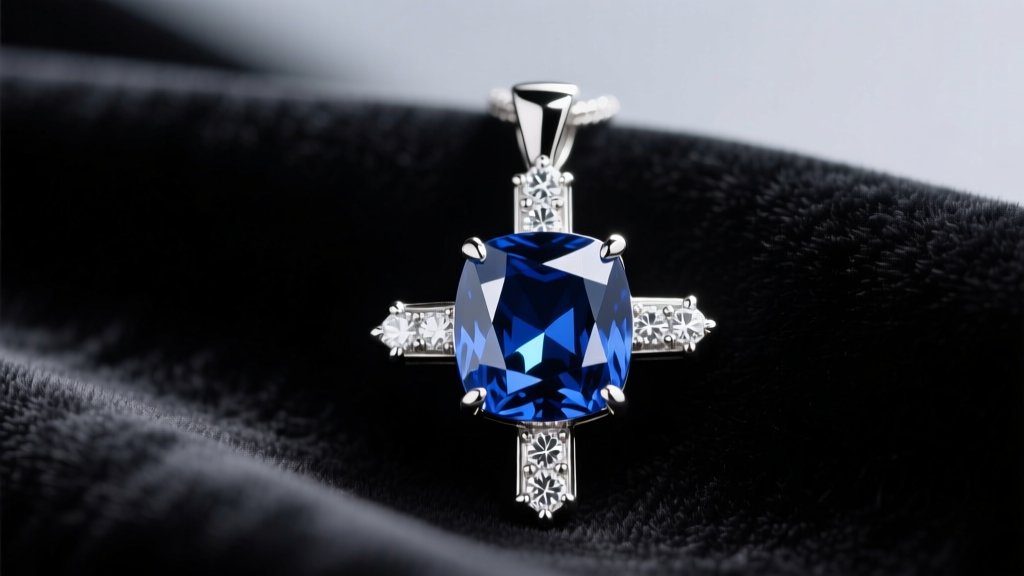
When selecting a blue sapphire cross necklace, the aesthetic appeal of the design is only half the equation. The true value, durability, and long-term wearability of the piece are dictated by its underlying materials. From the trace elements that give corundum its legendary blue hue to the specific alloy compositions of the precious metal settings, understanding these properties is essential for making an informed investment. This guide breaks down the gemological and metallurgical realities of sapphire cross pendants, providing actionable data for buyers and collectors.
Gemological Properties: Decoding the Corundum Spectrum
Blue sapphires belong to the corundum mineral family (aluminum oxide, Al₂O₃). In its pure state, corundum is colorless. The signature blue hue is caused by trace amounts of iron and titanium within the crystal lattice. On the Mohs scale of mineral hardness, sapphire ranks at a 9, making it exceptionally resistant to scratching—second only to diamond. This hardness is crucial for a cross pendant, as the protruding points of the cross shape are prone to impact against hard surfaces.
Origin and Color Zoning
Not all blue sapphires are created equal. The geographic origin heavily influences the stone's color saturation, clarity, and market value:
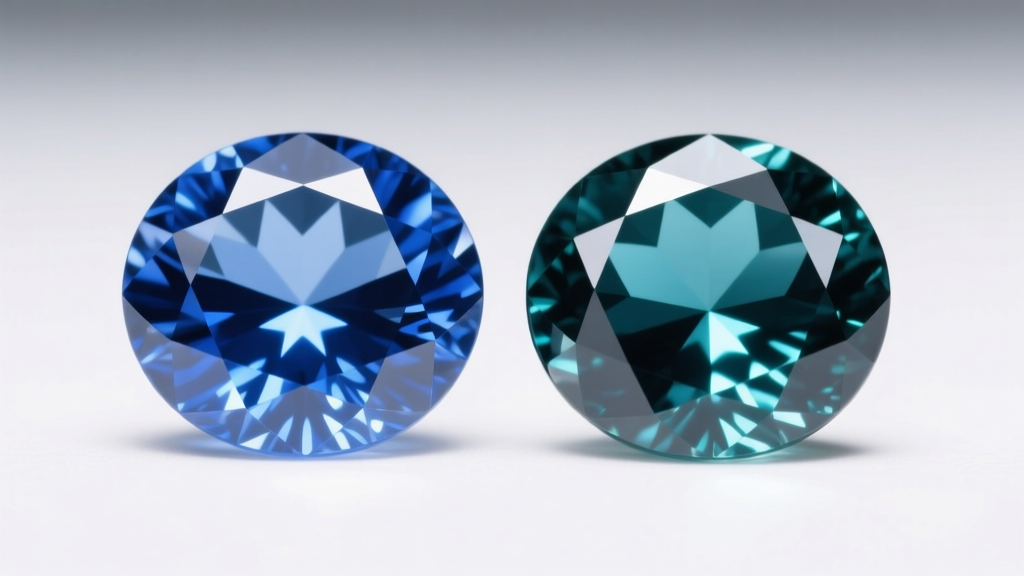
- Ceylon (Sri Lanka): Prized for their high clarity and vivid, medium-tone "cornflower" to "royal" blue colors. Ceylon stones often exhibit excellent brilliance due to lower iron content.
- Montana (USA): Typically found in the Yogo Gulch, these sapphires are renowned for their natural, unheated metallic blue to teal hues. They possess a distinct, moody depth that appeals to modern collectors.
- Kashmir: The historical benchmark for "cornflower blue" with a velvety texture caused by microscopic rutile silk inclusions. Genuine Kashmir sapphires are exceptionally rare and command auction-level premiums.
- Lab-Created: Grown via the Verneuil (flame fusion) or flux-melt methods. These possess the exact same chemical and optical properties as natural stones but lack natural inclusions, offering flawless clarity at a fraction of the cost.
Treatment Disclosures: What You Must Know
The GIA Sapphire Encyclopedia notes that the vast majority of natural sapphires on the market undergo some form of treatment to enhance color and clarity. When evaluating a blue sapphire cross necklace, always request a gemological laboratory report (from GIA, AGL, or SSEF) to verify the treatment status.
Expert Insight: While standard heat treatment is universally accepted and stable, lattice diffusion (using beryllium to alter color) and lead-glass filling drastically reduce a sapphire's value and structural integrity. Never purchase a glass-filled sapphire for a fine jewelry pendant, as the filler can melt or degrade during routine jewelry repairs or ultrasonic cleaning.
An unheated sapphire with vibrant color and high clarity is a premium collector's item. If a jeweler claims a vivid, clean sapphire is unheated but cannot provide third-party lab certification, proceed with extreme caution.
Metallurgy: Selecting the Optimal Precious Metal
The metal used to cast the cross setting and secure the sapphire prongs must balance aesthetic contrast with tensile strength. Because cross pendants feature sharp terminal points, the prongs at these extremities are vulnerable to catching on fabrics and bending.
Platinum 950 vs. Karat Gold Alloys
Platinum 950 (95% platinum, typically alloyed with 5% ruthenium or iridium) is the superior choice for securing expensive sapphires. Platinum is dense, malleable, and develops a natural patina over time rather than wearing away. If a platinum prong is bent, it can be pushed back into place without metal loss.
18k White Gold (75% gold, alloyed with palladium, nickel, or zinc) offers a similar bright white aesthetic but requires periodic rhodium plating to maintain its color. It is slightly harder than platinum but more brittle, meaning a snagged prong is more likely to snap than bend.
14k or 18k Yellow Gold provides a striking, warm contrast to the cool blue of the sapphire. This complementary color pairing enhances the perceived depth of the gemstone. However, 14k gold (58.5% gold) is stiffer and more prone to springing back if a prong is adjusted, requiring a highly skilled bench jeweler for setting.
2026 Pricing Matrix: Material & Origin Variables
The table below outlines current market pricing for a standard 5-stone graduated blue sapphire cross pendant (approximately 2.50 to 3.00 carats total gem weight), set in 18k white gold with standard diamond melee accents.
| Sapphire Origin | Treatment Status | Color Profile | Estimated Retail Price Range |
|---|---|---|---|
| Ceylon (Sri Lanka) | Heated | Vivid Royal Blue | $2,800 – $5,500 |
| Ceylon (Sri Lanka) | Unheated | Cornflower Blue | $8,500 – $18,000+ |
| Montana (USA) | Unheated | Metallic Teal-Blue | $3,500 – $7,000 |
| Lab-Created (Flux) | N/A | Uniform Deep Blue | $600 – $1,400 |
Prices fluctuate based on the precise cut quality, windowing (extinction areas in the stone), and the quality of the accompanying diamond melee. According to the FTC Jewelry Guides, retailers are legally required to disclose any treatments that significantly affect the value of the gemstone.
Chain Pairings: Gauge, Tensile Strength, and Bail Mechanics
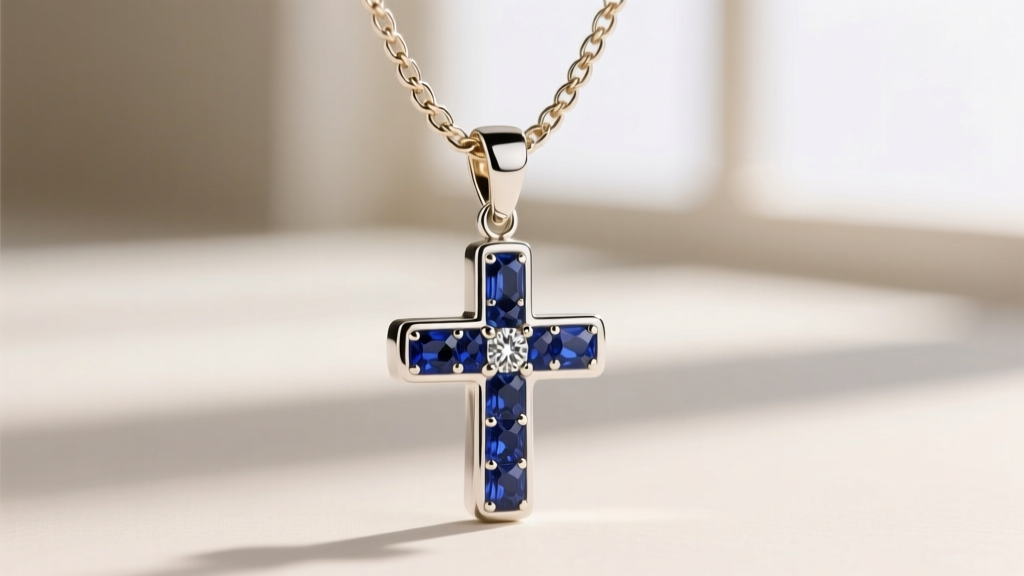
A heavy sapphire cross pendant requires a chain that offers both visual balance and mechanical support. The bail—the loop that connects the pendant to the chain—must be wide enough to accommodate the chain links without causing friction wear.
Recommended Chain Specifications
- Box Chains (0.9mm – 1.2mm): Composed of square, interlocking links, box chains offer high tensile strength and resist kinking. They provide a modern, geometric backdrop that complements the structured lines of a cross pendant.
- Cable Chains (1.0mm – 1.5mm): The traditional choice, featuring uniform oval links. While classic, thinner cable chains (under 0.8mm) are prone to kinking and snapping under the weight of a multi-stone pendant.
- Rope Chains (1.2mm – 1.8mm): Twisted links that reflect light brilliantly. However, the intricate twists can trap skin oils and lotions, requiring more frequent ultrasonic cleaning, which may not be suitable if the sapphire is fracture-filled.
Bail Engineering
For a high-value blue sapphire cross necklace, opt for a hidden bail or a fixed European bail. A hidden bail is soldered directly to the back of the cross, allowing the pendant to sit flush against the collarbone and giving the illusion that the cross is floating on the chain. Ensure the interior diameter of the bail is at least 2.5mm to allow a 1.0mm chain to drape naturally without bunching at the connection point.
Final Considerations for Longevity
Maintaining the brilliance of your sapphire cross requires mindful wear. While sapphire is highly scratch-resistant, the metal setting is not. Remove the necklace before applying cosmetics, engaging in physical labor, or swimming in chlorinated pools, as chlorine can chemically degrade the copper and zinc alloys in karat gold, leading to prong porosity and eventual stone loss. By prioritizing superior gemological origins, stable treatments, and robust metallurgical pairings, your blue sapphire cross necklace will remain a structurally sound and visually captivating heirloom for generations.


