J.Crew Elephant Necklace Value: 2026 Resale & Material Guide
Is the vintage J.Crew elephant necklace worth buying in 2026? We assess its brass materials, enamel durability, and current resale market value.

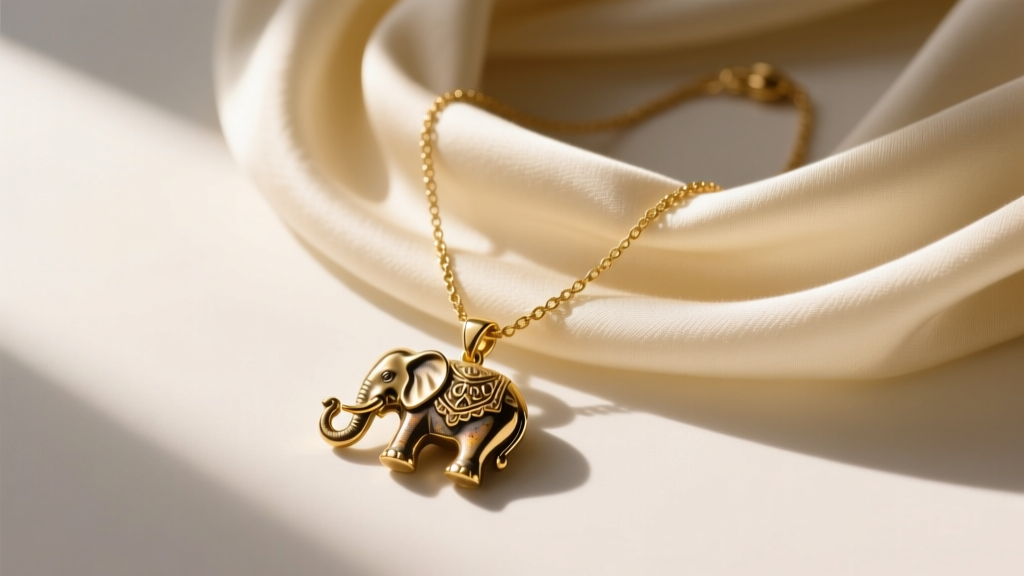
When evaluating fashion jewelry from the 2010s, few pieces evoke as much nostalgia as the iconic animal motif pendants that dominated mall-brand accessories. Among these, the J.Crew elephant necklace stands out as a highly sought-after piece on the secondary market. Originally marketed as a symbol of good luck and a quirky staple for layering, this specific pendant has transitioned from a fast-fashion impulse buy to a vintage collectible. But from a strict budget and value assessment perspective, does this piece hold genuine financial or material worth in 2026? In this comprehensive guide, we dissect the metallurgy, craftsmanship, and current resale economics of the J.Crew elephant necklace to help you determine if it deserves a spot in your collection.
The Nostalgia Factor: Why the Elephant Motif Endures
To understand the resale value of any fashion accessory, you must first understand the cultural driver behind its demand. During the early-to-mid 2010s, J.Crew's accessory department, heavily influenced by the eclectic styling of the era, leaned into zoological motifs. The elephant—traditionally associated with wisdom, strength, and good fortune—was a standout bestseller. Unlike generic geometric pendants, the elephant motif carries an emotional resonance that drives vintage hunters on platforms like Poshmark, Depop, and eBay to seek out these specific archival pieces. In 2026, the Y2K and 2010s fashion revival has pushed these nostalgic accessories back into the spotlight, artificially inflating the resale value of what was once a mass-produced, low-cost item.
Material Autopsy: What Are You Actually Buying?
Before spending $40 on the secondary market, it is crucial to understand the physical reality of the materials. The J.Crew elephant necklace is fundamentally fashion jewelry, meaning it lacks the intrinsic melt value of fine jewelry. According to the Federal Trade Commission Jewelry Guides, items in this category are strictly regulated regarding how their metal content can be advertised.
Base Metal and Plating Thickness
The core of the pendant is typically cast from a zinc alloy (often Zamak) or standard brass. This base metal is then finished with a gold-tone or silver-tone plating. It is vital to note that this is not heavy gold vermeil. The plating on these pieces is generally a "flash plating," meaning the actual gold layer is less than 0.175 microns thick. In many later production runs, the gold tone was achieved using PVD (Physical Vapor Deposition) coating or simply gold-colored lacquer over the base metal. This thin outer layer is highly susceptible to friction, sweat, and cosmetic chemicals, which is why finding a piece with pristine, un-rubbed plating in 2026 is increasingly rare.
Enamel vs. Epoxy Resin
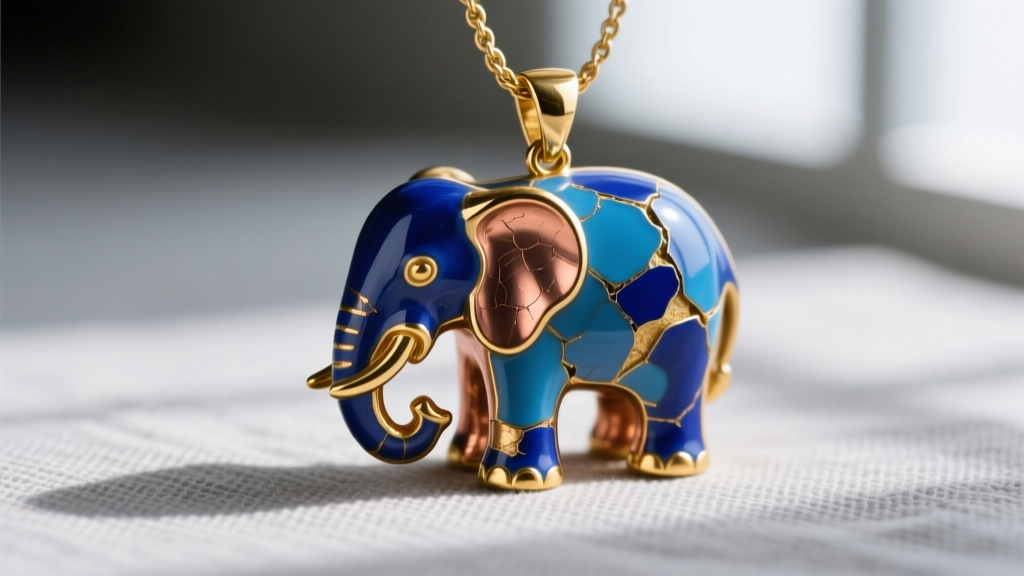
The vibrant pops of color on the elephant's saddle or tusks are often mistaken for vitreous enamel (fired glass). In reality, to maintain a sub-$50 retail price point, J.Crew utilized cold enamel, which is essentially a tinted epoxy resin. While epoxy allows for bright, opaque colors without the need for high-heat kiln firing, it is fundamentally a plastic polymer. Over a decade later, this epoxy is prone to two specific failure modes: thermal yellowing (especially in white or cream-colored sections) and impact chipping.
2026 Resale Market Valuation
Is the J.Crew elephant necklace a good investment? If you are looking for financial appreciation, the answer is no. However, if you are assessing value based on cost-per-wear and vintage styling utility, the market offers distinct tiers. Below is a breakdown of the current 2026 secondary market pricing based on aggregated data from major resale platforms.
| Condition Grade | Description | Average 2026 Resale Price | Value Verdict |
|---|---|---|---|
| Mint in Box (MIB) | Original tags, no tarnish, epoxy fully intact, original pouch included. | $45 - $65 | Overpriced for materials; buy only for archival collecting. |
| Excellent | Light wear, minor chain tarnish, no missing enamel, clear J.Crew stamp. | $28 - $40 | Fair market value for a pristine vintage styling piece. |
| Good | Noticeable brass oxidation, slight epoxy yellowing, intact clasp. | $15 - $25 | Good budget entry point; requires DIY polishing. |
| Fair / Parts | Chipped enamel, broken chain, heavy green verdigris on base metal. | $5 - $10 | Poor value; repair costs exceed the item's total worth. |
Authentication and Common Failure Points
Because the elephant motif was widely replicated by fast-fashion competitors in the 2010s, verifying authenticity is a key part of the value assessment. Furthermore, knowing where these necklaces fail will save you from purchasing a compromised piece.
Identifying Genuine J.Crew Stamps
Authentic J.Crew animal pendants from this era almost always feature a subtle brand stamp. On the elephant necklace, look for a shallow laser or die-stamped "J.Crew" logo on the flat reverse side of the pendant, near the bail (the loop where the chain attaches). Additionally, the accompanying cable chain usually features a small, rectangular brass tag soldered approximately half an inch from the lobster clasp, stamped with the brand name. If the pendant is completely blank and the chain lacks a brand tag, you are likely looking at a mass-market dupe, which holds zero resale value.
Structural Weaknesses
The most common point of catastrophic failure on this necklace is not the pendant itself, but the chain and clasp assembly. The standard cable chain used for these pendants is exceptionally thin, typically measuring less than 1.2mm in gauge. The jump rings connecting the chain to the clasp were often machine-pressed rather than soldered shut. Over time, the tension of taking the necklace on and off pulls these unsoldered jump rings apart, leading to lost pendants. When inspecting a potential purchase, always check the integrity of the jump rings and the spring mechanism inside the lobster clasp, which frequently seizes up due to internal oxidation.
Preservation: Caring for Plated Fashion Jewelry
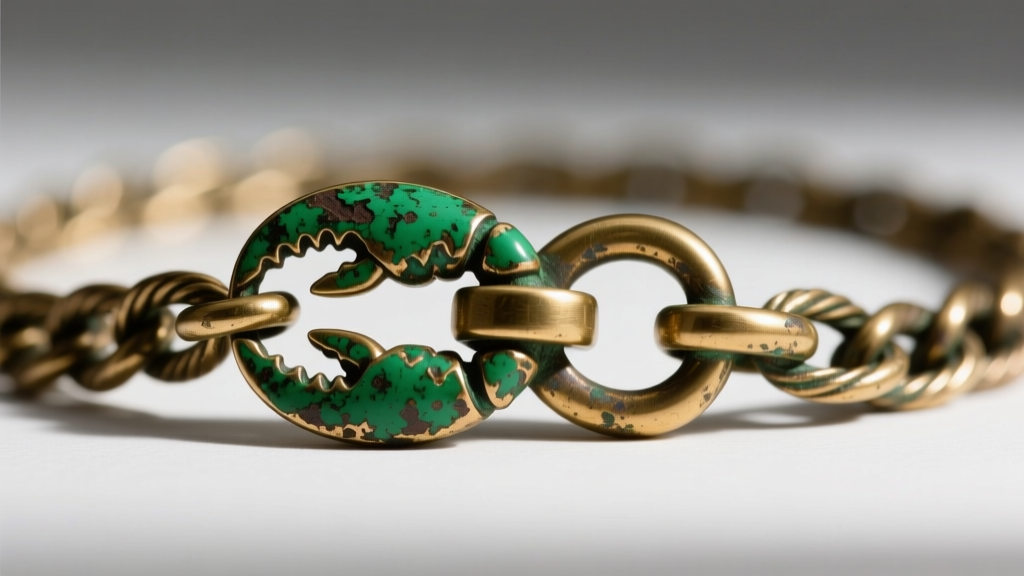
If you acquire a J.Crew elephant necklace in good condition, preserving its value requires a strict maintenance protocol. Because the gold plating is microscopic, traditional silver polishing cloths or abrasive jewelry dips will strip the finish entirely, exposing the raw brass or zinc alloy underneath. Once the base metal is exposed, it will rapidly oxidize and turn the wearer's skin green due to the copper content in the brass reacting with human sweat.
- Barrier Coating: Apply a micro-thin layer of Renaissance Wax or a specialized jewelry sealant to the reverse of the pendant and the chain to create a moisture barrier against skin oils.
- Chemical Avoidance: Never wear this piece while applying perfume, lotion, or sunscreen. The alcohols and emulsifiers in cosmetics break down both the gold flash-plating and the epoxy resin.
- Storage: Store the necklace flat in an anti-tarnish flannel pouch with a silica gel desiccant packet. Hanging the necklace can cause the thin, unsoldered jump rings to stretch under the pendant's weight.
The Final Verdict: Fashion Accessory or Investment?
From a purely financial standpoint, the J.Crew elephant necklace is not an investment. You are paying for 2010s nostalgia, brand recognition, and the charm of the motif, rather than precious metals or gemstones. However, from a styling and budget perspective, securing one in the $20 to $30 range offers excellent value for a durable, highly recognizable vintage layering piece. As long as you enter the transaction understanding the limitations of flash-plated brass and epoxy resin, the J.Crew elephant necklace remains a delightful, culturally significant artifact of early 21st-century fashion jewelry.


