Aztec Necklace Tattoo vs Real Gold Choker: 2026 Cost & Value
We compare the long-term cost, aesthetic value, and upkeep of an Aztec necklace tattoo versus investing in a solid gold Aztec-inspired choker.

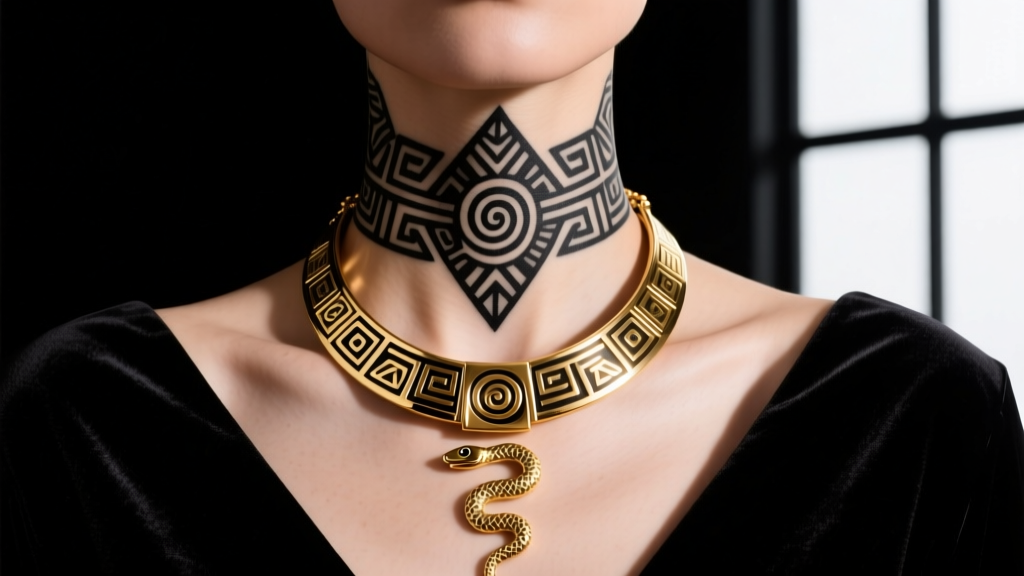
The neck is one of the most striking canvases for personal adornment, and the bold, geometric symmetry of Aztec motifs—such as the Xicalcoliuhqui (step-fret) and sun stone calendars—has become a dominant trend in body modification and fine jewelry alike. As we navigate the style landscape of 2026, a major debate has emerged among collectors and style enthusiasts: Should you commit to a permanent aztec necklace tattoo, or invest your budget into a high-karat, physical Aztec-inspired gold choker?
Both options offer profound aesthetic impact, but their financial footprints, long-term value retention, and dermatological implications are vastly different. In this comprehensive budget and value assessment, we break down the exact costs, material grades, and hidden expenses of ink versus precious metal to help you make an informed decision.
The True Cost of an Aztec Necklace Tattoo
An ornamental blackwork tattoo designed to mimic a heavy Aztec collar or pendant requires a highly skilled artist specializing in geometric precision and skin-flow mapping. Unlike a standard flash piece, an aztec necklace tattoo must wrap flawlessly around the clavicle and sternum, accounting for the natural movement of the neck and shoulders.
Pricing and Hourly Rates
In 2026, top-tier blackwork and ornamental tattoo artists typically charge between $200 and $350 per hour. A detailed, medium-to-large Aztec collar piece spanning the collarbones usually requires 5 to 8 hours of chair time, often split across two sessions to manage swelling and ink saturation.
- Initial Session Cost: $1,000 to $2,800
- Touch-Up Sessions: $150 to $300 (often required after healing due to ink fallout in high-friction neck areas)
- Aftercare Supplies: $40 to $80 for specialized tattoo balms and UV-blocking films
While the upfront cost may appear lower than a solid gold necklace, the neck is a high-UV-exposure zone. Carbon-based black ink degrades under ultraviolet light, meaning your tattoo will require professional touch-ups every 5 to 7 years to maintain the crisp, sharp lines essential to Aztec geometry.
Investing in Physical Aztec-Inspired Necklaces
For those who prefer tangible assets, a physical Aztec-inspired choker or heavy pendant necklace offers intrinsic material value. The cost of these pieces is dictated by metal spot prices, gram weight, and the complexity of the casting or hand-forging techniques used to create intricate Mesoamerican patterns.
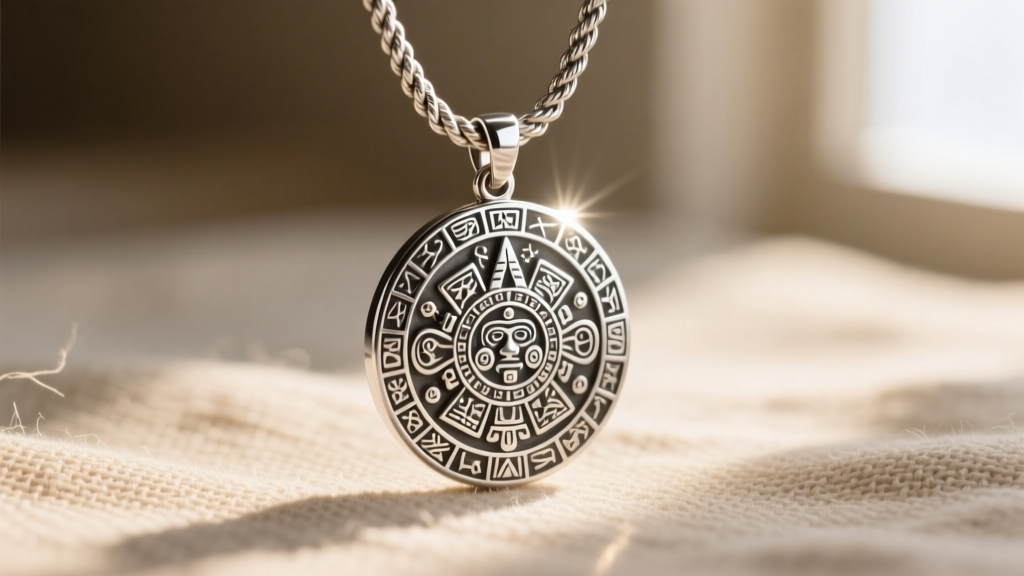
Material Grades and Weight Metrics
To achieve the authentic, heavy drape of an Aztec collar, jewelers must use substantial gram weights. A flimsy, hollow-stamped piece will not only look inauthentic but will also dent easily. When evaluating value, look for the following specifications:
- 925 Sterling Silver: An excellent entry-level luxury option. A solid 60-gram sterling silver Aztec step-fret collar typically ranges from $400 to $850, depending on the brand and whether it features hand-applied oxidization to highlight the carved reliefs.
- 14k Yellow Gold (58.5% Purity):strong> The sweet spot for durability and rich color. Because gold is priced by weight, a 50-gram 14k gold collar will track closely with the 2026 gold spot market, plus a craftsmanship premium. Expect to pay between $3,500 and $5,200.
- 18k Gold & Platinum: Reserved for heirloom-tier investment pieces. These heavier, purer metals can easily push the price past $8,000 but offer unparalleled luster and resistance to tarnish.
According to data from the World Gold Council, gold has maintained a strong upward trajectory over the last decade, meaning a heavy gold Aztec collar acts not just as an accessory, but as a wearable, liquid asset.
Financial Breakdown: Ink vs. Precious Metal
To visualize the long-term financial commitment, we must look beyond the initial purchase price and evaluate the 10-year cost of ownership.
| Feature | Aztec Necklace Tattoo | 925 Silver Aztec Collar | 14k Gold Aztec Collar |
|---|---|---|---|
| Upfront Cost (2026) | $1,200 - $2,800 | $400 - $850 | $3,500 - $5,200 |
| 10-Year Upkeep | $300 - $600 (Touch-ups) | $50 (Polishing cloths) | $0 (Self-polishing) |
| Resale / Melt Value | $0 (Liability) | $150 - $300 | $2,800 - $4,500 |
| Net 10-Year Cost | $1,500 - $3,400 | $150 - $550 | $700 - $2,400 |
As the table illustrates, while the tattoo and the silver collar have similar initial price points, the silver collar retains intrinsic metal value. The 14k gold collar requires a massive initial outlay but boasts the lowest net 10-year cost due to its high resale and melt value.
The Hidden Costs: Laser Removal and Fading
The most critical factor in assessing the value of an aztec necklace tattoo is the exit strategy. Tastes change, and the neck is a highly visible, difficult-to-conceal area for corporate or formal environments. If you decide to remove the tattoo, the financial penalty is severe.
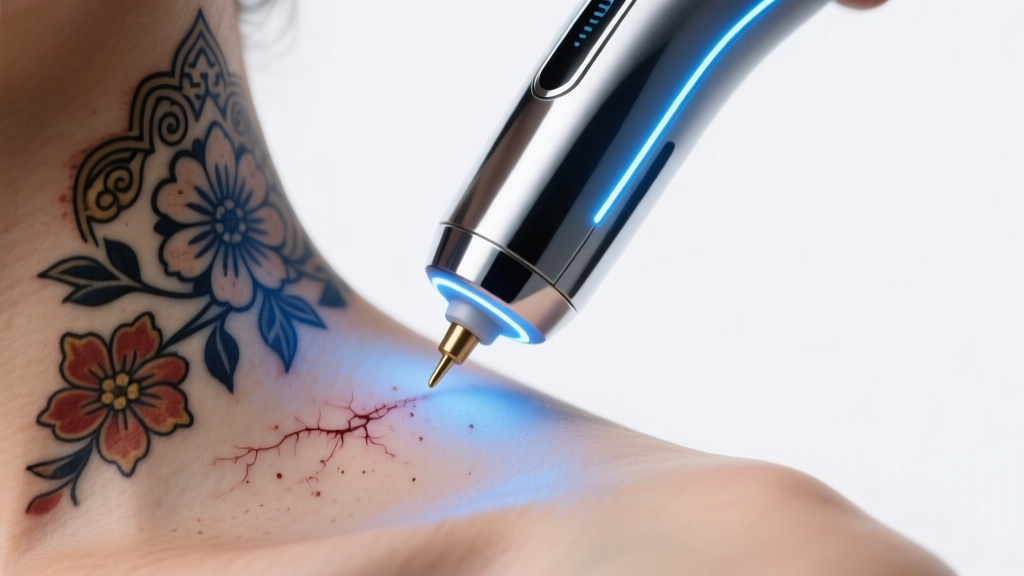
Modern PicoSure and Q-switched Nd:YAG lasers are the standard for breaking down stubborn blackwork ink. According to the American Society for Dermatologic Surgery, tattoo removal costs average $300 to $500 per session. Because the neck features thin skin and delicate vascular networks, practitioners must use lower laser fluence, requiring more sessions—often 10 to 15—to fully clear a dense Aztec collar without causing hypopigmentation or scarring.
This means the total cost to erase an Aztec necklace tattoo can range from $3,000 to $7,500, effectively doubling or tripling your initial investment. In contrast, a physical gold or silver necklace can be sold, melted down, or passed to an heirloom with zero penalty.
Dermatological Value: Ink Reactions vs. Metal Sensitivities
When assessing value, one must also consider the biological cost. The skin on the neck and décolletage is exceptionally thin and prone to environmental stressors.
Tattoo Ink Considerations
High-quality blackwork relies on carbon-based inks, which are generally biocompatible. However, if your Aztec design incorporates red accents (often used to represent blood or sun elements in Mesoamerican art), you risk allergic reactions. Red inks containing cinnabar or cadmium can cause delayed hypersensitivity reactions, granulomas, or keloid scarring years after the initial healing.
Metal Allergies and Hypoallergenic Alternatives
Cheap, mass-produced 'Aztec-style' pendants are often cast from zinc alloys or brass and plated with thin layers of silver or gold. These pieces frequently contain nickel, a primary trigger for contact dermatitis. The Mayo Clinic notes that nickel allergies affect up to 10% of the population, resulting in itchy, blistering rashes on the neck.
To ensure dermatological value, always verify the metal grade. If you have sensitive skin but desire the look of an Aztec collar, invest in solid 18k gold, platinum, or medically graded titanium, all of which are entirely nickel-free and biocompatible.
Final Verdict: Which Offers Better Value?
The decision between an aztec necklace tattoo and a physical choker ultimately depends on how you define 'value.'
If you value permanence, body-art culture, and seamless integration with your skin, the tattoo is a worthy investment, provided you budget for future UV-protective skincare and inevitable touch-ups. It is a commitment to a specific aesthetic that becomes a permanent part of your identity.
However, if you value financial liquidity, heirloom potential, and versatility, a solid 14k gold or heavy sterling silver Aztec collar is the undisputed winner. It allows you to wear a masterpiece of Mesoamerican-inspired geometry to a formal event, take it off before bed, and retain a significant portion of your capital in the form of precious metal. In the realm of budget and value assessment, fine jewelry remains a tangible asset, while ink is a beautiful, but ultimately depreciating, sunk cost.


