How to Layer a Free People Charm Necklace Like a Pro
Master the boho-chic aesthetic with our step-by-step guide to layering a Free People charm necklace. Learn chain gauges, metal care, and styling tricks.

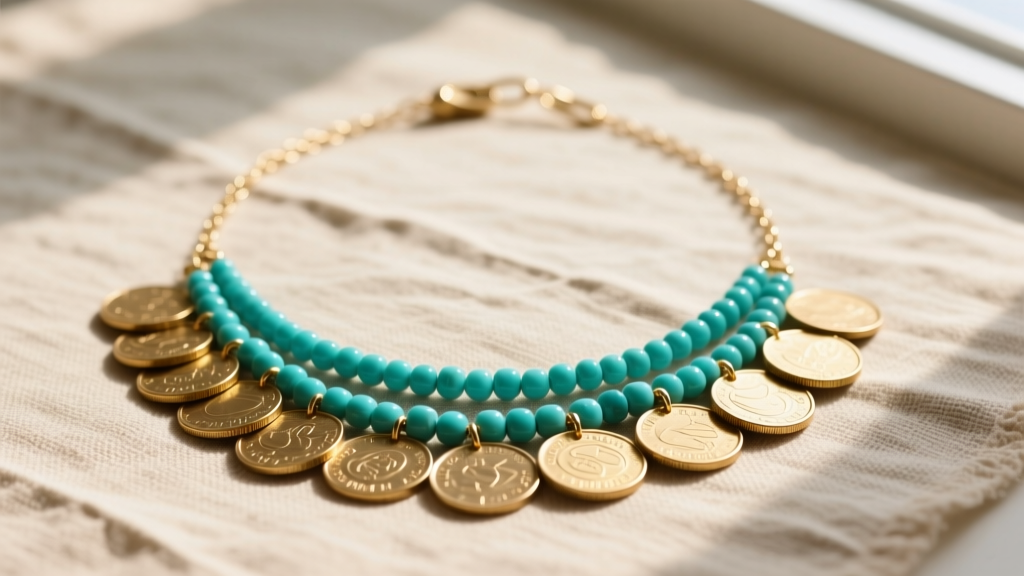
The bohemian aesthetic relies heavily on curated imperfection, and no brand captures this ethos quite like Free People. A signature Free People charm necklace is rarely worn in isolation; it is designed to be part of a larger, textured narrative around your neckline. As mixed-metal styling and personalized talisman jewelry continue to dominate 2026 fashion trends, mastering the art of the layer is essential.
However, layering isn't just about throwing multiple chains together. It requires an understanding of chain gauges, metal compositions, and spatial distribution. In this comprehensive guide, we will break down exactly how to build, style, and maintain your charm necklace layers without ending up with a tangled, tarnished mess.
The Anatomy of a Boho Charm Necklace
Before you begin layering, you must understand the materials you are working with. Free People jewelry typically falls into the 'bridge' category—bridging the gap between costume and fine jewelry. This means you will frequently encounter specific materials that require distinct handling.
- Gold Vermeil: Unlike standard gold plating (which uses a brass base and a thin flash of gold), vermeil must have a sterling silver base and a gold layer of at least 2.5 microns. It is more durable but will eventually wear if subjected to heavy friction.
- Gold-Tone Brass: An alloy of copper and zinc. It provides a rich, vintage gold color but is highly susceptible to oxidation and skin-acid reactions. It is usually coated in a clear lacquer that can wear off over time.
- Oxidized Sterling Silver: Silver that has been intentionally darkened using sulfur compounds to highlight the intricate details of a charm, such as zodiac signs or tarot motifs.
- Semi-Precious Inlays: According to the GIA Gem Encyclopedia, stones like turquoise and labradorite are porous and sensitive to chemicals, meaning they dictate how you can clean the entire necklace.
Furthermore, pay attention to the chain gauge. A delicate 1.2mm cable chain will easily tangle when layered with a heavy 4mm paperclip chain. The secret to a successful Free People charm necklace stack is contrasting these textures while keeping the weights relatively balanced.
Step-by-Step Guide to Layering Your Charms
A professional-looking stack requires three distinct anchor points. Here is your step-by-step framework for building the perfect neckline.
Step 1: Establish the Anchor (15 to 16 Inches)
Your first layer should sit close to the collarbone. Opt for a lightweight chain, such as a 1.5mm rope chain or a delicate beaded strand. This layer should feature a small, subtle charm—like a tiny moon, a single pearl, or a minimalist initial. This piece acts as the visual baseline for the rest of your stack. Ensure it has a secure lobster clasp, as spring-ring clasps on delicate chains are prone to slipping open when caught on heavier layers beneath them.
Step 2: The Statement Charm (20 to 24 Inches)
This is where your primary Free People charm necklace lives. Whether it is a heavy brass zodiac medallion, an intricate evil eye, or a large turquoise-encased pendant, it needs room to breathe. A 22-inch length is the sweet spot, allowing the charm to rest on the sternum. Use a sturdier chain for this layer, such as a 2.5mm to 3mm paperclip or elongated cable chain, which can support the weight of a 15-gram pendant without stretching.

Step 3: The Lariat or Y-Chain Finisher (28+ Inches)
To draw the eye downward and elongate the torso, finish your stack with a long lariat or a Y-chain. This layer typically lacks a traditional clasp, instead featuring a sliding bead or a tassel that drops down the center of the chest. This creates a 'V' shape that is universally flattering and prevents the neckline from looking horizontally cluttered.
'The golden rule of bohemian layering is the rule of odds. Three or five chains will always look more organic and intentional than two or four, which can appear too symmetrical and rigid.'
Metal Mixing and Material Care Matrix
Mixing silver and gold tones is a hallmark of the Free People aesthetic, but mixing metals also means mixing care routines. Refer to the table below to ensure you are not accidentally destroying your favorite pieces during cleaning.
| Material | Composition | Tarnish Risk | Recommended Cleaning Method |
|---|---|---|---|
| Gold Vermeil | 925 Silver + 2.5μ Gold | Low (Silver base can tarnish if exposed) | Warm water, mild dish soap, soft microfiber cloth. No polishing compounds. |
| Gold-Tone Brass | Copper/Zinc Alloy + Lacquer | High (If lacquer chips) | Dry wipe only. Use a brass polish ONLY if the lacquer is completely gone. |
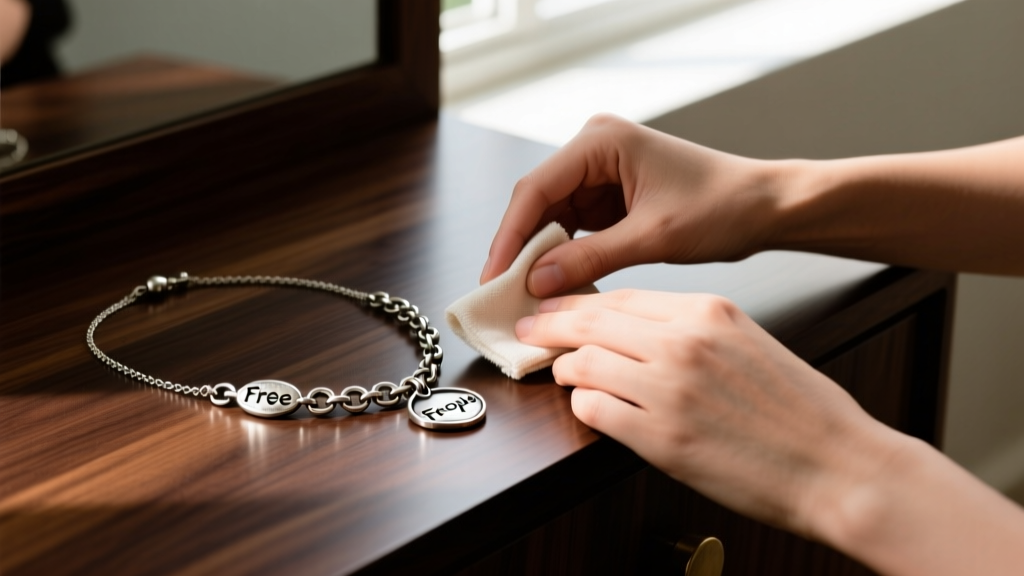
| Oxidized Silver | 925 Silver + Sulfur Patina | N/A (Tarnish is intentional) | Wipe gently with a dry cloth. NEVER use silver dip, it will strip the black oxidation. |
| Turquoise/Enamel | Porous Stone / Glass Resin | N/A (But prone to cracking/fading) | Damp cloth only. Avoid all ultrasonic cleaners and chemical solutions. |
For comprehensive guidelines on maintaining mixed-material jewelry, the Jewelers of America strongly advises against using ultrasonic cleaners on any piece featuring porous stones or layered plating, as the high-frequency vibrations can shatter stones and strip vermeil layers.
Troubleshooting Common Charm Necklace Issues
Even the most carefully curated stacks can run into physical issues. Here is how to troubleshoot the most common problems associated with charm necklaces.
The Tangled Chain Nightmare
Paperclip and cable chains are notorious for interlocking. To prevent this, never store your layered necklaces in a single pile. If you must travel with them, use the 'straw trick': unclasp the chain, thread it through a plastic drinking straw, and reclasp it. This keeps the chain rigid and physically prevents it from knotting. For existing knots, lay the chain on a hard surface, apply a drop of baby oil to the knot, and use two sewing needles to gently tease the links apart.
Jump Ring Separation
The jump ring is the small circular wire loop that connects the charm to the chain. On fashion jewelry, these are often 'split' jump rings rather than soldered ones. If your heavy brass coin charm keeps falling off, the jump ring has likely pulled open. Use two pairs of flat-nose jewelry pliers to twist the ring open and closed laterally (side-to-side), rather than pulling it apart outward, which weakens the metal. If the wire gauge is too thin (under 18-gauge), replace it with a thicker, soldered jump ring from a local craft store.
Clasp Slippage
If your necklaces keep unfastening, the issue is likely the tension on the clasp. Heavier charms pull the chain taut, putting stress on small spring-ring clasps. Swap out delicate spring rings for 9mm or 10mm lobster clasps, which feature a stronger internal spring and a larger surface area to catch the end ring securely.
Final Styling Framework for Necklines
Your clothing dictates the success of your charm stack. Use this quick reference guide to match your Free People charm necklace layers to your outfit:
- Deep V-Neck: Utilize the 3-layer method (16", 22", 28"). The long lariat will echo the V-shape of the garment, creating a continuous, elongating line.
- Crew Neck / T-Shirt: Stick to two layers (15" and 18"). Keep the charms relatively flat (like coins or medallions) so they don't awkwardly flip over the curve of the collar.
- Square Neck: A single, bold 20-inch statement charm necklace works best here. The horizontal line of the square neckline clashes with multiple short layers; let one heavy piece sit in the negative space.
- Off-The-Shoulder: This is the time for a 'choker + long chain' combination. A 14-inch velvet or beaded choker paired with a single 30-inch pendant highlights the exposed collarbones without crowding the shoulder fabric.
By understanding the structural integrity of your chains, respecting the chemical sensitivities of your materials, and applying spatial awareness to your layering, you can elevate your Free People charm necklace from a simple accessory to a masterclass in personal styling.


