Best Magnetic Friendship Necklaces: 2026 Gift Guide
Discover the best magnetic friendship necklaces for 2026. Expert guide on neodymium grades, hypoallergenic metals, and occasion matching for BFFs.

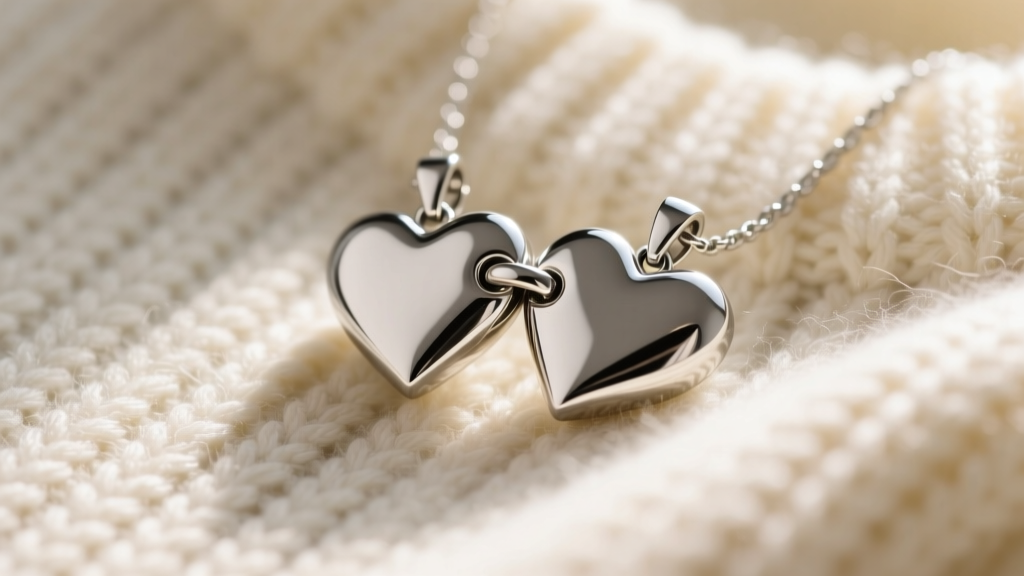
Friendship jewelry has evolved far beyond the cheap plastic puzzle pieces and woven threads of the early 2000s. Today, magnetic friendship necklaces represent a sophisticated intersection of metallurgy, precision engineering, and sentimental design. Whether you are shopping for a high school best friend heading off to a distant university, a long-distance partner, or a bridal party keepsake, these necklaces offer a tangible, physical connection that literally pulls two people together. However, not all magnetic pendants are created equal. The market is flooded with poorly manufactured novelties that tarnish, snap, or lose their magnetic pull within weeks. As a jewelry specialist, I have analyzed the structural integrity, material grades, and design mechanics of magnetic necklaces to bring you this definitive 2026 gifting guide.
The Science of the Connection: Magnet Grades and Casing Metallurgy
The core of any magnetic friendship necklace is the magnet itself, and the difference between a lasting keepsake and a frustrating failure lies in the grade of neodymium used. Neodymium magnets (NdFeB) are the strongest permanent magnets commercially available. According to the engineering specifications detailed by K&J Magnetics, these magnets are graded on an 'N' scale, typically ranging from N35 to N52.
- N35 Grade: The industry standard for budget jewelry. It provides adequate pull force for lightweight pendants but may struggle to hold through thicker winter clothing.
- N52 Grade: The premium tier. An N52 magnet offers roughly 30% more pull force than an N35, ensuring the pendants snap together satisfyingly even when separated by a light scarf or collar.
The Critical Importance of the Casing
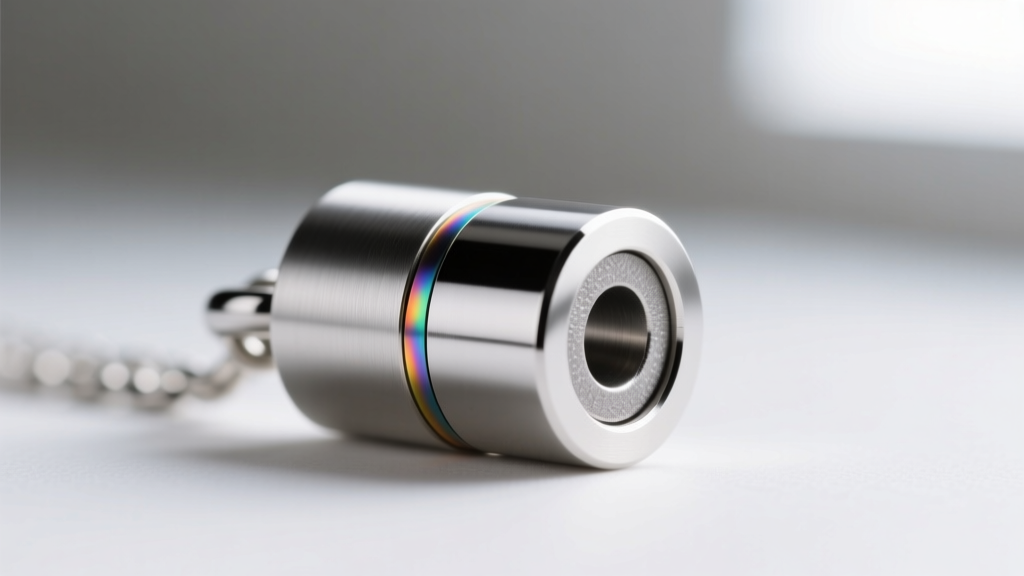
Bare neodymium is highly susceptible to oxidation and will rapidly corrode when exposed to the salts and acids in human sweat. Therefore, the magnet must be hermetically sealed within a metal casing. For 2026, the only acceptable casing materials for premium friendship necklaces are 316L surgical stainless steel or solid titanium. Avoid zinc alloys or brass casings, which are often plated with a thin layer of silver that quickly wears off, leading to skin discoloration and structural degradation. 316L steel contains molybdenum, which drastically increases its resistance to chloride corrosion, making it ideal for daily wear.
Occasion Matching: Selecting the Right Pendant and Chain
A magnetic necklace is a deeply personal gift, and the motif should reflect the specific milestone you are celebrating. Below is a decision matrix to help you match the pendant style, chain length, and budget to the occasion.
| Occasion | Recommended Motif | Chain Length | Estimated Price Range (2026) |
|---|---|---|---|
| College Send-Off / Long Distance | Compass or Sun/Moon split | 18" - 20" (Adjustable) | $45 - $85 |
| Milestone Birthday (18th/21st) | Minimalist interlocking bars | 16" - 18" (Choker/Collarbone) | $60 - $120 |
| Bridal Party / Maid of Honor | Geometric heart or infinity knot | 16" with 2" extender | $80 - $150 |
| High School Graduation | Puzzle pieces or anchor | 18" standard cable | $35 - $65 |
Gifting Pro-Tip: When gifting magnetic necklaces to friends with different body types or style preferences, always opt for chains that include a 2-inch extender. This ensures the pendant rests perfectly on the collarbone regardless of the wearer's neckline or personal fit preference.
Chain Mechanics and Hardware: Preventing Structural Failure
The most common point of failure in magnetic friendship necklaces is not the magnet, but the clasp and chain hardware. The unique physics of a magnetic pendant means the wearer is frequently pulling the chain taut when separating the two halves to give one to their friend. This creates sudden, sharp tensile stress on the clasp.
Spring Rings vs. Lobster Clasps
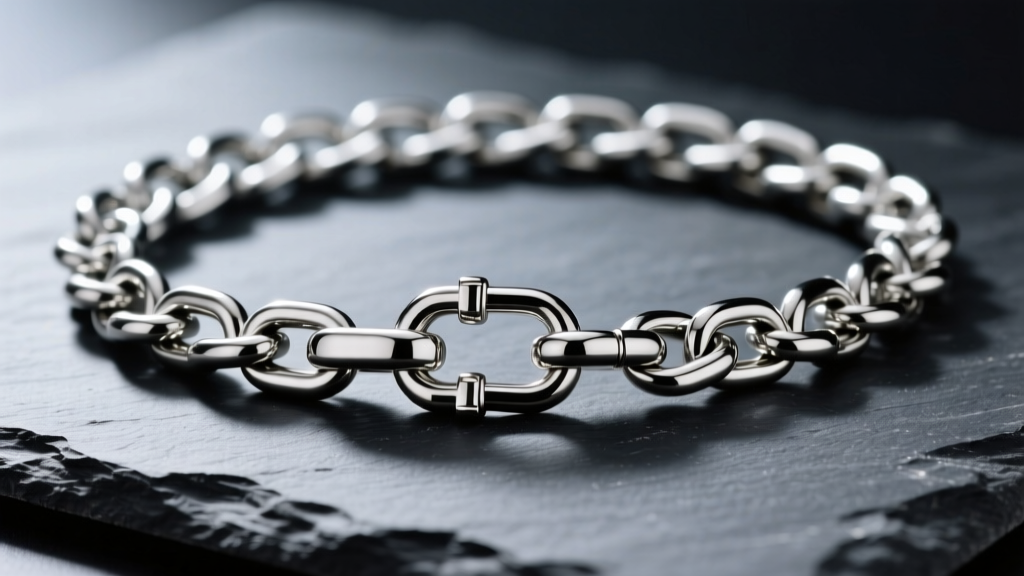
Never purchase a magnetic necklace equipped with a standard spring ring clasp. Spring rings rely on a tiny, fragile internal spring that easily warps under the sudden yanking force required to separate strong N52 magnets. Always verify that the necklace features a solid lobster clasp with a reinforced jump ring. Furthermore, inspect the jump rings connecting the clasp to the chain; they should be soldered shut or feature a split-ring design to prevent the chain from slipping through the gap when pulled.
Chain Gauge and Weave
For magnetic pendants, which typically weigh between 8 and 15 grams, the chain must possess adequate tensile strength without looking overly bulky. A 1.2mm to 1.5mm cable or rolo chain is the sweet spot. Rolo chains, characterized by their interlocking circular links, offer superior multi-directional flexibility and are less prone to kinking than herringbone or snake chains, making them the most durable choice for active, everyday wear.
Troubleshooting, Skin Sensitivities, and Long-Term Care
Even the best-engineered magnetic friendship necklaces require proper maintenance to preserve their finish and magnetic integrity. Additionally, skin sensitivities must be factored into your purchasing decision, especially if you are buying a gift for someone with a history of metal allergies.
Navigating Nickel Allergies
Nickel contact dermatitis is one of the most common allergic reactions in jewelry wearers. The American Academy of Dermatology notes that prolonged exposure to nickel-releasing alloys can cause severe, itchy rashes on the chest and neck. While 316L surgical steel is generally considered hypoallergenic, it still contains trace amounts of nickel. If your friend has a known, severe nickel allergy, bypass stainless steel entirely and seek out magnetic pendants cased in Grade 2 Titanium or solid 14k gold. Titanium is entirely biocompatible and completely nickel-free.
Maintenance and Demagnetization Myths
There is a common misconception that dropping a magnet or exposing it to everyday electronics will cause it to lose its pull. Modern neodymium magnets are incredibly stable and will not demagnetize from dropping or proximity to smartphones. However, they are vulnerable to extreme heat. Exposing the pendant to temperatures above 176°F (80°C) can cause irreversible loss of magnetization. Therefore, advise the recipient to remove the necklace before entering a sauna or using a high-heat hair styling tool directly against the collarbone.
For cleaning, avoid ultrasonic jewelry cleaners. The high-frequency vibrations can compromise the microscopic epoxy seals used to waterproof the magnet casing. Instead, simply wipe the pendants down with a microfiber cloth dampened with warm water and a drop of mild dish soap, then dry immediately to prevent water spotting on the steel.
Final Thoughts on Gifting Magnetic Connections
Magnetic friendship necklaces remain one of the most poignant gifts you can offer in 2026 because they translate an emotional bond into a physical experience. By prioritizing N52 neodymium cores, 316L stainless steel or titanium casings, and robust lobster clasps, you ensure that the physical representation of your friendship is as enduring as the relationship itself. Whether celebrating a cross-country move or a decade of shared memories, a precision-crafted magnetic pendant is a daily, wearable reminder that no matter the distance, the pull remains.


