Best Hawaiian Necklaces for Guys: 2026 Gift Guide
Discover the best Hawaiian necklaces for guys in our 2026 gift guide. Explore koa wood, Ni'ihau shell, and silver pendants for every occasion.

Beyond the Tourist Trap: Authentic Hawaiian Necklaces for Men
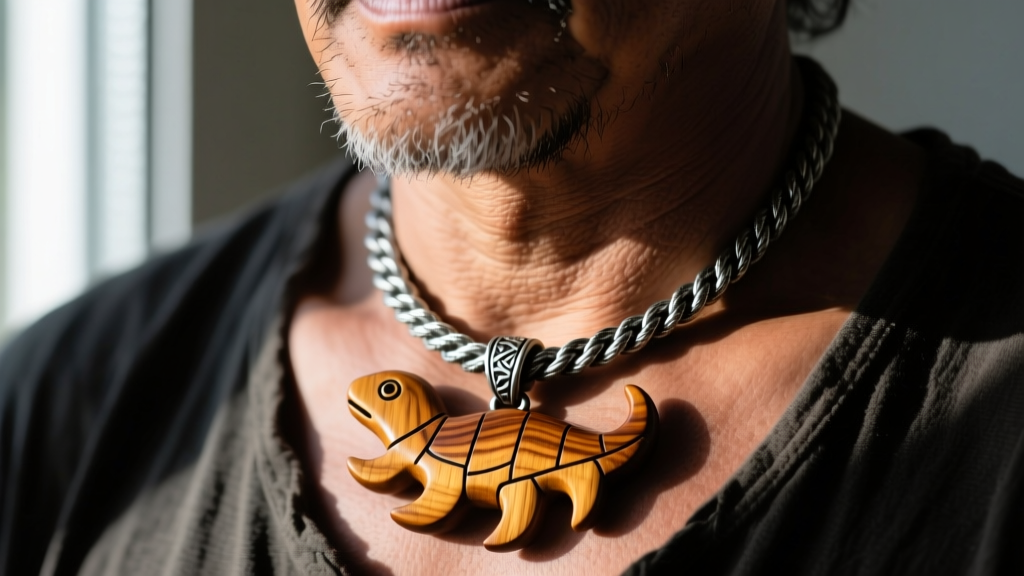
Finding the perfect gift for the man who appreciates island culture requires navigating a minefield of mass-produced, imported trinkets. When shopping for hawaiian necklaces for guys, the goal is to find pieces that honor traditional Polynesian craftsmanship while offering modern durability and masculine aesthetics. In 2026, the most discerning buyers are moving away from flimsy braided cords and plastic beads, opting instead for heritage materials like endemic Koa wood, regulated black coral, and authentic Ni'ihau shells set in precious metals.
Whether you are shopping for a surfer, a professional, or someone who simply values meaningful jewelry, this guide breaks down the exact materials, sizing specifications, and cultural motifs you need to know to make an informed purchase.
Material Deep-Dive: What Makes It Authentic?
The foundation of any high-quality Hawaiian pendant is its material. Authentic pieces utilize resources native to the archipelago, each carrying its own geological and cultural significance.
Acacia Koa Wood & Titanium Pairings
Koa (Acacia koa) is a hardwood endemic to Hawaii, historically used for canoes and surfboards. In jewelry, its deep, rich grain and unique chatoyancy—a cat's-eye optical effect caused by interlocked wood fibers—make it highly prized. For men's necklaces, Koa is best utilized as an inlay within a titanium or 316L surgical steel bezel. Titanium offers a lightweight, hypoallergenic frame that protects the softer wood (which ranks about 1,170 lbf on the Janka hardness scale) from impact and moisture damage during daily wear.
Ni'ihau Shells vs. Mother of Pearl
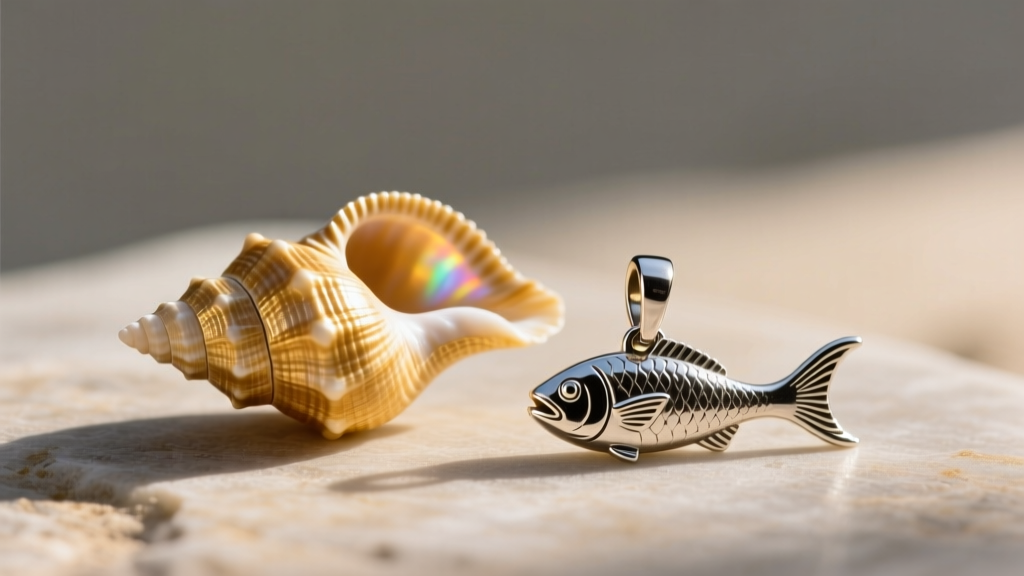
Often called the "diamonds of Hawaii," Ni'ihau shells are incredibly rare. According to the Gemological Institute of America (GIA), these shells are naturally polished by the ocean and possess a luster that rivals cultured pearls. For men, a full multi-strand Ni'ihau lei can feel overly formal or traditional. Instead, look for a single, large Momi shell (pearl-like and white) or a cluster of Kahelelani shells (tiny, golden-brown spirals) set into a sterling silver or 14k gold fishhook pendant.
Black Coral (Antipatharia)
Deep-water Hawaiian black coral is strictly regulated under CITES and state law to prevent overharvesting. Genuine black coral is not actually black on the outside; it features a dark, horn-like skeletal core that takes a brilliant, glass-like polish. Because of strict harvesting limits, vintage or estate black coral pendants set in 14k yellow gold are highly sought-after milestone gifts, often starting at $1,500 and climbing well past $5,000 depending on the thickness of the coral branch.
Occasion Matching: Which Style Fits His Lifestyle?
Matching the necklace to his daily routine ensures the gift gets worn rather than relegated to a drawer. Use this framework to select the right combination of material and hardware.
| Occasion / Lifestyle | Recommended Material | Chain Style & Metal | Estimated Price Range |
|---|---|---|---|
| Everyday / Active | Koa wood inlay, Mother of Pearl | 3mm Box Chain (316L Stainless Steel) | $120 - $250 |
| Surf / Beach | Carved Bone, Solid Titanium Makau | 4mm Rope Chain (Titanium or Silicone cord) | $80 - $300 |
| Office / Smart Casual | Polished Black Coral, Ni'ihau Shell | 2.5mm Cuban Link (925 Sterling Silver) | $350 - $900 |
| Milestone / Formal | Estate Black Coral, Diamond-accented Gold | 3mm Figaro Chain (14k Yellow Gold) | $1,500 - $5,000+ |
Chain Specifications & Sizing for Men
A common mistake when gifting Hawaiian pendants is pairing a heavy, culturally significant carving with a flimsy, 1mm chain. The hardware must match the visual weight and physical mass of the pendant.
Width and Metallurgy
For pendants weighing over 15 grams (typical for solid bone or thick Koa/silver pieces), you need a chain width between 3mm and 5mm.
- 316L Surgical Steel: The best choice for watermen. It will not tarnish in saltwater and offers high tensile strength.
- 925 Sterling Silver: Classic and bright, but requires occasional polishing if worn in the ocean. Always ensure the clasp is stamped "925".
- 14k Palladium White Gold: A premium upgrade from silver that resists tarnishing and offers superior scratch resistance.
Length Guidelines
The drop of the necklace dictates its style profile.
- 18 Inches: Sits tightly at the base of the neck. Best for small, subtle shell pendants.
- 20 Inches: The standard men's length, resting right on the collarbone. Ideal for office-appropriate silver and pearl pieces.
- 22 to 24 Inches: Drops to the upper chest. This is the quintessential "surfer" length, perfect for large bone fishhooks or Koa wood carvings meant to be worn over a t-shirt.
Top 3 Hawaiian Pendant Motifs & Their Meanings
According to the cultural archives at the Bishop Museum in Honolulu, Hawaiian jewelry is deeply intertwined with spiritual beliefs, lineage, and the natural environment. Gifting a motif with a specific meaning adds a profound layer of sentiment to your present.
1. The Makau (Fishhook)
The Makau is perhaps the most recognized symbol in Polynesian jewelry. It represents prosperity, strength, and safe passage over water. Historically, a man's fishhook was his most prized possession, essential for survival. Today, a sterling silver or carved bone Makau is the ultimate gift for a traveler, a fisherman, or someone embarking on a new life chapter.
2. The Honu (Sea Turtle)
The Honu symbolizes longevity, peace, and navigation. In Hawaiian culture, the sea turtle is often viewed as an Aumakua (a guardian spirit or deified ancestor). A Honu pendant, especially one carved from dark Koa wood or featuring a Mother of Pearl shell inlay, makes a deeply protective and thoughtful gift for a father, brother, or son.
3. The Spearhead (Pahikoa)
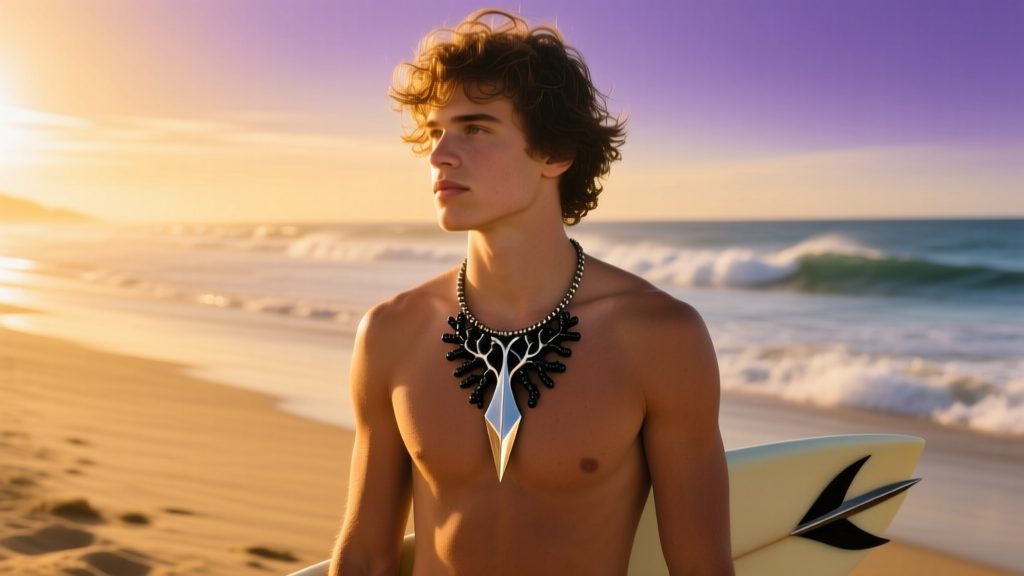
Representing the warrior spirit, courage, and protection, the spearhead motif is highly geometric and masculine. It is frequently seen in modern Hawaiian jewelry as a sharp, angular titanium or silver overlay on a dark wood background. It is an excellent choice for men who prefer a more contemporary, edgy aesthetic over traditional curved carvings.
Where to Buy: Verifying Authenticity
The market is flooded with "Hawaiian-style" jewelry manufactured overseas. To ensure you are gifting an authentic piece that supports local artisans, follow these verification steps:
- Look for the Origin Stamp: Authentic pieces will often be stamped or accompanied by a certificate stating "Made in Hawaii." Be wary of terms like "Hawaiian Design" which legally can be manufactured anywhere.
- Verify the Maker's Mark: Reputable Hawaiian jewelers (such as Maui Divers, Royal Hawaiian Heritage, or independent artisans from the Big Island) stamp their precious metals with a registered trademark alongside the metal purity mark (e.g., 925 or 14k).
- Check the Carving Depth: Mass-produced pendants use shallow laser engraving or cast molds that lack depth. Hand-carved bone or wood will feature deep, smooth undercuts and unique tool marks that prove human craftsmanship.
- Ask About the Wood Source: Genuine Koa is sustainably harvested from private lands or fallen trees on state land, as regulated by the Hawaii Department of Land and Natural Resources. Artisans should be able to verify their wood's ethical sourcing.
Pro-Tip for Gifting: If you are buying a Koa wood pendant, include a small tin of natural beeswax or specialized wood polish in the gift box. Koa requires occasional oiling to maintain its deep luster and prevent the wood from drying out and cracking in arid climates.
Final Thoughts
When selecting hawaiian necklaces for guys, the secret lies in balancing cultural reverence with modern wearability. By prioritizing endemic materials like Koa and Ni'ihau shells, selecting the correct chain gauge to support the pendant's weight, and choosing a motif that resonates with his personal journey, you are not just giving a piece of jewelry—you are gifting a wearable piece of Hawaiian history that will endure for generations.


