Best Christmas Necklace Materials: 2026 Gift Guide
Discover the best metals for a Christmas necklace in 2026. Compare sterling silver, gold vermeil, and titanium for lasting holiday gifts.

The Hidden Trap of Holiday Jewelry Gifting
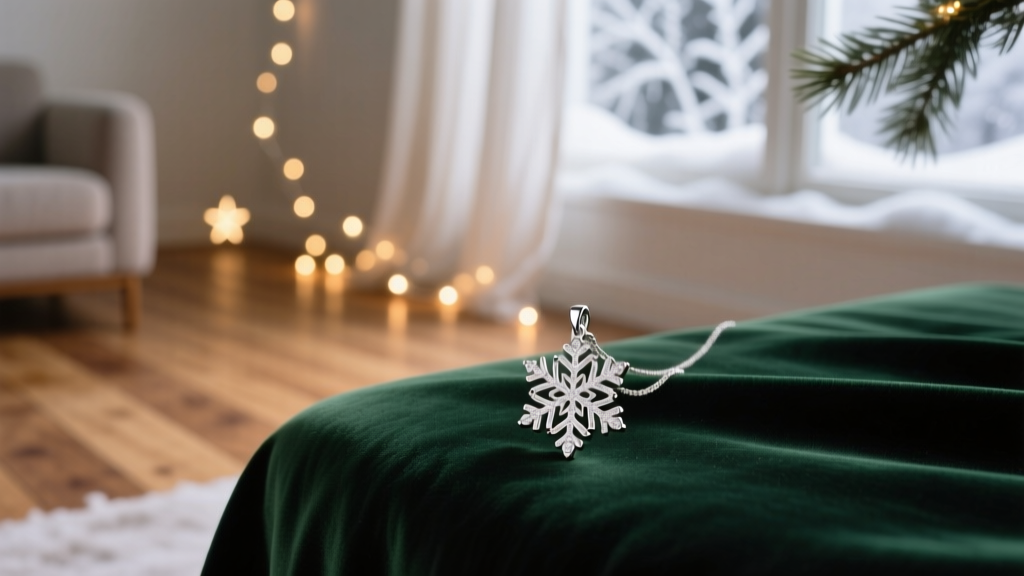
Gifting a Christmas necklace is a timeless holiday tradition, but the post-holiday disappointment of tarnished metals, broken chains, and allergic reactions is a widespread issue. Every January, jewelers see a massive influx of returns and repairs for holiday gifts that failed to survive the winter season. In 2026, savvy shoppers and style enthusiasts are looking past festive motifs like snowflakes, reindeer, and initial pendants to examine the actual metallurgical properties of their gifts. A beautiful holiday pendant is only as good as the metal that holds it. Understanding material grades, plating thickness, and structural integrity is the key to selecting a Christmas necklace that will last far beyond the holiday season.
The Winter Climate Factor: How Cold Weather Affects Metals
Before diving into specific alloys, it is crucial to understand how winter environments actively degrade jewelry. The combination of low outdoor humidity, aggressive indoor central heating, and heavy winter wardrobes creates a hostile environment for delicate metals.
- Friction from Winter Fabrics: Wool, cashmere, and heavy tweeds create constant micro-friction against the collarbone. This friction acts like fine sandpaper, rapidly wearing down thin gold plating and exposing base metals.
- Static Electricity: Dry winter air generates static buildup in synthetic and wool blends. This static attracts microscopic dust and abrasive particles to the surface of your necklace, accelerating the scratching of softer metals like high-karat gold or pure silver.
- Chemical Exposure: Winter skincare routines often involve heavier lotions and balms. The emollients and sulfur compounds in certain moisturizers can accelerate the tarnishing of copper-heavy alloys.
Because of these seasonal hazards, the material composition of a Christmas necklace must be robust enough to withstand winter wear and tear. According to the Gemological Institute of America (GIA), understanding metal hardness and environmental reactivity is essential for long-term jewelry care.
Material Showdown: Comparing the Top Holiday Metals
When shopping for a holiday pendant, you will encounter several primary materials. Here is a deep dive into their properties, failure modes, and ideal use cases.
925 Sterling Silver and Rhodium Plating
Sterling silver is an alloy consisting of 92.5% pure silver and 7.5% copper. While pure silver is highly resistant to tarnish, it is too soft for daily wear. The addition of copper provides structural integrity but introduces a major vulnerability: copper reacts with sulfur and moisture in the air to form silver sulfide, the black tarnish commonly seen on neglected jewelry. To combat this, premium Christmas necklace brands apply a rhodium plating. Rhodium, a platinum-group metal, is highly reflective and completely tarnish-resistant. For a durable gift, ensure the rhodium plating is at least 0.75 to 1.0 microns thick. Anything thinner will wear off by mid-February.
Gold Vermeil vs. Standard Gold Plating
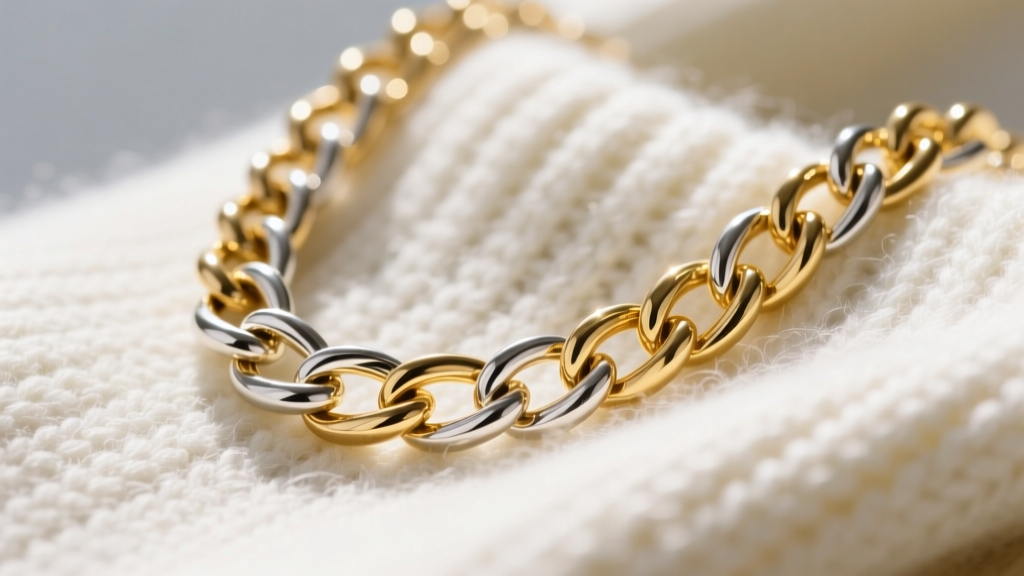
The term 'gold' is often misused in holiday marketing. Standard gold-plated jewelry typically features a microscopic layer of gold (often less than 0.5 microns) electroplated over a cheap brass or copper base. Once the winter friction wears through this thin layer, the brass reacts with skin acids, leaving a green stain on the neck. Gold vermeil, however, is strictly regulated. According to the Federal Trade Commission (FTC) Jewelry Guides, vermeil must consist of a sterling silver base coated with at least 2.5 microns of gold (minimum 10k purity). When buying a gold-toned Christmas necklace, always verify the 'vermeil' designation to ensure the gift won't degrade rapidly.
Implant-Grade Titanium: The Hypoallergenic Hero
For recipients with severe metal sensitivities or nickel allergies, a titanium Christmas necklace is the ultimate failsafe. Specifically, look for ASTM F136 implant-grade titanium. This aerospace and medical-grade alloy contains zero nickel and is completely inert, meaning it will not react with sweat, lotions, or winter dry skin. While it lacks the traditional warm luster of gold, its gunmetal grey finish offers a modern, industrial aesthetic that pairs beautifully with minimalist winter wardrobes.
Data Table: 2026 Holiday Necklace Material Comparison
| Material | Base Metal | Coating / Purity | Tarnish Risk | Estimated Price Range |
|---|---|---|---|---|
| Solid 14k Gold | Gold Alloy | 58.5% Pure Gold | Very Low | $250 - $800+ |
| Gold Vermeil | 925 Silver | 2.5+ Microns Gold | Low | $85 - $200 |
| Rhodium Silver | 925 Silver | 0.75+ Microns Rhodium | Low (Until worn) | $60 - $150 |
| Standard Plated | Brass/Copper | <0.5 Microns Gold | High (Base metal) | $20 - $50 |
| ASTM F136 Titanium | Titanium Alloy | Solid / Anodized | None | $45 - $120 |
Festive Accents: Enamel, Resin, and Gemstone Properties
A Christmas necklace often features vibrant reds, greens, and sparkling accents. The materials used for these details dictate the piece's longevity.
Vitreous Enamel vs. Cold Enamel (Epoxy)
High-end holiday pendants use vitreous enamel, which is essentially powdered glass fused to metal at temperatures exceeding 1400°F. This creates a hard, scratch-resistant, and UV-stable surface that will never yellow or chip under normal wear. Conversely, budget-friendly holiday jewelry uses 'cold enamel,' which is merely colored epoxy resin. Cold enamel is soft, prone to scratching against winter zippers, and will yellow over time when exposed to UV light and skin oils.
Holiday Gemstones: Cubic Zirconia vs. White Sapphire
For the classic 'winter ice' look, many Christmas necklaces feature clear stones. Cubic Zirconia (CZ) is the most common, but it ranks at 8.0 to 8.5 on the Mohs hardness scale. Over time, CZ attracts oils and develops micro-scratches that make it look cloudy and dull. For a premium gift that maintains its brilliance, seek out white sapphire (Mohs 9.0) or lab-grown diamond (Mohs 10.0). These stones resist scratching and maintain their optical clarity for decades.
The Snag Test: Chain Styles for Winter Wardrobes
The pendant is only half the equation; the chain must survive winter clothing. Certain chain weaves are notorious for catching on wool fibers and breaking under the tension of a snag.
- Herringbone and Snake Chains: These lay flat against the skin and look incredibly elegant, but they are structural nightmares in winter. The microscopic gaps between the links act like hooks, catching on cashmere and tweed. Once a herringbone chain kinks, it cannot be repaired.
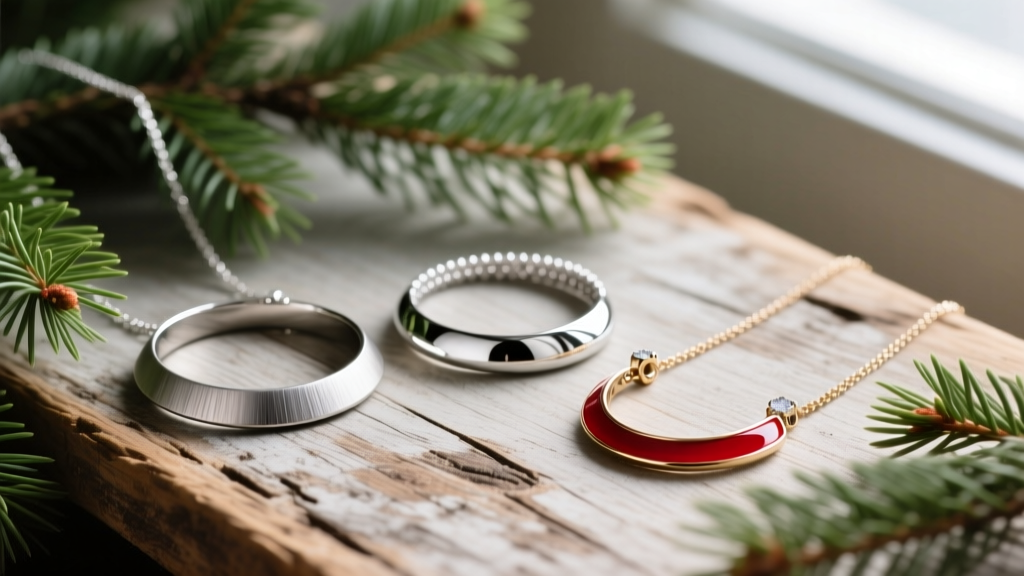
- Cable and Curb Chains: These are highly durable and resist snagging, making them excellent choices for heavy pendants and winter wear.
- Box Chains: The geometric, interlocking squares of a box chain offer a smooth surface that glides over winter fabrics without catching. A 1.0mm to 1.5mm sterling silver box chain is the gold standard for holiday gifting.
The Ultimate Gifting Framework
When selecting a Christmas necklace this year, apply the 'Three-Point Check': verify the base metal (avoid brass), confirm the plating thickness (demand vermeil or thick rhodium), and inspect the chain weave (choose box or curb over herringbone). By prioritizing material science over fleeting seasonal trends, you ensure that your holiday gift becomes a cherished, enduring staple in their jewelry collection for years to come.


