USA Necklace Value Guide: Is American-Made Jewelry Worth It?
Discover if a handcrafted USA necklace is worth the premium in 2026. We analyze metal grades, pricing, and how to spot genuine American jewelry.

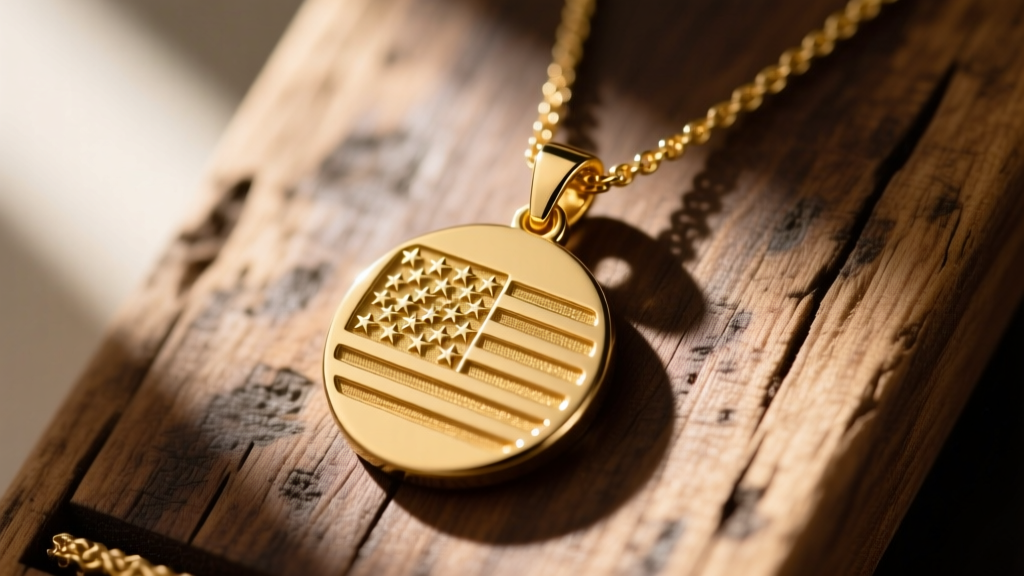
The True Cost of a 'Made in USA' Necklace
In the current jewelry market, the phrase 'Made in USA' carries a heavy premium, but it also carries a significant amount of marketing deception. As we navigate the 2026 retail landscape, shifting import tariffs and supply chain reshoring have changed the economics of domestic jewelry production. A genuine USA necklace is no longer just a patriotic purchase; it is a distinct asset class defined by superior metallurgical standards, ethical labor practices, and rigorous quality control. However, the Federal Trade Commission (FTC) warns that many brands exploit loopholes, labeling pieces as American-made when only the final assembly occurs on US soil. According to the FTC's Made in USA Standard, a product must be 'all or virtually all' made in the United States to bear the label without qualification. This means the chain, the clasp, the pendant casting, and even the solder must be domestically sourced and manufactured. Understanding this distinction is the first step in accurately assessing the budget and true value of American-crafted neckwear.
Material Grades: What US Artisans Actually Use
When you invest in a domestic piece, you are paying for precise alloy compositions that prioritize longevity and hypoallergenic properties over sheer volume. Mass-market imported necklaces frequently utilize 'mystery metals' or low-karat gold vermeil that degrades within months. In contrast, reputable US studios rely on specific, high-grade materials.
The Shift to Argentium Silver
While standard 925 sterling silver is ubiquitous, top-tier American silversmiths have largely migrated to 935 Argentium silver. This patented alloy replaces a portion of the copper content with germanium, making it highly tarnish-resistant and significantly more durable. A genuine USA necklace crafted from Argentium will maintain its bright, white finish for years without the need for harsh chemical polishes, offering immense long-term value over traditional sterling.
Gold Alloys and Titanium Standards
The US market heavily favors 14k gold for everyday pendants and chains due to its optimal balance of rich color and structural integrity. While European and Asian markets often push 18k or 22k gold, US artisans recognize that higher purity metals are too soft for secure prong settings or durable chain links. Furthermore, for contemporary or body-safe pendant designs, US makers utilize ASTM F136 implant-grade titanium, ensuring zero nickel exposure for sensitive skin types.
Price Breakdown: Imported vs. Domestic Craftsmanship
To accurately assess value, we must break down the actual cost structures. The table below illustrates where your money goes when purchasing a necklace in 2026, comparing mass-produced imports with genuine domestic craftsmanship.
| Category | Mass-Produced (Overseas) | 'Assembled in USA' | Handcrafted USA Necklace |
|---|---|---|---|
| Metal Purity | Flash-plated brass or low-grade 925 | Imported 925 chain, US cast pendant | Solid 14k/18k or 935 Argentium |
| Labor Cost | $0.50 - $2.00 per unit | $5.00 - $12.00 per unit | $45.00 - $150.00+ per unit |
| Clasp Quality | Cheap spring rings (high failure rate) | Imported lobster clasps | Hand-soldered or custom-machined clasps |
| Retail Price Range | $15 - $65 | $75 - $140 | $180 - $800+ |
| Longevity | 6 - 18 months | 2 - 4 years | Lifetime (heirloom quality) |
As highlighted by the Jewelers of America, the initial sticker shock of a handcrafted domestic piece is quickly offset by its lifespan. An imported gold-plated chain will inevitably rub off, exposing the brass core and causing skin discoloration, whereas a solid 14k US-made chain can be worn daily in the shower and ocean without structural degradation.
How to Spot Dropshipped Fakes Posing as American
The most critical skill in your value assessment toolkit is identifying 'patriot-washing'—brands that use Americana marketing while dropshipping cheap inventory from overseas fulfillment centers. Here is a practical troubleshooting framework to verify authenticity:
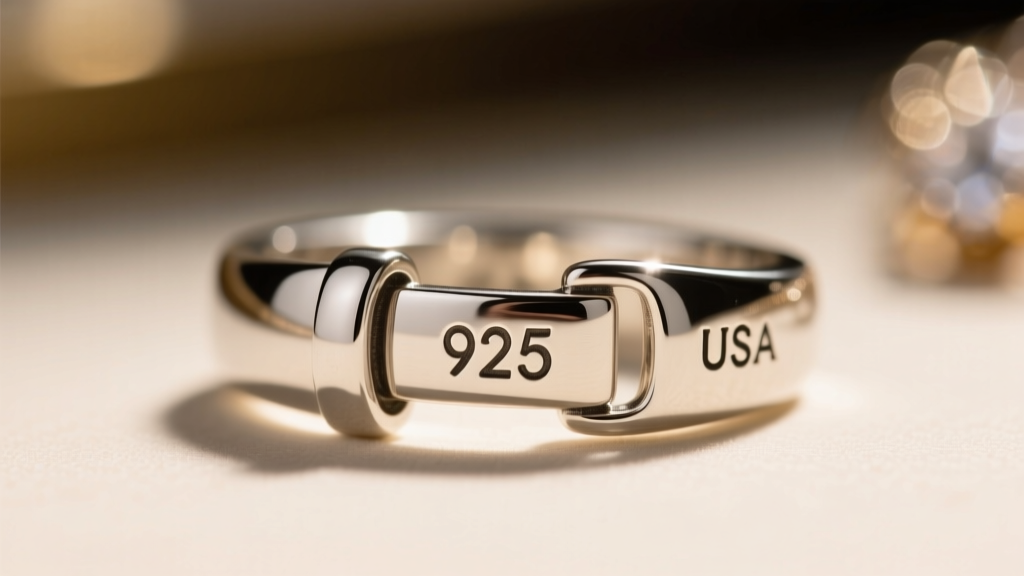
- Inspect the Hallmarks: A genuine USA necklace will often feature a microscopic maker's mark alongside the metal purity stamp (e.g., '14K' or '925'). If the only stamp is a generic '925' with no registered maker's mark, it is likely a mass-market import.
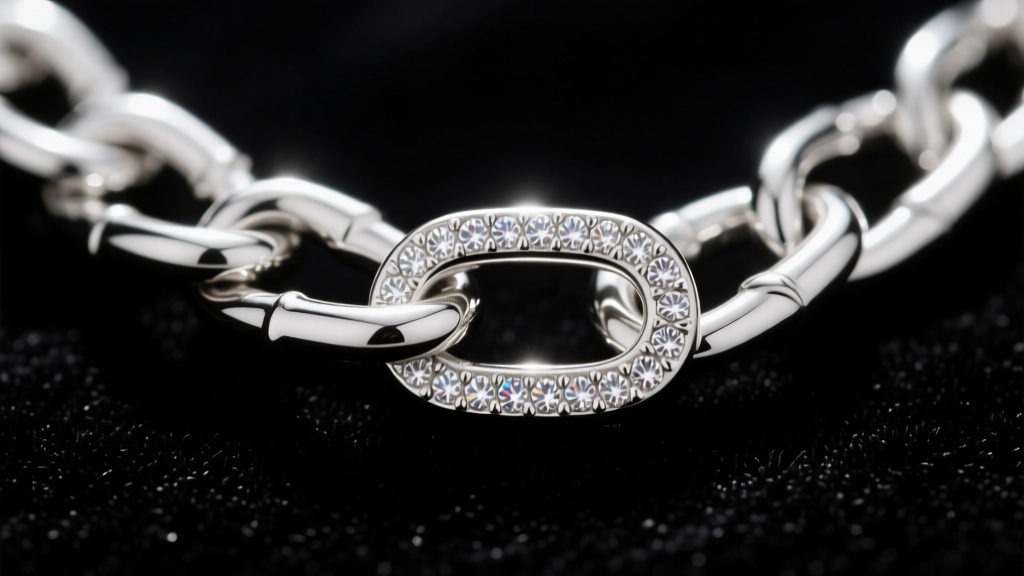
- Examine the Jump Rings: Look closely at the jump ring connecting the pendant to the chain. US artisans typically use laser welding or high-temperature silver solder, leaving a seamless, flush joint. Imported pieces often feature visibly split jump rings that are merely pinched shut, which will pull apart under minimal tension.
- Check the Chain Solder Points: Run your fingernail along the links of a cable or curb chain. If you feel sharp burrs or notice uneven, bulky solder blobs at the link seams, the chain was machine-stamped and poorly finished overseas. Hand-forged or high-end US machine-finished chains have perfectly smooth, flush seams.
Top Tier US Studios Offering Genuine Value
If you are ready to invest in authentic domestic craftsmanship, certain regions and studios offer exceptional value based on their specialized heritage and material sourcing.
Southwestern Native American Silversmiths
Artisans in New Mexico and Arizona produce some of the most valuable silver and turquoise necklaces in the world. Authentic Navajo or Zuni pieces utilize heavy-gauge solid silver (often 12 to 14 gauge for structural components) and domestically sourced stones like Sleeping Beauty or Kingman turquoise. Expect to pay between $300 and $1,200 for a genuine, hallmarked squash blossom or inlay pendant. The American Gem Society provides excellent resources for verifying the authenticity of domestic gemstones used in these settings.
Northeast Studio Jewelers
Hubs like Providence, Rhode Island, and Brooklyn, New York, are home to contemporary studio jewelers who specialize in CAD-designed, 3D-printed, and hand-finished gold pendants. These makers offer incredible value in the $250 to $600 range, providing custom-fit lab-grown diamond accents and solid 14k gold chains that rival luxury European houses at a fraction of the markup.
Final Verdict: When to Pay the Premium
Is a handcrafted USA necklace worth the investment? From a strict budget perspective, if you are buying jewelry as a disposable, seasonal accessory to match a specific outfit, an imported piece will suffice. However, if you are evaluating jewelry as a long-term wardrobe staple, an expression of personal style, or an heirloom to be passed down, the domestic premium is entirely justified. You are paying for verifiable metal purity, ethical labor, and structural engineering that prevents catastrophic failure. By demanding transparency, checking hallmarks, and understanding alloy grades, you can confidently invest in American-made neckwear that delivers true, lasting value.


