The Blue Sapphire Star Necklace: 2026 Trend Analysis
Discover why the blue sapphire star necklace is the defining celestial jewelry trend of 2026. Explore styling tips, metal pairings, and buying guides.

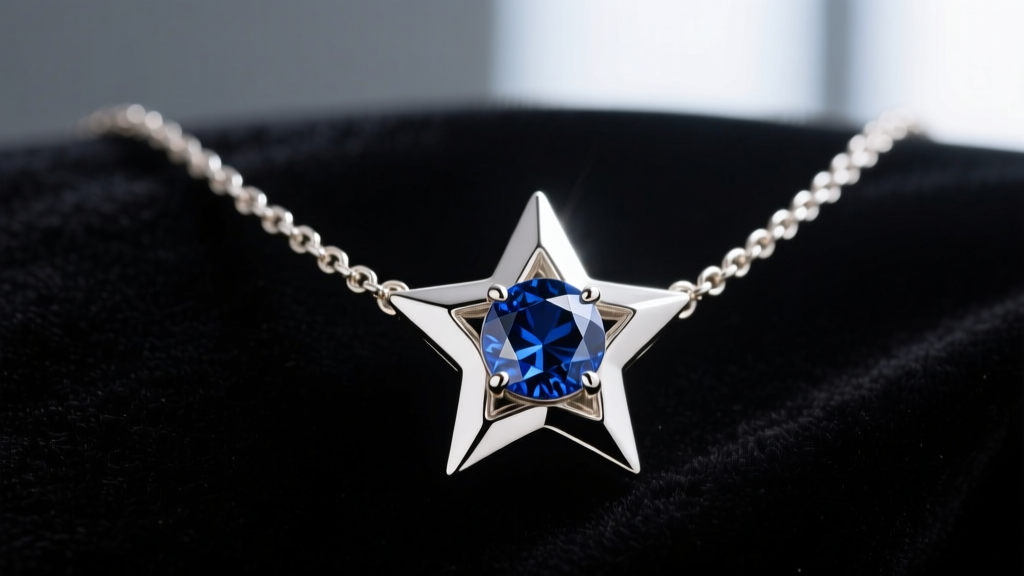
The jewelry landscape of 2026 has decisively pivoted away from the ultra-minimalist bar pendants and invisible chains that dominated the early 2020s. In their place, a romantic, narrative-driven aesthetic has taken center stage. At the absolute peak of this movement is the blue sapphire star necklace, a piece that bridges the gap between vintage celestial motifs and modern fine jewelry craftsmanship. Whether you are evaluating a natural star sapphire exhibiting rare asterism or a precisely faceted geometric star pendant, understanding the nuances of this trend is critical for both collectors and everyday wearers.
The Celestial Resurgence: Defining the 2026 Stargazer Aesthetic
According to recent industry analyses, the "Stargazer" aesthetic has become a defining pillar of 2026 evening and bridal jewelry. This trend is characterized by a return to symbolic, emotionally resonant gemstones. The blue sapphire, historically associated with wisdom and celestial heavens, is the natural anchor for this movement. Designers are moving beyond simple solitaire pendants, instead integrating the star shape—either through the gemstone's cut or the metalwork's silhouette—to create pieces that serve as modern talismans. The blue sapphire star necklace is no longer just an accessory; it is a statement of intentional, curated personal style that pairs exceptionally well with the era's focus on sustainable, investment-grade fine jewelry.
Gemological Anatomy: Asterism vs. Geometric Cuts
When shopping for a blue sapphire star necklace, buyers frequently encounter a major point of confusion: the difference between a "star sapphire" and a "sapphire star." As a domain expert, I cannot stress enough how vital this distinction is for valuation and expectation management.
The Phenomenon: Natural Star Sapphires (Asterism)
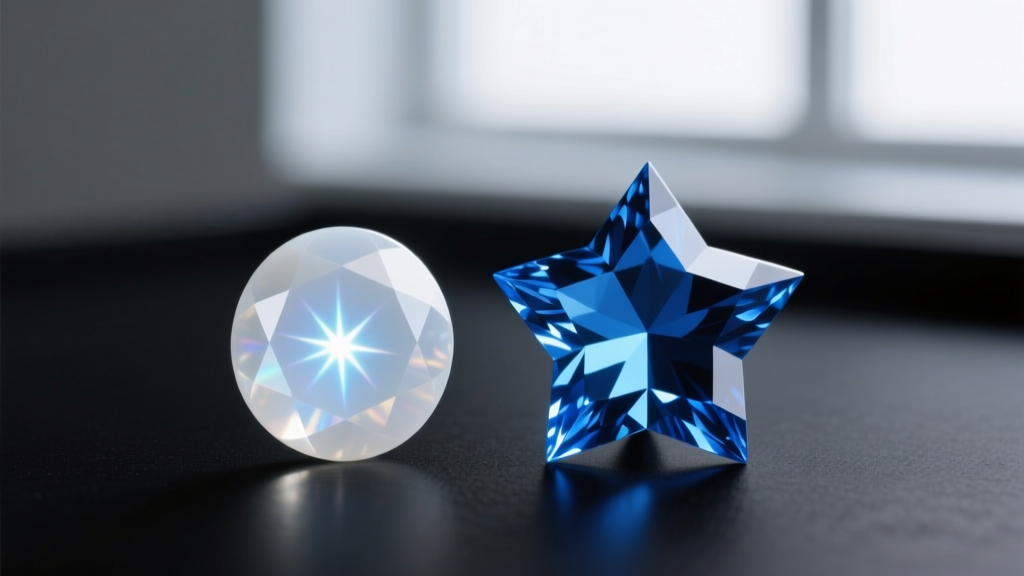
A true star sapphire is a cabochon-cut gemstone that exhibits asterism—a star-like optical phenomenon. This is caused by intersecting needle-like inclusions of rutile (titanium dioxide) within the corundum crystal structure. When light hits these densely packed, aligned needles, it reflects back in a distinct six-rayed (or rarely, twelve-rayed) star. The most prized specimens feature a sharp, well-centered star that glides smoothly across the dome of the cabochon when moved under a direct light source. Because the inclusions are necessary for the star, these stones are inherently less transparent than faceted sapphires, often possessing a milky or translucent body color.
The Shape: Faceted Sapphire Stars
Conversely, a "sapphire star necklace" often refers to a highly transparent, faceted blue sapphire that has been precision-cut into a geometric star shape, or a metal star setting pavé-set with smaller faceted sapphires. These pieces prioritize brilliance, color saturation, and the iconic "cornflower" or "royal" blue hues that the Gemological Institute of America (GIA) identifies as the most valuable color grades. Faceted star pendants offer a sharper, more contemporary sparkle compared to the soft, mysterious glow of a cabochon star sapphire.
Metal Allocations and Chain Gauges
The metal chosen for a blue sapphire star necklace drastically alters its visual temperature and historical reference point. In 2026, we are seeing a distinct bifurcation in metal preferences based on the cut of the stone:
- 18k Yellow Gold: The undisputed champion for natural cabochon star sapphires. The warm, rich tones of yellow gold provide a stunning, high-contrast backdrop that enhances the milky blue body color and makes the rutile star appear sharper. It leans heavily into the vintage, heirloom-inspired aesthetic.
- Platinum and 18k White Gold: Preferred for faceted geometric star pendants. The cool, reflective nature of white metals amplifies the brilliance and icy blue saturation of faceted stones, offering a sleek, modern, and highly formal look.
- Chain Gauge Specifics: For optimal drape and durability, a star pendant weighing between 3 and 8 grams should be suspended on a chain no thinner than 1.0mm. A 1.2mm cable chain or a 1.5mm wheat chain provides the necessary structural integrity while maintaining a delicate visual profile.
2026 Market Pricing and Value Metrics
The pricing for a blue sapphire star necklace varies wildly based on the origin of the stone, the presence of treatments, and the cutting style. Below is a comparative breakdown of current market averages for investment-grade and commercial-grade pieces.
| Necklace Type | Cut / Style | Avg. Carat Weight | Price Range (USD) | Best Metal Pairing |
|---|---|---|---|---|
| Natural Star Sapphire | Cabochon (Asterism) | 2.0 - 5.0 ct | $2,500 - $12,000 | 18k Yellow Gold |
| Faceted Sapphire Star | Modified Brilliant | 0.8 - 2.0 ct | $1,200 - $6,500 | Platinum / White Gold |
| Lab-Grown Sapphire Star | Cabochon or Faceted | 1.5 - 4.0 ct | $400 - $1,500 | 14k Rose or Yellow Gold |
| Pavé Diamond & Sapphire | Metal Star Setting | N/A (Melee stones) | $1,800 - $5,500 | 18k White Gold |
Note: Natural, unheated star sapphires with sharp, centered stars and deep blue body colors command a massive premium, often exceeding $3,000 per carat at auction houses.
Styling Frameworks: Necklines and Layering Techniques
The versatility of the blue sapphire star necklace makes it a cornerstone of the 2026 layering trend. However, improper layering can lead to tangled chains and obscured pendants. Follow these structural frameworks for flawless styling:
The Two-Link Differential Rule
When layering a star pendant with other chains, ensure a minimum 2-inch differential in length and a contrasting chain link style. For example, pair a 16-inch 0.9mm rolo choker with a 20-inch 1.5mm wheat chain holding the sapphire star. This prevents the chains from twisting around one another and ensures the star pendant rests squarely in the sternum hollow.
Neckline Pairings
- Deep V-Necks and Wrap Dresses: A single, bold 18-inch faceted sapphire star pendant acts as a natural extension of the V-neckline, drawing the eye downward and elongating the neck.
- High Crew Necks and Turtlenecks: Opt for a larger, 30-inch rope chain featuring a milky cabochon star sapphire. The long drop breaks up the heavy fabric of winter knits and adds a bohemian, celestial flair.
- Off-the-Shoulder and Sweetheart: Utilize a shorter 14-to-15-inch choker-style star necklace that sits directly on the collarbone, framing the exposed décolletage without competing with the garment's neckline.

Sourcing, Treatments, and Authenticity
As the demand for celestial jewelry surges, the market has seen an influx of treated and synthetic stones. When sourcing a natural blue sapphire star necklace, authenticity and treatment disclosure are paramount. According to the American Gem Society (AGS), consumers must always request a laboratory report for any natural sapphire exceeding $1,000 in value.
For cabochon star sapphires, be highly vigilant regarding lead-glass fracture filling. This treatment is frequently used to mask surface-reaching fissures in lower-quality star sapphires, artificially improving their apparent clarity and durability. A simple loupe inspection will often reveal telltale blue and orange flash effects along the fracture lines. Furthermore, while heat treatment is standard and accepted for faceted blue sapphires to improve color and clarity, lattice diffusion (where titanium is introduced during heating to artificially create or enhance the star effect) must be explicitly disclosed, as it drastically reduces the gemstone's market value.
For buyers seeking the celestial aesthetic without the premium of unheated natural stones, lab-grown sapphires offer an exceptional alternative. Created via the Verneuil flame fusion or Czochralski processes, lab-grown star sapphires exhibit identical chemical and optical properties to their mined counterparts, including genuine rutile-induced asterism, but at a fraction of the environmental and financial cost.
Final Verdict
The blue sapphire star necklace is not a fleeting fad; it is a sophisticated evolution of fine jewelry that marries deep gemological history with contemporary styling. Whether you choose the mysterious, glowing dome of a natural cabochon star sapphire or the sharp, icy brilliance of a faceted geometric star, this piece offers unparalleled versatility. By understanding the critical differences in cut, metal pairings, and treatment disclosures, you can confidently invest in a celestial heirloom that will define your jewelry wardrobe for decades to come.


