The Ultimate Bottle Top Necklace Buying Guide & Care Tips
Discover what to look for when buying a bottle top necklace. Learn about resin types, rust prevention, chain gauges, and bail attachments in our guide.

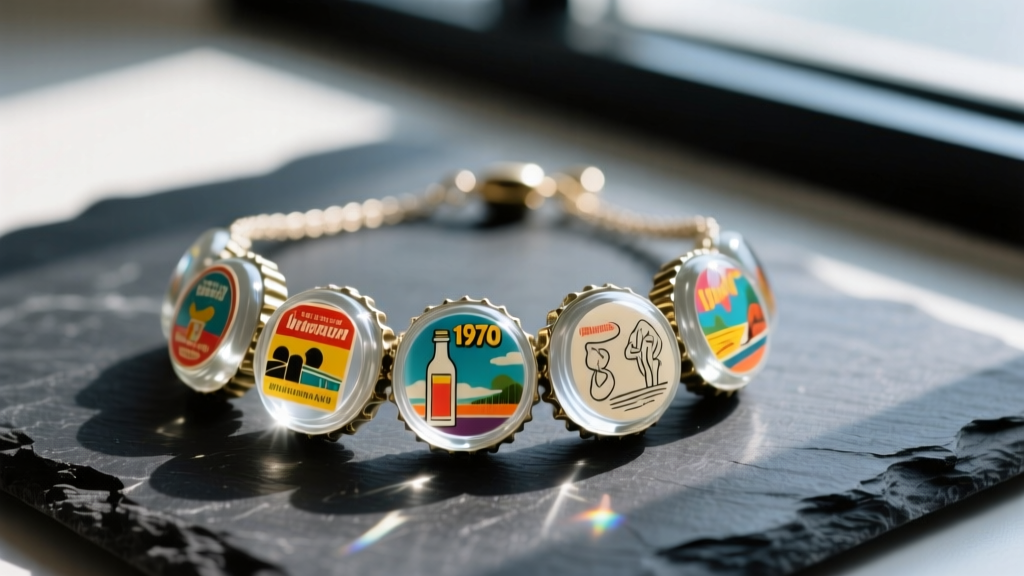
Introduction to the Bottle Top Necklace Trend
The bottle top necklace has evolved from a niche DIY craft project into a celebrated staple of upcycled and indie jewelry. Whether you are drawn to the nostalgic charm of a vintage soda cap or the edgy, industrial aesthetic of a craft beer crown, wearing a piece of pop culture history around your neck is a unique style statement. As we move through 2026, the demand for sustainable, upcycled fashion accessories continues to surge, pushing artisans to elevate their crafting techniques. However, the market remains flooded with poorly constructed pendants that succumb to rust, yellowing resin, and detached bails within months. This comprehensive buying guide will teach you exactly how to evaluate a bottle top necklace for longevity, material quality, and structural integrity before you make a purchase.
Authentic Upcycled vs. Cast Metal Replicas
When shopping, you will encounter two distinct categories of bottle top necklaces: authentic upcycled caps and cast metal replicas. Understanding the difference is crucial for setting your expectations regarding durability and aesthetics.
Authentic Upcycled Caps
Authentic upcycled caps are made from actual steel or aluminum crown corks. They offer genuine ridges, slight asymmetries, and a tangible connection to the brand they once represented. However, because traditional crown corks are made of tin-plated steel, they are highly susceptible to oxidation if exposed to moisture. If you buy an authentic cap, the artisan must have treated the raw metal with a rust-inhibiting primer or clear acrylic spray on both the interior and exterior before sealing it.
Cast Metal Replicas
Cast metal replicas, usually made from pewter, brass, or sterling silver, are molded to look like bottle caps. They are inherently rust-proof and offer a more refined, jewelry-grade finish. If you want a piece that can be worn in the shower or at the beach without fear of corrosion, a solid brass or sterling silver cast replica is the superior choice. For purists who demand the real thing, you must scrutinize the seller's rust-prevention protocols.
The Chemistry of the Seal: Resin Selection
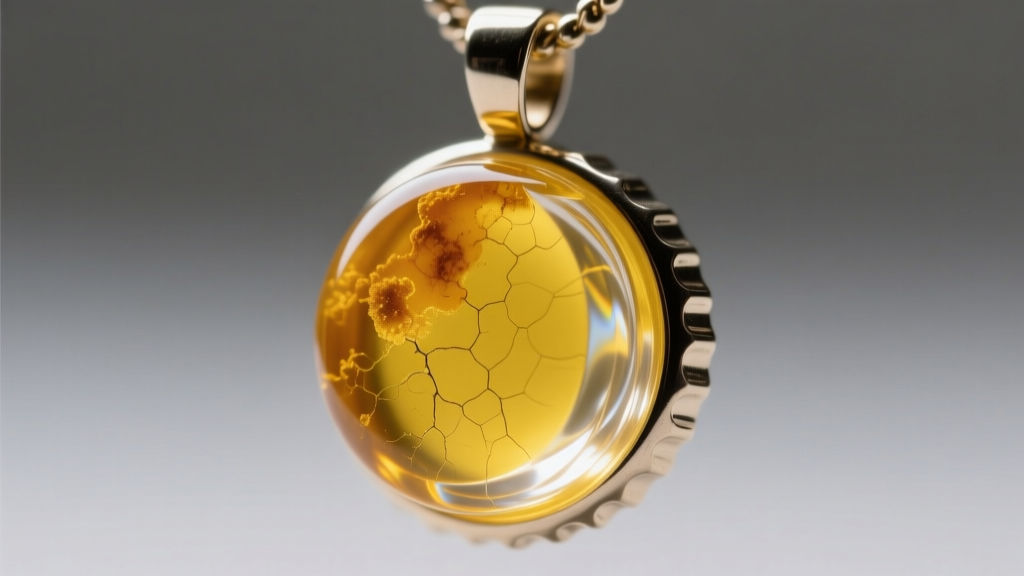
The most critical point of failure in an authentic bottle top necklace is the resin seal. The resin protects the paper collage from moisture and gives the pendant a glass-like dome. Not all resins are created equal, and choosing the wrong one guarantees a ruined pendant. According to ArtResin's material science documentation, the chemical makeup of the resin dictates its lifespan.
| Resin Type | Cure Time | UV Resistance | Longevity |
|---|---|---|---|
| Standard UV Resin | 2-5 Minutes | Poor (Yellows quickly) | 6-12 Months |
| Premium UV Resin | 5-10 Minutes | Moderate | 1-2 Years |
| Two-Part Epoxy (HALS) | 24-72 Hours | Excellent (UV Stabilized) | 5+ Years |
UV Resin is popular among amateur crafters because it cures in minutes under a UV lamp. However, standard UV resins lack advanced UV inhibitors and will inevitably yellow, turning your vibrant collage into a muddy, sepia-toned mess within months of sun exposure. Two-part epoxy resins are the gold standard for professional jewelry makers. These formulas include Hindered Amine Light Stabilizers (HALS), which drastically delay yellowing. When buying, always ask the artisan if they use a non-toxic, UV-stabilized two-part epoxy.
Print Quality and Archival Standards
The image trapped inside the resin is the soul of the necklace. Amateur sellers often use standard inkjet prints on lightweight copy paper. When liquid resin is poured over an unsealed inkjet print, the moisture causes the ink to bleed, resulting in a blurry, smeared image. Furthermore, standard paper is acidic and will yellow and degrade over time, even without UV exposure. Professional artisans use laser prints (where the toner is essentially fused plastic, making it waterproof) or heavily sealed inkjet prints on archival-quality, acid-free cardstock (at least 80lb to 110lb weight). This ensures the paper remains rigid and the colors stay vibrant for decades.
Chain Selection: Gauge, Length, and Material
A bottle top pendant is surprisingly heavy. A standard 26mm steel crown cork filled with epoxy can weigh between 15 and 25 grams. Delicate, lightweight chains will snap under this pendulum-like stress. Jewelry supply experts at Rio Grande consistently recommend matching chain tensile strength to pendant weight.
- Width & Gauge: Look for chains in the 1.5mm to 2.5mm width range. A 20-gauge (0.8mm) or 18-gauge (1.0mm) chain provides the necessary tensile strength to support the heavy cap.
- Chain Style: Cable chains and curb chains are excellent for their durability and resistance to kinking. Rope chains offer a more intricate, vintage look that complements the industrial vibe of the bottle cap.
- Clasp Hardware: Ensure the clasp is a sturdy lobster claw rather than a fragile spring ring, which can easily deform and pop open under the weight of the pendant.
Hardware and Bail Attachment Mechanics
How the pendant connects to the chain is just as vital as the chain itself. The 'bail' is the loop that feeds the chain through the pendant. Many mass-produced or amateur bottle top necklaces use glue-on pad bails. These feature a flat metal pad that is glued to the back of the bottle cap. This is a catastrophic design flaw. The back of a bottle cap is textured, curved, and often coated in residual oils or plastics that reject adhesives. Over time, body heat and gravity will cause the glue to fail, resulting in the loss of your pendant.
The only acceptable attachment methods for an authentic bottle top necklace are:
- Drilled Hole Bail: A hole is drilled through the top ridge of the cap, and a metal jump ring or specialized screw-in bail is inserted.
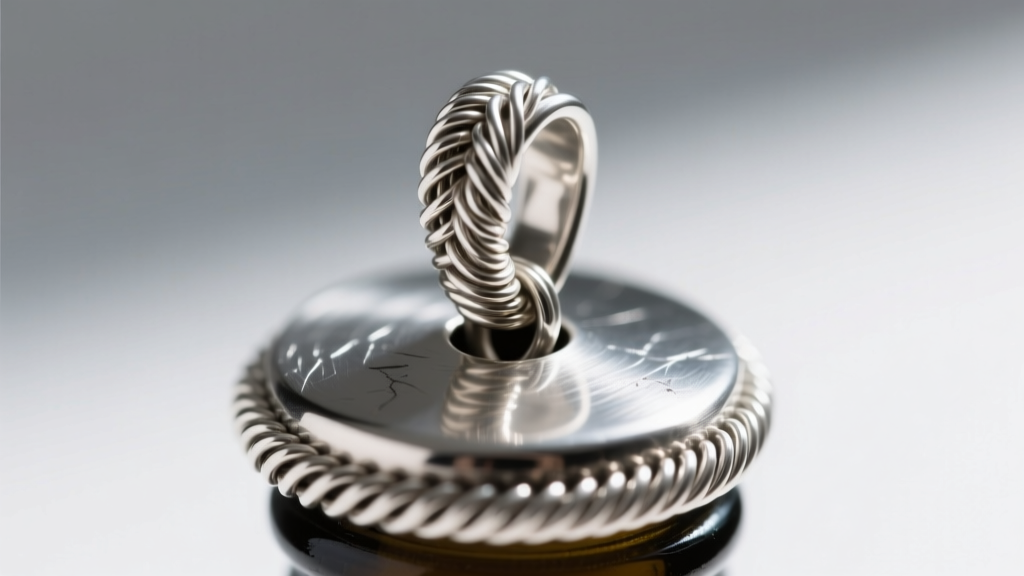
- Wire Wrapping: Heavy-gauge wire (usually 20-gauge or 18-gauge copper or silver) is wrapped securely around the neck and ridges of the cap, creating an integrated, mechanical loop that cannot be pulled off without cutting the wire.
Always inspect product photos closely to ensure the bail is mechanically anchored, not merely glued.
Sizing, Proportions, and Layering
Bottle caps typically measure 26mm (1 inch) in diameter. While this is a standard, versatile size for a pendant, some artisans use larger custom molds shaped like bottle tops. Consider your neckline and body proportions. A 26mm pendant sits perfectly on a 16-inch or 18-inch choker or princess-length chain, resting right at the collarbone. If you are layering the bottle top necklace with other chains, ensure it is the heaviest, lowest-hanging piece (e.g., on a 20-inch or 22-inch chain) to prevent the chains from tangling and the metal caps from scratching your other jewelry.
Care, Maintenance, and Longevity
Even the highest quality epoxy resin will eventually micro-scratch. To maintain the glass-like finish of your bottle top necklace, wipe it down with a microfiber cloth after wearing it to remove skin oils and lotions, which can degrade the resin's surface over time. Never use chemical jewelry cleaners, alcohol, or ammonia on the resin dome, as these solvents will cause clouding and chemical breakdown. If the pendant is an authentic steel cap, remove it before swimming in chlorinated pools or the ocean, as salt and chlorine can accelerate rusting on any exposed, unsealed metal edges.
Final Verdict: What to Look For Before Checkout
When investing in a bottle top necklace, look beyond the novelty of the design. Prioritize pendants that utilize UV-stabilized two-part epoxy, archival laser prints, and mechanically anchored bails. By understanding the metallurgy of the cap and the chemistry of the seal, you can confidently select a piece of upcycled jewelry that will remain vibrant, intact, and stylish for years to come.


