Best Materials for a BoyMom Necklace: Durability Guide
Discover the best metals for a boymom necklace. We compare 14k gold, titanium, and sterling silver for tarnish resistance, strength, and toddler safety.

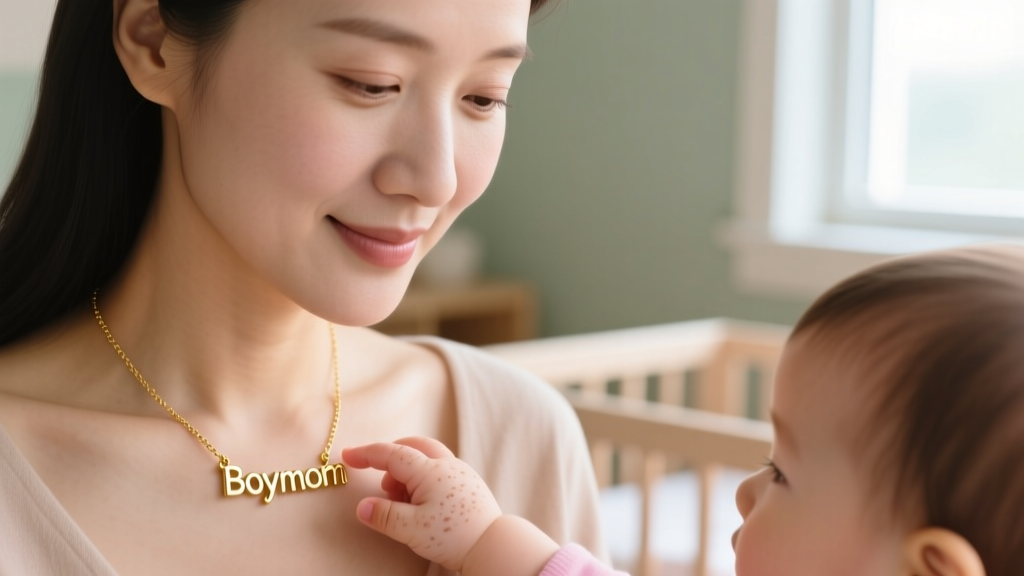
The Reality of Wearing a BoyMom Necklace Daily
The modern boymom necklace is more than just a sentimental piece of jewelry featuring initials, birthstones, or custom engravings; it is a daily uniform for mothers navigating the beautiful chaos of raising active children. However, the environment in which these necklaces are worn is incredibly hostile to fine metals. Between exposure to chlorinated pool water, acidic sweat, lotions, and the inevitable "toddler yank," a mother's necklace faces mechanical and chemical stresses that would ruin standard fashion jewelry in weeks.
When selecting the perfect piece in 2026, you must look beyond the aesthetic appeal of the pendant and critically evaluate the metallurgical properties of the chain and findings. A delicate 18k gold chain might look stunning in a velvet box, but it possesses a low Vickers Hardness (HV) rating that makes it highly susceptible to stress corrosion cracking and snapping under sudden tensile force. In this comprehensive guide, we break down the exact material grades, alloy compositions, and structural mechanics you need to consider to ensure your necklace survives the playground.
Material Showdown: Hardness, Tarnish, and Safety
Not all metals are created equal. The Gemological Institute of America (GIA) emphasizes that the durability of gold jewelry is entirely dependent on its alloyed metals. Let us examine the top four materials used for personalized mother's jewelry and how they perform under extreme daily wear.
14k Solid Gold: The Heirloom Standard
For a boymom necklace, 14k solid gold (58.5% pure gold alloyed with copper, silver, and zinc) is the undisputed champion of longevity and value retention. The addition of copper and silver increases the metal's Vickers Hardness to approximately 130-150 HV, making it significantly more resistant to scratching and denting than 18k gold (which sits around 120 HV). Furthermore, 14k gold will not flake, peel, or cause green discoloration on the skin, which is a common failure mode with gold-plated alternatives. While the upfront cost is higher (typically ranging from $250 to $600 for a quality chain and pendant), its ability to withstand decades of daily abuse without requiring replating makes it a true heirloom piece.
316L Surgical Stainless Steel: The Budget Workhorse
If solid gold is outside your budget, 316L surgical stainless steel is the most robust alternative. The "L" stands for low carbon, and this specific marine-grade alloy contains 2-3% molybdenum, which drastically increases its resistance to pitting corrosion from chlorides (like sweat and swimming pool water). With a Vickers Hardness rating of 150-200 HV, a 316L steel chain is virtually impossible for a toddler to snap via pulling alone. It is also highly hypoallergenic, though those with severe, clinically diagnosed nickel allergies should still exercise caution, as steel contains trace amounts of nickel bound within the chromium oxide passive layer.
Grade 23 Titanium: The Hypoallergenic Tank
Titanium is legendary in the body-modification and medical implant communities for its absolute biocompatibility. For jewelry, Grade 23 (Ti-6Al-4V ELI) is the premium standard. It boasts an incredible strength-to-weight ratio and a hardness rating exceeding 350 HV. A titanium boymom necklace will never tarnish, rust, or react with your skin's pH levels, making it the ultimate choice for mothers with severe metal sensitivities. The primary drawback is that titanium cannot be easily resized or soldered by a traditional bench jeweler if a link breaks, meaning laser-welding technology is required for repairs.
Sterling Silver (925): The High-Maintenance Classic
Sterling silver is a beloved classic, but it is metallurgically ill-equipped for the rigorous demands of active motherhood. Composed of 92.5% silver and 7.5% copper, the copper content makes it highly reactive to sulfur and moisture, leading to rapid oxidation (tarnish). While many modern silver chains are plated with rhodium to delay this process, the plating will inevitably wear off at the friction points near the clasp and pendant bail within 6 to 12 months of daily wear. If you choose silver, you must commit to weekly polishing and strict removal before bathing or swimming.
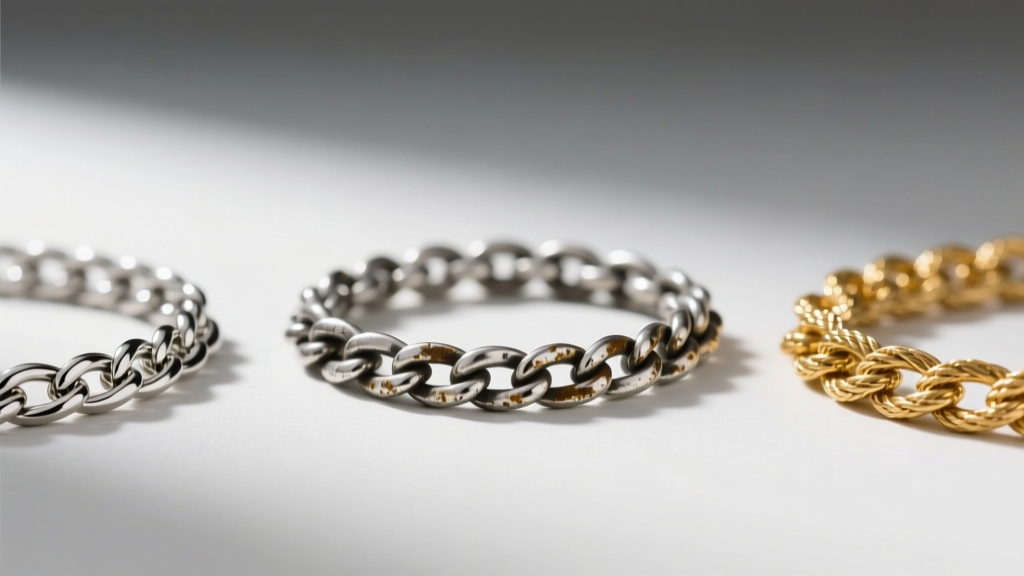
Comprehensive Material Comparison Chart
To help you make a data-driven decision, we have compiled the core metallurgical and practical metrics for each metal type commonly used in personalized pendants and chains.
| Material | Vickers Hardness (HV) | Tarnish Risk | Avg. Price Range (18" Chain) | Best Use Case |
|---|---|---|---|---|
| 14k Solid Gold | 130 - 150 | None | $250 - $600 | Lifetime daily wear, heirloom gifts |
| 18k Solid Gold | 115 - 125 | None | $450 - $900 | Occasional wear, luxury aesthetics |
| 316L Steel | 150 - 200 | Very Low | $30 - $80 | Budget-friendly, high-impact environments |
| Grade 23 Titanium | 330 - 360 | None | $60 - $150 | Severe metal allergies, ultra-lightweight needs |
| 925 Sterling Silver | 60 - 70 | High | $40 - $120 | Low-sweat environments, evening wear |
Chain Gauges and Clasp Mechanics: Preventing the Snap
The metal alloy is only half the battle; the physical geometry of the chain dictates its tensile strength. A common and heartbreaking failure mode for a boymom necklace is the chain snapping when a toddler grabs the pendant and pulls downward. The sudden kinetic force of a 30-pound toddler yanking a chain can generate over 15 pounds of localized tensile stress on the weakest link.
Selecting the Right Gauge
Most delicate jewelry chains range from 0.8mm to 1.0mm in thickness. While dainty, these gauges will easily snap under 4 to 6 pounds of direct force. For a mother's daily wear necklace, you must select a chain with a minimum thickness of 1.5mm to 2.0mm. Furthermore, the chain style matters immensely. Cable chains and rope chains distribute mechanical stress across multiple interlocking planes, whereas snake chains and herringbone chains are notoriously fragile; a single kink in a herringbone chain compromises its structural integrity permanently.
The Clasp and Jump Ring Vulnerability
The weakest point of any necklace is not the chain itself, but the jump ring connecting the chain to the clasp. Standard open jump rings can easily be pulled apart. When purchasing or commissioning a custom piece, always ensure the jeweler uses a soldered closed jump ring on at least one end of the chain, paired with a heavy-duty lobster clasp rather than a fragile spring ring. The London Assay Office hallmarking standards often dictate strict precious metal purity rules, but structural soldering is a bench-jeweler specification you must explicitly request.
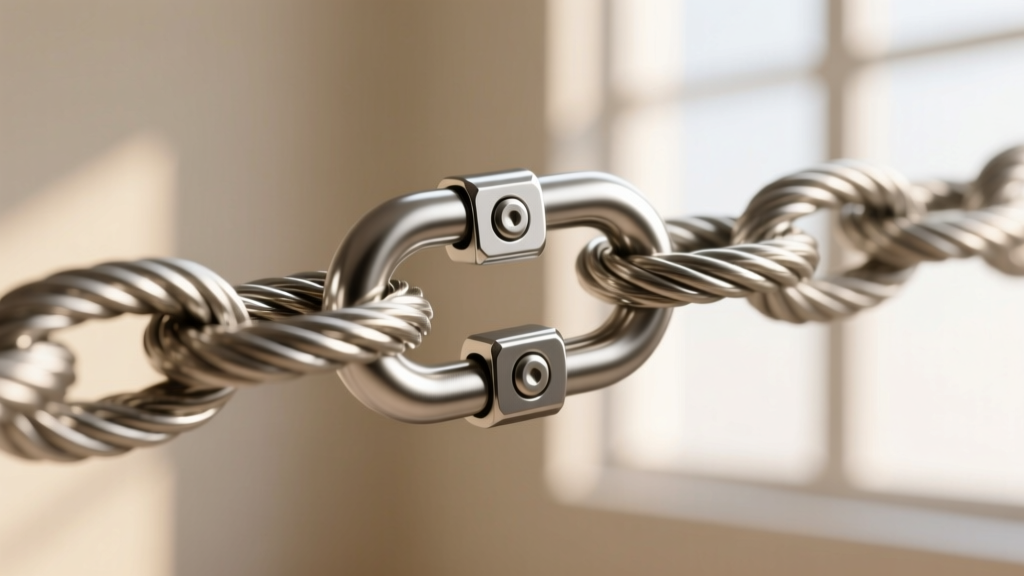
Breakaway Safety Modifications for Active Moms
While a 1.5mm 14k gold rope chain is strong enough to survive a toddler's pull, this introduces a secondary hazard: if the chain does not break, the sudden force can cause severe whiplash or skin abrasion to the mother's neck. To balance jewelry preservation with physical safety, many active mothers are adopting breakaway modifications.
- Magnetic Safety Clasps: Replacing the standard lobster clasp with a high-grade neodymium magnetic breakaway clasp ensures that if the pendant is grabbed with more than 5 pounds of force, the clasp safely detaches, saving both your neck and the chain from permanent deformation.
- Silicone Tension Links: Some custom jewelers now incorporate a discreet, medical-grade silicone link near the clasp. This acts as a mechanical fuse, designed to stretch and snap under extreme duress, which can be easily and cheaply replaced compared to repairing a shattered gold chain.
- The "Slip Knot" Bail: Instead of soldering the pendant permanently to the chain, using an oversized bail that allows the chain to slip through the pendant freely can sometimes reduce the mechanical leverage a child can apply to the back of the neck.
Final Verdict: Which Metal Wins?
If you are investing in a personalized boymom necklace meant to be worn through the toddler years, preschool drop-offs, and beyond, 14k solid gold paired with a 1.5mm rope or cable chain remains the ultimate choice. It offers the perfect synthesis of heirloom value, scratch resistance, and immunity to environmental corrosion. For mothers on a stricter budget or those who work in environments with heavy chemical exposure (such as healthcare workers who frequently use harsh sanitizers), 316L surgical stainless steel provides unparalleled mechanical strength and peace of mind at a fraction of the cost. Avoid sterling silver for daily, high-activity wear, and reserve ultra-pure 18k or 22k gold for special occasions where the risk of a sudden "toddler yank" is minimal.


