Buying a Purple Amethyst Necklace: The Ultimate Guide
Discover what to look for when buying a purple amethyst necklace. Learn about color grades, clarity, chain pairings, and how to spot lab-grown stones.

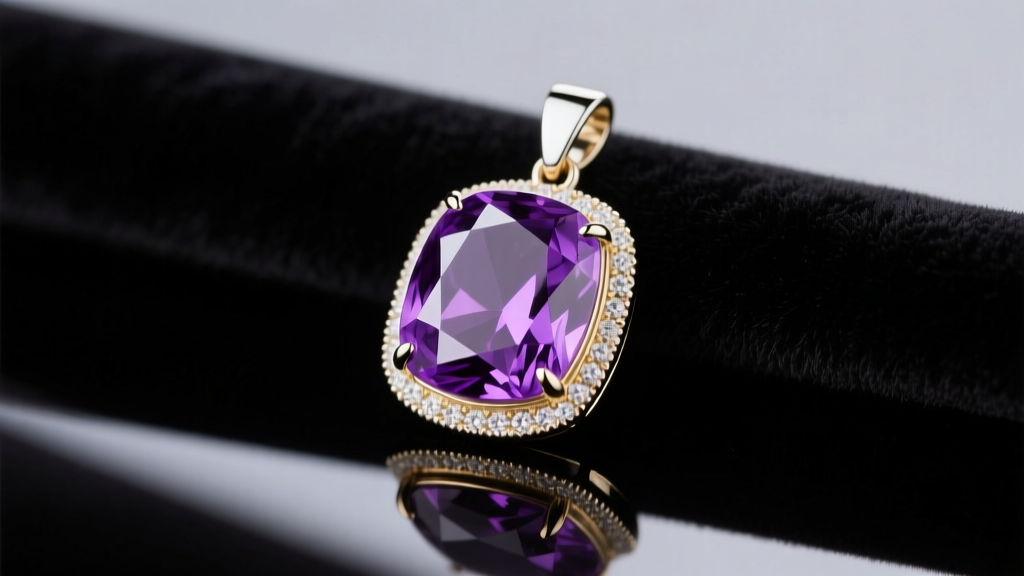
Understanding Amethyst Color Grading
When shopping for a purple amethyst necklace, color is the single most critical value factor. Amethyst is a purple variety of quartz, but not all purple quartz is created equal. The market is flooded with pale, washed-out stones that lack the visual depth required for a statement pendant. To make an informed purchase, you must understand the gemological standards that separate commercial-grade jewelry from fine gemstones.
The 'Siberian' Standard vs. Commercial Grades
The most prized amethyst color is historically referred to as 'Siberian' purple. This designation does not necessarily mean the stone was mined in Siberia; rather, it describes a specific color profile: a deep, vivid purple with secondary flashes of red and blue under incandescent light. According to the Gemological Institute of America (GIA), the ideal hue sits around 75-80% primary purple, with 15-20% secondary red or blue tones. Stones that fall below this threshold often appear grayish or overly brown, drastically reducing their market value.
On the opposite end of the spectrum is 'Rose de France' amethyst. This trade term describes pale, lilac-colored stones. While they offer a soft, romantic aesthetic and are highly affordable (often under $15 per carat), they lack the saturation and brilliance of higher-grade stones. If you are investing in a center-stone pendant meant to catch the eye, prioritize medium-dark tones with high saturation over pale pastels.
Clarity, Cut, and the 'Window' Flaw
Amethyst is classified as a Type II gemstone, meaning it typically forms with some natural inclusions. However, because the rough material is relatively abundant and large crystals are common, there is no excuse for visible inclusions in a faceted purple amethyst necklace pendant. You should demand an 'eye-clean' stone, free of dark mineral crystals, fractures, or milky cloudiness that obstructs light return.
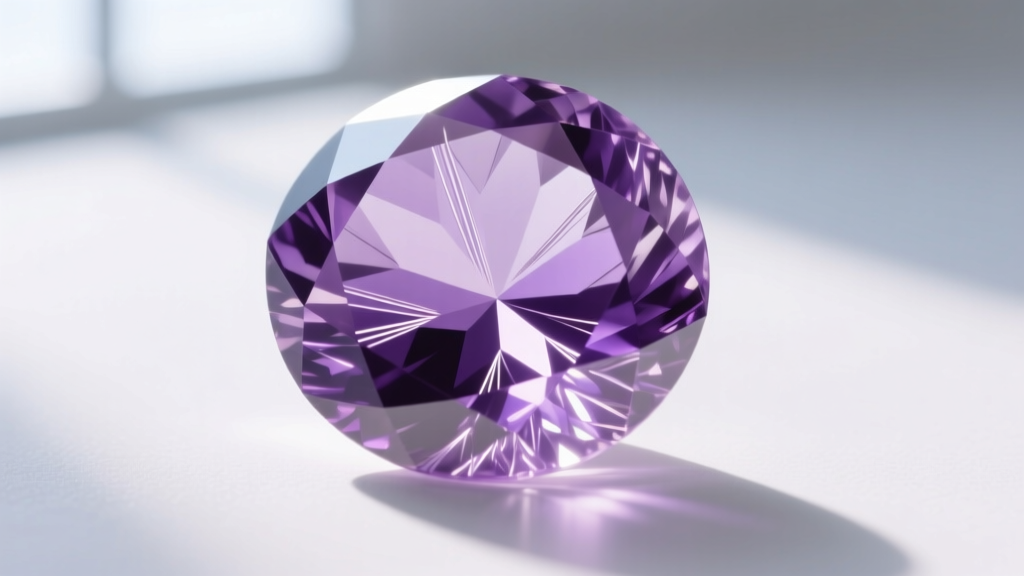
The cut of the amethyst is equally vital. A common failure mode in mass-produced amethyst jewelry is 'windowing.' This occurs when a lapidary cuts the pavilion (the bottom of the stone) too shallow to save carat weight. The result is a dead, washed-out zone in the center of the gem where light leaks straight through rather than reflecting back to the viewer's eye. When inspecting a pendant, tilt it under direct light. If the center looks like a transparent pane of glass rather than a mirror of purple fire, the stone is poorly cut. Opt for oval, cushion, or pear cuts with deep pavilions, as these shapes maximize the stone's natural color saturation.
Amethyst Color Grade & Market Pricing Matrix
| Color Grade | Hue & Tone | Saturation | Estimated Price (Per Carat) |
|---|---|---|---|
| Rose de France | Light Lilac / Pale Purple | Weak to Moderate | $5 - $15 |
| Medium Commercial | Medium Purple | Moderate | $20 - $40 |
| Fine Siberian | Deep Purple w/ Red Flashes | Strong to Vivid | $50 - $100+ |
| Dark / Ink Purple | Very Dark Purple | Strong (but tones out) | $30 - $60 |
Chain Metallurgy and Setting Security
The gemstone is only half of the equation; the chain and setting dictate the necklace's longevity. Amethyst ranks at a 7 on the Mohs hardness scale. While this makes it relatively durable, it is important to remember that household dust contains quartz particles, which are also a 7. Over years of daily wear, an exposed amethyst can develop micro-scratches that dull its polish. For a necklace intended for everyday wear, a bezel setting is vastly superior to a traditional prong setting, as it protects the vulnerable girdle of the stone from impacts and abrasion.
Silver vs. Gold Pairings
When selecting the metal for your chain and setting, consider the undertone of your specific amethyst. Sterling silver (.925) and white gold (14k or 18k) provide a crisp, high-contrast backdrop that enhances the cool, blue-leaning secondary flashes of a Siberian amethyst. However, if your stone leans warmer with prominent red or brownish secondary hues, a 14k yellow gold or rose gold chain will harmonize beautifully with the gemstone's internal fire.
Pay close attention to the chain thickness. A heavy, 10-carat amethyst pendant requires a robust chain. A delicate 0.8mm box chain will eventually snap under the pendulum motion of a heavy stone. Look for a 1.2mm to 1.5mm rope or wheat chain, and ensure the clasp is a secure lobster claw rather than a fragile spring-ring mechanism. The American Gem Society (AGS) frequently advises buyers to match the structural integrity of the chain to the carat weight of the pendant to prevent catastrophic loss.
Natural vs. Lab-Created: What You Need to Know
As of 2026, hydrothermal synthetic amethyst has become incredibly sophisticated. Lab-created amethyst shares the exact same chemical composition (SiO2) and physical properties as natural earth-mined quartz, but it is produced in a fraction of the time and costs significantly less. There is nothing inherently wrong with purchasing a lab-grown purple amethyst necklace, provided you are paying a fair, synthetic-appropriate price.
The danger lies in misrepresentation. To the naked eye, a high-quality synthetic amethyst is indistinguishable from a natural one. However, under magnification, natural amethyst often displays angular color zoning (stripes of alternating dark and light purple) and unique inclusions like 'tiger stripes' or two-phase liquid-gas inclusions. Synthetic stones, conversely, often exhibit 'bread crumb' inclusions or unnatural, curved color banding. If a vendor is selling a massive, flawless, deeply saturated 'Siberian' amethyst pendant for under $100, you are almost certainly looking at a lab-grown stone or a heat-treated piece of pale quartz. Always request a gemological report for high-ticket natural pieces.
The Final Pre-Purchase Checklist
Before finalizing your purchase, run the necklace through this rigorous quality-assurance checklist:
- Color Verification: View the stone in both natural daylight and warm indoor lighting to check for undesirable brown or gray modifiers.
- Windowing Check: Tilt the pendant 45 degrees. Ensure the center of the stone reflects color and does not look transparent or 'dead'.
- Inclusion Scan: Inspect the stone with a 10x jeweler's loupe. Reject stones with surface-reaching fractures, as these can split if the necklace is accidentally dropped.
- Setting Security: Gently tap the stone with a wooden toothpick. If it rattles, the prongs or bezel are loose and require immediate jeweler intervention.
- Chain Clasp Test: Open and close the lobster clasp. It should snap back with a firm, spring-loaded resistance, not a sluggish, weak return.
- Origin Disclosure: Ensure the receipt explicitly states whether the amethyst is 'Natural' or 'Lab-Created.' Vague terms like 'Genuine Amethyst' or 'Real Quartz' are red flags for synthetic material.
By prioritizing optical precision, structural durability, and transparent sourcing, you can secure a purple amethyst necklace that serves as a brilliant, enduring staple in your jewelry collection for decades to come.


