Fixing a Butterfly Pearl Necklace: Troubleshooting & Care
Is your butterfly pearl necklace tarnished or broken? Learn expert troubleshooting tips to fix clasps, restore dull pearls, and repair enamel wings.

The Anatomy of a Butterfly Pearl Necklace (And Where It Fails)
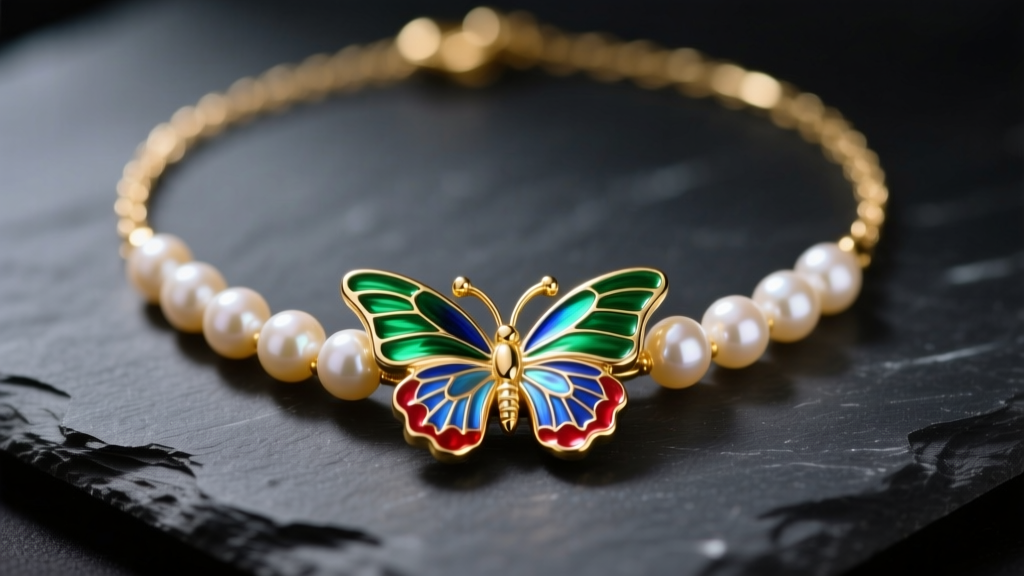
The butterfly pearl necklace is a beloved staple in modern jewelry boxes, seamlessly blending organic elegance with whimsical design. However, the intersection of delicate materials makes these pieces highly susceptible to specific types of damage. A typical design features a central freshwater or Akoya pearl (Mohs hardness 2.5 to 4.5) cradled in a sterling silver or gold-vermeil bezel, flanked by enamel-coated butterfly wings, all suspended on a micro-cable chain.
Because pearls are composed of calcium carbonate and conchiolin, they react poorly to the same chemicals used to clean the surrounding metals. Furthermore, the intricate enamel work on the butterfly motif is prone to micro-chipping. In this comprehensive 2026 troubleshooting guide, we will break down the most common failure points of your butterfly pearl necklace and provide actionable, jeweler-grade solutions to restore it.
Troubleshooting Pearl Dullness and Discoloration
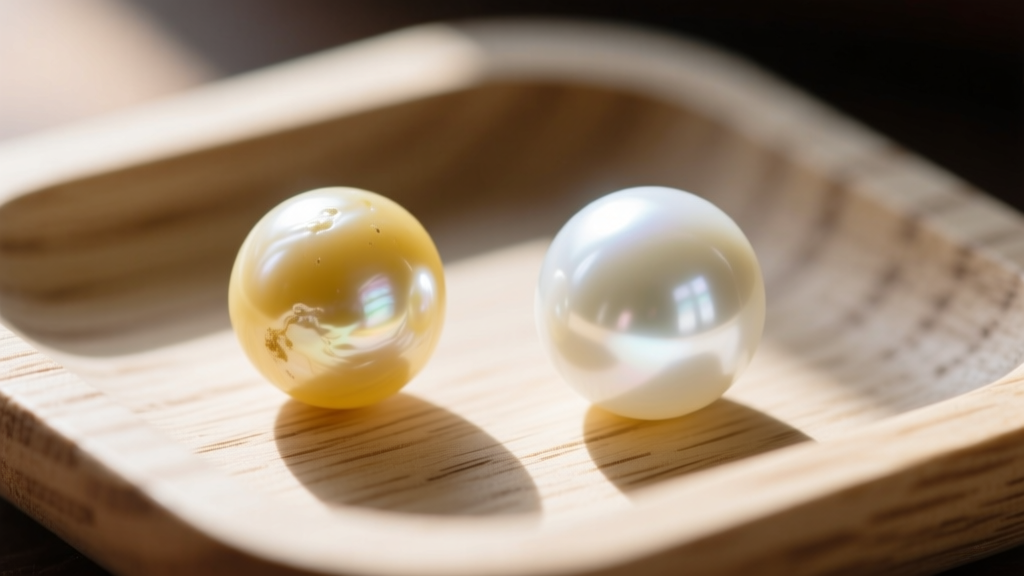
The most frequent complaint regarding pearl jewelry is a loss of luster or a yellowish tint. Pearls are porous and highly sensitive to acidic environments. Daily exposure to skin pH, perfumes, and hairsprays slowly dissolves the outer layers of nacre, leaving the pearl looking chalky and dull.
The Diagnosis: Stripped Nacre vs. Surface Grime
Before attempting a fix, determine if the dullness is surface-level or structural. If the pearl feels gritty and looks unevenly cloudy, it is likely covered in cosmetic buildup. If it appears uniformly yellowed and chalky, the nacre may be permanently degrading. According to the Gemological Institute of America (GIA), pearls require a highly specific, non-chemical cleaning approach to prevent irreversible etching.
The Solution: Safe Restoration Protocol
- Surface Grime: Dampen a lint-free microfiber cloth with distilled water (never tap water, which contains chlorine). Gently wipe the pearl in a circular motion. Allow it to air dry completely before storing.
- Stubborn Oils: Use a drop of mild, pH-neutral castile soap on the damp cloth. Wipe gently, then use a second cloth dampened only with distilled water to 'rinse' the pearl.
- What to Avoid: Never use ultrasonic cleaners, steamers, or commercial silver dips. The high-frequency vibrations of an ultrasonic cleaner will shatter the nacre layers, and acidic dips will dissolve the pearl entirely.
Fixing Enamel Chips on the Butterfly Motif
The wings of a butterfly pendant are typically finished in either vitreous (kiln-fired glass) enamel or cold enamel (a pigmented jewelry resin). Cold enamel is far more common in contemporary, accessible price points ($50–$250), but it is also softer and prone to chipping upon impact.
DIY Resin Touch-Ups for Cold Enamel
If your butterfly wing has a small chip, you can perform a micro-repair at home using modern UV-curing jewelry resins.
- Clean the chipped area with a cotton swab dipped in isopropyl alcohol to remove skin oils.
- Select a UV resin pigment that matches the wing color. For opaque white or black wings, use highly pigmented drops; for translucent wings, use alcohol inks.
- Using a fine-tipped dental tool or a toothpick, apply a microscopic drop of resin into the chip, ensuring it is level with the surrounding metal bezel.
- Cure the resin under a 36W UV nail lamp for 60 seconds.
- Lightly buff the cured resin with a 12,000-grit micro-mesh pad to blend the finish.
Note: If your piece features vitreous enamel (common in luxury pieces over $1,000), do not attempt a DIY fix. Vitreous enamel requires a professional kiln firing at approximately 1,400°F (760°C).
Chain Tangling and Clasp Failures
The structural integrity of a butterfly pearl necklace often fails at the chain and clasp. Many manufacturers use ultra-delicate 0.8mm or 0.9mm cable chains to maintain a 'barely-there' aesthetic, but these lack the tensile strength to support the weight of a solid pearl and metal butterfly pendant during daily wear.
Upgrading the Chain and Hardware
If your chain frequently knots or the jump ring pulls apart, it is time for a hardware upgrade. Consult the table below to understand the tensile limitations of common chain gauges used in pearl pendants.
| Chain Width | Wire Gauge (Approx.) | Tensile Strength | Best Use Case |
|---|---|---|---|
| 0.8mm | 24-Gauge | Very Low (Snaps under 2 lbs) | Ultra-lightweight micro pendants only |
| 1.2mm | 20-Gauge | Moderate (Holds up to 5 lbs) | Ideal for standard pearl & butterfly motifs |
| 1.5mm | 18-Gauge | High (Holds up to 8+ lbs) | Heavy gemstone pendants, daily wear |
To fix a failing clasp, replace the standard 4mm spring ring with a 5mm or 6mm lobster clasp. Spring rings are notorious for internal spring failure, leaving the necklace vulnerable to loss. When replacing the clasp, ensure the jeweler uses a soldered jump ring rather than an open split ring, as detailed in industry standards by suppliers like Rio Grande. A soldered ring eliminates the gap that allows thin chains to slip through.
Restoring Tarnished Metal Settings
Sterling silver butterfly settings are highly reactive to sulfur in the air, forming black silver sulfide. Gold vermeil (a thick layer of gold over sterling silver) can also wear thin at high-friction points, exposing the tarnishing silver beneath.
Safe Polishing Techniques
The primary challenge in removing tarnish from a butterfly pearl necklace is protecting the pearl during the process. Liquid silver cleaners and chemical tarnish-removal baths will strip the pearl's orient (its iridescent optical effect) in seconds.
Expert Rule of Thumb: Never submerge a pearl necklace in any liquid chemical solution. Always polish the metal components while avoiding direct contact with the pearl.
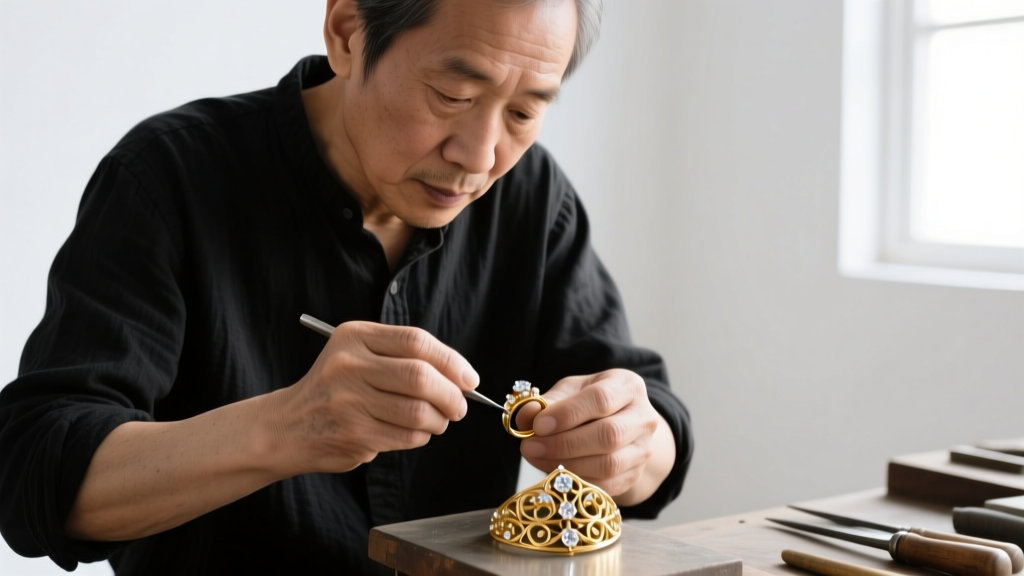
Use a dry, treated silver polishing cloth (impregnated with micro-abrasives and anti-tarnish agents). Fold the cloth to a fine point to reach the intricate crevices of the butterfly's antennae and wing veins. If the gold vermeil has completely worn off the high points of the wings, the piece will need to be professionally re-plated. A reputable jeweler will mask the pearl with a protective lacquer before submerging the metal setting in an electroplating bath.
Preventative Maintenance Framework
Troubleshooting is only half the battle; preventing damage ensures your butterfly pearl necklace survives for decades. Implement this strict maintenance framework:
- The 'Last On, First Off' Rule: Pearls must never come into contact with cosmetics, lotions, or perfumes. Put your necklace on only after your beauty routine is complete, and remove it immediately upon returning home.
- Hydration Control: Pearls require a slight amount of ambient moisture to prevent the conchiolin from drying out and cracking. Avoid storing them in airtight plastic bags or safety deposit boxes for years on end.
- Proper Storage: Store the necklace flat in a soft, untreated cotton pouch. Hanging the necklace can cause the delicate chain to stretch or the silk thread (if knotted) to weaken over time. Include a 3M anti-tarnish strip in the storage box to neutralize airborne sulfur.
By understanding the unique material science behind your butterfly pearl necklace, you can confidently troubleshoot common issues and preserve the luminous beauty of both the nacre and the intricate metalwork for years to come.


