Baroque Pearl Necklaces: 2026 Trend & Styling Analysis
Discover how baroque pearl necklaces dominate 2026 jewelry trends. Learn expert styling frameworks, nacre grading, treatments, and layering techniques.

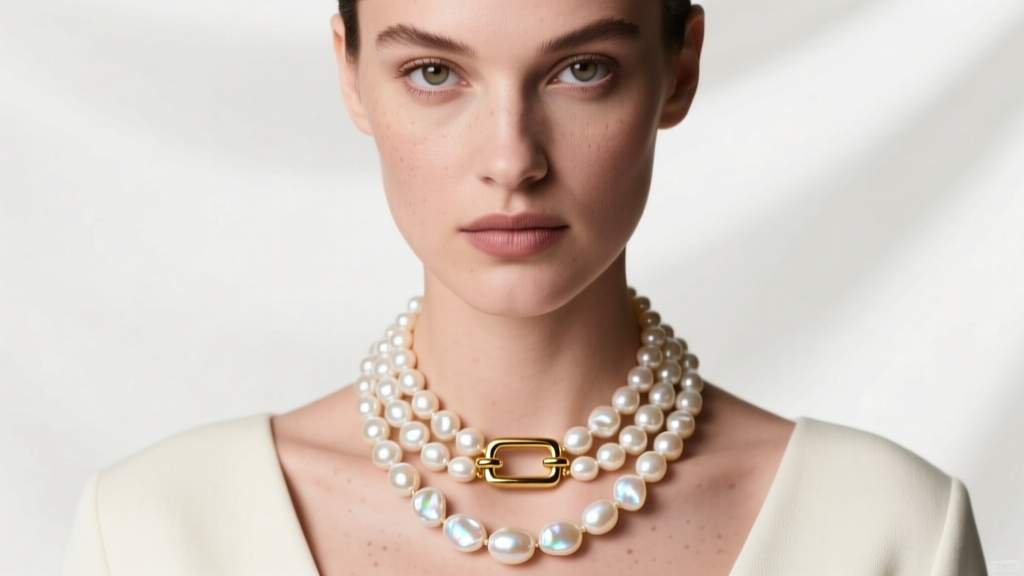
The Renaissance of Irregularity: Why Baroque Pearls Dominate 2026
For decades, the fine jewelry industry has been obsessively anchored to spherical perfection. The pursuit of the perfectly round Akoya pearl dictated market standards, pricing premiums, and bridal traditions. However, as we navigate the 2026 jewelry landscape, a definitive shift has occurred. Baroque pearl necklaces—celebrated for their organic, asymmetrical, and entirely unique shapes—have moved from the fringes of avant-garde design into the mainstream luxury spotlight. This is not merely a fleeting seasonal trend; it is a fundamental recalibration of how modern consumers value organic gemstones.
According to recent market analyses and gemological trend forecasting from institutions like the Gemological Institute of America (GIA), the contemporary collector heavily prioritizes individuality and visible nacre quality over geometric symmetry. Baroque pearls, which naturally account for a significant percentage of both freshwater and saltwater harvests, offer a complex canvas of light-play that round pearls simply cannot replicate. Their undulating surfaces create a dynamic, mirror-like luster, bouncing light across ridges and valleys in a way that dramatically highlights the pearl's natural orient and overtone.
Decoding Baroque Pearl Grades, Nacre, and Pricing
When investing in baroque pearl necklaces, understanding the biological and structural differences between freshwater and saltwater variants is critical. Unlike round pearls, where surface blemishes severely impact monetary value, baroque pearls are graded primarily on luster, nacre thickness, and the aesthetic appeal of their unique topography.
Freshwater baroque pearls are typically tissue-nucleated, meaning they are composed of solid nacre from core to surface. This results in exceptional durability and a deep, glowing luster. Saltwater baroque pearls (such as Tahitian or South Sea) are bead-nucleated. The trade minimum for Tahitian nacre thickness is 0.8mm, but premium baroque strands often boast 1.5mm to 2.0mm of nacre, creating striking peacock, aubergine, or pistachio overtones.
| Pearl Type | Average Size | Nacre Structure | 2026 Price Range (18' Strand) |
|---|---|---|---|
| Freshwater Baroque | 8mm - 12mm | Solid Nacre (Tissue Nucleated) | $150 - $800 |
| Tahitian Baroque | 9mm - 14mm | Bead Nucleated (0.8mm+ Nacre) | $1,500 - $5,500+ |
| South Sea Baroque | 12mm - 18mm | Bead Nucleated (Thick Nacre) | $3,000 - $12,000+ |
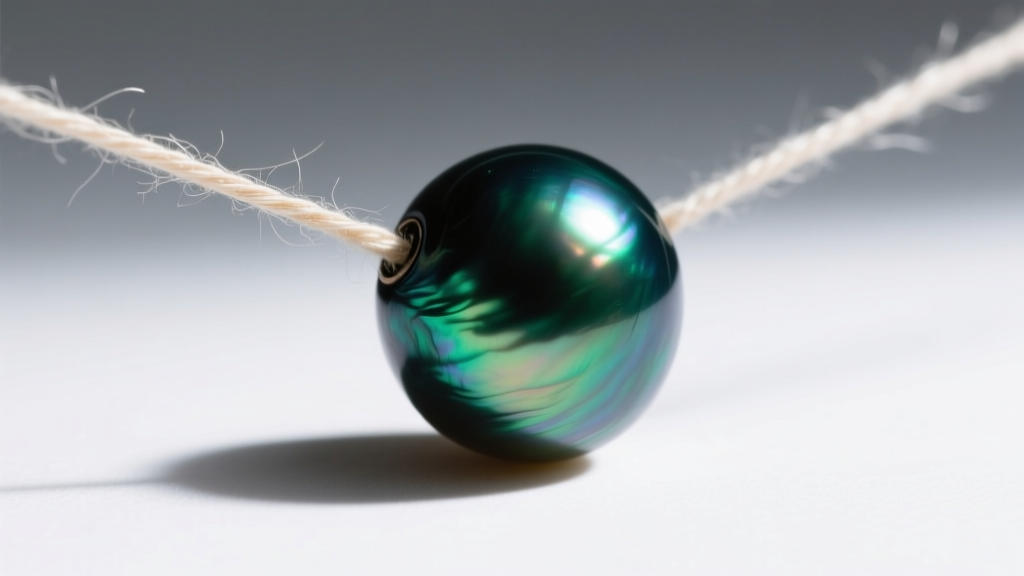
Identifying Treated vs. Natural Baroque Pearls
As demand for baroque pearl necklaces surges, the market has seen an influx of treated freshwater pearls designed to mimic the appearance of premium saltwater varieties. The most common treatments include bleaching, dyeing, and irradiation. Irradiation is frequently used on lower-grade freshwater baroques to darken the nacre, producing a metallic, silvery-blue or peacock-green hue that closely resembles expensive Tahitian pearls.
To identify irradiated or dyed pearls, examine the drill holes under a 10x jeweler's loupe. Natural Tahitian baroque pearls will display consistent color saturation and a distinct nucleus-to-nacre boundary. Treated freshwater pearls often show concentrated color pooling around the drill hole or a dark, uniform nucleus visible through the translucent nacre layers. Furthermore, natural saltwater baroques exhibit a deep, mirror-like luster, whereas heavily treated freshwater pearls can appear dull or possess an unnatural, plastic-like metallic sheen. Always request a gemological report when investing in high-ticket saltwater baroque strands.
The 2026 Layering Framework: Mixing Textures and Metals
Styling baroque pearl necklaces in 2026 requires moving beyond the traditional single-strand matinee length. The current stylistic mandate is curated asymmetry. Here is a practical framework for layering these organic gems without overwhelming the neckline.
The Rule of Opposing Textures
Because baroque pearls possess a highly organic, fluid visual weight, they must be anchored by structured, geometric metal chains. Pair a 16-inch freshwater baroque choker with an 18-inch 14k yellow gold paperclip chain and a 22-inch box chain. The rigid geometry of the metal contrasts beautifully with the undulating pearl shapes, preventing the overall look from appearing overly romantic or dated.
Hardware and Clasp Innovations
In 2026, the clasp is no longer hidden at the nape of the neck. Designers are integrating oversized, sculptural toggle clasps and diamond-encrusted carabiners directly into the front or side of baroque pearl necklaces. When purchasing or custom-stringing a baroque strand, opt for a heavy-duty 18k gold T-bar toggle. The visual weight of the gold hardware balances the irregularity of the pearls, providing a modern, industrial edge to a classically organic material.
The modern pearl wearer rejects uniformity. The beauty of the baroque shape lies in its refusal to be mass-produced; every strand is a wearable fingerprint of nature.
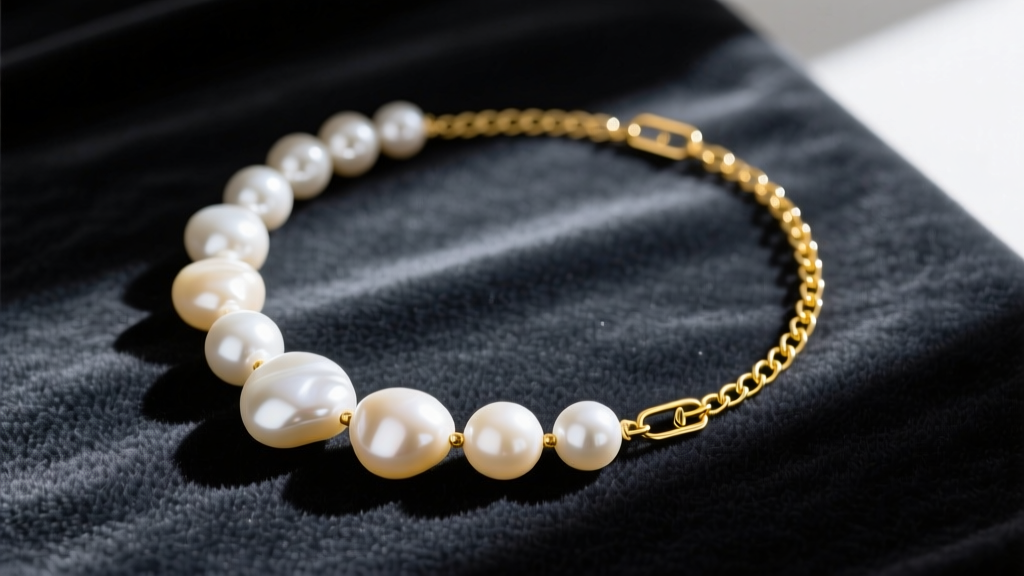
Neckline Pairing Guide for Organic Pearl Shapes
Matching the extreme contours of baroque pearls with the right garment architecture is essential for a cohesive aesthetic. Use this framework to pair your necklaces with specific necklines:
- Plunging V-Neck: Opt for a 24-to-30-inch opera-length baroque sautoir. The elongated vertical line draws the eye downward, complementing the deep V without competing for space near the collarbone.
- Crew Neck & Boat Neck: Choose a 14-to-16-inch choker featuring a single, oversized drop baroque pearl as a central focal point. The tight horizontal line of the boat neck provides a stark, modern backdrop for the pearl's organic drop.
- Asymmetrical / One-Shoulder: Utilize an off-center baroque lariat or a Y-necklace where the drop rests on the exposed collarbone, balancing the visual weight of the single sleeve.
- Structured Blazer / Lapel: Layer a 18-inch medium-baroque strand over the lapel of a tailored wool blazer, securing the look with a vintage-style pearl enhancer or slide.
Care and Maintenance for High-Nacre Baroque Pearls
Pearls are organic gemstones, ranking a mere 2.5 to 3.0 on the Mohs hardness scale. The irregular ridges and valleys of baroque pearls make them particularly susceptible to trapping oils, cosmetics, and environmental pollutants. Proper maintenance is non-negotiable to preserve the microscopic aragonite platelets that create the pearl's signature luster.
Never use ultrasonic cleaners or steamers on baroque pearl necklaces; the high-frequency vibrations can fracture the nacre or shatter the pearl entirely. Similarly, avoid ammonia-based jewelry cleaners, which will chemically strip the pearl's orient. After each wear, gently wipe the strand with a soft, slightly damp microfiber cloth to remove skin acids and sebum.
Storage is equally critical. Baroque pearls require a degree of ambient humidity to prevent the nacre from cracking or crazing. Store your necklaces flat in a soft cotton pouch—never hang them, as the silk thread will stretch over time under the weight of the irregular pearls. Additionally, keep them isolated from harder gemstones like diamonds or sapphires, which will easily scratch the delicate nacre surface upon contact.
Final Verdict: Investing in Organic Elegance
The dominance of baroque pearl necklaces in 2026 is a testament to the jewelry world's broader embrace of authenticity and organic imperfection. Whether you are investing in a high-luster Tahitian strand or layering affordable freshwater baroques with structural gold chains, these gemstones offer unparalleled versatility. By understanding nacre grading, identifying treatments, and applying modern layering frameworks, you can confidently integrate these irregular treasures into a contemporary, forward-thinking jewelry wardrobe.


