Sanrio Hello Kitty Necklace Guide 2026: Metals & Authenticity
An expert technical guide to the Sanrio Hello Kitty necklace. Analyze metal grades, enamel types, chain gauges, and authenticity markers.

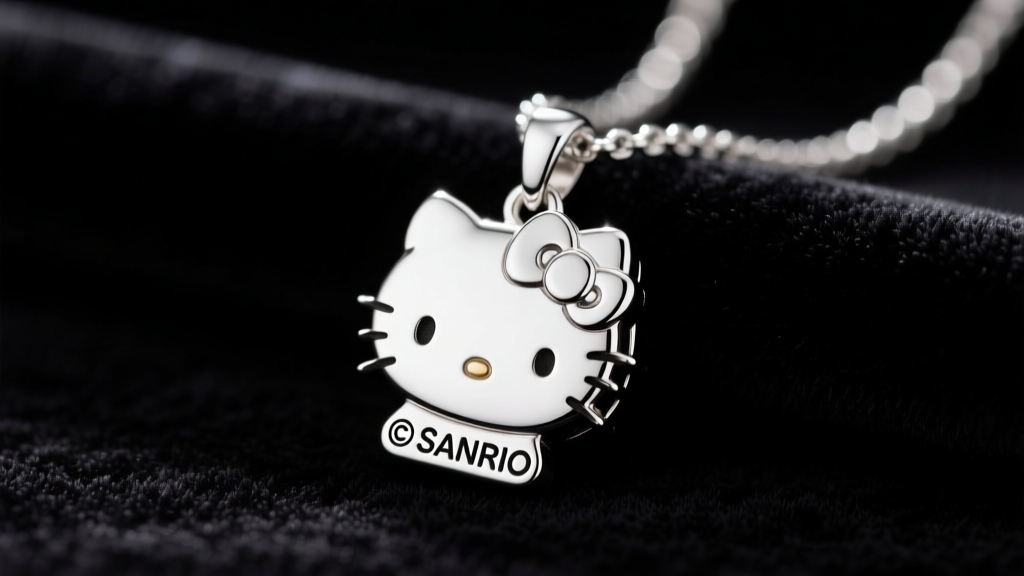
Since her inception in 1974, Hello Kitty has transcended pop culture to become a global icon, and the jewelry market reflecting this fandom has evolved dramatically. By 2026, the sanrio hello kitty necklace is no longer just a novelty item for children; it is a highly sought-after collectible and a staple of contemporary kawaii fashion. However, the surge in demand has flooded the market with varying tiers of quality, from cheap brass knockoffs to high-end sterling silver and gold vermeil pieces. For serious collectors and daily wearers alike, understanding the metallurgical and structural nuances of these necklaces is critical. This expert deep dive examines the material specifications, chain mechanics, and authentication markers that separate genuine, high-quality Sanrio jewelry from substandard imitations.
The Anatomy of an Authentic Sanrio Hello Kitty Necklace
Authenticity in licensed character jewelry goes beyond the visual design; it is rooted in precise manufacturing standards and legal hallmarks. Every genuine Sanrio Hello Kitty necklace produced for the international market must bear specific licensing stamps. The most critical marker is the © Sanrio copyright engraving. On authentic sterling silver or gold pieces, this is typically laser-etched or micro-stamped on the reverse side of the pendant or on a small, soldered metal tag located near the clasp.
The depth and clarity of this stamp are primary indicators of quality. Counterfeit manufacturers often use shallow, poorly aligned stamping that wears away within months of friction against the skin. Genuine pieces utilize deep laser etching that remains legible for decades. Furthermore, authentic pendants feature a specific weight profile. A standard solid 925 sterling silver Hello Kitty pendant (measuring approximately 15mm x 12mm) should weigh between 2.2 and 3.5 grams. Pieces that feel unusually light are often hollow-cast or made from lower-density alloys like zinc or aluminum.
Metal Composition & Enamel Specifications
The material grade dictates both the longevity and the hypoallergenic properties of the necklace. Below is a technical comparison of the most common metal configurations found in official Sanrio jewelry lines.
| Material Grade | Composition & Plating | Enamel Type | Durability & Tarnish Resistance | Avg. Price Range (2026) |
|---|---|---|---|---|
| 925 Sterling Silver | 92.5% Silver, 7.5% Copper. Often Rhodium-plated. | Epoxy Cold Enamel | High. Rhodium prevents silver sulfide tarnish. | $45 - $120 |
| 14K Gold Vermeil | 925 Silver base with minimum 2.5 microns of 14K gold. | Epoxy Cold Enamel | Medium-High. Plating will eventually wear on high-friction areas. | $85 - $180 |
| Gold-Plated Brass | Brass alloy base with flash plating (<0.5 microns). | Acrylic Resin | Low. Prone to verdigris and skin discoloration. | $15 - $35 |
When evaluating a gold-toned sanrio hello kitty necklace, it is vital to distinguish between gold vermeil and standard gold plating. According to the FTC Jewelry Guides, the term 'vermeil' strictly requires a sterling silver base coated with at least 2.5 microns of 10K, 14K, or 18K gold. Flash-plated brass pieces, often sold as 'gold dipped,' lack this silver core and will rapidly oxidize once the microscopic gold layer wears through, exposing the copper-zinc brass underneath to skin acids.
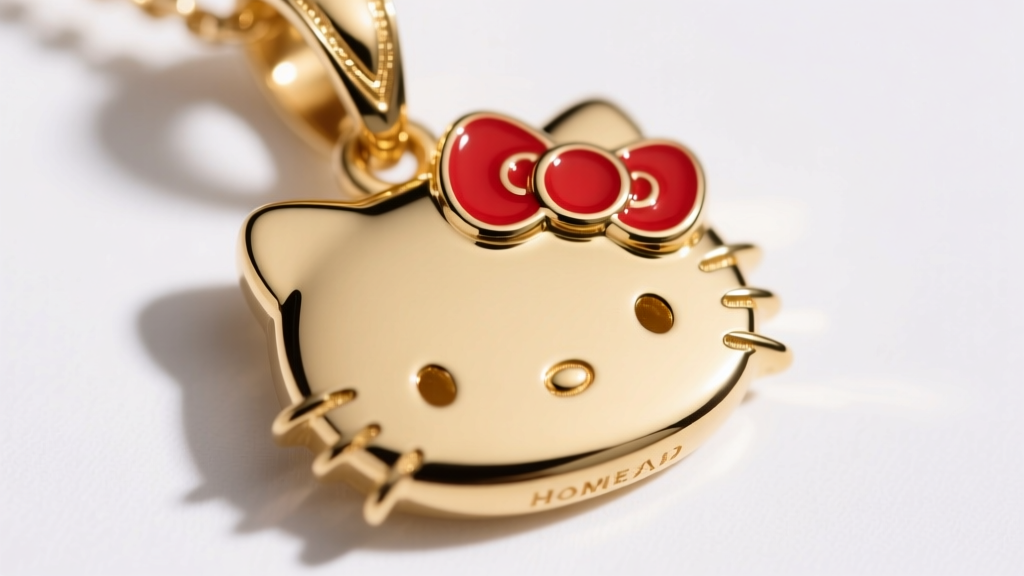
The enamel used for Hello Kitty's signature bow and clothing also varies by price point. High-end pieces utilize precision-applied epoxy cold enamel, which is cured to create a hard, glass-like finish that sits perfectly flush with the metal bezels. Cheaper variants use soft acrylic resins that often exhibit 'enamel bleed'—where the color spills over the metal dividing lines—and are prone to chipping upon impact.
Identifying Counterfeits: A Gemologist's Troubleshooting Guide
The secondary market for vintage and rare Sanrio collaborations is rife with sophisticated fakes. To authenticate a piece, jewelers and collectors rely on a multi-point inspection framework:
- The Magnet Test: Authentic 925 silver and gold are non-magnetic. If the pendant or chain exhibits any magnetic pull, it contains a ferrous metal core (like steel or iron), immediately disqualifying it as genuine precious metal.
- Jump Ring Soldering: Examine the jump ring connecting the pendant to the chain. Authentic, high-quality Sanrio necklaces feature soldered (closed) jump rings or thick, tightly wound split rings. Fakes frequently use thin, unsoldered wire rings that easily pull apart under the 3-gram weight of the pendant.
- Facial Proportions & Laser Etching: Sanrio strictly controls the geometric proportions of Hello Kitty's face. Counterfeits often feature slightly elongated faces or misaligned eyes. Additionally, genuine metal accents (like the yellow nose) are often achieved through precise PVD (Physical Vapor Deposition) coating or micro-inlay, whereas fakes simply paint over the silver.
Chain Gauge Mechanics and Clasp Engineering
A pendant is only as secure as the chain that holds it. The standard chain paired with a Sanrio Hello Kitty necklace is typically a cable or rolo chain ranging from 0.9mm to 1.2mm in thickness. While a 0.9mm chain offers a delicate, invisible aesthetic that makes the pendant appear to float, it has a lower tensile strength and can snap if snagged. A 1.2mm rolo chain provides superior structural integrity, capable of supporting heavier, gemstone-encrusted pendants without stretching the links.
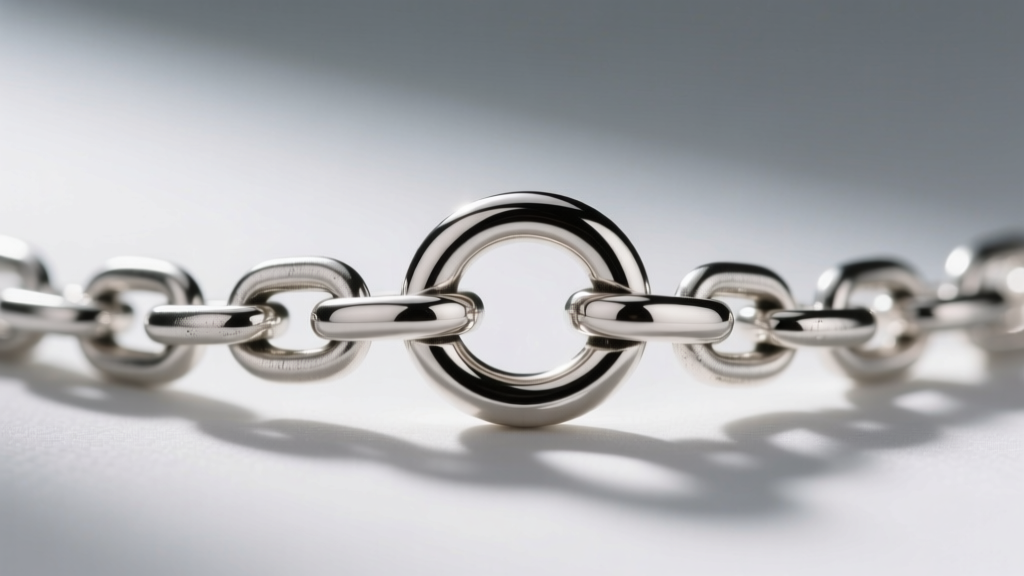
The clasp mechanism is another critical failure point. Entry-level necklaces utilize spring-ring clasps, which rely on a tiny internal steel spring that frequently jams or breaks. Premium Sanrio jewelry upgrades to the lobster claw clasp, which features a solid, spring-loaded lever that locks securely. When inspecting a lobster clasp, ensure the swivel joint at the base rotates smoothly and that the jump ring attaching it to the chain is fully soldered shut.
Gemstone Accents: Zirconia vs. Crystal Glass
In recent years, Sanrio has released premium 'fine jewelry' lines featuring pavé-set stones on Hello Kitty's bow or dress. It is essential to differentiate between cubic zirconia (CZ), Swarovski-style cut crystal, and standard glass. Authentic premium lines use precision-cut cubic zirconia, which possesses a refractive index of 2.15, offering exceptional brilliance and a Mohs hardness of 8.5, making it highly resistant to scratching. Conversely, unauthorized replicas often use molded glass or acrylic rhinestones glued into shallow settings. These stones lack faceting, appear cloudy over time due to micro-scratches, and frequently fall out because they rely on weak adhesive rather than proper metal prong or bead setting techniques.
Market Valuation and Care Protocols
As of 2026, the valuation of a sanrio hello kitty necklace depends heavily on the material, the specific collaboration (e.g., limited-edition runs with high-end jewelers), and its condition. Vintage 1990s solid gold pieces can command upwards of $500 on the collector's market, while modern 925 silver iterations remain accessible in the $50 to $120 range. To preserve the structural integrity and enamel finish of these pieces, collectors should avoid ultrasonic cleaners, which can shatter cold enamel and loosen gemstone adhesives. Instead, clean the metal gently with a non-abrasive microfiber cloth and a mild, phosphate-free dish soap solution, ensuring the piece is thoroughly dried before storage in an anti-tarnish pouch.
For definitive verification of licensing and material standards, collectors can cross-reference product lines via the official Sanrio portal or consult certified gemologists who specialize in contemporary character jewelry. Understanding these technical details ensures that your investment in kawaii fashion is backed by genuine horological and metallurgical quality.


