How to Assemble and Style Your Modular Arpel Necklace
Learn how to assemble, maintain, and style your modular Arpel necklace. Step-by-step guide on swapping pendants, cleaning the clasp, and layering.

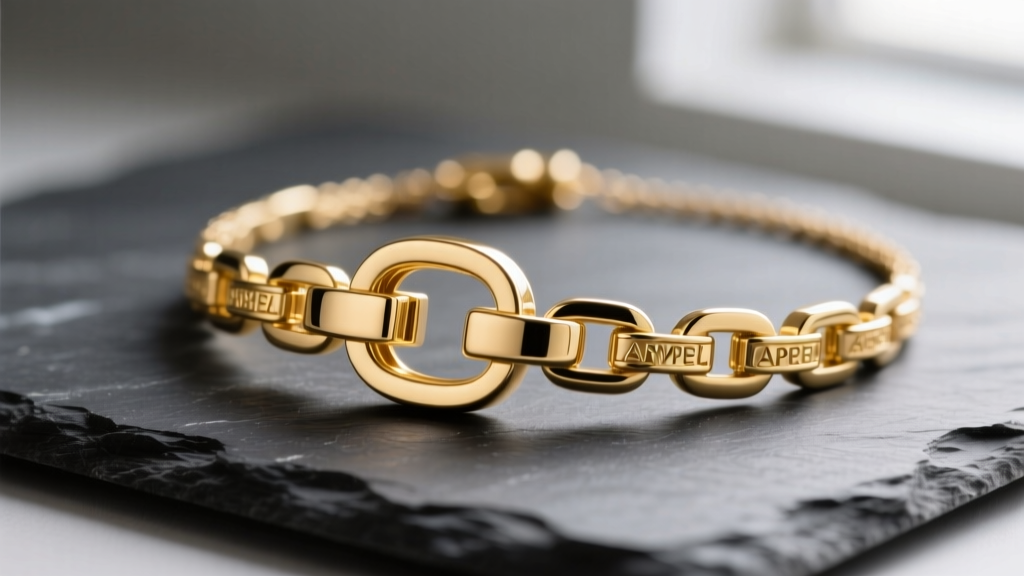
The Anatomy of the Arpel Modular System
The modern jewelry landscape has shifted heavily toward modularity, and the Arpel necklace system stands at the forefront of this movement. Unlike traditional necklaces that rely on fragile jump rings and easily bent lobster clasps, an Arpel necklace utilizes a proprietary dual-action closure. This mechanism combines a high-grade N52 neodymium magnetic core with a 316L surgical stainless steel mechanical twist-lock. The result is a seamless, interchangeable system that allows you to swap chains, pendants, and charm carriers in seconds without the need for tools or pliers.
However, the precision engineering of the Arpel clasp requires specific handling to ensure longevity. Whether you are working with an 18k gold vermeil finish or a PVD-coated titanium variant, understanding the exact assembly and maintenance protocols is critical. In this comprehensive guide, we will break down the step-by-step process of assembling your Arpel necklace, maintaining the magnetic housing, and styling your interchangeable components for optimal weight distribution.
Step-by-Step: Assembling Your Arpel Necklace
Assembling an Arpel necklace is not as simple as snapping two magnets together. The dual-action system requires a specific sequence to engage the secondary mechanical lock, which prevents accidental unclasping during wear.
Step 1: Preparing the Components
Before attempting to connect the clasp, ensure that both the male and female terminals of the Arpel clasp are free of debris. Because the N52 neodymium magnets are exceptionally strong, they can attract microscopic iron dust from the environment. Use a clean, dry microfiber cloth to wipe the terminal faces. If you are attaching a new pendant carrier, ensure the internal silicone O-ring is properly seated to prevent metal-on-metal grinding.
Step 2: Aligning the Magnetic Core
Hold the female terminal (the side with the recessed cavity) in your non-dominant hand. Bring the male terminal close to the cavity. You will feel the magnetic pull engage approximately 1.5 centimeters away. Allow the magnets to guide the pieces together naturally. Do not force them at an angle, as this can scratch the PVD coating or the gold vermeil finish.
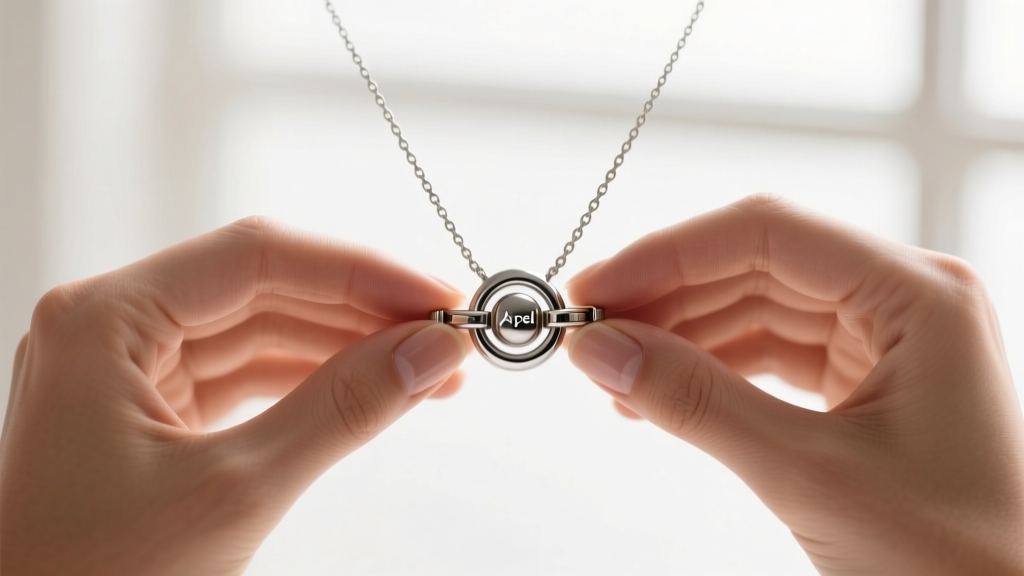
Step 3: Engaging the Mechanical Twist-Lock
Once the magnets have snapped flush together, the clasp is only 50% secured. To engage the mechanical lock, grip the textured outer sleeve of the male terminal and rotate it exactly 45 degrees clockwise. You will hear and feel a distinct 'click' as the internal steel splines align and lock into place. This secondary lock is what gives the Arpel necklace its signature security, allowing it to withstand up to 15 pounds of tensile pressure without releasing.
Maintenance: Caring for the Arpel Clasp Mechanism
The most common failure point in any modular jewelry system is the clasp. According to the Jewelers of America, improper cleaning methods destroy more mechanical clasps than daily wear and tear. Because the Arpel necklace houses powerful magnets and precision steel splines, you must avoid traditional jewelry cleaning methods.
'Never place a modular magnetic clasp in an ultrasonic cleaner. The high-frequency vibrations can demagnetize the neodymium core over time and dislodge the internal micro-springs that govern the twist-lock mechanism.' — Master Jeweler Bench Guide, 2025 Edition.
Approved Cleaning Protocol
To maintain the conductivity of the magnets and the smooth action of the twist-lock, follow this monthly maintenance schedule:
- Surface Wipe: Use a lint-free swab dipped in 99% isopropyl alcohol to clean the terminal faces. This removes skin oils and cosmetic residues that can weaken the magnetic grip.
- Spline Lubrication: Once every six months, apply a microscopic drop of synthetic watch oil (such as Moebius 9010) to the internal splines of the twist-lock. Wipe away any excess immediately.
- Vermeil Care: If your Arpel necklace features an 18k gold vermeil exterior, avoid harsh polishing cloths that contain abrasive compounds, as these will strip the gold layer down to the sterling silver or brass base metal. For more on gold thickness standards, refer to the GIA Gem Encyclopedia.
Styling Guide: Weight Distribution and Chain Gauges
The beauty of the Arpel necklace lies in its interchangeability. However, pairing a heavy artisan pendant with an ultra-fine chain puts undue stress on the magnetic clasp. To ensure your necklace drapes correctly and the clasp remains secure, you must match your chain gauge to the weight of your pendant.
| Chain Gauge (mm) | Chain Style | Max Pendant Weight | Best Use Case |
|---|---|---|---|
| 1.0mm - 1.2mm | Cable / Box | Up to 5 grams | Minimalist solitaires, delicate layering |
| 1.5mm - 1.8mm | Rope / Figaro | 5 to 12 grams | Standard pendants, everyday office wear |
| 2.0mm - 2.5mm | Cuban / Mariner | 12 to 25 grams | Statement pieces, heavy gemstone pendants |
| 3.0mm+ | Wheat / Curb | 25+ grams | Stand-alone chains, oversized modular charms |

Layering with the Arpel System
When layering multiple Arpel necklaces, the magnetic clasps can occasionally attract one another if worn at identical lengths. To prevent the clasps from tangling or pulling against each other, adhere to the 'Two-Inch Rule'. Ensure that each subsequent necklace in your layered stack is at least two inches longer than the one above it. For example, pair a 16-inch choker with an 18-inch princess-length chain and a 20-inch matinee chain. This spacing ensures the magnetic fields of the individual clasps do not intersect.
Troubleshooting Common Arpel Clasp Issues
Even with meticulous care, you may encounter minor operational hiccups with your Arpel necklace. Here is how to diagnose and resolve the most common issues:
The Clasp Feels 'Slippery' or Won't Lock
If the 45-degree twist-lock fails to click into place, the internal splines are likely clogged with lotion, perfume, or dead skin cells. Do not force the twist. Submerge only the clasp mechanism (not the chain) in a small bowl of warm water mixed with a single drop of mild dish soap for five minutes. Use a soft-bristled baby toothbrush to gently agitate the seam where the sleeve meets the core. Rinse with distilled water and allow it to air dry completely before attempting to lock it again.
Magnetic Pull Feels Weak
N52 neodymium magnets are incredibly stable and do not lose their charge under normal conditions. However, exposure to extreme heat (above 80°C or 176°F) can cause permanent demagnetization. If you frequently wear your Arpel necklace in saunas, hot tubs, or leave it on the dashboard of a car in direct summer sunlight, the magnetic core may have been compromised. In this scenario, the clasp must be sent back to the manufacturer for a core replacement, as the magnetism cannot be restored at home.
Final Thoughts on Modular Mastery
The Arpel necklace represents a significant leap forward in functional jewelry design. By treating the clasp not just as a fastener, but as a precision-engineered component, you unlock the full potential of your modular collection. Stick to the assembly protocols, respect the weight distribution guidelines, and keep the magnetic terminals clean. With proper care, your Arpel system will provide a lifetime of seamless styling and secure wear.


