Material Guide For A Vintage Lana Del Ray Necklace Look
Discover the best metals and materials for a vintage Lana Del Ray necklace. Compare brass, sterling silver, and vermeil for lasting Americana style.

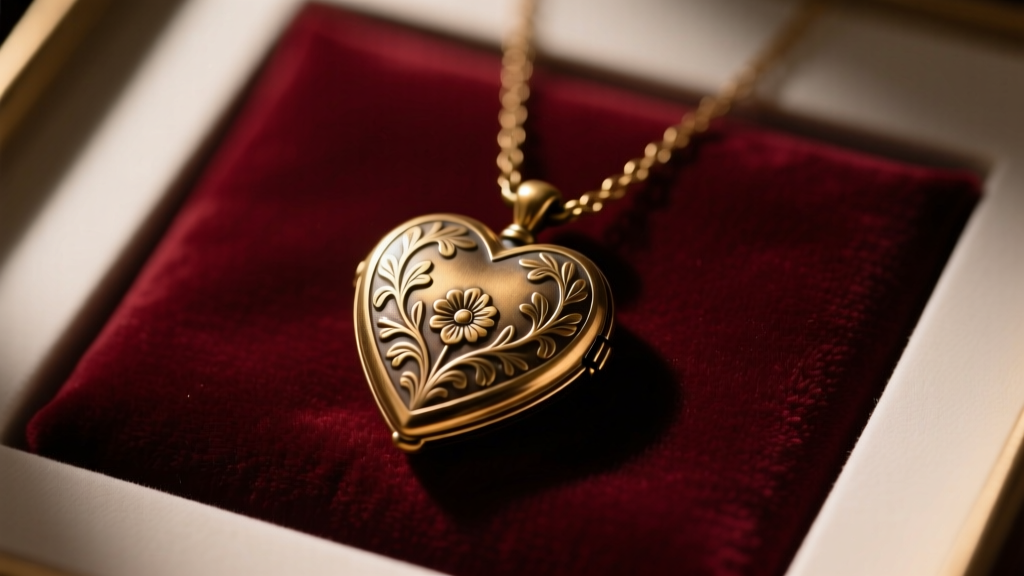
The search for the perfect lana del ray necklace is rarely just about finding a piece of jewelry; it is about capturing a specific, melancholic aesthetic. Characterized by vintage Americana, tragic romance, and a touch of grunge, this iconic style relies heavily on heart lockets, crucifix pendants, and delicate pearl chokers. However, as we navigate the jewelry market in 2026, consumers are increasingly aware that achieving this nostalgic look requires a deep understanding of metallurgy and material degradation. A necklace that turns your skin green or loses its plating in a month completely shatters the romantic illusion.
In this comprehensive material guide, we dissect the exact alloys, plating thicknesses, and organic gems required to build a durable, authentic-looking piece. Whether you are sourcing a vintage-style locket or commissioning a custom crucifix, understanding the physical properties of these materials is the difference between a fleeting fast-fashion accessory and a lasting heirloom.
The Anatomy of the Aesthetic: Why Tarnish Matters
Unlike minimalist modern jewelry that demands high-polish perfection, the core appeal of a lana del ray necklace lies in its lived-in, slightly weathered appearance. This means that materials which naturally oxidize or develop a patina are actually highly desirable, provided they do not cause contact dermatitis or structural failure. The goal is to achieve 'intentional aging' rather than 'destructive corrosion.' To do this, we must evaluate base metals, precious alloys, and organic components through the lens of both aesthetic alignment and chemical stability.
Base Metals: Brass, Bronze, and the Patina Factor
Many entry-level vintage lockets and crucifixes are cast from brass or bronze. These copper-based alloys offer a heavy, substantial feel and a beautiful warm undertone that mimics aged gold.
Brass (CuZn37) and the Oxidation Problem
Cartridge brass (C26000) is the industry standard for affordable vintage-style stamping. While it takes intricate engraving beautifully—perfect for the floral motifs on a 1950s-style heart locket—it has a critical failure mode. When the copper in brass reacts with the chlorides and fatty acids in human sweat (which typically has a pH between 4.5 and 7.0), it forms copper chloride. This results in the notorious green discoloration on the skin. If you are buying a brass lana del ray necklace, ensure the interior of the pendant and the chain are sealed with a jewelry-grade epoxy or clear lacquer to create a barrier between the metal and your skin.
Bronze: The Heavier Alternative
Bronze (an alloy of copper and tin) is denser and darker than brass. It develops a rich, brownish-black patina over time that perfectly suits the 'Born to Die' era grunge aesthetic. According to metallurgical guides from Rio Grande, bronze is more resistant to surface corrosion than brass, making it a superior choice for heavy, oversized crucifix pendants that rest against the collarbone.
Precious Metals: Sterling Silver and Intentional Tarnish
For those willing to invest in premium materials, 925 Sterling Silver is the undisputed king of the vintage aesthetic. Composed of 92.5% pure silver and 7.5% copper, this alloy provides the necessary tensile strength for delicate cable chains and intricate locket hinges.
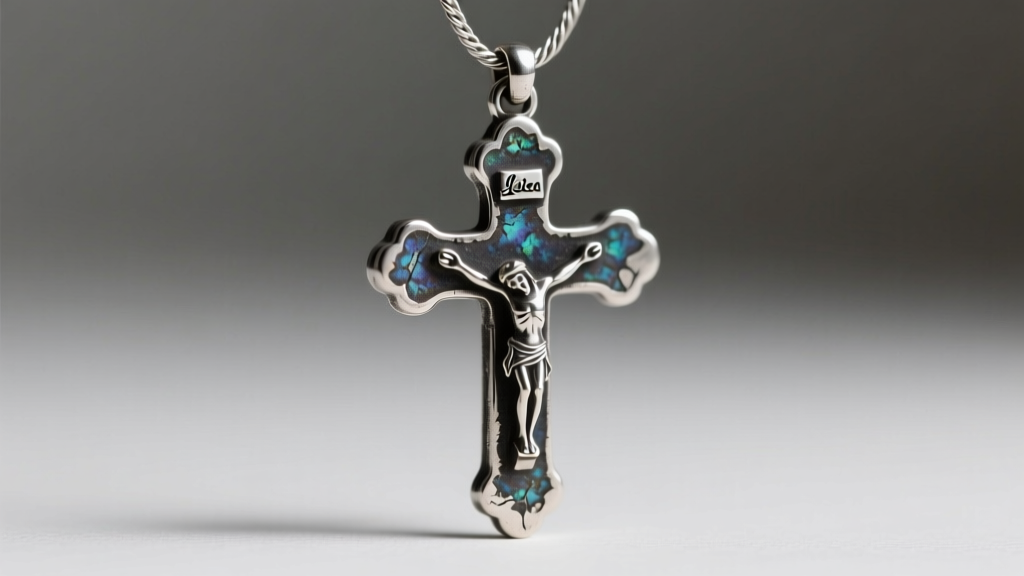
The 7.5% copper content is exactly what causes sterling silver to tarnish when exposed to sulfur compounds in the air, forming silver sulfide (Ag2S). While traditional jewelers view tarnish as a flaw, in the context of a lana del ray necklace, it is a feature. Many high-end silversmiths use 'Liver of Sulfur' to artificially accelerate this process, creating deep, dark oxidation in the crevices of a crucifix or the engraving of a nameplate. This provides high contrast and an instant heirloom quality. To maintain the structural integrity of the chain while keeping the pendant dark, simply polish the high points of the pendant with a microfiber cloth, leaving the recessed areas blackened.
Plating Protocols: Vermeil vs. Flash Plating
Gold-toned vintage jewelry is highly sought after, but the plating industry is rife with deceptive practices. If you want a gold-toned heart locket that will not fade to a brassy yellow after a few weeks of wear, you must understand the difference between flash plating and gold vermeil.
- Flash Plating: Typically applied over brass or zinc alloys, flash plating uses a microscopic layer of gold (often less than 0.1 microns thick). This layer wears away rapidly through friction against clothing and skin oils, exposing the base metal beneath.
- Gold Vermeil: The Federal Trade Commission (FTC) strictly regulates the term 'vermeil.' According to FTC Jewelry Guides, vermeil must consist of a sterling silver base coated with at least 2.5 microns of gold (minimum 10k fineness). This thickness ensures that the gold layer can withstand years of daily wear, making it the only acceptable choice for a high-quality vintage gold necklace.
Organic Materials: The Fragility of Pearls
No discussion of this specific musical aesthetic is complete without addressing the iconic pearl choker. However, organic gems require vastly different care than metals. Freshwater pearls rank between 2.5 and 4.5 on the Mohs hardness scale, making them highly susceptible to scratching and chemical degradation.
The nacre of a pearl is primarily calcium carbonate, which dissolves upon contact with acids. This means that everyday cosmetics, perfumes (which contain high concentrations of alcohol and acidic essential oils), and even hairspray will permanently dull the iridescent luster of a pearl. The Gemological Institute of America (GIA) strongly recommends the 'last on, first off' rule: pearls should be the final accessory you put on after your perfume has dried, and the first thing you remove and wipe with a damp cloth before storing.
Material Comparison Matrix
To help you make an informed purchasing decision, refer to the matrix below detailing how common necklace materials perform in the context of vintage, moody aesthetics.
| Material | Aesthetic Match | Tarnish/Patina Rate | Skin Reaction Risk | Avg. Price Range (USD) |
|---|---|---|---|---|
| C26000 Brass | High (Warm Vintage) | Fast (Requires Sealant) | High (Green Discoloration) | $25 - $60 |
| Silicon Bronze | High (Dark Grunge) | Moderate (Rich Brown) | Low to Moderate | $45 - $95 |
| 925 Sterling Silver | Very High (Gothic/Classic) | Moderate (Black Sulfide) | None (Hypoallergenic) | $80 - $250 |
| Gold Vermeil (2.5μm) | High (Glamorous Vintage) | Very Slow | None (Silver Base) | $120 - $350 |
| Freshwater Pearl | Very High (Romantic) | N/A (Chemical Degradation) | None | $60 - $200 |
Stringing and Hardware: The Hidden Weak Points
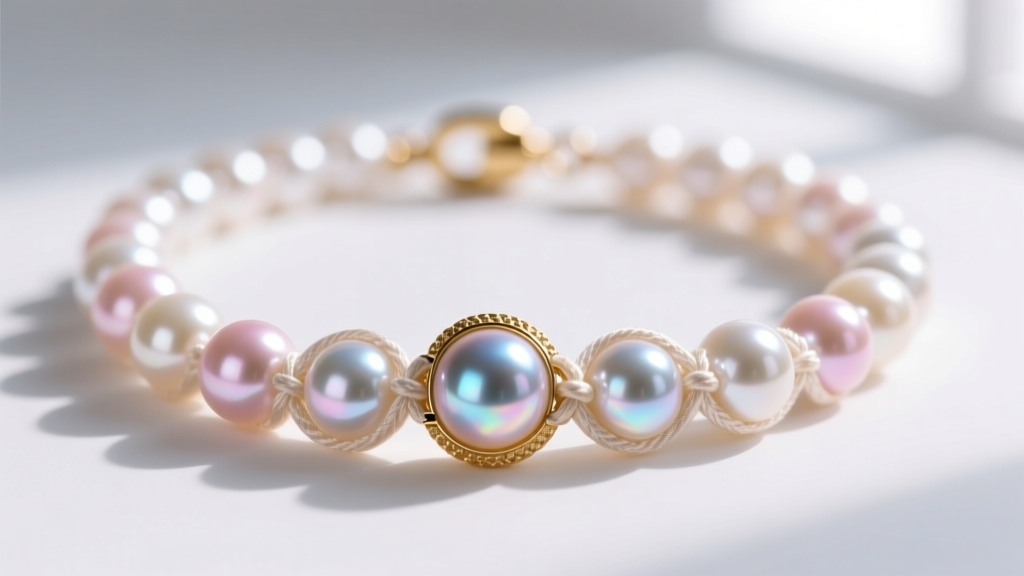
The pendant may be crafted from solid sterling silver, but if it hangs on a poorly constructed chain or string, the entire piece is compromised. For pearl chokers, avoid nylon or synthetic threads, which stretch and degrade under UV exposure and body heat. High-end pearl necklaces are strung on pure silk thread with individual knots placed between each pearl. These knots serve a dual purpose: they prevent the pearls from rubbing against one another (which damages the nacre) and ensure that if the strand breaks, you only lose a single pearl rather than the entire necklace.
For metal lockets and crucifixes, pay close attention to the jump rings and clasps. A lobster clasp constructed from hollow-stamped brass will snap under the weight of a solid bronze pendant. Always verify that the findings (clasps, jump rings, and chain links) are cast or die-struck from the same material grade as the pendant itself. A soldered jump ring—one where the gap is fused shut with silver or gold solder—is mandatory for heavy pendants to prevent the chain from slipping through and dropping your heirloom piece.
Final Verdict: Building Your Heirloom Piece
Ultimately, sourcing the perfect lana del ray necklace requires looking past the initial visual appeal and scrutinizing the metallurgical reality of the piece. If you are on a strict budget, opt for silicon bronze with a protective wax coating rather than raw brass. If you want a piece that will age beautifully and become a permanent part of your wardrobe, invest in 925 sterling silver with intentional liver-of-sulfur oxidation, or a properly regulated 2.5-micron gold vermeil. By respecting the chemical properties of these materials, you ensure that your jewelry remains as timeless and evocative as the aesthetic it represents.


