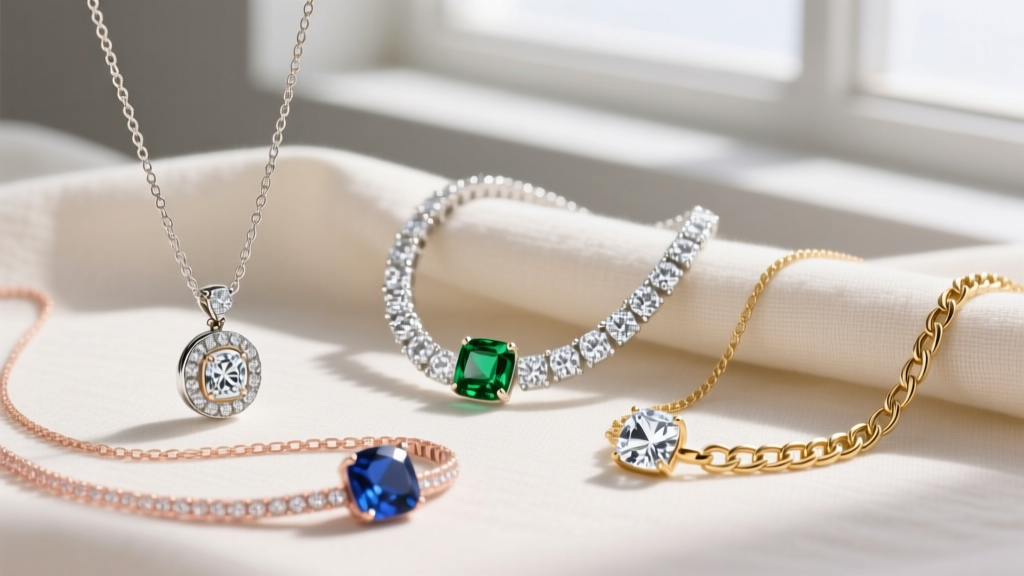
Lucky Heart Necklace Value Guide: Price vs. Quality
Discover if a lucky heart necklace is worth the investment. We break down metal grades, brand markups, and pricing tiers to help you find true value.

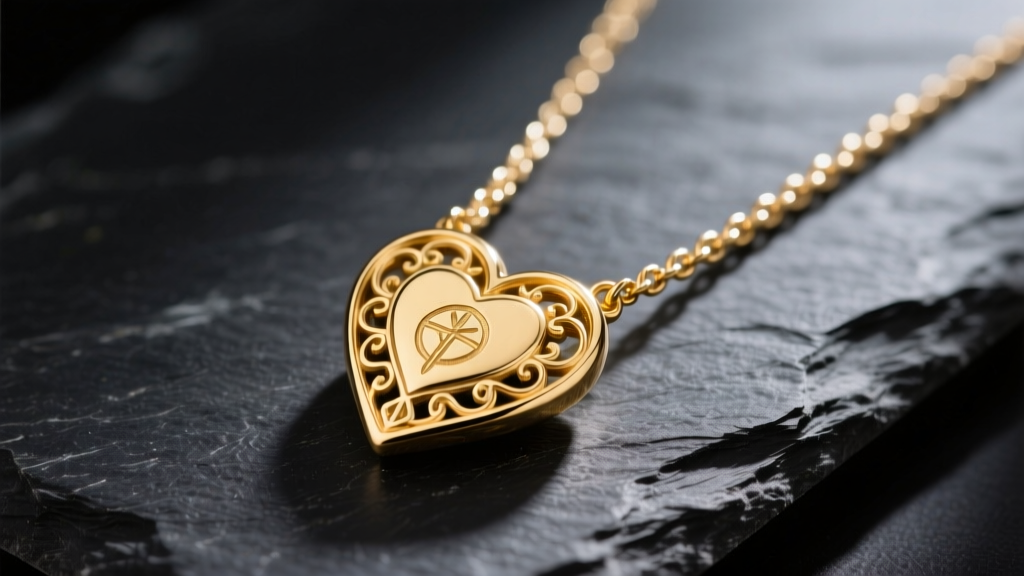
The Anatomy of a Lucky Heart Necklace: What Are You Paying For?
The 'lucky heart' necklace—often featuring a heart motif intertwined with a four-leaf clover, an evil eye, or a classic engraved tag—remains a staple in jewelry boxes worldwide. But as of 2026, with precious metal markets experiencing significant volatility, prices for these sentimental pieces range anywhere from $35 to over $3,500. How do you assess the true value of a lucky heart necklace when the visual differences between a $100 piece and a $1,000 piece can be nearly imperceptible to the untrained eye?
When evaluating budget versus value, you must separate the metallurgical reality from the brand equity. A necklace's intrinsic value is dictated by its precious metal purity, gram weight, chain tensile strength, and clasp mechanics. Conversely, its retail price is heavily inflated by marketing, heritage, and the iconic 'blue box' premium. In this comprehensive value assessment, we dismantle the pricing structures of lucky heart necklaces to help you determine exactly where your money is going.
Metal Purity & Material Breakdown: Silver vs. Gold vs. Vermeil
The foundation of any pendant's value lies in its base metal. According to the Gemological Institute of America (GIA), understanding karatage and plating thickness is the first step in avoiding overpriced costume jewelry masquerading as fine jewelry.
| Material Grade | Hallmark Stamp | Tarnish Risk | Avg. Price Range | Resale Value Retention |
|---|---|---|---|---|
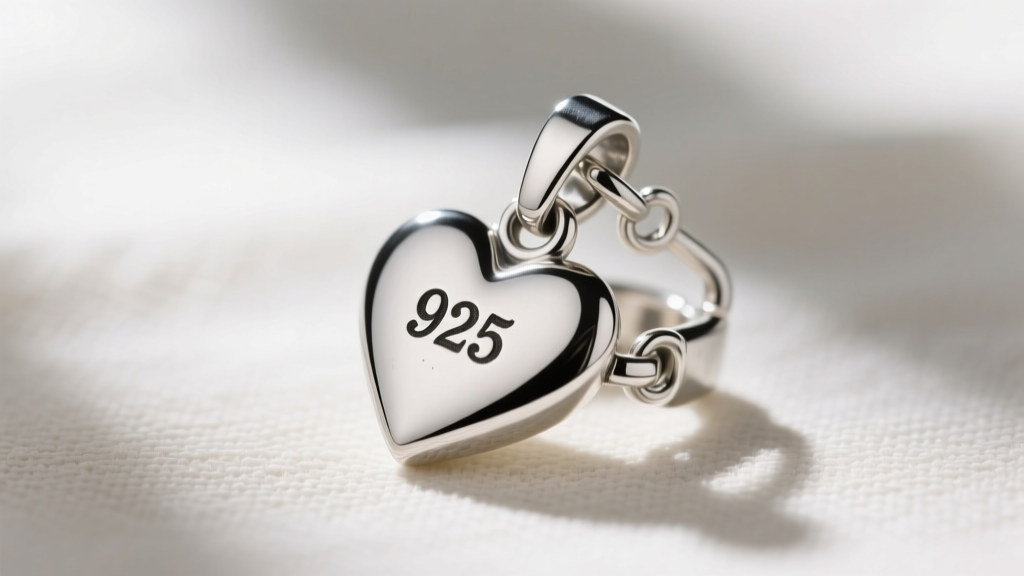
| Sterling Silver | 925 | High (without rhodium) | $40 - $150 | Low (Melt value only) |
| Gold Vermeil | 925 + 2.5µm Gold | Medium (wear-dependent) | $80 - $220 | None (Costume tier) |
| Solid 14k Gold | 585 / 14k | None | $250 - $650 | Moderate (70% melt) |
| Solid 18k Gold | 750 / 18k | None | $600 - $1,800+ | High (85% melt + brand) |
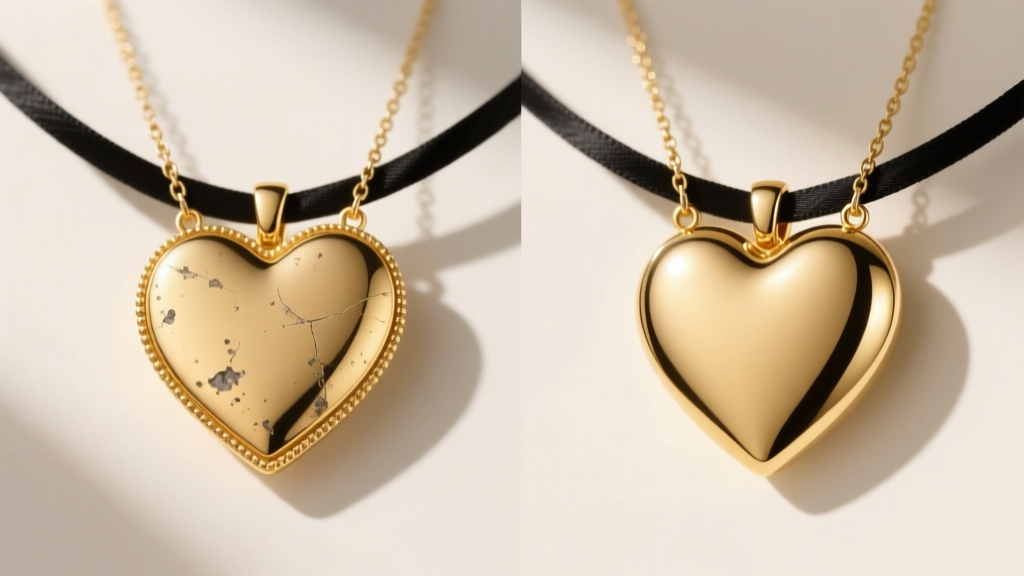
Many mid-tier brands sell 'gold' lucky heart necklaces that are actually gold vermeil. While vermeil is superior to standard gold-plated brass (it requires a sterling silver base and a minimum of 2.5 micrometers of gold thickness), it is still a surface treatment. If you wear a vermeil lucky heart necklace daily, the friction against your skin and clothing will wear through the gold layer within 12 to 18 months, exposing the silver beneath. For long-term value, solid 14k gold offers the best balance of durability, price, and heirloom potential.
Chain Quality: The Hidden Cost of Designer Necklaces
A lucky heart pendant is only as secure as the chain that holds it. Budget brands frequently cut costs on the chain, pairing a heavy 5-gram pendant with a flimsy 0.6mm flash-plated cable chain equipped with a weak spring-ring clasp. This is a structural failure waiting to happen.
Gauge Thickness and Link Integrity
When assessing value, look closely at the chain gauge (thickness). A high-quality lucky heart necklace should feature a chain that can support at least three times the weight of the pendant.
- 0.6mm - 0.8mm Cable Chains: Common in the $50–$150 price range. Prone to kinking and snapping if the pendant exceeds 3 grams.
- 1.0mm - 1.2mm Rolo or Box Chains: The sweet spot for mid-tier value ($200–$500). These interlocking links distribute weight evenly and resist pulling.
- 1.5mm+ Figaro or Cuban Links: Found in luxury or heavy-duty men's/unisex lucky heart designs ($800+). Virtually indestructible under normal wear.
Furthermore, inspect the clasp. A spring-ring clasp (the small circular one with a tiny lever) is notoriously difficult to operate and prone to internal spring failure. A true value-driven necklace will utilize a lobster claw clasp, which offers a wider grip and a more robust internal mechanism.
The 'Lucky' Motif Premium: Brand Markup Analysis
The 'lucky heart' motif carries a massive brand premium, largely popularized by heritage jewelers like Tiffany & Co. with their 'Return to Tiffany' collection. To understand the markup, we must compare intrinsic metal value against retail pricing.
In 2026, the raw material cost of a standard 3-gram 14k gold heart pendant is approximately $130, based on current gold spot prices and standard alloy mixes. When a luxury brand charges $2,400 for a similarly weighted 18k gold lucky heart tag, you are paying a 1,000%+ markup for the brand name, the retail experience, and the packaging.
Is this markup justified? From a purely financial standpoint, no. An independent bench jeweler can cast a custom 14k solid gold lucky heart necklace with a durable 1.2mm rolo chain for under $400. However, from a sentimental and social signaling perspective, the luxury brand retains a psychological value that generic jewelers cannot replicate. If your goal is everyday wear and financial prudence, independent jewelers offer vastly superior material value.
How to Verify Authenticity and True Value
The secondary market is flooded with counterfeit lucky heart necklaces, particularly those mimicking famous designer engravings. The Federal Trade Commission (FTC) Jewelry Guides mandate strict hallmarking, but counterfeiters frequently stamp base metals with fake '925' or '14k' marks.
Practical Verification Steps
- The Magnet Test: Gold and silver are non-magnetic. If your lucky heart pendant or chain clings to a strong neodymium magnet, it contains a ferrous base metal (like iron or steel) and is a counterfeit.
- Hallmark Inspection: Use a 10x jeweler's loupe. Authentic hallmarks are deeply and cleanly stamped. Counterfeit stamps often look shallow, blurred, or misaligned.
- The Ice Test (for Silver): Sterling silver has the highest thermal conductivity of any common metal. If you place an ice cube on a 925 silver lucky heart tag, it should melt almost instantly compared to glass or steel.
- Acid Testing: For definitive proof, a jeweler will perform a scratch test on an inconspicuous area (like the back of the heart or the clasp ring) and apply nitric acid to verify the karatage.
2026 Pricing Tiers: Where Does Your Budget Fit?
To help you navigate the market, we have categorized the current landscape of lucky heart necklaces into three distinct value tiers.
Tier 1: The Budget-Conscious ($30 - $120)
What you get: Sterling silver (925) or gold vermeil over brass. Thin 0.7mm chains with spring-ring clasps. Value Verdict: Excellent for gifting and occasional wear. Poor for daily use, as vermeil will fade and thin chains will break. Buy from reputable Etsy sellers or direct-to-consumer brands like Gorjana or Mejuri.
Tier 2: The Value Sweet Spot ($250 - $600)
What you get: Solid 10k or 14k gold. 1.0mm to 1.2mm cable or rolo chains. Lobster claw clasps. Value Verdict: The highest return on investment. You are paying for the raw gold weight and durable construction without the luxury brand tax. Ideal for an everyday 'never take it off' lucky charm.
Tier 3: The Luxury Heritage ($1,500 - $4,000+)
What you get: Solid 18k gold, sometimes accented with pavé diamonds or enamel. Designer engravings (e.g., Tiffany, Cartier). Value Verdict: You are buying a recognized status symbol. While the material markup is immense, these pieces hold their value exceptionally well on the secondary market (The RealReal, Vestiaire Collective) due to high brand demand.
Final Verdict: Is the Lucky Heart Necklace Worth It?
The value of a lucky heart necklace is entirely dependent on your purchasing priorities. If you view jewelry strictly as a commodity, the luxury designer markups are impossible to justify, and a custom-cast solid 14k piece from a local bench jeweler is the undisputed winner in terms of cost-per-gram and structural durability. However, if the 'lucky' aspect is tied to the emotional weight of a specific heritage brand, the premium buys you a universally recognized symbol of affection.
Regardless of your budget, never compromise on the chain. A $2,000 solid gold pendant is worthless if it falls off due to a $5 broken spring-ring clasp. Demand lobster clasps, verify your hallmarks, and choose solid metals over plating if you intend for your lucky heart to become a lifelong talisman.